
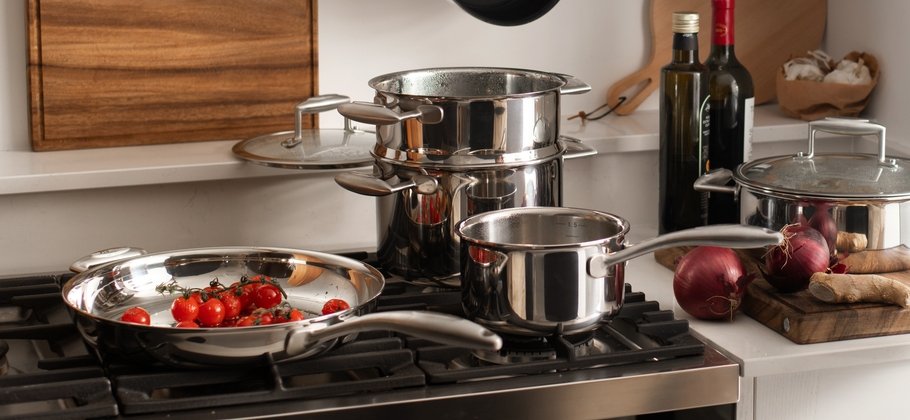
Choosing the right cookware for your gas stove can feel overwhelming. You want pots and pans that heat evenly, last long, and make cooking easier—not harder.
But how do you pick the best ones without wasting money or ending up with tools that don’t work well? You’ll discover simple, practical tips to help you select cookware that matches your stove and cooking style perfectly. By the end, you’ll feel confident making the best choice for your kitchen—and enjoy cooking more than ever before.
Keep reading to find out what really matters when picking cookware for your gas stove.

Credit: www.beka-cookware.com
Material Considerations
Choosing the right cookware material affects cooking results and safety. Different materials work better with gas stoves.
Knowing the benefits and features of each material helps you pick the best pots and pans for your needs.
Stainless Steel Benefits
Stainless steel is strong and does not rust. It heats evenly and lasts a long time. It is easy to clean and looks good.
Cast Iron Features
Cast iron holds heat well and cooks food evenly. It can be used on high heat for searing. It needs regular seasoning to stay non-stick and rust-free.
Copper Advantages
Copper heats up and cools down very fast. It gives precise control over cooking temperature. Copper cookware often has a stainless steel lining to prevent reactions with food.
Aluminum Properties
| Property | Description |
| Weight | Light and easy to handle |
| Heat conduction | Excellent and fast heating |
| Reactivity | Can react with acidic foods unless coated |
| Durability | Less durable than stainless steel or cast iron |
| Cost | Usually affordable |
Compatibility With Gas Stoves
Choosing the right cookware for gas stoves is important. Not all pots and pans work well with gas burners.
Cookware must handle the open flame and spread heat evenly. This helps cook food properly and saves energy.
Heat Distribution
Gas stoves use open flames that heat cookware directly. Cookware must spread heat evenly to avoid hot spots.
Materials like stainless steel with an aluminum core or cast iron work well. They move heat across the pan surface.
- Even heat avoids burning food
- Improves cooking results
- Reduces energy waste
Temperature Control
Gas stoves heat up quickly and allow easy temperature changes. Cookware should respond fast to these changes.
Thin cookware heats and cools fast but may warp. Thick cookware holds heat longer but heats slower.
- Choose thickness based on cooking style
- Good control helps prevent overcooking
- Materials like copper offer quick response
Durability Concerns
Gas stoves use open flames that can wear cookware faster. Durable materials last longer under these conditions.
Look for cookware that resists warping and damage from high heat. Cast iron and stainless steel are strong choices.
- Check for sturdy handles and lids
- Avoid cookware with thin, weak bases
- Good quality materials resist scratches and dents
Cookware Types For Gas Stoves
Choosing the right cookware helps you cook better on gas stoves. Different pots and pans work well with gas heat.
This guide explains common cookware types and what to look for with each one.
Frying Pans
Frying pans are good for quick cooking and frying foods. Look for pans with thick, flat bottoms for even heat.
Materials like stainless steel and cast iron work well because they handle high heat from gas flames.
Saucepans
Saucepans are perfect for boiling, simmering, and making sauces. They often have tall sides and a lid.
- Choose heavy-bottom pans to avoid hot spots
- Look for good heat conductivity like aluminum cores
- Opt for tight-fitting lids to keep moisture
Stockpots
Stockpots are large pots used for soups, stews, and boiling pasta. They need to spread heat evenly on gas stoves.
| Material | Heat Conductivity | Durability |
| Stainless Steel | Medium | High |
| Aluminum | High | Low |
| Copper | Very High | Medium |
Skillets
Skillets are versatile pans for frying, searing, and baking. Cast iron skillets keep heat well on gas stoves.
Make sure the skillet has a flat bottom and sturdy handle for safe cooking.
Non-stick Vs. Traditional Surfaces
Choosing cookware for gas stoves means thinking about the surface type. Non-stick and traditional surfaces each have their own benefits and drawbacks.
Understanding how these surfaces differ helps you pick the right pots and pans for your kitchen needs.
Ease Of Cleaning
Non-stick cookware usually cleans up quickly. Food does not stick, so you need less scrubbing. Traditional surfaces can require more effort to clean, especially if food sticks or burns.
- Non-stick pans often need gentle washing with soft sponges.
- Traditional surfaces may need soaking or scrubbing with stronger cleaners.
- Non-stick coatings can wear out if scrubbed too hard.
- Traditional cookware may last longer with proper cleaning.
Health Considerations
Non-stick surfaces use coatings that can release harmful fumes if overheated. It is important to use them on medium or low heat. Traditional cookware is often safer at high temperatures but may react with acidic foods.
| Surface Type | Health Notes |
| Non-Stick | Avoid high heat to prevent fumes |
| Traditional | May react with acidic foods like tomatoes |
Performance Differences
Non-stick pans heat quickly and cook evenly but can be less durable. Traditional cookware often holds heat better and can create a good sear on foods.
- Non-stick: Best for eggs, pancakes, and delicate foods.
- Traditional: Ideal for browning, frying, and high-heat cooking.
- Non-stick pans are lighter and easier to handle.
- Traditional cookware may improve with seasoning over time.
Budget And Value
Choosing cookware for gas stoves can be tricky if you want good value. Your budget matters but quality is important too.
Finding the right balance helps you get cookware that lasts and cooks well without overspending.
Price Vs. Quality
Low-priced cookware may save money now but might wear out quickly. High-quality pots and pans cost more but last longer.
Look for materials like stainless steel or cast iron that work well on gas stoves. Avoid very cheap sets that can warp or lose coating fast.
- Cheap cookware can heat unevenly and wear out fast
- Mid-range options often offer good balance of cost and durability
- Premium cookware usually has better heat control and lasts many years
Long-term Investment
Think about how long you will use the cookware. Spending a bit more can save money over time.
Good cookware resists scratches and works well with gas flames. This means better cooking and less replacement cost.
- Choose cookware with sturdy handles and lids
- Look for scratch-resistant surfaces
- Pick sets that can handle high heat safely
Brand Recommendations
Some brands offer good quality cookware at fair prices. They make pots and pans that suit gas stoves well.
Choosing trusted brands can give you confidence in the product’s performance and durability.
- Lodge – known for strong cast iron pans
- Cuisinart – offers reliable stainless steel sets
- T-fal – affordable non-stick cookware for gas stoves
- All-Clad – higher price but premium quality and durability

Credit: www.procook.co.uk
Maintenance And Care
Proper maintenance keeps your cookware safe and effective. Caring for your pots and pans helps them last longer. Good habits prevent damage and make cooking easier.
Cleaning, storing, and using cookware correctly protects your investment. Each step plays a role in preserving your kitchen tools.
Cleaning Techniques
Clean cookware after every use to avoid stains and buildup. Use mild soap and warm water for most materials. Avoid harsh scrubbers that can scratch surfaces.
- Use soft sponges or cloths
- For stuck food, soak in warm soapy water
- Dry thoroughly to prevent rust
- Do not use abrasive cleaners on non-stick pans
- For cast iron, wipe with oil after cleaning
Storage Tips
Store cookware in a dry, cool place. Avoid stacking heavy pots on delicate pans to prevent dents. Use protective liners or cloth between items if stacking.
| Cookware Type | Storage Advice |
|---|---|
| Stainless Steel | Stack with paper towels between layers |
| Non-stick | Hang or store flat to protect coating |
| Cast Iron | Keep dry and lightly oiled |
| Copper | Polish before storing and avoid moisture |
Longevity Practices
Use cookware gently to extend its life. Avoid high heat on non-stick pans. Match pan size to burner size to prevent warping.
- Heat pans gradually to avoid damage
- Use wooden or silicone utensils to protect surfaces
- Do not leave empty pans on hot burners
- Re-season cast iron regularly
- Check handles and lids for tightness
Additional Features
Choosing cookware for gas stoves involves more than just size and material. Extra features can improve comfort and safety. These features help you cook better and keep your kitchen safe.
Look for cookware with smart design choices. This guide covers key features like handles, oven safety, and induction use.
Ergonomic Handles
Ergonomic handles make pots and pans easier to lift and hold. Good handles reduce hand strain and keep your grip secure.
- Look for handles with soft, heat-resistant grips.
- Choose handles that stay cool during cooking.
- Check if handles are securely attached with rivets or screws.
- Pick handles shaped to fit your hand comfortably.
Oven Safety
Not all cookware can go in the oven. Oven-safe pots and pans offer more cooking options. They let you start on the stove and finish in the oven.
| Feature | Oven-Safe Cookware | Non Oven-Safe Cookware |
| Handle Material | Metal or heat-proof silicone | Plastic or wood |
| Temperature Limit | Up to 500°F (260°C) | Below 350°F (175°C) |
| Use in Oven | Yes | No |
| Use on Gas Stove | Yes | Yes |
Induction Compatibility
Some gas stove cookware also works on induction cooktops. This is good if you use both stove types.
Check induction compatibility by these signs:
- A flat, magnetic base
- Labels or symbols showing induction use
- Materials like cast iron or stainless steel
You can test with a magnet. If it sticks to the base, the cookware works on induction.

Credit: circulon.uk.com
Frequently Asked Questions
What Is The Best Cookware Material For Gas Stoves?
Stainless steel and cast iron are best for gas stoves. They distribute heat evenly and resist flame damage. These materials also last long and handle high temperatures well, making cooking efficient and safe on gas burners.
Can I Use Non-stick Cookware On A Gas Stove?
Yes, non-stick cookware can be used on gas stoves. However, choose high-quality pans with thick bases to prevent warping. Avoid high flames to protect the non-stick coating and extend the cookware’s lifespan.
How Do I Choose The Right Cookware Size For Gas Stoves?
Select cookware that matches your burner size for even heating. Using a pan too large or too small wastes energy and can cause uneven cooking. Proper size improves fuel efficiency and cooking performance.
Is Cast Iron Cookware Suitable For Gas Stoves?
Yes, cast iron cookware is ideal for gas stoves. It retains and distributes heat evenly, perfect for slow cooking and frying. Cast iron is durable and works well with direct flame heat.
Conclusion
Choosing the right cookware for gas stoves makes cooking easier and safer. Focus on materials that heat evenly and resist flame damage. Pick sizes that fit your stove burners well. Remember, durability matters for long-term use. Good cookware saves energy and improves food taste.
Trust your needs and budget to guide your choice. Cooking becomes more fun with the right tools. Take time to find pots and pans that work best for you. Enjoy preparing meals with confidence and ease.