
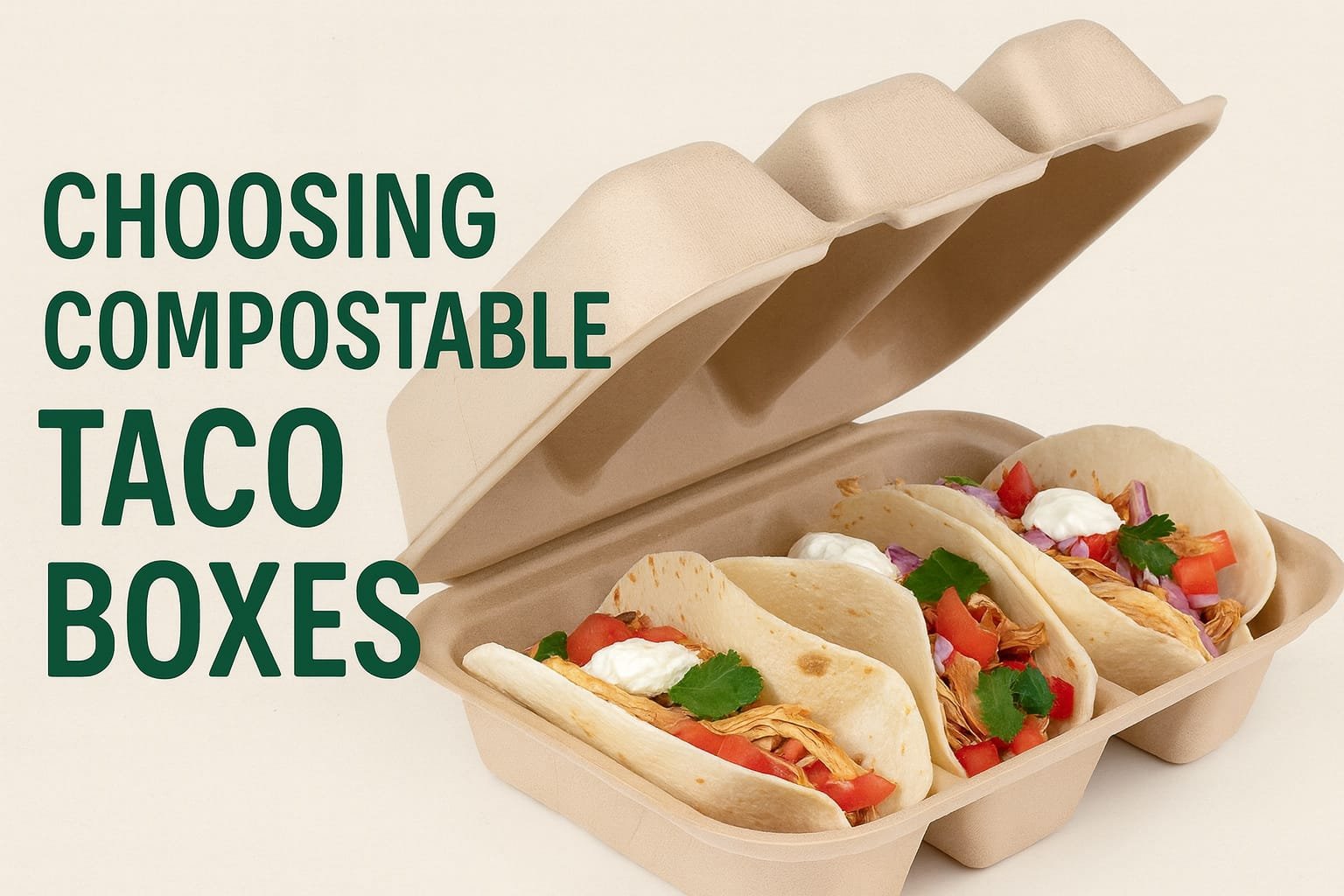
Choosing the right compostable food trays can feel overwhelming with so many options out there. But it doesn’t have to be complicated.
You want trays that are not only good for the environment but also sturdy and reliable for your needs. Imagine serving your food in trays that break down naturally, leaving no harmful waste behind. Sounds good, right? You’ll discover simple tips to pick the best compostable food trays for your business or event.
Keep reading, and you’ll learn exactly what to look for to make the smartest, most eco-friendly choice.

Credit: ecotact.co.uk
Benefits Of Compostable Food Trays
Compostable food trays are an eco-friendly choice for serving food. They break down naturally and reduce waste in landfills.
Using these trays helps protect the environment and offers many other advantages. Let’s explore the main benefits.
Environmental Impact
Compostable trays are made from natural materials like plant fibers. They decompose quickly and return nutrients to the soil.
These trays lower pollution by reducing plastic waste. They help cut down greenhouse gas emissions too.
- Reduce landfill waste
- Lower carbon footprint
- Support soil health
- Minimize plastic pollution
Health And Safety Advantages
Compostable food trays do not contain harmful chemicals. They are safe to use with hot or cold foods.
These trays help prevent food contamination and protect your health. They are often free from toxins found in plastics.
- Made from natural materials
- Free of harmful chemicals
- Safe for all types of food
- Reduce risk of contamination
Cost Efficiency
Compostable trays can save money over time. They lower waste disposal fees because they break down on site.
Many businesses find these trays cost-effective because they improve brand image and meet customer demand for green products.
- Reduce waste disposal costs
- Compost on site if possible
- Meet eco-friendly consumer needs
- Support sustainable business practices
Materials Used In Compostable Trays
Compostable food trays are made from materials that break down naturally. These trays help reduce waste in landfills.
Choosing the right material affects how well the tray composts. It also impacts strength and safety for food use.
Plant-based Fibers
Plant-based fibers come from natural sources like plants and trees. They are renewable and break down quickly in compost.
Common fibers include sugarcane bagasse, wheat straw, and bamboo. These fibers give trays strength and a natural look.
- Sugarcane bagasse is a leftover pulp from sugar production.
- Wheat straw is a stalk left after harvesting grain.
- Bamboo grows fast and provides strong fibers.
Biodegradable Polymers
Biodegradable polymers are plastics made from natural materials. They break down into harmless parts over time.
Common types include PLA (polylactic acid) and PHA (polyhydroxyalkanoates). These polymers help trays hold liquids and food.
- PLA is made from corn starch or sugarcane.
- PHA is produced by bacteria from plant sugars.
- Both types compost well in industrial facilities.
Other Eco-friendly Components
Some trays include other natural additives. These improve strength, water resistance, or composting speed.
Materials like natural waxes, starches, and cellulose help trays perform better while staying eco-friendly.
- Natural waxes add water resistance without plastic.
- Starches help bind fibers and polymers together.
- Cellulose adds strength and flexibility to trays.
Key Features To Consider
Selecting compostable food trays needs careful thought. Choose trays that fit your needs and help the environment.
Look at important features like strength, heat resistance, and size. These ensure the trays work well for your food.
Durability And Strength
Durable trays hold food without bending or breaking. Strong trays avoid spills and keep food safe.
Check for trays made from sturdy materials. They should handle the food weight and stacking during transport.
- Choose trays that resist cracks and leaks
- Look for materials like bagasse or molded fiber
- Test trays with your typical food load
Heat And Moisture Resistance
Trays need to resist heat from warm food. They should also handle moisture without getting soggy or soft.
Good heat resistance keeps trays stable during serving. Moisture resistance prevents leaks and keeps food fresh.
- Look for trays that tolerate hot food temperatures
- Choose trays that repel liquids and grease
- Check if trays keep shape with steam or sauces
Size And Shape Options
Select trays in sizes that fit your food portions. The shape should match the type of food served.
Different sizes help reduce waste and improve presentation. Choose shapes like round, square, or compartment trays.
- Match tray size to portion size
- Use divided trays for meals with sides
- Pick shapes that stack well for storage
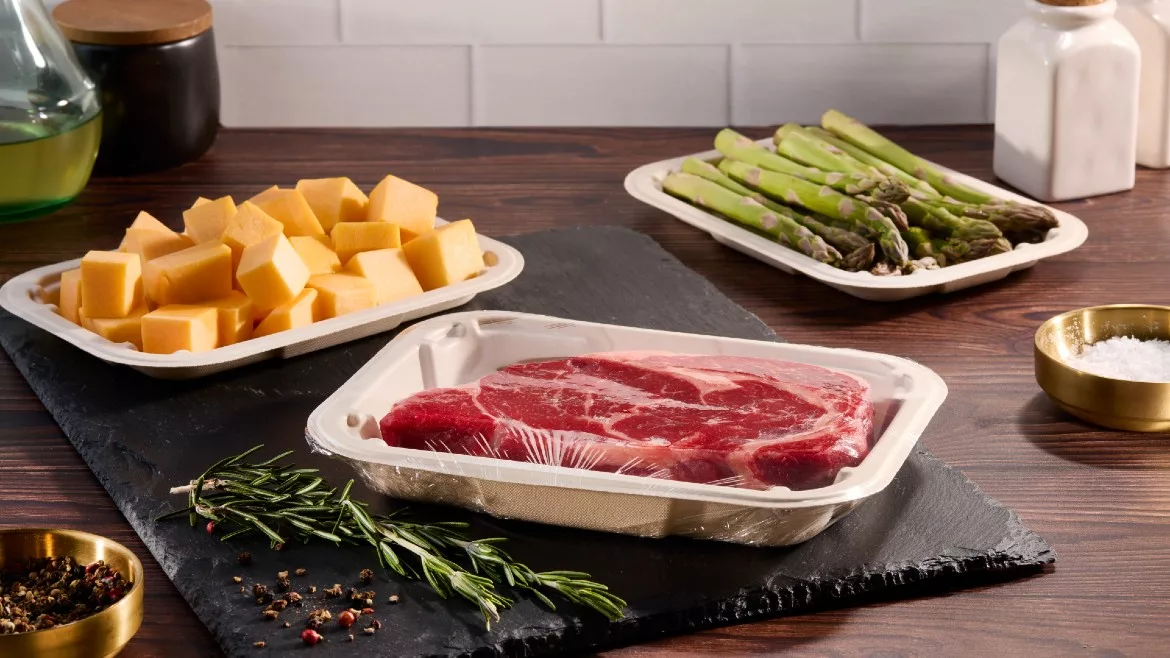
Credit: www.foodengineeringmag.com
Certifications And Standards
Choosing compostable food trays means checking their certifications and standards. These help ensure the trays break down safely and meet environmental rules.
Certifications show that trays follow strict tests for compostability and safety. Understanding these marks helps you pick the right products.
Compostability Labels
Compostability labels prove that trays can break down in compost systems. Look for labels from trusted organizations.
These labels confirm the tray meets tests for time, temperature, and biodegradation.
- OK Compost by TÜV Austria
- Compostable ASTM D6400 (USA)
- EN 13432 (Europe)
- Seedling Logo by European Bioplastics
Safety Certifications
Safety certifications ensure trays are safe for food contact. These tests check for harmful chemicals and migration into food.
Look for certifications from food safety authorities and independent labs.
- FDA Food Contact Compliance
- EU Regulation 1935/2004
- BPA Free Certification
- LFGB (Germany) Food Safety
Industry Compliance
Industry compliance means meeting local or global rules for compostable products. This helps with recycling and waste rules.
Check if trays follow guidelines from waste management and environmental agencies.
- Comply with local composting facility rules
- Meet ASTM or EN standards for compostables
- Follow state or country-specific laws
- Support circular economy practices
Sourcing And Suppliers
Choosing the right compostable food trays starts with good sourcing. Suppliers play a key role in quality and sustainability. Knowing where to get trays helps businesses meet their eco-friendly goals.
Look closely at manufacturers and suppliers to ensure you buy trays that break down safely. This guide covers how to find the best options for your needs.
Reputable Manufacturers
Trustworthy manufacturers produce compostable trays with safe materials. They follow standards to ensure trays compost quickly and do not harm the environment.
- Check if the manufacturer has certifications like ASTM D6400 or EN 13432.
- Review product testing reports and customer feedback.
- Look for companies with a clear commitment to compostability.
Local Vs. Global Suppliers
Deciding between local and global suppliers affects cost, delivery, and environmental impact. Local suppliers may reduce shipping emissions and offer faster service.
| Supplier Type | Advantages | Considerations |
| Local | Lower transport emissions, quicker delivery | May have limited product range |
| Global | More product options, competitive pricing | Longer shipping time, higher carbon footprint |
Sustainability Practices
Good suppliers use sustainable methods from raw material sourcing to packaging. This helps reduce waste and supports eco-friendly goals.
- Use plant-based or recycled raw materials
- Minimize plastic use in packaging
- Support fair labor and ethical business practices
- Offer take-back or recycling programs for used trays
Cost And Budgeting Tips
Choosing compostable food trays can save money and help the environment. It is important to plan your budget carefully.
Understanding cost factors helps you pick trays that fit your needs without overspending.
Comparing Prices
Check prices from different suppliers before buying compostable trays. Prices can vary widely based on materials and brands.
Look at the cost per tray, not just the total price. This helps compare options fairly.
- Compare prices online and in stores
- Consider tray size and quality
- Watch for hidden fees like shipping
Bulk Purchase Benefits
Buying trays in large quantities usually lowers the price per unit. Bulk buying is a smart choice for regular use.
Suppliers often offer discounts or free shipping for big orders. This can reduce overall costs.
- Save money with volume discounts
- Reduce shipping costs on bulk orders
- Keep extra trays for future needs
Long-term Savings
Compostable trays may cost more upfront but save money later. They reduce waste disposal fees and help meet eco-friendly goals.
Using sustainable trays can attract eco-conscious customers. This may increase sales and build your brand.
- Lower waste disposal costs
- Support environmental compliance
- Enhance brand reputation
Practical Usage Tips
Compostable food trays offer an eco-friendly choice for serving food. Using them correctly helps keep food fresh and reduces waste.
Follow simple tips to store, handle, and dispose of these trays properly. This ensures they last longer and break down as expected.
Storage And Handling
Keep compostable trays in a cool, dry place to avoid damage. Avoid stacking trays too high to prevent bending or crushing.
Handle trays gently to keep their shape. Clean hands or gloves help keep trays free from dirt before use.
- Store trays away from moisture and heat
- Do not stack more than 20 trays high
- Handle trays by edges to avoid bending
- Keep trays in original packaging until use
Disposal Methods
Dispose of trays in compost bins if possible. Composting helps break down the trays naturally and reduces landfill waste.
If composting is not available, check local waste rules. Avoid putting trays in regular trash or recycling unless specified.
- Place trays in industrial or home compost bins
- Check with local waste services for compost rules
- Do not mix trays with plastic recycling
- Remove leftover food before disposal
Maximizing Tray Lifespan
Use trays soon after purchase to keep them strong. Avoid exposing trays to very hot or wet conditions before use.
Clean trays gently if reusing. Avoid harsh scrubbing or soaking, which can weaken the material.
- Use trays within a few weeks of buying
- Keep trays dry until ready to use
- Clean trays with soft cloth and mild soap
- Avoid microwaving unless trays are labeled microwave-safe

Credit: www.bioleaderpack.com
Frequently Asked Questions
What Materials Make Compostable Food Trays Eco-friendly?
Compostable food trays are made from plant-based fibers like bagasse, bamboo, or cornstarch. These materials break down naturally, reducing landfill waste and pollution. They are free from harmful chemicals and decompose quickly in composting environments, making them an eco-friendly choice.
How To Identify Truly Compostable Food Trays?
Look for certifications like BPI or ASTM D6400 on packaging. These confirm trays meet compostability standards. Check if trays are free from plastic coatings or additives. Also, verify if local composting facilities accept the trays to ensure proper disposal.
Are Compostable Food Trays Suitable For Hot And Cold Foods?
Yes, most compostable trays handle both hot and cold foods well. They resist moisture and heat without leaking or breaking down prematurely. However, confirm product specifications to ensure suitability for your specific food service needs.
Can Compostable Food Trays Replace Plastic Trays In Food Service?
Absolutely. Compostable trays offer a sustainable alternative to plastic, reducing environmental impact. They provide similar durability and functionality while supporting waste reduction goals. Transitioning helps businesses meet eco-friendly consumer demands and regulations.
Conclusion
Choosing the right compostable food trays helps protect the environment. Focus on materials that break down quickly and safely. Check for certifications to ensure trays are truly compostable. Consider the tray’s strength to hold different foods well. Think about your budget and how many trays you need.
Small steps like this reduce waste and support a cleaner planet. Keep these tips in mind for smarter, greener choices every time.