
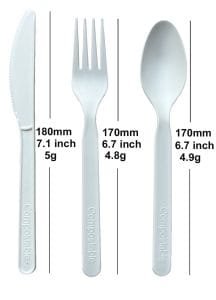
Choosing the right compostable cutlery can feel overwhelming. You want something that’s good for the planet but also strong enough to use without breaking.
What if you pick the wrong kind and end up wasting money or harming the environment? This guide will help you make smart choices that fit your needs and values. By the end, you’ll know exactly what to look for so your cutlery is eco-friendly, reliable, and perfect for your next meal or event.
Keep reading to discover simple tips that make a big difference.
Credit: www.bioleaderpack.com
Benefits Of Compostable Cutlery
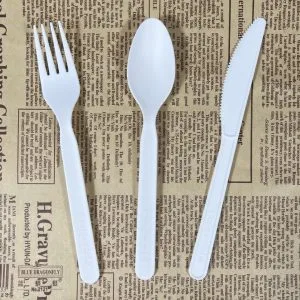
Compostable cutlery is made from natural materials. It offers many benefits for our planet and daily life.
These utensils break down easily and do not harm the environment. Let’s explore the advantages of using compostable cutlery.
Environmental Impact
Compostable cutlery is better for the earth. It reduces the amount of waste in landfills.
These products are made from plants and return to the soil quickly. They help keep the earth healthy and clean.
Reducing Plastic Waste
Plastic waste is a big problem. Compostable cutlery helps reduce this issue.
By choosing compostable options, we use less plastic. This means less pollution in our oceans and on our lands.
- Less plastic in landfills
- Fewer chemicals in nature
- Cleaner beaches and parks
Supporting Sustainable Practices
Using compostable cutlery supports eco-friendly habits. It encourages companies to create more sustainable products.
When we buy these items, we show our care for the planet. It helps create a market for greener choices.
| Benefit | Impact |
| Environmental | Less waste in landfills |
| Plastic Reduction | Decreased pollution |
| Sustainability | Supports green practices |
Credit: www.bioleaderpack.com
Materials Used In Compostable Cutlery
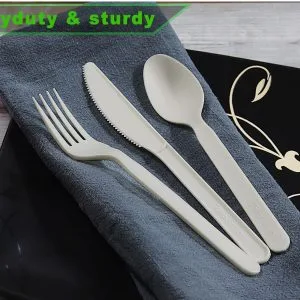
Compostable cutlery is made from materials that break down naturally. These materials help reduce plastic waste.
Understanding the materials used can help you choose the right compostable cutlery for your needs.
Plant-based Plastics
Plant-based plastics come from natural sources like corn or sugarcane. They look and feel like regular plastic.
These plastics break down in compost conditions, leaving no harmful residue behind.
- Made from renewable resources
- Can be clear or colored
- Break down in industrial composting
- Often labeled as PLA (polylactic acid)
Biodegradable Fibers
Biodegradable fibers come from plants like bamboo or wheat straw. They are strong and sturdy.
These fibers compost quickly and add nutrients back to the soil after breaking down.
- Bamboo is fast-growing and sustainable
- Wheat straw uses leftover stalks from farming
- Fibers are molded into cutlery shapes
- They break down naturally in home composts
Other Natural Materials
Some cutlery uses other natural materials like wood or palm leaves. These come from trees or plants.
They offer a natural look and break down easily in compost piles.
- Wooden cutlery is smooth and durable
- Palm leaf cutlery uses fallen leaves
- No chemicals or plastics added
- Suitable for both home and industrial composting
Certifications To Look For
Choosing the right compostable cutlery means checking its certifications. These certifications prove the product breaks down safely.
Certifications help you know the cutlery meets environmental and safety standards. They show that the product is truly compostable.
Compostability Standards
Compostability standards set clear rules for how products break down. These rules ensure items decompose in composting facilities.
Look for standards like ASTM D6400 or EN 13432. These standards confirm the product will compost without harming the environment.
- ASTM D6400:U.S. standard for compostable plastics
- EN 13432:European standard for compostable packaging
- ISO 17088:International standard for compostability
Eco-labels And Seals
Eco-labels show that a product meets certain environmental claims. They make it easier to find trusted compostable cutlery.
Look for labels from recognized organizations. These seals mean the product passed tests for compostability and safety.
- Compostable Logo:Indicates product will break down in compost
- BPI Certified:Verified by the Biodegradable Products Institute
- TUV Austria OK Compost:Certifies industrial compostability
Third-party Testing
Third-party testing means an independent lab checks the product. This testing ensures claims about compostability are true.
Choose products tested by trusted labs. These tests check how fast the cutlery breaks down and if it leaves harmful residue.
- Tests measure biodegradation speed
- Check for toxic substances after composting
- Verify compliance with compostability standards
Durability And Functionality
Choosing compostable cutlery means thinking about how strong and useful it is. The cutlery should last long enough to eat your meal without breaking.
It also needs to work well for different types of food and be safe with hot dishes. This guide helps you pick the best compostable cutlery by looking at key features.
Strength And Usability
Strong cutlery does not bend or break easily. It must hold up while cutting or scooping food.
Good usability means the cutlery feels comfortable to hold and easy to use. Check the shape and size for a good grip.
- Look for thick, sturdy materials
- Choose utensils with smooth edges
- Test if the fork or knife can handle tough foods
- Pick designs that fit well in your hand
Heat Resistance
Compostable cutlery should resist heat without melting or warping. This is important for hot meals and drinks.
Check the temperature limit of the material before buying. Some cutlery can handle warm foods, but not boiling ones.
- Choose cutlery made from heat-safe bioplastics or plant fibers
- Avoid items that become soft above 120°F (49°C)
- Look for labels showing heat resistance ratings
Suitability For Different Foods
Different foods need different types of cutlery. Some materials work better with wet, oily, or dry foods.
Choose cutlery that matches your meal type. For example, knives for cutting meat or spoons for soups.
| Food Type | Recommended Cutlery | Material Notes |
|---|---|---|
| Salads and fruits | Forks and spoons | Lightweight but strong materials |
| Hot soups and stews | Spoons with heat resistance | Materials that do not melt with heat |
| Meat and tough foods | Sharp knives and sturdy forks | Thick, durable compostable plastic |
| Desserts and soft foods | Spoons and small forks | Comfortable size and shape |
Composting Conditions And Compatibility
Choosing compostable cutlery means knowing where and how it breaks down. Different composting setups affect the process.
Cutlery must match the composting conditions to break down fully without harming the environment.
Industrial Vs Home Composting
Industrial composting uses high heat and controlled settings. It breaks down cutlery faster than home composting.
Home composting has lower temperatures and less control. Not all compostable cutlery works well here.
- Industrial composting: 55-60°C heat, fast breakdown
- Home composting: 20-30°C heat, slower process
- Check if cutlery is certified for your compost type
Local Composting Facilities
Local facilities accept certain compostable items. Rules vary by location and facility.
Contact your local facility to learn if compostable cutlery is accepted and what conditions are needed.
- Some accept only industrial compostable products
- Others may reject compostable plastics
- Proper sorting helps facilities process waste correctly
Proper Disposal Methods
Dispose of compostable cutlery in the right bin. This ensures it goes to the right composting system.
Mixing compostable cutlery with regular trash or recycling harms the environment and can cause contamination.
- Use compost bins for industrial or home compostable cutlery
- Do not place compostable cutlery in recycling bins
- Read product labels for disposal instructions
Credit: www.amazon.ca
Cost And Availability
Choosing compostable cutlery depends a lot on price and how easy it is to find. Knowing where to buy and how much to spend helps you decide better.
This guide looks at cost differences and places to buy compostable cutlery. It covers price comparison, buying in bulk, and available sources.
Price Comparison
Compostable cutlery costs more than plastic but prices vary by material. Some types like cornstarch or bamboo are cheaper than others.
Prices also change with quality and brand. Choose cutlery that fits your budget without losing quality.
- Bioplastic cutlery often costs 10-20% more than plastic
- Bamboo cutlery prices depend on finish and size
- Cornstarch cutlery is usually affordable and compostable
Bulk Purchase Options
Buying in bulk lowers the cost per piece. Many suppliers offer discounts for large orders of compostable cutlery.
Bulk buying is best for events or businesses. It also helps reduce packaging waste.
- Look for wholesale suppliers with bulk pricing
- Check minimum order amounts before buying
- Consider storage space for large quantities
Retail And Online Sources
Compostable cutlery is available in stores and online. Local retailers may have limited options but allow quick pickup.
Online shops offer a wider range of products. They often provide detailed descriptions and customer reviews.
- Check eco-friendly stores for local buying
- Use online marketplaces for more variety
- Compare shipping costs and delivery times
Common Misconceptions
Many people confuse compostable cutlery with other types of eco-friendly utensils. This confusion can lead to wrong choices. Understanding the differences helps pick the right product.
Choosing compostable cutlery means knowing how it breaks down and its impact on the environment. Let’s clear up some common myths.
Biodegradable Vs Compostable
Biodegradable means a product can break down by natural processes. Compostable means it breaks down into safe, useful compost.
Not all biodegradable items are compostable. Some may leave harmful residues or take too long to degrade.
- Biodegradable cutlery may break into microplastics.
- Compostable cutlery turns into healthy soil material.
- Look for certified compostable labels to be sure.
Decomposition Timeframes
Compostable cutlery breaks down faster than regular plastic. But the time varies by material and conditions.
Some compostable cutlery needs industrial composting facilities. At home, it may take much longer or not fully decompose.
- Industrial composting: 90 to 180 days
- Home composting: several months to over a year
- Plastic cutlery: hundreds of years
Environmental Trade-offs
Compostable cutlery can reduce plastic waste but has some trade-offs. It may need more energy or resources to produce.
Sometimes, if compostable cutlery ends up in regular trash, it causes more harm. Proper disposal is key to its benefits.
- Uses renewable materials but may need water and energy
- Requires correct composting for full benefit
- May increase methane if composted improperly
Tips For Choosing The Right Cutlery
Choosing compostable cutlery is important for helping the environment. You want cutlery that fits your needs and breaks down easily.
This guide helps you pick the best compostable cutlery by looking at your needs, labels, and samples.
Assessing Your Needs
Think about how you will use the cutlery. Will it be for cold or hot food? Will you use it once or more times?
Consider the size and strength you need. Make sure the cutlery matches your event or daily use.
- Choose cutlery that fits the food temperature
- Pick sizes that match your dishes
- Decide if you need sturdy or light cutlery
Checking Product Labels
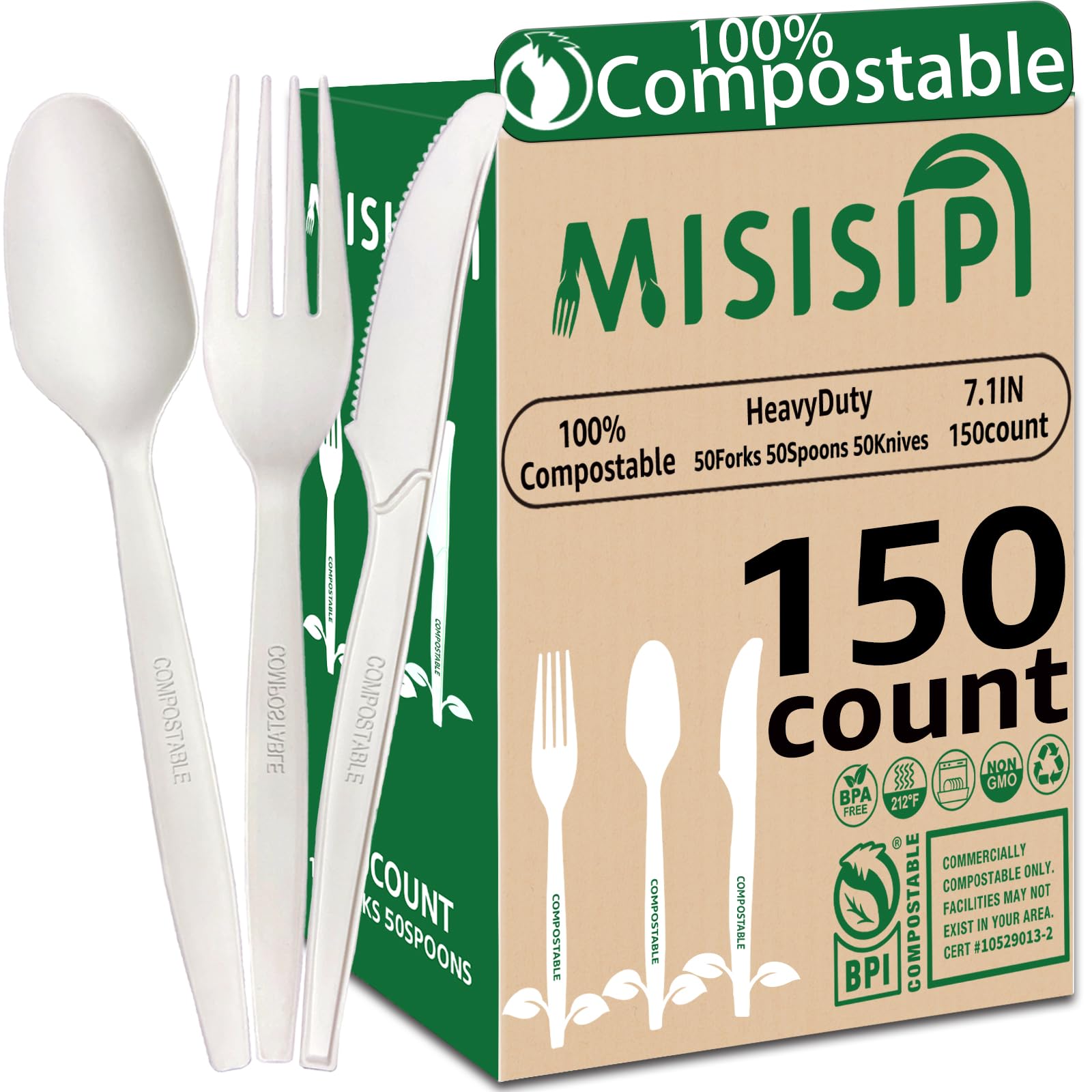
Read product labels carefully to know if the cutlery is truly compostable. Look for certification logos from trusted groups.
Check what materials the cutlery is made of. Some compostable materials break down faster and are safer for the environment.
- Look for certifications like BPI or ASTM D6400
- Check if materials are plant-based or bioplastics
- Avoid cutlery with mixed or unknown plastics
Testing Samples
Try samples before buying in bulk. Test the cutlery with your food to see if it holds well and feels comfortable.
Check if the cutlery breaks or bends easily. Good compostable cutlery should work like regular plastic but break down after use.
- Use samples with hot and cold foods
- Notice how the cutlery feels in hand
- Check for strength and durability
Frequently Asked Questions
What Materials Are Compostable Cutlery Made From?
Compostable cutlery is typically made from plant-based materials like cornstarch, PLA, or bamboo. These materials break down naturally in composting environments without harmful residues.
How Long Does Compostable Cutlery Take To Decompose?
Compostable cutlery usually decomposes within 90 to 180 days in industrial composting facilities. Decomposition time varies depending on material type and composting conditions.
Can Compostable Cutlery Be Used For Hot Foods?
Yes, most compostable cutlery is heat-resistant up to certain temperatures. Always check the product specifications to ensure suitability for hot or cold foods.
Is Compostable Cutlery Safe For Food Contact?
Yes, compostable cutlery is food-safe and made from non-toxic materials. It meets food safety standards and does not leach harmful chemicals.
Conclusion
Choosing the right compostable cutlery helps reduce plastic waste. Check the materials used and their composting time. Pick items that fit your needs and budget well. Always read labels to ensure true compostability. Small changes like this support a healthier planet.
Start making smarter, greener choices today. It’s easier than you think.