
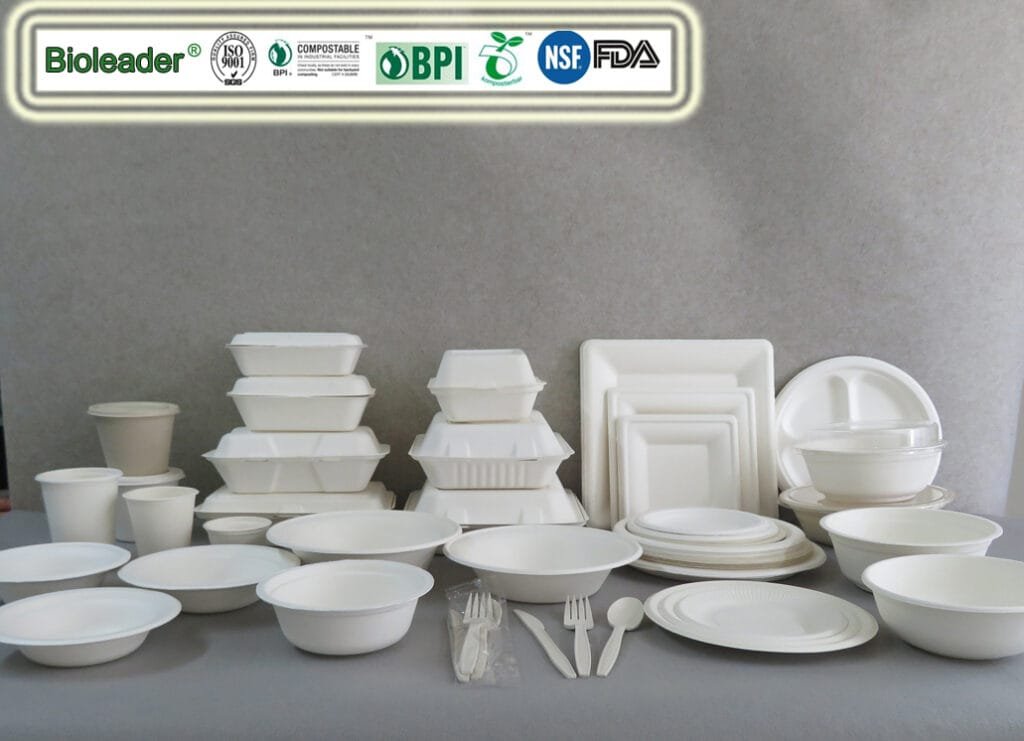
Are you looking for eco-friendly cups and plates but don’t know where to start? Choosing the right compostable options can be confusing.
You want something that’s good for the planet, fits your needs, and won’t break the bank. This guide will help you understand what makes a cup or plate truly compostable and how to pick the best ones for your events or business.
Keep reading to discover simple tips that make a big difference for you and the environment.

Credit: www.kimecopak.ca
Benefits Of Compostable Cups And Plates
Compostable cups and plates are eco-friendly options. They help reduce waste in landfills. Choosing them is a step toward a greener planet.
These items break down naturally. They return to the earth without causing harm. Let’s explore their benefits in detail.
Environmental Impact
Compostable cups and plates decompose quickly. They help reduce landfill waste. This process is cleaner and safer for the environment.
Using these products means less plastic in oceans. This protects marine life and keeps water clean.
- Biodegradable materials break down in months
- Less pollution from waste
- Supports sustainable practices
Health And Safety Advantages
Compostable items are often made from natural materials. They do not contain harmful chemicals. This makes them safer for food contact.
Using these products reduces exposure to toxins. This is important for both consumers and the environment.
- No harmful chemicals like BPA
- Safer for children and adults
- Reduces health risks from plastic
Cost-effectiveness Over Time
Compostable cups and plates may cost more upfront. However, they offer long-term savings. They help reduce waste management costs.
Using eco-friendly products can enhance a brand’s image. This can lead to increased customer loyalty and sales.
- Lower waste management costs
- Improves brand image
- Attracts eco-conscious consumers
Types Of Compostable Materials
Compostable cups and plates come from different materials. These materials break down naturally in compost.
Choosing the right material helps reduce waste and protect the environment.
Plant-based Plastics
Plant-based plastics are made from natural plants like corn or potatoes. They look like regular plastic but break down in compost.
These plastics are also called bioplastics. They are safe for food and help reduce plastic pollution.
- Made from renewable plant materials
- Break down in industrial composting
- Used for cups, lids, and cutlery
Bagasse And Sugarcane Fiber
Bagasse is the leftover fiber from sugarcane after juice is extracted. It is strong and heat resistant.
Many compostable plates and bowls use bagasse. It works well for hot or cold food.
- Made from sugarcane waste
- Biodegradable and compostable
- Good for plates, bowls, and trays
Bamboo And Palm Leaves
Bamboo and palm leaves are natural materials that grow fast. They are strong and eco-friendly.
Products made from bamboo or palm leaves break down easily in compost. They add a natural look to tableware.
- Bamboo is a fast-growing grass
- Palm leaves are collected after falling
- Used for plates, bowls, and trays
Certifications To Look For
Choosing compostable cups and plates means checking their certifications. These labels show if the products meet environmental and safety rules.
Certifications help you find items that break down safely and do not harm people or nature.
Compostability Standards
Compostability standards tell you if a product can turn into compost in a certain time. These rules are made by official groups.
Look for certifications that meet local or international composting rules. This ensures the product will break down properly.
- ASTM D6400: For compostable plastics in the USA
- EN 13432: European standard for compostable packaging
- OK Compost: European certification for industrial composting
- AS 4736: Australian standard for compostable plastics
Biodegradability Labels
Biodegradability labels show if a product breaks down into natural parts. This is different from composting but also important.
These labels confirm the product will not leave harmful waste behind after use.
- OK Biodegradable Soil: Breaks down in soil environments
- OK Biodegradable Water: Breaks down in water safely
- Seedling Logo: European mark for biodegradability and compostability
Food Safety Certifications
Food safety certifications show that cups and plates are safe for eating and drinking. They do not release harmful chemicals.
Check for these marks to ensure your health and that of your customers.
- FDA Approved: Safe for food contact in the USA
- LFGB Certified: German food safety standard
- EU Regulation 10/2011: European rules for food contact materials
Key Features To Consider
Choosing the right compostable cups and plates is important for both use and the environment. You want products that work well and break down naturally.
Look closely at features like strength, heat resistance, and leak prevention. These help you pick the best items for your needs.
Durability And Strength
Compostable cups and plates should be strong enough to hold food and drinks without breaking. They need to support the weight and stay intact during use.
Check the material thickness and design. Thicker materials usually last longer and resist bending or cracking.
- Look for sturdy materials like bagasse, PLA, or molded fiber
- Test how much weight the cup or plate can hold
- Choose items with reinforced edges for extra strength
Heat Resistance
Heat resistance matters for hot drinks and foods. Compostable items should not melt or warp when used with warm or hot contents.
Look for cups and plates tested to handle typical serving temperatures. This prevents spills and discomfort.
- Choose products that can handle at least 120°F (49°C)
- Check if the items are microwave safe if needed
- Avoid thin materials that soften under heat
Leak-proof Qualities
Leak-proof cups and plates stop liquids from spilling. This keeps your space clean and makes it easy to carry food or drinks.
Look for tight seals and thick walls. Some cups have special coatings that block leaks while still composting well.
- Check for leak-resistant lids on cups
- Choose plates with raised edges to hold sauces
- Test items with liquids before buying large amounts
Sizing And Design Options
Selecting compostable cups and plates means thinking about size and design. These choices affect how well they fit your needs.
Proper sizing ensures the right portion for food and drinks. Design options help match your style and usability needs.
Cup Sizes For Different Beverages
Cups come in many sizes to hold different drinks. Choosing the right size avoids spills and waste.
Small cups suit espresso or small juices. Medium sizes fit coffee or soda. Large cups are good for iced drinks or smoothies.
- 4 oz – espresso shots or small samples
- 8 oz – coffee, tea, or juice
- 12 oz – regular coffee or soft drinks
- 16 oz – iced coffee, smoothies, or large drinks
- 20 oz and above – extra large beverages
Plate Shapes And Capacities
Plates come in round, square, or rectangular shapes. Pick shapes that fit the type of food you serve.
Capacities range from small appetizer plates to large dinner plates. Size matters to hold enough food without waste.
| Plate Shape | Typical Capacity | Best Use |
|---|---|---|
| Round | 7-10 inches | Main courses, salads |
| Square | 6-9 inches | Snacks, appetizers |
| Rectangular | 8-12 inches | Sandwiches, desserts |
Custom Branding Possibilities
Adding your logo or design makes your cups and plates unique. Branding helps customers recognize your business.
Print options include full color, simple logos, or patterns. Choose designs that fit your brand style and budget.
- Single-color logos for simple branding
- Full-color prints for vibrant designs
- Patterns or messages to promote events
- Eco-friendly inks to keep products compostable
Sourcing And Supplier Tips
Choosing compostable cups and plates is important for the environment. Finding the right supplier makes the process easier and reliable.
Good sourcing helps you get quality products at fair prices. It also supports your business goals for sustainability.
Reliable Vendor Criteria
Look for vendors with a proven track record. They should have good reviews and provide samples before you buy.
Check if the vendor offers clear product information. This includes materials used and certifications for compostability.
- Positive customer feedback
- Sample availability
- Clear product details and certifications
- Responsive customer service
Comparing Prices And Moq
Compare prices from different suppliers to find the best deal. Watch for hidden costs like shipping or taxes.
MOQ means minimum order quantity. Choose suppliers with MOQs that fit your budget and storage space.
- Check base price per unit
- Ask about shipping fees
- Know the minimum order size
- Look for discounts on bulk orders
Sustainability Practices Of Suppliers
Choose suppliers that follow strong sustainability practices. This helps ensure products are truly eco-friendly.
Ask about their production methods and waste management. Look for suppliers who use renewable energy or recycled materials.
- Use of certified compostable materials
- Energy-efficient manufacturing
- Waste reduction programs
- Transparency in sustainability claims
Proper Disposal And Composting
Choosing compostable cups and plates helps reduce waste. Proper disposal is important to make sure they break down correctly.
Composting these items needs care. Understanding how to compost them helps protect the environment.
Composting Facilities Availability
Not all areas have composting facilities that accept compostable cups and plates. Check local rules before disposal.
Industrial composting can handle certain items better than home composting. Look for facilities that take these products.
- Contact local waste services to find nearby composting centers
- Ask if they accept compostable cups and plates
- Separate compostables from regular trash and recycling
Home Composting Feasibility
Some compostable cups and plates can break down in home compost bins. Check product labels to be sure.
Home composting may take longer. Items need enough heat, moisture, and time to decompose fully.
- Look for products labeled suitable for home composting
- Cut large items into smaller pieces
- Mix with green and brown compost materials
Avoiding Contamination
Keep compostable cups and plates free from food waste or plastic contamination. Contamination stops proper composting.
Do not mix compostables with non-compostable plastics. This makes sorting and composting harder.
- Rinse cups and plates before composting
- Do not include plastic lids or straws
- Use clear bins to separate compostables from trash
Credit: greenprintproducts.com

Credit: www.anzhucraft.com
Frequently Asked Questions
What Are Compostable Cups And Plates Made Of?
Compostable cups and plates are made from plant-based materials like corn starch, sugarcane fiber, or bamboo. These materials break down naturally in composting environments without leaving harmful residues, making them eco-friendly alternatives to plastic or Styrofoam.
How To Identify Truly Compostable Cups And Plates?
Look for certifications like ASTM D6400 or EN 13432 on packaging. These labels ensure the products meet strict compostability standards. Also, check if the manufacturer provides clear composting instructions for proper disposal.
Can Compostable Cups And Plates Be Used For Hot Beverages?
Yes, many compostable cups and plates are designed to withstand hot liquids. However, always verify the temperature limits specified by the manufacturer to ensure safety and maintain product integrity during use.
Are Compostable Cups And Plates Biodegradable?
Yes, compostable cups and plates are biodegradable. They break down into natural elements under composting conditions within a few months, unlike conventional plastics which can take hundreds of years to degrade.
Conclusion
Choosing the right compostable cups and plates helps protect the planet. Check materials and certifications before buying. Think about how you will dispose of them properly. Select products that break down quickly and safely. This supports waste reduction and keeps the environment clean.
Small steps like these make a big difference. Start choosing compostable options for your next event or meal. It’s an easy way to help nature and reduce pollution. Every choice counts toward a greener future.