
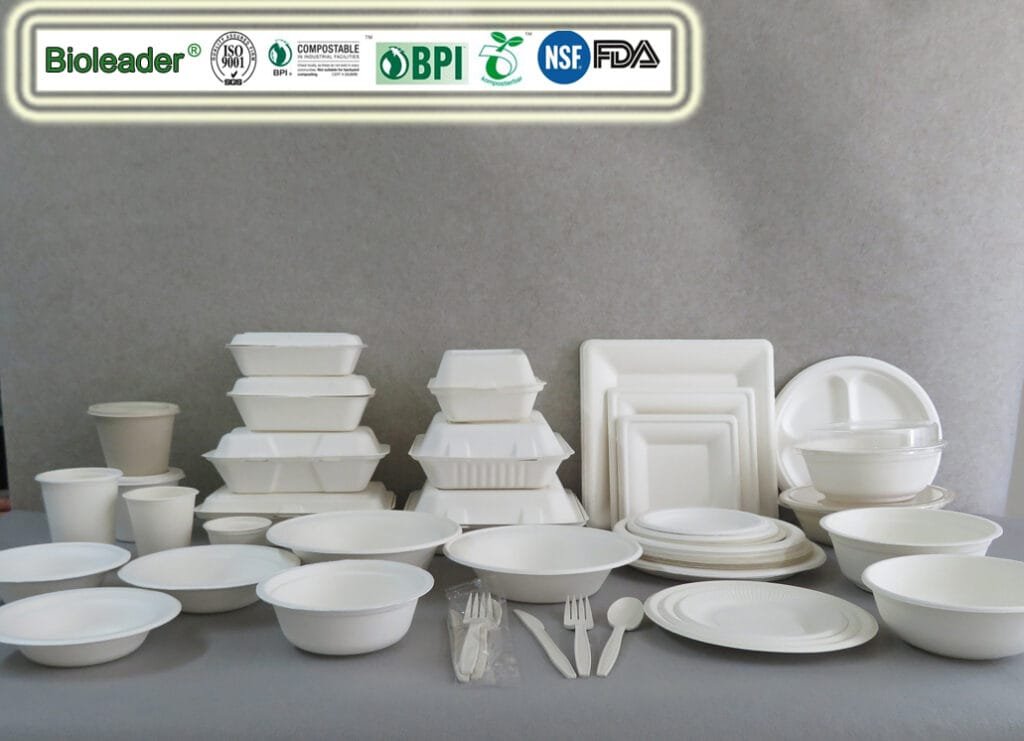
Are you looking for the best compostable cups and plates but don’t know where to start? Choosing the right eco-friendly tableware can feel overwhelming with so many options out there.
You want something that’s good for the planet, fits your budget, and works well for your needs. This guide will help you make smart choices quickly and confidently. Keep reading to discover simple tips that will save you time, money, and stress—while making a positive impact on the environment.
Your perfect compostable cups and plates are just a few steps away.
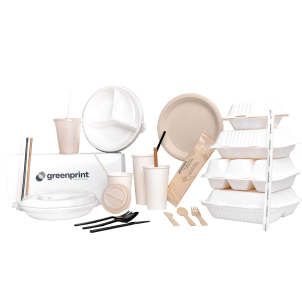
Credit: greenprintproducts.com
Benefits Of Compostable Cups And Plates
Compostable cups and plates are eco-friendly options for everyday use. They help reduce environmental harm.
These products are made from natural materials. They break down easily and are safer for the planet.
Reducing Plastic Waste
Plastic waste is a big problem for our world. Compostable cups and plates help by reducing this waste.
These items decompose faster than plastic. This means less trash in oceans and landfills.
- Compostable items break down in months
- Plastic can take hundreds of years to decompose
- Less plastic means cleaner oceans and rivers
Supporting Sustainable Practices
Using compostable products supports sustainable practices. It encourages the use of renewable materials.
These products are often made from plants. This reduces dependence on fossil fuels.
- Renewable resources are used
- Less oil is needed for production
- Supports eco-friendly businesses
Impact On Landfills And Environment
Compostable cups and plates have a positive impact on landfills. They decompose quickly and safely.
This leads to less space taken up in landfills. It also reduces methane emissions, which harm the environment.
- Decomposes without harmful chemicals
- Reduces landfill space needed
- Less methane gas released into the air
Materials Used In Compostable Tableware
Compostable cups and plates break down naturally. They come from materials that return to the earth quickly.
Choosing the right material helps reduce waste and protect the environment. Different materials suit different uses.
Plant-based Fibers
Plant-based fibers come from natural plants like trees, grasses, and crops. These fibers are renewable and break down fast.
Common fibers include bamboo, sugarcane bagasse, and wheat straw. They make sturdy cups and plates without plastic.
- Bamboo grows quickly and is strong.
- Sugarcane bagasse is a leftover fiber after juice is extracted.
- Wheat straw is a byproduct of farming wheat.
Biodegradable Plastics
Biodegradable plastics come from plant sugars and oils. They look like plastic but break down with help from microbes.
Common types include PLA (polylactic acid) and PHA (polyhydroxyalkanoates). These plastics compost in industrial facilities.
- PLA is made from fermented plant starch like corn.
- PHA is produced by bacteria that digest plant oils.
- Both break down faster than regular plastics.
Other Eco-friendly Components
Some compostable tableware uses natural additives to improve strength. These include minerals and natural waxes.
Some products also use water-based inks for printing. These inks do not harm the compost process.
- Natural mineral fillers add firmness.
- Plant-based waxes help resist moisture.
- Water-based inks reduce pollution during composting.
Certifications To Look For
Choosing compostable cups and plates means checking their certifications. These labels show if the products are safe and eco-friendly.
Understanding these certifications helps you pick the right items for your needs and the environment.
Compostability Standards
Compostability standards prove if cups and plates break down in compost. Look for official marks from trusted organizations.
- ASTM D6400: For products compostable in industrial facilities
- EN 13432: European standard for compostable packaging
- OK Compost: Certifies products compostable in home or industrial settings
Food Safety Labels
Food safety labels show if cups and plates are safe for food contact. These certifications ensure no harmful chemicals leak into food.
- FDA Approval: Indicates products meet US food safety rules
- LFGB Certification: German test for food contact safety
- EU Food Contact: Compliance with European food safety laws
Environmental Seals
Environmental seals show the product’s impact on nature. These marks help find items made with care for the planet.
- Green Seal: Certifies products meet strict environmental standards
- USDA BioPreferred: Shows products made from renewable resources
- Cradle to Cradle: Focuses on safe, circular production
Choosing Based On Usage Needs
Choosing compostable cups and plates depends on what you need them for. Think about the type of food or drink you will serve.
Different uses need different materials and sizes. This helps reduce waste and keeps things practical.
Hot Vs Cold Beverages
Compostable cups come in types made for hot or cold drinks. Hot cups often have extra insulation to keep drinks warm.
Cold drink cups usually have a thinner design and may include lids for ice and condensation. Choose cups that fit the drink temperature.
- Hot beverage cups resist heat and prevent leaks
- Cold beverage cups allow airflow to reduce sweating
- Some cups are designed for both, but check product details
Durability And Strength
Look at the strength of the cups and plates. Strong products hold food or drinks without bending or breaking.
Durable compostable items work well for heavy or wet foods. Weak ones may leak or collapse during use.
- Choose thicker materials for heavy or saucy foods
- Lightweight options suit dry or light items
- Test products if possible before buying in bulk
Size And Portion Options
Compostable cups and plates come in many sizes. Pick sizes that match your servings to avoid waste.
Small cups fit shots or small drinks. Larger sizes are good for full meals or big drinks.
- Small (4-6 oz) for small drinks or samples
- Medium (8-12 oz) for standard drinks or snacks
- Large (16 oz or more) for meals or big beverages
Proper Disposal And Composting Tips
Choosing compostable cups and plates helps reduce waste. Proper disposal makes sure they break down correctly.
Follow simple tips to compost these items at home or with local services. Avoid mistakes that harm compost quality.
Home Composting Guidelines
Home composting can break down some compostable cups and plates. Check if the products say they are home compostable.
Cut items into small pieces to speed up composting. Add them to your compost bin with food scraps and yard waste.
- Use a balanced mix of green and brown materials
- Keep compost moist but not too wet
- Turn the compost regularly for air
- Avoid adding thick or coated products that don’t break down
Commercial Composting Facilities
Many compostable cups and plates need commercial composting. These facilities use high heat and special conditions.
Check if your local facility accepts compostable foodware. Drop off items or use compost bins provided at events.
- Look for the facility’s approved product list
- Keep items clean and free from food residue
- Separate compostable items from regular trash
- Ask about pick-up services if available
Avoiding Contamination
Contamination can stop composting. Non-compostable trash mixed with compost slows down the process.
Make sure to only compost approved cups and plates. Rinse off food leftovers to avoid pests and odors.
- Do not add plastic or coated paper products
- Separate compostable items from recyclables and landfill trash
- Educate users about what is compostable
- Use clear labels on compost bins

Credit: www.anzhucraft.com
Cost Considerations And Budgeting
Selecting compostable cups and plates requires careful budgeting. You want to balance quality with cost.
Understanding costs helps you buy the right products without overspending.
Comparing Prices
Look at prices from different suppliers. Prices can vary based on material and brand.
Check if prices include taxes and shipping fees to avoid surprises.
- Compare unit prices to see which is cheaper
- Check for any extra costs like delivery fees
- Ask about discounts for repeat orders
Long-term Savings
Buying compostable cups and plates can save money over time. They reduce waste disposal costs.
Choose durable products that hold up well to avoid buying more often.
- Lower waste fees can reduce your monthly expenses
- Good quality means fewer replacements
- Environmentally friendly items may qualify for tax breaks
Bulk Purchase Benefits
Buying in bulk usually lowers the price per item. It helps you stay within budget.
Make sure you have storage space to keep bulk items fresh and safe.
- Bulk orders reduce shipping costs
- Suppliers often give discounts for large orders
- Planning purchases ahead avoids last-minute buying
Popular Brands And Products
Choosing compostable cups and plates helps reduce plastic waste. Many brands offer eco-friendly options made from plants.
These products break down naturally and are safer for the environment. Here are some popular brands and products to consider.
Top Rated Compostable Cups
Compostable cups come in many styles, including hot and cold drink options. Look for cups made from plant fibers or PLA.
- Biodegradable and sturdy for hot beverages
- Clear cups made from compostable plastic alternatives
- Certified products that meet composting standards
Popular brands include Eco-Products, World Centric, and GreenWave. They offer different sizes and types for various needs.
Best Compostable Plates
Compostable plates come in many materials like bagasse, palm leaves, and bamboo. They are strong and hold food well.
- Bagasse plates made from sugarcane fibers
- Palm leaf plates with natural texture and durability
- Bamboo plates that are lightweight and reusable
Brands such as Repurpose, GreenGood, and VerTerra offer top-quality compostable plates. These plates fit casual and formal events.
Where To Buy
Compostable cups and plates are available in many stores and online shops. Choose places that specialize in eco-friendly products.
- Eco supply stores
- Online marketplaces like Amazon and Etsy
- Wholesale distributors for large orders
- Local health food stores with green products
Check product labels for compostability certifications. This ensures the items break down safely in compost systems.

Credit: www.kimecopak.ca
Frequently Asked Questions
What Materials Are Best For Compostable Cups And Plates?
Look for cups and plates made from PLA, bagasse, or cornstarch. These materials break down easily in composting conditions, reducing landfill waste and environmental impact.
How Do I Verify If Cups And Plates Are Truly Compostable?
Check for certifications like ASTM D6400 or EN 13432 on packaging. These labels confirm that products meet compostability standards and will break down properly.
Are Compostable Cups And Plates Microwave Safe?
Most compostable products are microwave safe but check packaging. Some materials may warp or melt, so always follow manufacturer guidelines for safe use.
Can I Compost Compostable Cups And Plates At Home?
Home composting is possible if products are labeled as home compostable. Otherwise, industrial composting facilities are required for proper breakdown of most items.
Conclusion
Choosing the right compostable cups and plates helps protect our planet. Check labels to ensure materials break down easily. Pick items that fit your needs and event size. Avoid plastic-lined options that harm the environment. Remember, small choices add up to big change.
Use compostable products to reduce waste and pollution. Everyone can make a difference by choosing wisely. Start today for a cleaner, greener tomorrow.