
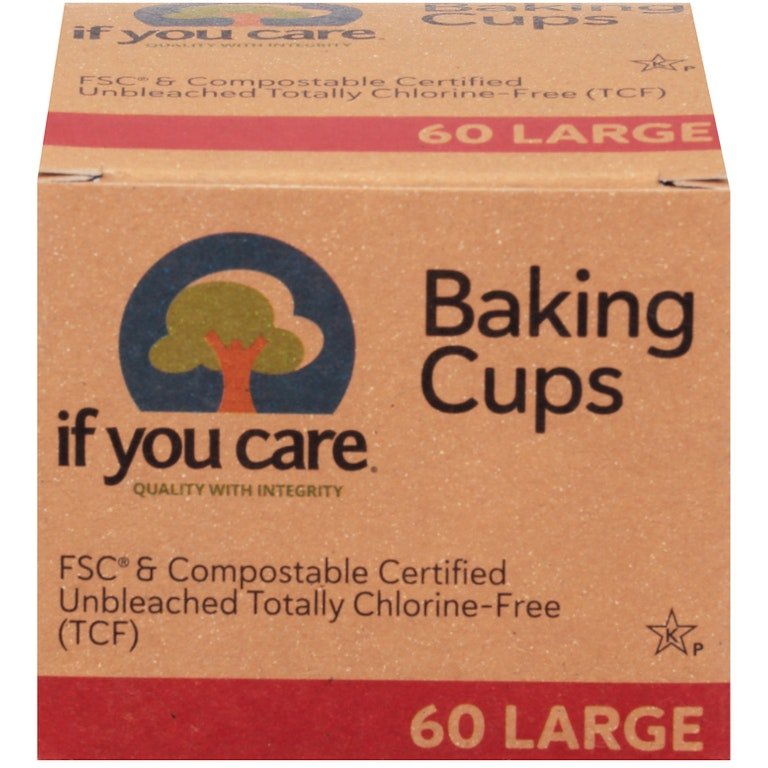
Choosing the right compostable baking cups can make a big difference in your baking and your impact on the environment. But with so many options out there, how do you know which ones truly work for you?
You want cups that hold up well, look great, and break down naturally without leaving waste behind. In this guide, you’ll discover simple tips to pick the best compostable baking cups that fit your baking style and values. Keep reading, and you’ll never have to worry about harmful packaging again.
Benefits Of Compostable Baking Cups
Compostable baking cups offer many advantages over plastic or foil cups. They help reduce waste and protect the environment.
Using these cups supports healthier baking and can save money in the long run.
Environmental Impact
Compostable baking cups break down naturally in compost piles. They do not add harmful plastics to landfills or oceans.
- Reduce plastic pollution
- Help lower greenhouse gas emissions
- Support soil health by adding organic matter
- Decrease landfill waste volume
Health And Safety
These cups are made from natural materials that are free from harmful chemicals. They are safer for you and your family.
| Feature | Benefit |
| Natural fibers | No toxic chemicals |
| Breathable material | Better baking results |
| Non-toxic inks | Safe for food contact |
Cost Considerations
Compostable baking cups may cost a little more upfront. But they help save money by reducing waste disposal fees.
- Lower landfill and trash costs
- Reduce need for plastic alternatives
- Support sustainable brands with fair pricing

Credit: www.ecolifebox.com.au
Materials Used In Compostable Cups
Compostable baking cups use special materials that break down naturally. These materials help reduce waste and protect the environment.
Understanding what these cups are made of can help you pick the best ones for your baking needs.
Plant-based Fibers
Plant-based fibers come from natural sources like trees, bamboo, or sugarcane. These fibers form the main structure of compostable cups.
They are strong enough to hold batter and safe for baking. Using plant fibers means the cups will break down easily in compost.
- Common fibers include paper, bamboo, and bagasse (sugarcane fiber)
- They are renewable and come from plants that grow quickly
- These fibers do not leave harmful residues when composted
Biodegradable Coatings
Coatings protect baking cups from grease and moisture. Compostable cups use biodegradable coatings that break down with the cup.
These coatings are made from natural materials that are safe for composting and do not harm the soil.
- Common coatings include PLA (polylactic acid) from corn starch
- Some cups use water-based or plant-based wax coatings
- These coatings help keep cups sturdy during baking
Certifications To Look For
Certifications show that baking cups meet compostable standards. They prove the cups will break down safely and quickly.
Look for trusted labels to make sure your cups are truly compostable.
- OK Compost HOME and INDUSTRIAL
- Compostable certification from BPI (Biodegradable Products Institute)
- ASTM D6400 or EN 13432 standards
Size And Shape Options
Choosing the right size and shape of compostable baking cups is important. It helps your baked goods look good and bake evenly.
There are many options available. You can find sizes and shapes for different types of baking needs.
Standard Sizes
Standard sizes fit most baking needs. They work well for cupcakes, muffins, and other treats.
Common sizes include small, medium, and large. Each size holds a different amount of batter.
- Small: perfect for mini cupcakes
- Medium: fits regular cupcakes and muffins
- Large: good for jumbo cupcakes and muffins
Specialty Shapes
Specialty shapes add variety to your baked goods. They come in forms like hearts, flowers, or stars.
These shapes can make your treats stand out. They are great for parties or special occasions.
- Heart-shaped cups for Valentine’s Day
- Flower-shaped cups for spring events
- Star-shaped cups for celebrations
Compatibility With Bakeware
Make sure the baking cups fit your bakeware well. Size and shape should match your muffin tins or trays.
Using the right fit helps your baked goods hold their shape. It also prevents spills and uneven baking.
- Check the diameter and height of your bakeware cups
- Choose cups that fit snugly without extra space
- Test a few cups before baking large batches
Credit: www.gianteagle.com
Performance In Baking
Choosing the right compostable baking cups affects how well your baked goods turn out. Good performance means the cups can handle heat, keep moisture out, and release the baked items easily.
This guide covers key factors to help you pick baking cups that work best for your needs in the kitchen.
Heat Resistance
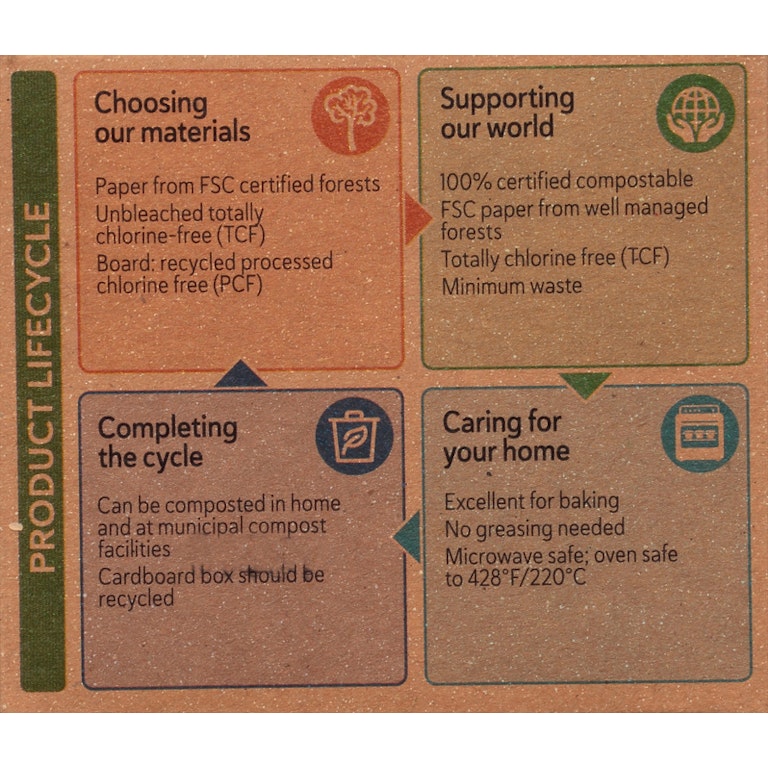
Compostable baking cups must resist oven heat without burning or melting. Look for cups made from materials that can handle temperatures up to 400°F (204°C). This ensures even baking and keeps the shape intact.
Grease And Moisture Barrier
Good baking cups block grease and moisture from leaking through. This keeps your oven clean and stops your baked goods from getting soggy or falling apart. Choose cups with a natural grease-resistant layer.
- Prevents grease stains on baking trays
- Keeps moisture inside for soft texture
- Stops sogginess that can spoil taste
- Maintains cup shape during baking
Non-stick Properties
| Feature | Benefit |
|---|---|
| Natural non-stick coating | Easy release of cupcakes and muffins |
| Wax or silicone lining | Prevents sticking without chemicals |
| Textured surface | Improves airflow and baking evenness |
Non-stick cups reduce waste from broken treats and make cleanup fast. Always check if the baking cups have a natural or safe non-stick layer.
Where To Buy Compostable Baking Cups
Compostable baking cups are a great choice for eco-friendly baking. Finding the right place to buy them is important. You want cups that break down easily and are safe for the environment.
This guide shows you where to find compostable baking cups. You can buy them online, in local stores, or from wholesale suppliers.
Online Retailers
Online stores offer a wide variety of compostable baking cups. You can compare different brands and prices. Shipping options make it easy to get the cups delivered to your door.
Look for websites specializing in eco-friendly products. Some online shops also let you read reviews from other buyers. This helps you choose good quality cups.
- Large selection of sizes and styles
- Easy to order and reorder
- Access to customer reviews
- Delivery to your home
Local Eco Stores
Local eco stores often stock compostable baking cups. These shops focus on sustainable and green products. Visiting a store lets you see the cups before buying.
You can ask store staff about the materials used. Local stores support the community and reduce shipping waste. They might also offer reusable baking supplies.
- Support local businesses
- See and feel the product before purchase
- Ask questions about compostability
- Reduce packaging waste
Wholesale Suppliers
Wholesale suppliers sell compostable baking cups in bulk. This option is good for bakeries and large events. Buying wholesale lowers the cost per cup.
Many suppliers require a minimum order. You can find wholesalers online or through trade shows. Make sure they offer certified compostable products.
- Buy large quantities at lower prices
- Suitable for businesses and big orders
- Check for compostability certifications
- May require minimum order amounts
Tips For Proper Composting
Choosing compostable baking cups is good for the environment. Proper composting helps them break down safely.
Knowing how to compost these cups correctly saves space in landfills. It also helps create healthy soil.
Home Composting
Home composting can break down some baking cups. Use cups labeled as suitable for home composting.
Keep your compost pile warm and moist. Turn it often to add air and speed up decomposition.
- Check if cups say “home compostable”
- Keep compost moist but not wet
- Turn compost regularly for air
- Cut baking cups into smaller pieces
- Avoid adding too many at once
Commercial Composting Facilities
Many baking cups break down faster in commercial composting. These facilities use higher heat and special machines.
Look for cups labeled as “commercially compostable.” They meet rules for these facilities.
- Confirm local facility accepts compostable cups
- Use cups certified for commercial composting
- Do not add plastic-lined cups
- Rinse cups if needed before composting
Avoiding Contamination
Contamination stops proper composting. Avoid mixing baking cups with non-compostable trash.
Remove leftover food or grease from cups. Dirty cups may slow decomposition or cause odors.
- Only compost cups made from compostable materials
- Do not compost plastic or foil-lined cups
- Clean cups to reduce food waste
- Separate compostable cups from recyclables

Credit: ifyoucare.com
Frequently Asked Questions
What Are Compostable Baking Cups Made Of?
Compostable baking cups are typically made from natural, plant-based materials like unbleached paper or bamboo. These materials break down easily in a composting environment. They are free from harmful chemicals and provide an eco-friendly alternative to traditional baking cups. They ensure your baking remains sustainable and environmentally conscious.
Are Compostable Baking Cups Safe For Baking?
Yes, compostable baking cups are safe for baking. They are designed to withstand typical baking temperatures. These cups are made with food-safe materials that don’t release harmful chemicals. They provide a non-stick surface for your baked goods. Always check the packaging for specific temperature guidelines.
How To Dispose Of Compostable Baking Cups?
To dispose of compostable baking cups, place them in your compost bin. They will break down naturally over time. Ensure they are free from food residues before composting. Avoid throwing them in regular trash as they won’t decompose properly. They help reduce waste when composted correctly.
Do Compostable Baking Cups Affect Food Taste?
No, compostable baking cups do not affect food taste. They are made from natural materials that don’t release flavors. These cups maintain the integrity of your baked goods. They provide an odorless and taste-neutral barrier. Enjoy the same great taste with added eco-friendliness.
Conclusion
Choosing the right compostable baking cups helps reduce waste and protect the earth. Check the material for true compostability. Consider size and shape for your baking needs. Look for cups that hold up well in the oven. Keep your budget and environmental impact in mind.
Small steps like this make a big difference. Enjoy baking with products that care for nature. Your choices matter for a cleaner, greener future.