
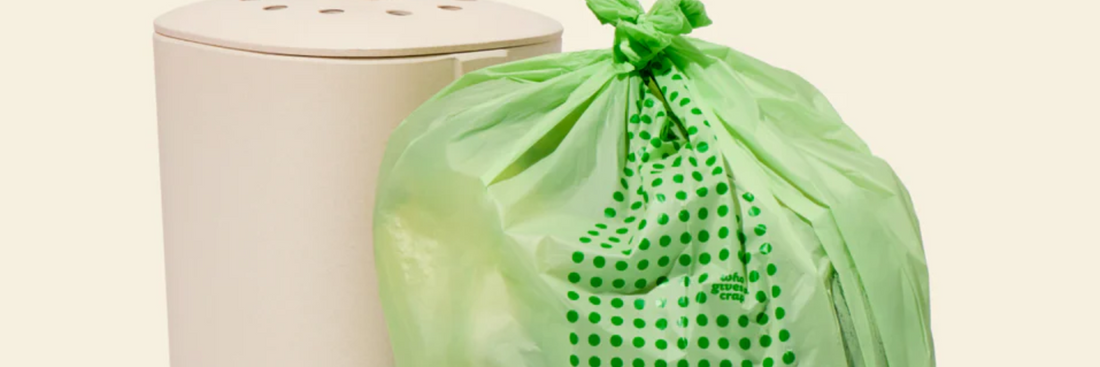
Are you tired of tossing regular trash bags into the bin, knowing they’ll take years to break down? Choosing the right biodegradable trash bags can make a big difference for your home and the planet.
But with so many options out there, how do you find the best one that fits your needs without breaking the bank? You’ll discover simple tips to select biodegradable trash bags that are strong, eco-friendly, and affordable. Keep reading to make a smart choice that benefits both your household and the environment.
Benefits Of Biodegradable Trash Bags
Biodegradable trash bags break down naturally. They are better for our planet than regular plastic bags.
These bags help reduce pollution and keep the environment cleaner. They are a great choice for eco-friendly living.
Environmental Impact
Biodegradable bags decompose faster than regular bags. This reduces waste in landfills and oceans.
Using these bags helps cut down on harmful plastic waste. It supports a healthier planet.
- Less plastic pollution
- Faster breakdown time
- Reduced landfill waste
Health And Safety Advantages
Biodegradable bags are safer for wildlife. Animals are less likely to ingest them.
They contain fewer chemicals, making them safer for humans and pets.
- Safer for animals
- Fewer harmful chemicals
- Better for human health
Cost Effectiveness Over Time
Biodegradable bags may cost more upfront. But they offer savings in environmental and health costs.
Over time, their benefits outweigh the initial price. They help save on waste management costs.
| Initial Cost | Higher |
| Long-term Savings | Significant |
| Environmental Benefits | High |
Types Of Biodegradable Materials
Biodegradable trash bags break down naturally in the environment. Different materials can make these bags biodegradable.
Knowing the types helps you pick the right trash bag for your needs.
Plant-based Polymers
Plant-based polymers come from natural plants like corn or sugarcane. These materials turn into compost over time.
They are safe for soil and break down faster than regular plastic.
- Made from renewable resources
- Decompose in compost conditions
- Reduce fossil fuel use
Compostable Plastics
Compostable plastics break down with help from heat, moisture, and microbes. They often come from plant materials.
These plastics turn into harmless substances in industrial compost bins.
- Certified to break down in compost sites
- Leave no toxic residue
- Must be disposed of in compost facilities
Oxobiodegradable Options
Oxobiodegradable bags use additives to help plastic break down faster. Sunlight and oxygen start the process.
These bags fragment into smaller pieces before fully decomposing.
- Made from traditional plastic with additives
- Break down faster in sunlight and air
- May leave microplastics behind
Key Features To Consider
Choosing the right biodegradable trash bags can help reduce plastic waste. It is important to know what features matter most.
Look for bags that balance strength, speed of breakdown, and composting fit. These details make a big difference.
Strength And Durability
Trash bags must hold waste without breaking. Good strength means fewer leaks and tears.
Check if the bag can handle sharp or heavy items. This keeps your trash contained and clean.
- Look for puncture resistance
- Check tear strength
- Choose bags thick enough for your needs
Decomposition Time
Biodegradable bags break down after use. The time it takes varies by material and conditions.
Shorter decomposition means less waste in landfills. Make sure the time matches your disposal habits.
- Check if the bag breaks down in months or years
- Know if it needs specific conditions like heat or moisture
- Faster breakdown is better for the environment
Compatibility With Composting Systems
Some biodegradable bags work well in compost systems. Others do not fully break down there.
Choose bags that fit your composting setup. This prevents plastic bits from harming compost quality.
- Look for bags labeled compostable
- Check if they meet local composting rules
- Verify if bags are safe for home or industrial compost
Certifications And Labels To Look For
Choosing biodegradable trash bags means checking their certifications. These labels show if the bags break down safely.
Certifications help you avoid plastic bags that just say “biodegradable” without proof.
Astm Standards
ASTM International sets rules for testing biodegradable products in the U.S. These rules ensure bags break down in specific conditions.
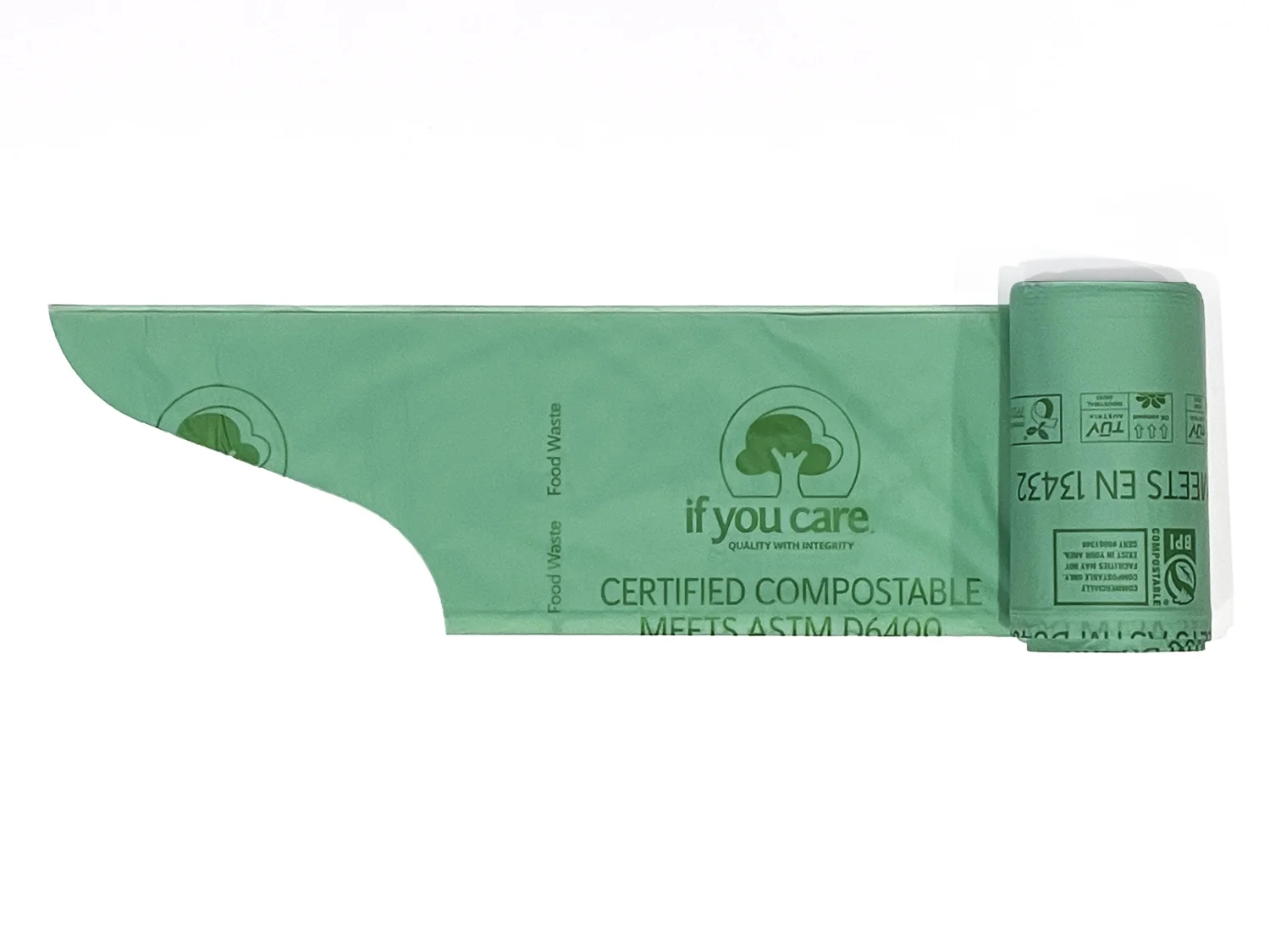
Look for ASTM D6400 or ASTM D6866 on the package. These show the bag meets U.S. composting and biodegradability rules.
- ASTM D6400:Bag will compost in industrial facilities.
- ASTM D6866:Shows amount of renewable carbon in the bag.
European Norms
European Norms, or EN standards, guide biodegradable bag testing in Europe. They check if bags break down and are safe for soil.
Common labels include EN 13432 and EN 14995. These prove bags meet EU rules for composting and biodegradability.
- EN 13432:Ensures the bag composts in industrial conditions.
- EN 14995:Covers biodegradable plastics for packaging.
Third-party Eco Labels
Third-party eco labels come from independent groups. They check if bags are truly eco-friendly and biodegradable.
These labels add trust because they are not made by bag makers. Examples include the Biodegradable Products Institute (BPI) and OK Compost.
- BPI Certified:Confirms bags meet ASTM composting standards.
- OK Compost:Shows bags are compostable in industrial or home compost.
- Compostable Logo:Indicates safe breakdown without harming nature.
Common Myths And Misconceptions
Many people want to use biodegradable trash bags to help the environment. There are many myths about how these bags work. Knowing the facts helps you choose the right product.
This guide clears up common confusion about biodegradable trash bags. It covers key points to help you make smart choices.
Biodegradable Vs. Compostable
People often think biodegradable and compostable mean the same thing. They do not. Biodegradable bags break down over time, but not always safely.
Compostable bags break down into natural materials faster. They turn into useful compost if disposed of correctly.
- Biodegradable bags may leave harmful residue
- Compostable bags break down fully in compost systems
- Check labels to see if bags are certified compostable
Environmental Claims Accuracy
Some bags claim to be eco-friendly but do not meet standards. These claims can be misleading. Not all biodegradable bags are good for the planet.
Look for bags with clear certifications. Trusted labels show the product meets environmental rules.
- Check for certifications like ASTM D6400 or EN 13432
- Beware of vague terms like “degradable” without proof
- Research brands before buying to confirm claims
Disposal Requirements
Many think biodegradable bags can go in regular trash and still break down. This is false. Most need special conditions to degrade properly.
Compostable bags must go into industrial compost bins or home compost piles. Throwing them in the trash may send them to landfills, where they do not break down well.
- Do not put compostable bags in regular trash
- Use proper composting bins if available
- Check local disposal rules for biodegradable products
Credit: ifyoucare.com
Tips For Choosing The Right Size And Thickness
Choosing the right size and thickness of biodegradable trash bags helps prevent spills and tears. It also saves money by avoiding bags that are too big or too thick.
Understanding your trash needs makes it easier to pick bags that fit well and last long. This guide will help you select the best biodegradable trash bags.
Matching Bag Size To Trash Volume
Pick a bag size that matches how much trash you usually throw out. Bags that are too small will overflow. Bags that are too large waste space and cost more.
Measure your trash bin or estimate how much trash you produce. Choose a bag that fits your bin’s capacity without stretching too much.
- Small bins usually need 4 to 8 gallons bags
- Medium bins fit 10 to 15 gallons bags
- Large bins require 30 to 50 gallons bags
Balancing Thickness And Flexibility
Thicker bags hold heavier trash better but may be less flexible. Thin bags are easier to handle but can tear easily.
Look for a balance that fits your trash type. Use thicker bags for sharp or heavy waste. Thin bags work for light or dry trash.
- Thickness is measured in mils or microns
- 1.0 to 1.5 mils suits light trash
- 1.5 to 3.0 mils works for kitchen or yard waste
- Over 3.0 mils is good for heavy or sharp items
Special Uses And Custom Needs
Some trash needs special bags. Medical waste, pet waste, or compost may require specific biodegradable bags. Check if the bag meets your needs.
Consider features like odor control, leak resistance, or extra strength. These help keep your space clean and safe.
- Odor control bags mask bad smells
- Leak-proof bags prevent spills
- Heavy-duty bags handle sharp objects
- Compostable bags break down in compost piles
Where To Buy Biodegradable Trash Bags
Biodegradable trash bags are a good choice for the environment. Finding the right place to buy them helps you make a better choice.
This guide shows you popular places to buy biodegradable trash bags. You will learn about online shops, local stores, and buying in bulk.
Online Retailers
Online stores offer many types of biodegradable trash bags. You can read reviews and compare prices easily. Shipping is often available to your home.
Look for websites that specialize in eco-friendly products. They usually have clear details about the materials used in the bags.
- Large marketplaces like Amazon or eBay
- Specialty eco product websites
- Online grocery stores with green options
Local Eco-friendly Stores
Local eco-friendly stores sell biodegradable trash bags in person. You can ask staff for advice on the best bags for your needs.
Shopping local helps reduce shipping pollution. It also supports small businesses in your community.
- Health food stores with green products
- Zero-waste shops
- Farmers markets with eco vendors
Bulk Purchasing Options
Buying biodegradable trash bags in bulk can save money. It also means fewer trips to the store or fewer deliveries.
Look for wholesalers or warehouse clubs that offer eco-friendly bags in large packs. This is useful for businesses or big households.
- Wholesale eco product suppliers
- Warehouse clubs like Costco or Sam’s Club
- Direct purchase from manufacturers

Credit: www.amazon.com
Proper Disposal And Usage Practices
Choosing biodegradable trash bags is good for the environment. Using them properly helps reduce waste and pollution.
Knowing how to dispose of these bags correctly is important. Proper use ensures they break down safely and quickly.
Home Composting Tips
Biodegradable trash bags can be composted at home if they meet compostable standards. Check the label to confirm this.
Cut the bags into smaller pieces to help them break down faster in your compost pile.
- Use bags labeled as home compostable
- Remove non-compostable materials inside the bag
- Cut bags into small pieces before adding to compost
- Keep compost moist and turn it regularly
Municipal Disposal Guidelines
Not all cities accept biodegradable bags in regular trash or recycling bins. Check local rules before disposal.
Some municipalities have special composting programs. Use those bins if your bags are certified compostable.
- Read your city’s waste disposal rules
- Use green waste or compost bins for certified bags
- Do not put biodegradable bags in recycling bins
- Contact local waste authority for questions
Avoiding Contamination
Biodegradable bags break down well only if free of plastic and chemicals. Avoid mixing them with regular plastic bags.
Keep food waste and other compostable trash inside the bags. Remove any trash that might harm composting.
- Use only certified biodegradable bags
- Do not mix with regular plastic bags
- Remove non-compostable trash from bags
- Keep bags dry and clean before disposal

Credit: www.amazon.com
Frequently Asked Questions
What Are Biodegradable Trash Bags Made Of?
Biodegradable trash bags are made from plant-based materials like cornstarch or vegetable oils. They break down naturally in composting environments, reducing plastic waste and environmental impact.
How To Identify Truly Biodegradable Trash Bags?
Look for certifications like ASTM D6400 or EN 13432. These indicate the bag meets biodegradability and compostability standards. Avoid bags labeled only as “compostable” without certification.
Are Biodegradable Bags Strong Enough For Heavy Trash?
Yes, many biodegradable bags are designed with reinforced materials. They can hold heavy trash without tearing, but always check the bag’s weight capacity before use.
Do Biodegradable Trash Bags Decompose In Landfills?
Biodegradable bags decompose faster than regular plastic but need proper conditions. Landfills may lack oxygen and microbes, slowing decomposition significantly.
Conclusion
Choosing biodegradable trash bags helps protect the environment. These bags break down faster than regular plastic. Look for bags made from natural materials. Check for certifications to ensure quality and safety. Remember to match bag size with your trash bin.
Using the right bags reduces plastic waste in landfills. Small changes like this make a big difference. Start using biodegradable bags for a cleaner planet today.