
Choosing the right biodegradable plates and cups can feel overwhelming. You want products that are good for the environment but also reliable and affordable.
How do you know which ones will truly break down without harming nature? You’ll discover simple tips to pick the best biodegradable options for your needs. By the end, you’ll feel confident making choices that protect the planet and make your gatherings eco-friendly.
Keep reading to learn exactly what to look for and avoid.
Benefits Of Biodegradable Tableware
Biodegradable plates and cups are great for the environment. They break down quickly and reduce waste.
Choosing these items helps you make eco-friendly choices. They are made from natural materials.
Environmental Impact
Biodegradable tableware has a positive environmental impact. It helps reduce landfill waste.
These products decompose faster than plastic. This decreases pollution and conserves resources.
- Reduces landfill waste
- Decomposes quickly
- Conserves natural resources
Health And Safety
Biodegradable plates and cups are safe for health. They are often free from harmful chemicals.
These items are made from plant-based materials. This reduces exposure to toxins.
- Free from harmful chemicals
- Made from plant-based materials
- Safe for food use
Cost Considerations
Biodegradable tableware can be more expensive. However, the environmental benefits are worth it.
Buying in bulk can lower costs. It helps save money in the long run.
- Can be more expensive
- Environmental benefits justify cost
- Buying in bulk saves money

Credit: www.sumkoka.com
Types Of Biodegradable Plates And Cups
Biodegradable plates and cups are eco-friendly options for serving food and drinks. They break down naturally and reduce waste.
Choosing the right type depends on the materials used, how they break down, and how well they perform.
Materials Used
Biodegradable plates and cups are made from natural materials that decompose easily. Common materials include plant fibers and starches.
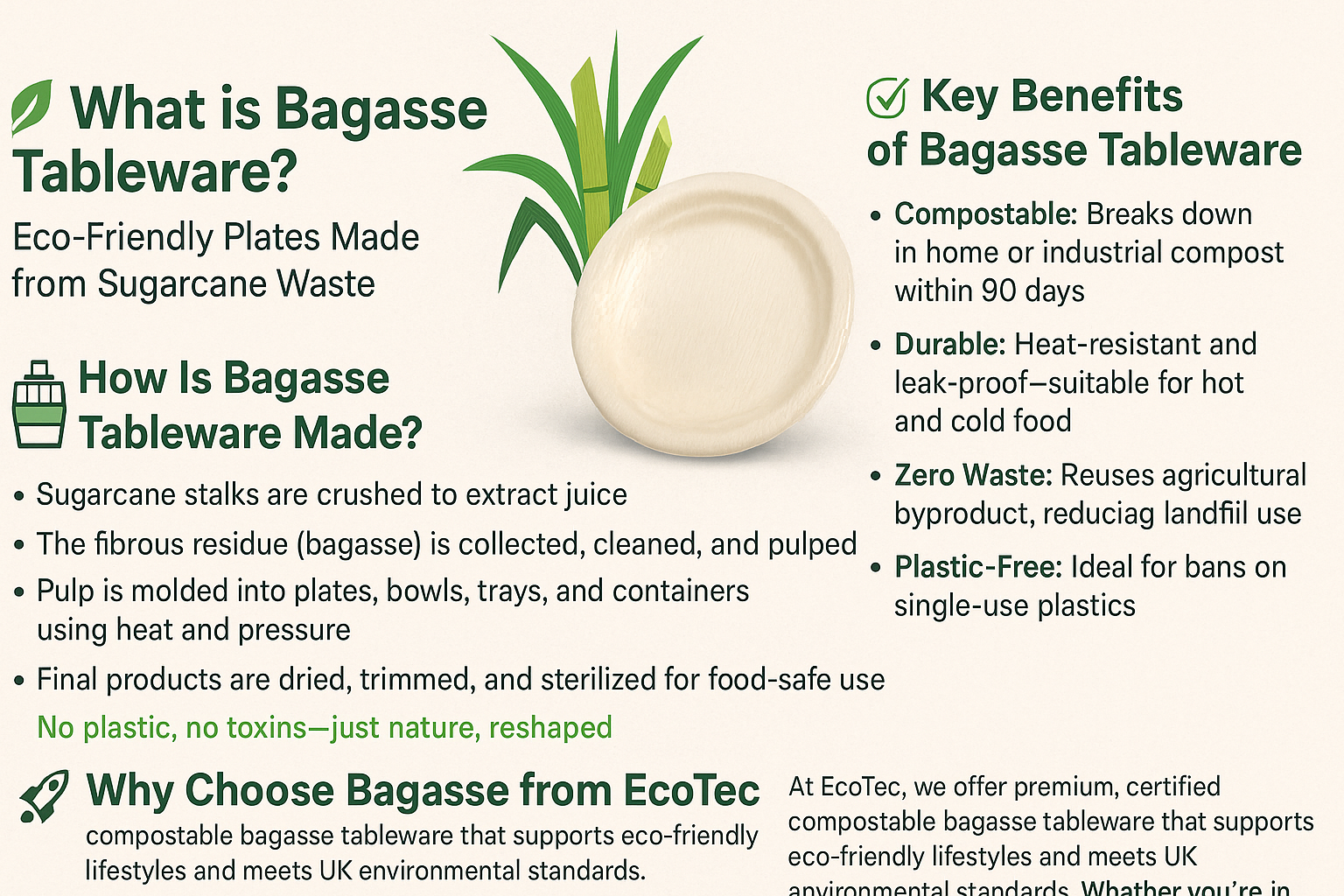
- Bagasse – made from sugarcane fibers
- Bamboo – strong and fast-growing grass
- Cornstarch – derived from corn plants
- Palm leaves – fallen leaves pressed into shape
- Paper – often coated with biodegradable films
These materials break down faster than plastic and do not harm the environment.
Compostable Vs Biodegradable
Biodegradable items break down naturally over time. Compostable items break down quickly into safe compost.
- Biodegradable plates and cups can take months to years to break down.
- Compostable products break down within weeks in a compost setting.
- Compostable items leave no harmful residue behind.
- Biodegradable items may leave microplastics if not fully natural.
Look for compostable labels for faster and cleaner decomposition.
Durability And Performance
Biodegradable plates and cups must hold food and drinks well. Some materials handle heat and moisture better.
- Bagasse plates resist heat and are sturdy for hot meals.
- Bamboo cups are strong and good for cold or warm drinks.
- Cornstarch items may soften with hot liquids.
- Palm leaf plates are durable but can be rough in texture.
- Paper cups often have a compostable lining to hold liquids.
Check the product details to ensure the plates or cups fit your needs.
Key Features To Look For
Choosing biodegradable plates and cups helps reduce waste and protect the environment. It is important to pick products that meet your needs and break down safely.
Look for features that ensure the items are eco-friendly and practical for use. These features help you select the right products for any occasion.
Certification Labels
Check for certification labels to confirm the product is truly biodegradable. Labels show that the item meets environmental standards.
Common certifications include compostability and biodegradability tests. These labels guarantee the product breaks down safely in the environment.
- Look for ASTM D6400 or EN 13432 standards
- Check for certifications like BPI or OK Compost
- Verify if the product is certified for home or industrial composting
Heat And Liquid Resistance
Biodegradable plates and cups must hold up to heat and liquids without leaking or breaking. This ensures they work well for hot and cold foods.
Look for products tested for resistance to heat and moisture. This prevents spills and keeps food safe during use.
- Choose items that can hold hot beverages or foods
- Check if the plates resist soaking or warping from liquids
- Find cups with insulated layers to protect hands from heat
Size And Design Options
Select sizes that fit your serving needs. Plates and cups come in various sizes for snacks, meals, or drinks.
Design matters for usability and style. Some biodegradable products have textured surfaces or special shapes for better grip.
- Pick plate sizes for small, medium, or large servings
- Choose cup volumes to match drinks like coffee or juice
- Look for ergonomic designs for easy handling
- Consider color or pattern options for events or themes
Credit: www.greenwashingindex.com
Where To Buy Biodegradable Plates And Cups
Biodegradable plates and cups help reduce waste. Finding the right place to buy them is important.
You can buy these eco-friendly items from various sources. Each offers different options and prices.
Online Retailers
Online stores have many biodegradable plates and cups. You can compare brands and prices easily.
Look for shops with customer reviews. This helps you choose trusted products.
- Large selection of sizes and styles
- Convenient home delivery
- Easy to check product details
Wholesale Suppliers
Wholesale suppliers sell biodegradable plates and cups in bulk. This is good for events or businesses.
Buying wholesale lowers the cost per item. Check minimum order amounts before buying.
- Lower prices for large orders
- Options for custom branding
- Direct contact with manufacturers
Local Eco-friendly Stores
Local stores focus on sustainable products like biodegradable plates and cups. Visiting them supports your community.
These stores often provide guidance on product choices. You can see and feel items before buying.
- Personal help from staff
- Immediate product availability
- Support local green businesses
Tips For Proper Use And Disposal
Biodegradable plates and cups are eco-friendly choices for meals and drinks. Using and disposing of them correctly helps protect the environment.
This guide gives simple tips to use these products well and dispose of them the right way.
Usage Guidelines
Use biodegradable plates and cups for cold or warm foods and drinks. Avoid using them with very hot or oily items, as this can cause damage.
Handle them gently to prevent cracks or leaks. Store in a dry place to keep them in good condition before use.
- Do not microwave unless labeled microwave-safe
- Avoid using with greasy or oily foods
- Use for short-term meals and drinks
- Store in a cool, dry place
Composting Tips
Biodegradable plates and cups break down naturally in compost. Composting helps turn waste into useful soil.
Check if your local compost facility accepts these items. Home composting is possible but needs the right conditions.
- Confirm composting rules in your area
- Break plates and cups into smaller pieces
- Keep compost moist and warm for faster breakdown
- Avoid composting if items have food or chemical contamination
Avoiding Contamination
Keep biodegradable plates and cups free from non-compostable waste. Contamination can stop proper composting and harm the environment.
Rinse off food scraps before disposal. Do not mix plastics or metals with biodegradable items.
- Remove leftover food before disposal
- Do not mix with plastic or metal waste
- Use separate bins for compostable and non-compostable trash
- Educate others on proper disposal methods

Credit: www.bioleaderpack.com
Frequently Asked Questions
What Materials Are Best For Biodegradable Plates And Cups?
The best materials include bamboo, sugarcane bagasse, and cornstarch. These materials decompose quickly and are eco-friendly. They avoid plastic pollution and reduce landfill waste effectively.
How To Identify Truly Biodegradable Plates And Cups?
Look for certifications like ASTM D6400 or EN 13432. Check if the product breaks down within 90-180 days. Avoid items labeled “compostable” without proper certification to ensure true biodegradability.
Are Biodegradable Plates And Cups Safe For Hot Foods?
Yes, many biodegradable plates and cups are heat-resistant. Materials like bagasse and bamboo handle hot foods well without leaking. Always check product specifications for temperature tolerance before use.
Can Biodegradable Plates And Cups Be Composted At Home?
Some can be composted at home if they are made from natural fibers. Confirm compostability on the product label. Industrial composting facilities handle more types but check local guidelines for home composting.
Conclusion
Choosing biodegradable plates and cups helps protect our planet. Check the materials to ensure they break down easily. Consider compostable options for better environmental impact. Look for certifications that prove their eco-friendliness. Pick products that fit your event and budget.
Small choices like these make a big difference. Enjoy your meal knowing you helped reduce waste. Keep learning about green products for a cleaner future. Every step counts toward a healthier Earth.