
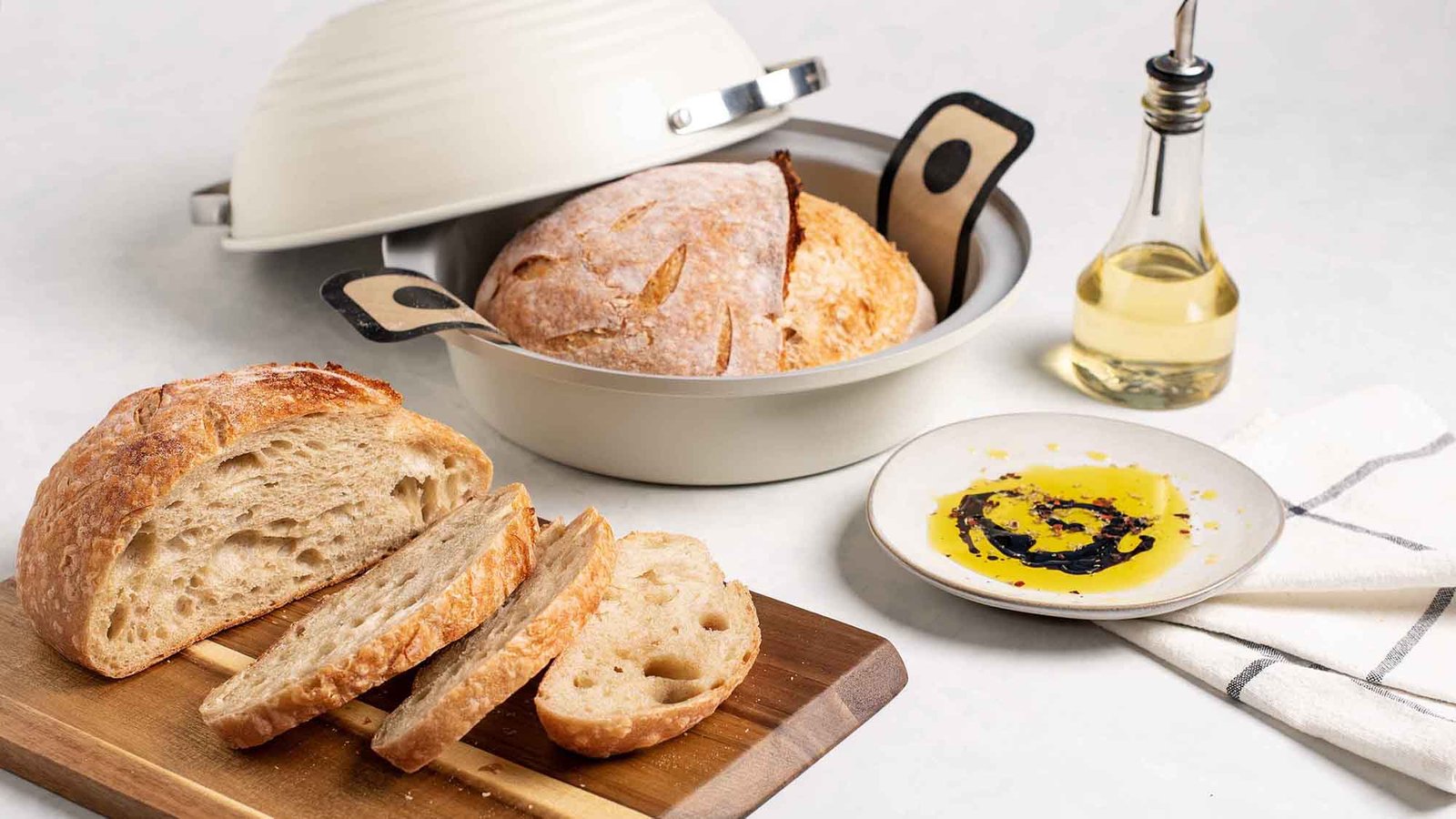
Baking bread at home can be deeply satisfying, but choosing the right bakeware can make all the difference between a perfect loaf and a disappointing one. You might have the best recipe, but if your bakeware isn’t up to the task, your bread won’t rise or brown properly.
This guide will help you pick the ideal bakeware for your bread baking needs, so your homemade bread turns out just the way you want it—crusty on the outside, soft and fluffy inside. Keep reading, and you’ll learn simple tips that can transform your baking experience and boost your confidence every time you bake.
Types Of Bakeware
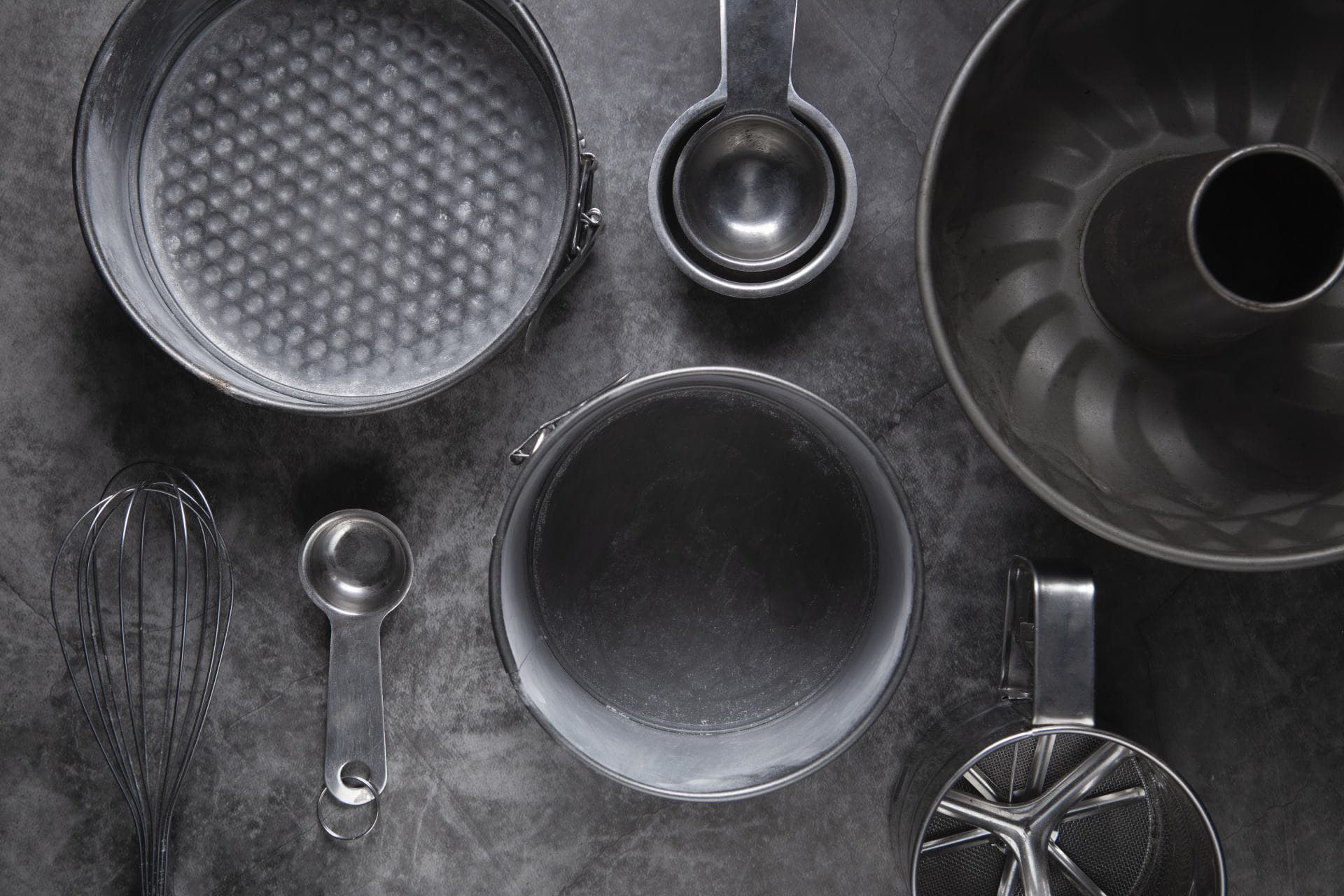
Choosing the right bakeware affects how your bread bakes. Different materials change baking time and crust texture.
Understanding each type helps you pick the best one for your bread recipes.
Metal Pans
Metal pans heat quickly and give bread a crispy crust. They come in aluminum and steel varieties.
- Aluminum pans are light and conduct heat well.
- Steel pans are durable and often have a non-stick coating.
- Metal pans can darken over time, affecting heat absorption.
Glass Pans
Glass pans heat slowly and evenly. They keep heat longer after you remove them from the oven.
Glass is good for baking bread that needs steady heat to rise well.
Ceramic Pans
Ceramic pans offer even heating and hold heat well. They also add a rustic look to your bread.
| Feature | Benefit |
| Even Heating | Prevents hot spots and burns |
| Heat Retention | Keeps bread warm longer |
| Appearance | Attractive for serving |
Silicone Molds
Silicone molds are flexible and non-stick. They are easy to clean and store.
- Can bend without damage
- Good for shaped or decorative breads
- Safe for freezer and oven use
Credit: www.sobeys.com
Material Considerations
Choosing the right material for your bakeware affects your bread baking results. Different materials heat up and cool down in various ways. They also vary in weight and how long they last.
Knowing these details helps you pick bakeware that fits your baking style and needs.
Heat Conductivity
Heat conductivity means how fast and evenly a material transfers heat. Good heat conductivity helps bread bake evenly, avoiding burnt or raw spots.
- Aluminum heats quickly and spreads heat well.
- Ceramic heats slowly but holds heat for longer.
- Cast iron takes time to heat but distributes heat evenly.
- Glass heats slowly and cools down slowly too.
Durability
Durability means how long the bakeware lasts with regular use. Some materials resist scratches and dents better.
| Material | Durability | Care Tips |
| Aluminum | Moderate | Avoid metal utensils to prevent scratches |
| Ceramic | Fragile | Handle with care to avoid chips |
| Cast Iron | High | Season regularly to prevent rust |
| Glass | Fragile | Do not expose to sudden temperature changes |
Weight
The weight of bakeware affects how easy it is to handle. Heavy bakeware holds heat well but can be hard to lift when full.
- Light materials like aluminum are easy to move and clean.
- Heavy materials like cast iron give even heat but require strength to handle.
- Consider your strength and kitchen setup when choosing weight.
Size And Shape
Choosing the right size and shape of bakeware affects your bread’s texture and cooking time.
Different pans suit various bread types and recipes. Knowing these helps you bake better bread.
Standard Loaf Pans
Standard loaf pans are the most common for bread baking. They usually measure 8×4 inches or 9×5 inches.
These pans produce a classic rectangular shape with a soft crust. They work well for sandwich and white bread.
Specialty Shapes
Specialty pans offer unique shapes like round, pullman, or baguette pans. These shapes affect the bread’s crust and crumb.
- Round pans create a thick crust and soft center.
- Pullman pans have a lid for square-shaped bread with fine crumb.
- Baguette pans are long and narrow for crispy crust.
Adjustable Pans
Adjustable pans let you change the pan size. This helps bake different loaf sizes with one pan.
| Pan Size | Length (inches) | Width (inches) |
| Small | 7 | 3.5 |
| Medium | 8.5 | 4.5 |
| Large | 9.5 | 5 |
Non-stick Vs Traditional
Baking bread needs the right bakeware. Choosing between non-stick and traditional pans affects your baking.
Each type has pros and cons for release and cleaning. This guide helps you decide.
Ease Of Release
Non-stick bakeware usually lets bread come out easily. The coating stops sticking without extra oil or flour.
Traditional pans, like steel or cast iron, may need greasing or flouring. Bread can stick if not prepared well.
- Non-stick pans reduce the chance of tearing bread crust.
- Traditional pans can give a crispier crust but may stick more.
- Using parchment paper can help both types release bread better.
Cleaning And Maintenance
Non-stick bakeware cleans quickly but needs gentle care. Avoid metal tools to keep the coating safe.
Traditional pans can handle scrubbing and high heat. They may need seasoning to prevent rust or sticking.
| Feature | Non-stick Bakeware | Traditional Bakeware |
| Cleaning | Easy, hand wash with soft sponge | Harder, may need scrubbing |
| Care | Avoid metal tools and dishwasher | Season regularly to prevent rust |
| Durability | Coating can wear off over time | Lasts long with good care |
| Maintenance | Replace if coating peels | Re-season as needed |
Features To Look For
Choosing the right bakeware affects how your bread bakes. It makes baking easier and safer. Knowing what features to check helps you pick the best tools.
Look at different parts of bakeware. Handles and grips help move the pan safely. Lids and covers keep moisture in and control baking.
Handles And Grips
Handles and grips need to be strong and easy to hold. They help you carry hot bakeware without slipping. Look for heat-resistant materials to avoid burns.
- Choose handles that stay cool during baking.
- Look for wide grips for a firm hold.
- Check if handles are securely attached.
- Non-slip surfaces improve safety.
- Handles should fit your hand size comfortably.
Lids And Covers
Lids and covers help keep bread moist and shape it well. Some lids trap steam for softer crusts. Others protect bread from burning.
| Type | Benefit | Material |
| Glass Lid | See bread while baking | Tempered glass |
| Metal Lid | Retains heat evenly | Aluminum or steel |
| Silicone Cover | Flexible and easy to clean | Food-grade silicone |
Price Range
Choosing the right bakeware for bread baking depends on your budget. Bakeware comes in many price ranges. Each range offers different features and durability.
Understanding what you get for your money helps you pick the best option. Here are three common price categories to consider.
Budget Options
Budget bakeware is usually made from basic materials like aluminum or steel with non-stick coatings. These are good for beginners or occasional bakers.
- Affordable and widely available
- May wear out faster
- Good for simple bread recipes
- Lightweight and easy to handle
Mid-range Choices
Mid-range bakeware often uses heavier metals and better coatings. These pans offer improved heat distribution and durability.
| Material | Price Range | Benefits |
| Heavy-gauge steel | $20 – $50 | Even baking, lasts longer |
| Ceramic-coated pans | $30 – $60 | Non-stick and easy to clean |
| Cast aluminum | $25 – $55 | Good heat conduction |
High-end Selections
High-end bakeware uses premium materials like cast iron or professional-grade steel. These pans last many years and deliver excellent results.
- Heavy and durable construction
- Excellent heat retention
- Often with lifetime warranties
- Higher price, good for serious bakers
Brand Recommendations
Choosing the right bakeware brand can improve your bread baking results. Good brands offer durable and reliable products.
This guide highlights popular and emerging brands to help you find quality bakeware for your kitchen.
Popular Brands
Popular brands have proven their quality over many years. They offer a wide range of bakeware suited for bread baking.
- Lodge: Known for cast iron bakeware that retains heat well.
- USA Pan: Offers durable non-stick metal pans with great heat distribution.
- Wilton: Provides affordable and versatile bakeware options.
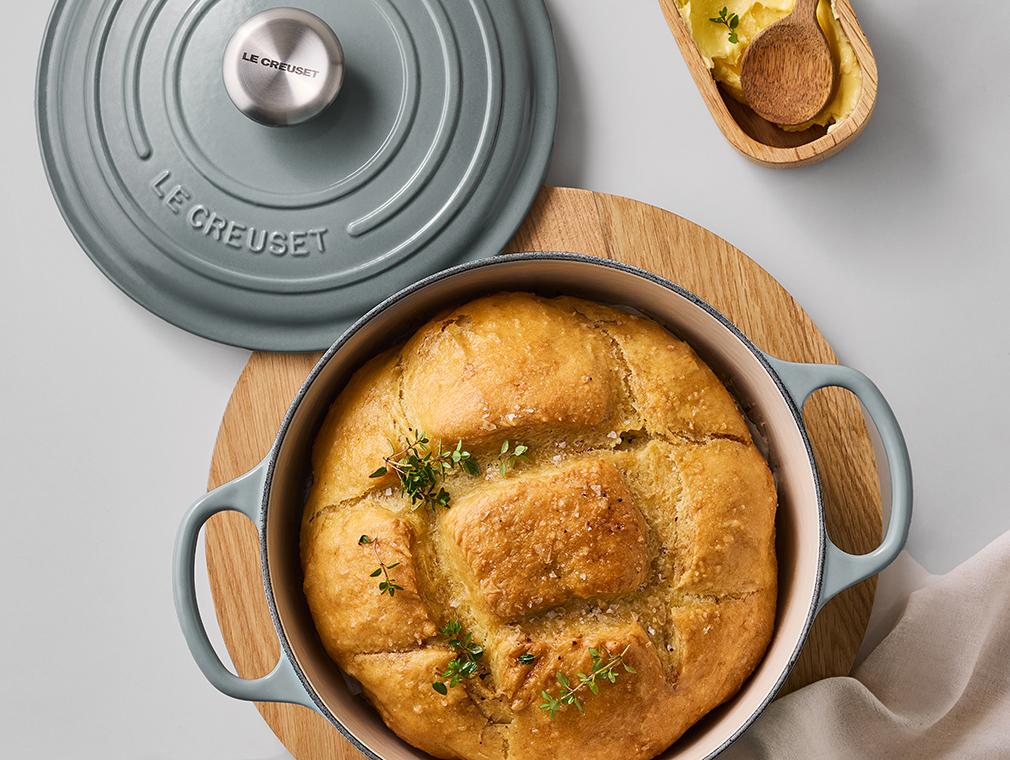
- Le Creuset: Famous for enameled cast iron products that last long.
- Calphalon: Known for heavy-duty non-stick bakeware with even heating.
Emerging Brands
Emerging brands bring fresh ideas and new materials to bakeware. These brands focus on innovation and sustainability.
| Brand | Specialty | Key Feature |
| Emile Henry | Ceramic Bakeware | Made from natural clay, offers even heat |
| BreadBoss | Specialty Bread Pans | Designed for artisan bread shapes |
| GoodCook | Eco-friendly Materials | Uses recycled and non-toxic materials |
| Finex | Cast Iron | Modern design with polished finish |
Credit: www.lecreuset.fi
Caring For Your Bakeware
Caring for your bakeware helps it last longer. Proper care keeps your bread baking tools in good shape.
Clean and store your bakeware correctly to avoid damage and stains. This makes baking easier and safer.
Cleaning Tips
Clean your bakeware soon after use. Removing crumbs and grease stops buildup and bad smells.
Use warm water and mild soap for most bakeware types. Avoid harsh cleaners that can damage surfaces.
- Hand wash with a soft sponge
- Do not use metal scrubbers on non-stick pans
- Dry bakeware completely before storing
- For stuck-on food, soak in warm soapy water
Storage Solutions
Store bakeware in a dry, cool place. Avoid stacking heavy items on top to prevent warping.
Use shelf organizers or hooks to keep bakeware neat and easy to find. Proper storage saves space and protects your tools.
- Keep bakeware dry to stop rust
- Stack similar items carefully
- Use liners between pans to avoid scratches
- Store lids separately to avoid damage
Troubleshooting Common Issues
Baking bread can be tricky, especially if your bakeware causes problems. Choosing the right bakeware helps avoid common issues.
This guide covers two common problems: uneven baking and sticking. Learn how to fix these with the right bakeware.
Uneven Baking
Uneven baking happens when heat does not spread evenly in your bakeware. This can cause some bread parts to be overcooked or undercooked.
Metal pans conduct heat well but can create hot spots. Glass and ceramic bakeware heat more slowly and can help even out baking.
- Choose bakeware with good heat conduction for even baking
- Use heavier pans to avoid hot spots
- Check oven temperature and adjust if needed
- Rotate your bread halfway through baking
Sticking Problems
Sticking happens when bread dough clings to the bakeware. This can ruin the shape and texture of your bread.
Non-stick pans reduce sticking but can wear out over time. Using parchment paper or greasing the pan helps prevent bread from sticking.
- Use non-stick or well-seasoned bakeware
- Grease the pan with butter or oil before baking
- Line pans with parchment paper for easy release
- Let bread cool slightly before removing it

Credit: www.reddit.com
Frequently Asked Questions
What Material Is Best For Bread Bakeware?
The best bakeware materials for bread are cast iron, ceramic, and heavy-duty aluminum. They provide even heat distribution and good crust formation.
How Do I Choose The Right Size Bakeware?
Select bakeware that fits your recipe size. Standard loaf pans are 8×4 or 9×5 inches. Size affects baking time and bread shape.
Should I Use Non-stick Or Glass Bakeware?
Non-stick pans release bread easily but may brown unevenly. Glass pans heat evenly but can cause slower crust formation. Choose based on your baking style.
Can Bakeware Affect Bread Crust Quality?
Yes, bakeware material and thickness impact crust texture. Thick, heavy pans retain heat, creating a crispy crust. Thin pans may produce softer crusts.
Conclusion
Choosing the right bakeware makes bread baking easier and more fun. Think about the material, size, and shape that suit your bread type. Good bakeware helps your bread cook evenly and look great. It lasts longer and cleans up quickly.
Don’t rush; try different options to find what fits you best. Enjoy baking fresh bread at home with the right tools. Simple choices lead to better results and happy baking days.