
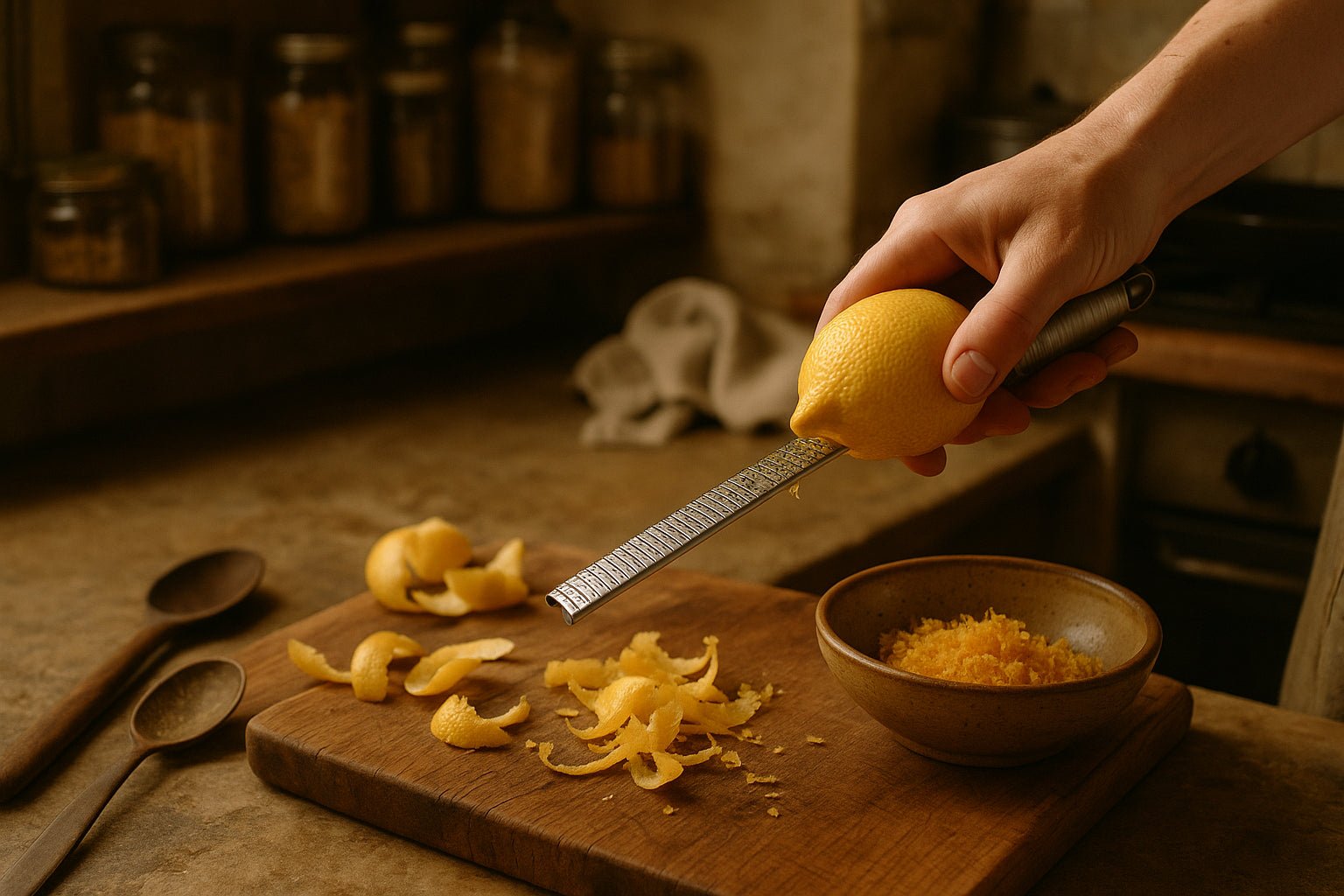
Are you tired of struggling with dull kitchen tools when you just want to add a fresh burst of flavor? Choosing the right zester can make all the difference in your cooking.
But with so many options out there, how do you pick the one that fits your needs perfectly? This guide will help you find a zester that feels just right in your hand, works efficiently, and turns every dish into a masterpiece.
Keep reading, and you’ll discover simple tips to make zesting easier and more enjoyable than ever before.

Credit: www.amazon.ca
Types Of Zesters
Zesters are useful kitchen tools that help you add flavor to dishes. They remove thin layers of citrus peel or grate hard ingredients finely.
Different types of zesters suit different tasks. Knowing their features helps you choose the right one for your kitchen.
Microplane Graters
Microplane graters have very sharp, small blades. They create fine zest or grated pieces quickly and easily. These graters work well for citrus fruits, cheese, and spices.
Channel Knives
Channel knives cut long, thin strips of zest. They are perfect for decorating dishes or cocktails. The strips keep the fruit’s oils, giving a strong aroma and flavor.
- Good for making twists and garnishes
- Easy to use on lemons, limes, and oranges
- Not suitable for fine grating or shredding
Box Graters
Box graters have multiple grating surfaces on one tool. You can choose different sizes for zest or grating. This type is versatile and useful for many kitchen tasks.
| Side | Use |
| Fine holes | Fine zest and spices |
| Medium holes | Cheese and vegetables |
| Coarse holes | Shredding vegetables |
| Slicing side | Thin slices of vegetables or fruit |
Citrus Zesters
Citrus zesters have small holes that create very thin strips of zest. They remove only the colored part of the peel, avoiding the bitter white pith underneath.
Citrus zesters offer:
- Control over zest size
- Easy cleaning
- Lightweight and simple design
- Best for citrus fruits only

Credit: microplane.com
Material Considerations
Choosing the right material for your zester affects its durability and comfort. Different materials offer unique benefits and drawbacks. Understanding these can help you pick a zester that fits your needs.
Below are common materials used in zester construction. Each has qualities that suit different cooking styles and preferences.
Stainless Steel
Stainless steel is a popular choice for zester blades. It is strong, rust-resistant, and easy to clean. This material keeps its sharpness over time, making zesting easier and safer.
- Durable and long-lasting
- Resists corrosion and rust
- Maintains sharp edges well
- Easy to clean and sanitize
Plastic Options
Plastic zesters are lightweight and often less expensive. They may have stainless steel blades combined with plastic handles. Pure plastic blades are less common and usually less sharp.
| Type | Durability | Sharpness | Cleaning |
| Full Plastic | Low | Low | Easy |
| Plastic Handle + Steel Blade | High | High | Moderate |
Wood Handles
Wood handles add a classic look and feel. They provide a comfortable grip but need proper care to avoid damage. Wood can absorb water, so drying the zester well is important.
- Comfortable and warm grip
- Needs hand washing and drying
- Can last long with good care
- May crack or warp if wet too long
Features To Look For
Choosing the right zester can make cooking easier and safer. Look for features that improve comfort and use.
Good design helps you zest quickly without hurting your hands or wasting fruit.
Ergonomic Handles
Ergonomic handles fit well in your hand. They reduce strain during use.
Look for handles that are shaped to support your grip. They help you hold the zester firmly.
- Curved handles match hand shape
- Lightweight materials ease long use
- Balanced weight prevents slipping
Non-slip Grips
Non-slip grips keep the zester steady. They stop your hand from sliding when wet.
Choose zest tools with rubber or textured grips. These materials help you keep control.
- Rubber grips stay firm when wet
- Textured surfaces add friction
- Wide grips prevent hand fatigue
Ease Of Cleaning
Cleaning your zester should be quick and simple. Avoid tools with hard-to-reach spots.
Look for smooth, dishwasher-safe materials. Removable parts make cleaning easier.
- Dishwasher safe for quick cleaning
- Simple shapes prevent food buildup
- Removable blades allow thorough washing
Performance Factors
Selecting the right zester depends on how well it performs. Good performance makes zesting easier and safer.
Focus on the key factors that affect the quality of zest you get from a zester.
Sharpness Of Blades
Sharp blades cut zest cleanly without crushing the peel. Dull blades make zesting hard and uneven.
Look for blades made from strong materials that stay sharp after many uses.
- Sharp blades reduce effort needed to zest
- They create fine, thin strips of zest
- Blades should resist rust and corrosion
Consistency Of Zest
Consistent zest size helps even cooking and better flavor release. Uneven zest may cook unevenly.
Choose a zester that produces uniform zest pieces every time you use it.
- Uniform zest improves dish texture
- Consistent size makes measuring easier
- Reduces waste by avoiding thick peel bits
Versatility In Use
A versatile zester works for many fruits and vegetables. It should handle lemons, limes, oranges, and more.
Some zesters have multiple blade options or designs for different zest styles and thicknesses.
- Works on hard and soft peels
- Can create strips, fine zest, or curls
- Easy to clean and store
Price And Value
Choosing the right zester depends on your budget and needs. Price often reflects the material and build quality.
Think about how often you will use the zester and what features matter most to you.
Budget-friendly Options
These zesters cost less but still work well for simple tasks. They often use plastic handles and basic stainless steel blades.
- Good for occasional use
- Lightweight and easy to handle
- Less durable than higher-priced models
- Available in many stores and online
Mid-range Choices
Mid-range zesters offer better materials and sharper blades. They fit well for regular kitchen use.
| Feature | Budget-friendly | Mid-range |
| Blade Material | Basic stainless steel | High-quality stainless steel |
| Handle | Plastic | Ergonomic, sometimes rubber grip |
| Durability | Moderate | Good |
| Price Range | $5 – $15 | $15 – $30 |
High-end Zesters
High-end zesters use premium materials and designs. They last longer and offer precise zesting.
- Sharpest blades made from surgical steel
- Comfortable handles with non-slip grip
- Often come with extra features like protective covers
- Best for frequent or professional use

Credit: www.amazon.ca
User Reviews And Recommendations
Choosing the right zester can make cooking easier. Many users share their experiences to help others decide.
Reading reviews shows what people like or dislike about each tool. Recommendations come from real use in kitchens.
Ease Of Use
Users often mention how simple a zester is to hold and use. Comfortable handles and sharp blades get high marks.
A zester that works well without much effort is a favorite. Many people recommend models with non-slip grips.
- Look for ergonomic handles
- Sharp blades reduce wrist strain
- Non-slip grips improve control
Durability And Build Quality
Reviewers often talk about how long their zesters last. Stainless steel is praised for lasting without rusting.
Zesters made with sturdy materials get positive feedback. Users prefer tools that do not bend or break easily.
- Choose stainless steel blades
- Check for solid handle attachment
- Look for rust-resistant materials
Cleaning And Maintenance
Many users note if a zester is easy to clean. Dishwasher-safe zesters get good reviews for saving time.
Some recommend models with wide blade spaces to avoid food getting stuck. Simple designs are easier to wash.
- Prefer dishwasher-safe options
- Look for simple blade design
- Check if food residue washes off easily
Value For Money
Users consider if a zester is worth its price. Many say affordable tools work well if they are sharp and durable.
Some recommend spending a little more for better quality. Others find budget options good enough for occasional use.
- Compare prices with features
- Read user feedback on performance
- Decide based on how often you cook
Maintenance And Care
Taking care of your zester keeps it sharp and safe to use. Proper maintenance helps it last longer.
Clean and store your zester carefully after each use to avoid damage and rust.
Cleaning Tips
Rinse the zester right after use to stop food from drying on the blades. Use warm water and mild soap.
A small brush helps remove bits stuck in the holes. Avoid harsh scrubbers that may dull the blade.
- Rinse zester immediately after use
- Use warm water and mild soap
- Clean with a soft brush for stuck bits
- Dry fully to stop rust from forming
Storage Solutions
Store your zester in a dry place. Keep it away from moisture to prevent rust and dulling.
Use a protective cover or case if available. Keep it separate from other utensils to avoid damage.
- Keep zester in a dry spot
- Use a blade guard or cover
- Store separately from other tools
- Avoid stacking with heavy items
Sustainability And Environmental Impact
Choosing a zester with sustainability in mind helps reduce waste. It also lowers the impact on natural resources.
Knowing what materials and designs are eco-friendly can guide your choice. This benefits the environment and your kitchen.
Materials Used In Zesters
Zesters are made from different materials like stainless steel, plastic, and wood. Some materials last longer and are recyclable.
- Stainless steel is durable and recyclable.
- Bamboo handles come from fast-growing plants.
- Plastic zesters may not be biodegradable.
Durability And Longevity
A long-lasting zester reduces the need for replacements. This cuts down on waste and saves resources over time.
Look for sturdy construction and replaceable parts. Avoid zesters that break easily or wear out fast.
Packaging And Waste
Packaging adds to the environmental impact of your purchase. Choose zesters with minimal or recyclable packaging.
| Packaging Type | Environmental Impact |
|---|---|
| Plastic Blister Pack | High waste, hard to recycle |
| Cardboard Box | Low waste, easy to recycle |
| Reusable Container | Very low waste, eco-friendly |
Production Practices
Consider brands that use green energy and fair labor. Ethical production reduces harm to people and the planet.
- Look for certifications like Fair Trade or organic.
- Check if the company reports on sustainability goals.
- Support local or small-scale makers when possible.
Frequently Asked Questions
What Is The Best Material For A Zester?
Stainless steel is the best material for a zester. It is durable, rust-resistant, and easy to clean. High-quality steel ensures sharp blades for efficient zesting. Avoid plastic as it dulls quickly and lacks sturdiness.
How Do I Choose A Comfortable Zester Handle?
Choose a zester with an ergonomic handle. Look for non-slip, soft-grip materials like silicone or rubber. This ensures comfort and safety during use. A well-designed handle reduces hand fatigue while zesting.
What Types Of Zesters Are Available?
Common zesters include microplane, rotary, and channel zesters. Microplane zesters offer fine zest, ideal for citrus. Rotary zesters create longer strips. Channel zesters are great for thicker zest cuts. Select based on your zesting needs.
How Sharp Should A Zester Blade Be?
A zester blade should be very sharp. Sharp blades easily remove zest without digging into the fruit’s bitter pith. Dull blades cause uneven zest and more effort. Regular sharpening or replacement maintains performance.
Conclusion
Choosing the right zester makes cooking easier and more fun. Think about how often you will use it. Choose a zester that feels good in your hand. Look for sharp blades that work well on fruit skins. A sturdy handle helps you work safely and comfortably.
Remember, a good zester lasts a long time. With the right tool, your dishes will have fresh, bright flavors. Take your time and pick one that fits your needs best. Enjoy zesting!