
Choosing the right whisk can make a big difference in your cooking and baking. Whether you’re whipping up a smooth sauce or beating eggs to fluffy perfection, the whisk you use matters.
But with so many types available, how do you know which one fits your needs? This guide will help you find the perfect whisk that matches your kitchen style and makes your tasks easier. Keep reading to discover simple tips that will change the way you cook forever.
Types Of Whisks
Whisks are useful kitchen tools for mixing and beating ingredients. Different types of whisks serve different cooking needs.
Choosing the right whisk helps you mix ingredients well and save time in the kitchen.
Balloon Whisks
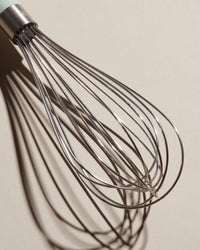
Balloon whisks have wide, round wires that form a balloon shape. They are great for whipping air into mixtures.
Use balloon whisks to beat eggs, whip cream, and mix batter smoothly and quickly.
Flat Whisks
Flat whisks have wires bent into a flat shape. They work well for stirring sauces and gravies in shallow pans.
These whisks scrape the pan bottom easily to prevent lumps or burning in sauces.
French Whisks
French whisks have long, thin wires that form a narrow shape. They are good for mixing thicker batters and sauces.
Use French whisks for folding ingredients gently or mixing small amounts in deep bowls.
Ball Whisks
Ball whisks have wires ending in small balls instead of loops. They help reach corners and edges of pots or bowls.
These whisks are useful for stirring thick sauces and for mixing in tight spaces.
Material Matters
Choosing the right whisk depends a lot on the material it is made from. Each material offers different benefits and suits different kitchen needs.
Understanding these materials helps you pick a whisk that lasts and works well for your cooking style.
Stainless Steel
Stainless steel whisks are strong and durable. They do not rust and can handle heavy mixing tasks. These whisks work well for thick batters and dough.
Silicone Coated
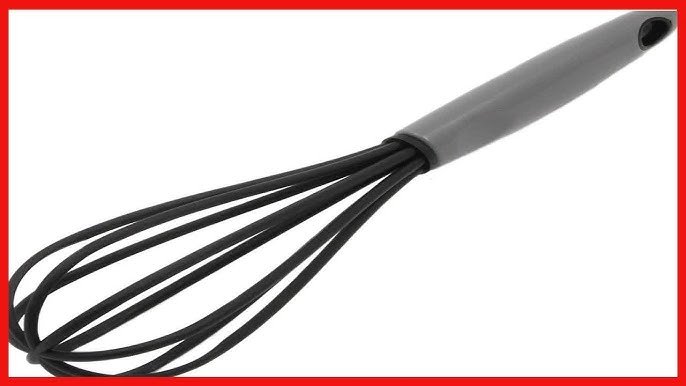
Silicone coated whisks are gentle on non-stick pans. They do not scratch surfaces and can resist heat well. These whisks are good for delicate cooking.
- Safe for non-stick cookware
- Heat resistant up to certain temperatures
- Easy to clean and dishwasher safe
- Less noisy than metal whisks
Plastic Options
Plastic whisks are lightweight and affordable. They come in many colors and shapes. These whisks work well for light mixing tasks.
| Material | Durability | Best Use |
| Stainless Steel | High | Heavy mixing and thick batters |
| Silicone Coated | Medium | Non-stick pans and delicate cooking |
| Plastic | Low to Medium | Light mixing and budget-friendly use |
Size And Shape Considerations
Choosing the right whisk depends on its size and shape. These features affect how well the whisk works for different tasks.
Think about how you will use the whisk before picking one. This helps you select the best size and shape for your needs.
Handle Length
The handle length affects comfort and control. A longer handle gives better reach for deep bowls. A shorter handle offers more control for small mixing tasks.
- Long handle: good for tall containers and large bowls
- Short handle: best for small bowls and quick whisking
- Medium handle: a balance between reach and control
Wire Thickness
Wire thickness changes how the whisk performs. Thin wires move quickly and are great for light whipping. Thick wires are stronger and better for heavy mixtures.
| Wire Thickness | Best Use |
| Thin | Whipping eggs and cream |
| Medium | General mixing and blending |
| Thick | Heavy batters and doughs |
Overall Whisk Size
The overall size combines handle length and wire size. Pick a whisk size that fits your kitchen space and cooking style.
- Small whisks: easy to store and good for small tasks
- Medium whisks: versatile for most cooking needs
- Large whisks: best for big batches and heavy mixing

Credit: www.advancedesign.com.au
Ergonomics And Comfort
Choosing a whisk that feels good in your hand is important. Comfort helps you whisk longer without pain or fatigue.
Ergonomics focus on how the whisk fits your hand and how easy it is to use. This guide covers key features to look for.
Grip Design
The grip design affects how secure and comfortable the whisk feels. Look for handles that fit your hand size well.
- Soft, non-slip materials prevent hand strain.
- Contoured shapes follow the natural curve of your fingers.
- Textured surfaces improve control and reduce slipping.
- Handles with enough thickness avoid pressure points.
Weight Balance
A well-balanced whisk reduces wrist effort and improves control. The weight should feel even between the handle and the whisk head.
| Weight Factor | Effect on Comfort |
| Lightweight | Easy to hold but may require more effort to whisk thick mixtures. |
| Heavy | Good for dense ingredients but can cause hand fatigue quickly. |
| Balanced | Provides comfort and control for most tasks. |
Purpose And Functionality
Choosing the right whisk helps you cook and bake better. Each whisk has a specific use that matches different tasks.
Understanding the purpose of each whisk type can save time and improve results in the kitchen.
Baking Needs
Bakers often use whisks to mix ingredients smoothly and add air to batters. Balloon whisks work well for these tasks because they have wide loops.
- Use balloon whisks to beat eggs or whip cream
- Flat whisks help mix sauces or batters in shallow pans
- French whisks fit well in narrow bowls for precise mixing
Cooking Applications
In cooking, whisks help blend ingredients and create smooth textures. They come in handy for sauces, gravies, and dressings.
| Whisk Type | Best Use | Material |
|---|---|---|
| Balloon Whisk | Whipping and aerating | Stainless steel |
| Flat Whisk | Mixing in pans | Silicone or metal |
| French Whisk | Stirring thick mixtures | Metal |
Multi-purpose Use
A multi-purpose whisk combines features from different types. It suits many kitchen tasks without needing many tools.
Multi-purpose whisks often have medium-sized loops for versatility.
Choose one if you want a single whisk for most tasks like:
- Beating eggs
- Mixing batters
- Stirring sauces
- Whipping cream
Maintenance And Durability
Choosing a whisk that lasts long and is easy to clean saves time and effort. Good maintenance keeps the whisk working well for years.
Look for features that make cleaning simple and materials that resist wear and tear. These factors affect the whisk’s durability.
Cleaning Ease
A whisk that cleans quickly helps keep your kitchen tidy. Some designs trap food, making washing hard.
- Choose whisks with smooth wires to avoid stuck food
- Look for dishwasher-safe whisks for easy cleaning
- Avoid handles with grooves where dirt can hide
- Metal whisks usually clean better than those with plastic parts
Longevity
Durability depends on the whisk’s material and build quality. Strong materials resist bending and breaking.
| Material | Durability | Maintenance |
| Stainless Steel | High | Easy to clean, rust-resistant |
| Silicone Coated | Medium | Gentle on cookware, can wear over time |
| Plastic | Low | Can stain, less heat resistant |
| Wooden Handle | Medium | Needs hand washing, can crack if wet |
Budget And Brand Considerations
Choosing the right whisk depends on your budget and the brand you trust. Both factors affect the whisk’s quality and durability.
Understanding how cost relates to quality and knowing which brands are reliable helps you make a better choice.
Cost Vs. Quality
Low-cost whisks can work well for simple tasks. They often use cheaper materials that may wear out fast.
Higher-priced whisks usually have stronger handles and better wires. They last longer and feel comfortable to use.
- Cheap whisks are good for occasional use.
- Mid-range whisks balance price and durability.
- Expensive whisks offer premium materials and design.
- Think about how often you will use the whisk.
Reputable Brands
Brands with good reviews usually offer reliable products. They use quality materials and ensure good build quality.
Choosing a known brand reduces the chance of buying a whisk that breaks quickly or is hard to clean.
- Look for brands known for kitchen tools.
- Check user reviews to see real experiences.
- Familiar brands often provide warranties or support.
- Trusted brands focus on safety and comfort.

Credit: www.youtube.com
Credit: gir.co
Frequently Asked Questions
What Types Of Whisks Are Best For Baking?
Balloon whisks are ideal for baking as they incorporate air well. They help create light, fluffy textures in batters and creams. Choose stainless steel for durability and easy cleaning.
How Do I Choose The Right Whisk Size?
Select a whisk size based on the bowl size and task. Smaller whisks suit small bowls and delicate tasks. Larger whisks are better for mixing bigger batches or thicker mixtures.
Which Whisk Is Best For Heavy Mixtures?
A flat whisk or a heavy-duty stainless steel whisk works best. These whisks handle thick batters and sauces without bending. They provide better control and strength for heavy mixtures.
Can I Use Silicone Whisks For Non-stick Pans?
Yes, silicone whisks are perfect for non-stick cookware. They prevent scratching and heat damage. Silicone whisks are heat-resistant and easy to clean, making them versatile.
Conclusion
Choosing the right whisk makes cooking easier and more fun. Think about what you will cook most often. Pick a whisk that feels good in your hand. Remember the material and size matter a lot. A good whisk helps mix ingredients quickly and smoothly.
Keep your whisk clean and store it properly. With the right whisk, your kitchen tasks become simple. Enjoy cooking and creating tasty dishes every day.