

If you love baking, you know how important a good stand mixer is for making perfect dough every time. But with so many options out there, how do you pick the right one for your kitchen?
Choosing the right stand mixer can save you time, effort, and frustration. You’ll discover exactly what to look for to make your dough mixing easier and more enjoyable. Keep reading, and you’ll find the key features that match your needs and help you bake like a pro.
Factors To Consider
Choosing the right stand mixer for dough is important. It helps you bake better and save time.
Look at key features before buying. These features affect performance and durability.
Motor Power And Efficiency
A strong motor handles heavy dough without slowing down. It also runs more efficiently and lasts longer.
Check the wattage. Mixers with 300 watts or more work well for thick dough.
Bowl Capacity And Material
The bowl size matters based on how much dough you make. Larger bowls suit bigger batches.
| Bowl Size | Use Case | Material |
| 3-4 quarts | Small batches, home use | Stainless steel |
| 5-6 quarts | Medium batches, frequent use | Stainless steel or glass |
| 7+ quarts | Large batches, commercial | Heavy-duty stainless steel |
Speed Settings And Controls
Different dough types need different speeds. Choose a mixer with multiple speed settings.
- Low speed for kneading dough
- Medium speed for mixing ingredients
- High speed for whipping or beating
Durability And Build Quality
Strong materials like metal ensure the mixer lasts long. Check if parts are replaceable.
Look for models with good customer reviews about build quality.

Credit: www.kitchenparade.com
Types Of Stand Mixers
Choosing the right stand mixer can make dough preparation easier. Different mixers offer various features to suit your baking needs.
This guide explains three common types of stand mixers. Each type has unique benefits and uses for dough mixing.
Tilt-head Mixers
Tilt-head mixers have a head that lifts up to allow easy access to the bowl. They are good for small to medium dough batches.
These mixers are lighter and take less counter space. They work well for home bakers who do not mix heavy dough often.
Bowl-lift Mixers
Bowl-lift mixers use a lever to raise and lower the bowl into place. They offer strong mixing power for heavy dough.
These mixers are more stable and better for large batches. They are often used in serious baking or small commercial kitchens.
- Stronger motor for thick dough
- More stable during mixing
- Good for large quantities
- Requires more counter space
Planetary Mixers
Planetary mixers have a mixing action where the beater moves around the bowl in a circle. This ensures even mixing.
| Feature | Description |
|---|---|
| Mixing Style | Beater rotates and moves around the bowl |
| Capacity | Small to large bowls available |
| Usage | Suitable for all dough types |
| Power | Varies by model, often strong for heavy dough |
Essential Features
Choosing the right stand mixer for dough is important for baking success. Some features make mixing easier and more efficient.
Focus on attachments, cleaning ease, and noise levels when picking a mixer for dough.
Attachment Compatibility
Check if the stand mixer supports various attachments. Dough hooks are essential for kneading bread dough. Some mixers also allow pasta makers or grinders.
- Standard dough hook for kneading
- Flat beater for mixing batters
- Whisk for whipping and aerating
- Optional attachments like pasta rollers or meat grinders
Ease Of Cleaning
Cleaning the mixer should be quick and simple. Removable parts that are dishwasher safe save time. Smooth surfaces without many crevices reduce food buildup.
| Feature | Benefit |
| Dishwasher-safe attachments | Easy and fast cleaning |
| Non-stick bowl surface | Less dough sticks to sides |
| Detachable beaters and hooks | Convenient to wash separately |
| Smooth body design | Wipes clean with a cloth |
Noise Levels
Low noise levels make mixing dough more pleasant. Some mixers run quietly even at high speeds. Look for models with sound reduction features.
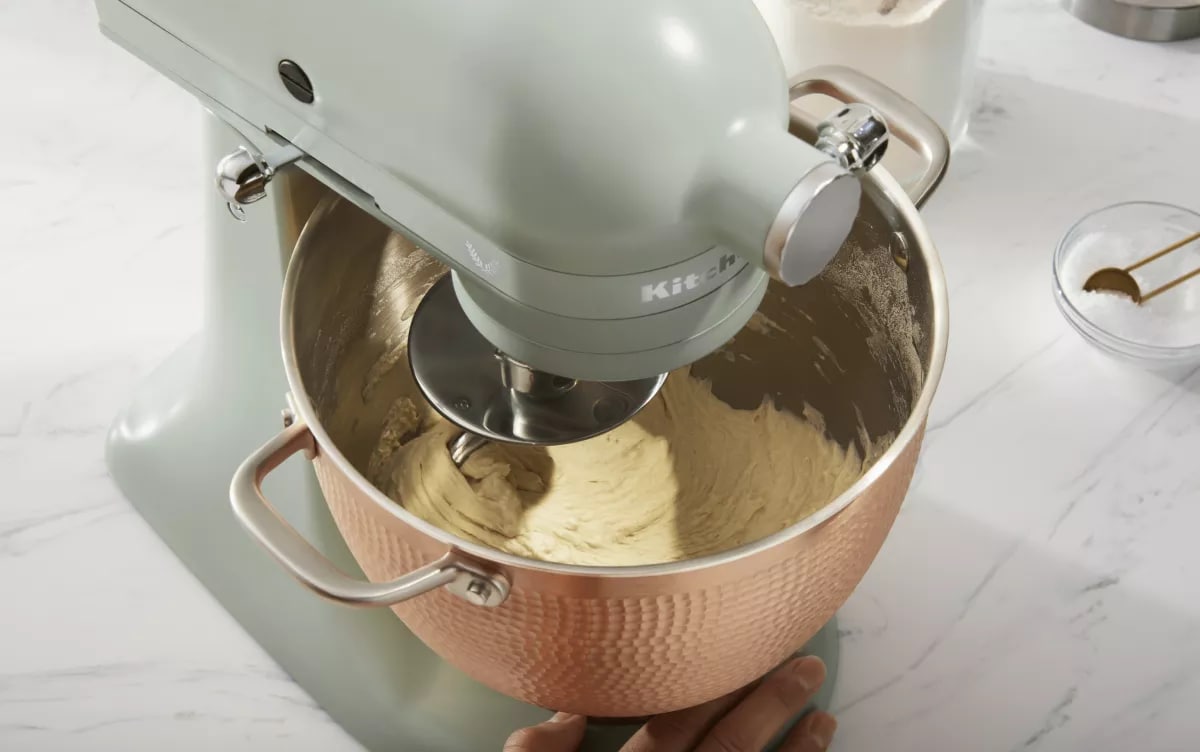
- Place the mixer on a sturdy, flat surface
- Use silicone mats under the mixer
- Choose a mixer with a quiet motor design
- Keep the motor well-maintained and lubricated
Credit: www.kitchenaid.com
Budget Considerations
Choosing a stand mixer for dough depends on your budget. Different models offer different features at varied prices. It is important to balance cost with what you need.
Understanding the options helps you pick the right mixer without overspending. Here are budget categories to consider.
Entry-level Options
Entry-level stand mixers are good for light dough mixing and occasional use. They usually have lower power and smaller bowls.
- Lower price range, often under $150
- Basic motor power, suitable for small batches
- Fewer speed settings and attachments
- Compact size, easy to store
Mid-range Choices
Mid-range mixers offer more power and larger bowls. They handle medium to large dough batches better than entry-level models.
| Price Range | $200 – $400 |
| Motor Power | 300 – 500 watts |
| Bowl Size | 4.5 to 6 quarts |
| Features | Multiple speeds, better attachments |
High-end Models
High-end stand mixers are built for frequent use and large batches. They come with powerful motors and many attachments.
Benefits of high-end models include:
- Strong motors over 500 watts
- Large bowls, often 6 quarts or more
- Durable metal construction
- Wide range of attachments for versatility
- Longer warranty and better support
Brand Recommendations
Selecting the right stand mixer for dough depends on the brand you choose. Some brands offer better durability and power.
Good brands also provide excellent customer support and reliable performance over time.
Top Brands In The Market
KitchenAid is a popular brand known for strong motors and many attachments. Their mixers handle heavy dough well.
Cuisinart offers mixers with solid build quality and good speed options. They are often more affordable.
- KitchenAid: powerful, durable, many accessories
- Cuisinart: reliable, budget-friendly, easy to use
- Hamilton Beach: simple design, affordable, decent for light dough
- Breville: advanced features, strong motor, sleek design
Customer Reviews And Ratings
Customers often praise KitchenAid for its long life and strong dough handling. Many say it works well for bread and pizza dough.
Cuisinart mixers get good ratings for value and ease of cleaning. Some users mention it suits small kitchens better.
| Brand | Average Rating | Common Feedback |
|---|---|---|
| KitchenAid | 4.7/5 | Very durable, handles thick dough easily |
| Cuisinart | 4.3/5 | Good value, easy to clean |
| Hamilton Beach | 4.0/5 | Simple, affordable, best for light dough |
| Breville | 4.5/5 | Strong motor, modern look |

Credit: www.bonappetit.com
Where To Buy
Choosing the right stand mixer for dough starts with knowing where to buy it. Different places offer different models and prices. It helps to know your options before you decide.
Some buyers prefer shopping online for convenience. Others like to see the product in person. There are also chances to find good deals on used mixers.
Online Retailers
Online stores offer many choices and easy price comparisons. You can read reviews from other buyers. Delivery often comes right to your door.
- Amazon
- Walmart
- Best Buy
- Specialty kitchen stores like Sur La Table
- Manufacturer websites like KitchenAid or Cuisinart
In-store Options
Shopping in physical stores lets you see and touch the mixer. You can ask staff questions and check the weight and size. Some stores offer in-store demos.
| Store | Advantages | Considerations |
| Department stores | Wide selection, easy returns | May have higher prices |
| Kitchen specialty stores | Expert advice, demos | Smaller selection |
| Big-box retailers | Competitive prices | Less personalized service |
Secondhand Opportunities
Buying used mixers can save money. Many mixers last long if well cared for. Look for trusted sellers and inspect the mixer before buying.
- Check online marketplaces like eBay or Facebook Marketplace
- Visit local thrift shops or consignment stores
- Ask in community groups or forums
- Test the mixer’s motor and attachments if possible
Frequently Asked Questions
What Is The Ideal Motor Power For Dough Mixing?
A stand mixer with 300 watts or more is ideal for dough. Higher power ensures efficient kneading and consistent dough texture. Low-power mixers may struggle with heavy dough, causing motor strain or uneven mixing.
Which Attachments Are Best For Mixing Dough?
Use the dough hook attachment for kneading dough. It mimics hand-kneading and handles thick, heavy doughs well. Avoid beaters or whisks, as they are designed for lighter batters and won’t knead dough effectively.
How To Choose The Right Bowl Size For Dough?
Select a bowl size between 4. 5 to 6 quarts for most doughs. This size accommodates rising dough and prevents overflow during mixing. Larger bowls suit bigger batches, while smaller bowls are good for light or small doughs.
Does Stand Mixer Speed Affect Dough Quality?
Yes, slower speeds are better for kneading dough. High speeds can overwork the dough and damage gluten structure. Most mixers have a “dough” setting or low speed ideal for consistent kneading.
Conclusion
Choosing the right stand mixer for dough is easier with clear tips. Focus on motor power, bowl size, and attachments. Think about your baking needs and kitchen space. A good mixer saves time and effort while making dough. Trust your judgment and pick a model that feels right.
Enjoy baking with the right tool by your side. Happy baking!