

Choosing your first stand mixer can feel overwhelming. There are so many options, features, and brands to consider.
But don’t worry—this guide will make it simple for you. You’ll learn exactly what to look for, so you pick a mixer that fits your needs and makes baking easier and more fun. Keep reading, and soon you’ll be ready to create delicious treats with confidence.
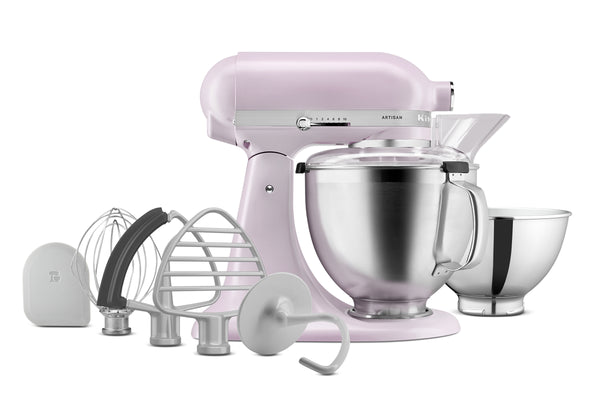
Credit: kitchenaid.com.au
Importance Of A Stand Mixer
A stand mixer is a powerful tool in the kitchen. It makes cooking and baking faster and easier for beginners.
This machine helps mix, beat, and knead dough without much effort. It saves time and gives better results.
Saves Time And Effort
A stand mixer can do many tasks quickly. It mixes ingredients much faster than mixing by hand.
It also reduces the effort needed to prepare recipes. You can focus on other cooking steps while it works.
Consistent Mixing Results
Stand mixers provide steady and even mixing every time. This helps create smooth batters and doughs.
Consistent mixing improves the texture and taste of your baked goods. It also lowers the chance of mistakes.
Versatility In The Kitchen
Many stand mixers come with different attachments. These let you do more than just mix ingredients.
You can use a stand mixer to whip cream, knead bread dough, and even make pasta or ice cream.
Hands-free Operation
A stand mixer allows you to work hands-free. You can add ingredients or prepare other parts of your recipe while it runs.
This makes cooking more efficient and helps beginners manage multiple tasks with ease.
Durability And Long-term Use
Stand mixers are built to last. They use strong motors and sturdy parts that handle heavy mixing jobs.
Buying a quality stand mixer means you can use it for many years. It becomes a reliable kitchen helper.

Credit: www.independent.co.uk
Types Of Stand Mixers
Choosing the right stand mixer can make baking easier. Stand mixers come in different types. Each type has its own features and uses.
Knowing the types helps beginners pick a mixer that fits their needs. Here are the main types you should know about.
Tilt-head Mixers
Tilt-head mixers have a head that lifts up. This makes it easy to add ingredients or change attachments. They are lighter and usually less expensive.
These mixers work well for small to medium batches of dough or batter. The tilt-head design gives good access to the bowl.
Bowl-lift Mixers
Bowl-lift mixers have a lever that raises and lowers the bowl. This design is sturdy and good for heavy doughs.
- Better stability for thick dough
- Usually larger and heavier
- Common in professional kitchens
- More expensive than tilt-head mixers
Bowl-lift mixers are great if you bake often or need to mix large batches. They hold the bowl firmly in place during mixing.
Handheld Vs. Stand Mixers
Handheld mixers are small and easy to store. They are good for light mixing tasks. Stand mixers are bigger and more powerful.
| Feature | Handheld Mixer | Stand Mixer |
| Power | Lower | Higher |
| Size | Compact | Large |
| Best For | Light mixing, small batches | Heavy dough, large batches |
| Price | Less expensive | More expensive |
Choose a handheld mixer for simple tasks. Pick a stand mixer for frequent or heavy baking.
Key Features To Consider
Choosing the right stand mixer can make cooking easier. Focus on features that fit your needs.
Look closely at the power, size, and attachments before buying. These affect how well the mixer works.
Power And Speed Settings
Power helps the mixer handle tough dough and large batches. Speed settings let you control mixing speed for different tasks.
- Choose at least 250 watts for good power
- Look for 6 to 10 speed settings for versatility
- Variable speed control helps avoid splashes
Bowl Size And Material
The bowl size should match the amount of food you plan to make. Materials affect durability and cleaning.
| Size | Best For | Material | Benefits |
| 3 to 4 quarts | Small families, small batches | Stainless steel | Durable, easy to clean |
| 5 to 6 quarts | Medium to large families | Glass | See contents, heavier |
| 7 quarts and up | Large batches, baking often | Aluminum | Lightweight, strong |
Attachments And Accessories
Attachments add more uses for your mixer. Check which ones come with the model or if you can buy them later.
- Flat beater for mixing batter and dough
- Whisk for whipping cream and egg whites
- Dough hook for kneading bread dough
- Optional pasta maker or food grinder attachments
Budget Considerations
Choosing a stand mixer means thinking about your budget. Prices vary widely based on features and brand.
Understanding your options helps pick the best mixer for your money.
Entry-level Options
Entry-level stand mixers are affordable and good for simple baking tasks. They usually have lower power and fewer attachments.
- Price range: $50 to $150
- Basic mixing speeds
- Plastic or lightweight metal body
- Limited or no extra attachments
Mid-range Choices
Mid-range mixers balance cost and features. They offer more power and several attachments for versatile use.
| Price Range | $200 – $400 |
| Motor Power | 300 – 500 watts |
| Common Attachments | Whisk, dough hook, paddle |
| Build | Metal body, more durable |
High-end Models
High-end stand mixers are for serious bakers. They have strong motors, many attachments, and last long.
- Price often above $400
- Heavy-duty metal construction
- Multiple speed settings
- Wide range of attachments like pasta makers
- Usually come with longer warranties
Brand Reputation And Reviews
Choosing the right stand mixer can be hard for beginners. Brand reputation helps you find trusted products.
Reading reviews shows real user experiences. This helps you avoid problems and pick a good mixer.
Why Brand Reputation Matters
A strong brand usually means good quality and service. Brands with a good name stand behind their products.
New users can trust brands that have proven themselves over time. This lowers the risk of buying a bad mixer.
How To Check Brand Reputation
Look for brands that have been in the market for many years. Check how often they update their mixers.
- Search for brand history and background
- Check if the brand offers good customer service
- See if the brand gets awards or recognition
Reading Customer Reviews
Customer reviews give honest opinions about stand mixers. Read both positive and negative feedback.
Look for reviews that talk about mixer durability and ease of use. This helps you know what to expect.
- Focus on reviews with detailed experiences
- Check reviews from verified buyers
- Note common problems mentioned by users
Using Review Scores Wisely
Review scores show overall satisfaction. Scores closer to five stars usually mean better mixers.
Don’t rely only on high scores. Read comments to understand why users gave those ratings.
| Score | Meaning |
|---|---|
| 4.5 – 5 stars | Highly reliable and liked by most users |
| 3 – 4 stars | Good mixer but may have minor issues |
| Below 3 stars | Often has problems or poor performance |
Space And Storage Needs
Choosing a stand mixer means thinking about your kitchen space. These machines can be large and heavy. You need room for use and storage.
Knowing your kitchen layout helps pick the right mixer size. Also, consider where to keep it when not in use.
Counter Space Requirements
Stand mixers take up space on your counter. Measure the area before buying. Some mixers are compact, others larger.
A mixer with a large bowl or heavy motor needs more room. Make sure there is space to move the mixer parts easily.
Storage Options
Think about where you will store the mixer. It can be on a shelf, in a cabinet, or on the counter.
- Check if the mixer fits in your cabinet height and width.
- Consider mixers with detachable parts for easier storage.
- Some models have covers to keep them clean while stored.
- Weight matters if you plan to move the mixer often.
Kitchen Layout And Accessibility
Place your mixer where it is easy to reach and use. Avoid spots that block other kitchen tools.
| Kitchen Area | Recommended Mixer Size | Storage Tip |
| Small Counter | Compact or Mini | Store in cabinet or on shelf |
| Medium Counter | Standard Size | Keep on counter or low shelf |
| Large Counter | Full Size | Leave on counter for quick use |
Maintenance And Care Tips
Keeping your stand mixer clean and well-maintained helps it last longer. Good care keeps your mixer working smoothly every time.
Regular maintenance prevents damage and keeps your mixer safe to use. Follow simple steps to care for your machine properly.
Cleaning After Each Use
Cleaning your stand mixer after every use stops food buildup. Use warm, soapy water to wash attachments and parts you can remove.
Wipe the mixer body with a damp cloth. Avoid letting water enter the motor or electrical parts.
Lubrication And Moving Parts
Check your mixer’s manual for lubrication advice. Some mixers need oil or grease on gears and moving parts to stay smooth.
- Use only recommended lubricants
- Apply lubricant sparingly
- Avoid over-lubricating to prevent dirt buildup
- Lubricate after cleaning and drying parts
Storage Tips To Protect Your Mixer
Store your stand mixer in a dry, cool place. Keep it covered or in a cabinet to avoid dust and damage.
| Storage Tip | Reason |
| Cover mixer with a cloth | Prevents dust and debris |
| Keep in dry area | Avoids rust and electrical issues |
| Unplug when not in use | Prevents accidental damage |
| Store attachments together | Prevents loss and damage |
Checking For Wear And Tear
Look over your mixer parts regularly. Check for cracks, loose screws, or worn belts. Fix or replace parts if needed.
Signs to watch for:
- Unusual noises or vibrations
- Mixing attachments not turning smoothly
- Visible cracks or damage on attachments
- Electrical cord fraying or damage
:max_bytes(150000):strip_icc()/Testing-KitchenAid_Artisan_MiniPlus_4-RussellKilgore-0009-1-b73c450366404fd8a52c87532b3eae7c.jpeg)
Credit: www.southernliving.com
Warranty And Customer Support
Buying a stand mixer is a big step for beginners. Checking the warranty and customer support is important. These factors protect your investment and help solve problems fast.
Good warranty and support give peace of mind. They show the brand cares about its products and customers.
Understanding Warranty Coverage
Look for a clear warranty that covers parts and labor. A longer warranty means the mixer is built to last. Check what damages are included and excluded.
Some brands offer one-year warranties. Others provide up to five years. Choose a warranty that fits your needs and budget.
- Check how long the warranty lasts
- See if it covers repairs and replacements
- Know what damages the warranty excludes
- Confirm if the warranty is transferable
Evaluating Customer Support Quality
Good customer support helps you fix issues quickly. Find out if the brand offers phone, email, or chat help. Fast and friendly service saves time and stress.
Read reviews about customer support. See if other buyers got good help. Support that understands beginners is a big plus.
- Look for multiple contact options
- Check support hours and response times
- Read customer reviews about service
- Find out if they offer user guides or videos
Popular Stand Mixer Brands
Choosing the right stand mixer can be hard for beginners. Many brands offer different features and prices.
Knowing popular brands helps you find a mixer that fits your kitchen and needs.
Kitchenaid
KitchenAid is a well-known brand for stand mixers. They offer durable mixers with many color options.
Their mixers have strong motors and many attachments for different tasks.
- Durable metal construction
- Wide range of colors
- Many attachments available
- Strong motor for heavy dough
Cuisinart
Cuisinart offers stand mixers that are easy to use. They often come with useful accessories.
The brand focuses on good performance with a simple design.
- Simple and practical design
- Includes useful attachments
- Good motor power
- Affordable price range
Hamilton Beach
Hamilton Beach mixers are budget-friendly and good for small kitchens. They are lightweight and easy to store.
These mixers work well for basic mixing tasks and are good for beginners.
- Affordable and lightweight
- Compact design
- Easy to use
- Suitable for light mixing jobs
Frequently Asked Questions
What Size Stand Mixer Is Best For Beginners?
A 4. 5 to 5-quart stand mixer is ideal for beginners. It handles most recipes without being bulky. This size balances capacity and kitchen space efficiently.
Which Attachments Are Essential For A Beginner’s Stand Mixer?
Start with a flat beater, dough hook, and whisk. These cover most baking and mixing needs. Additional attachments can be added later.
How Important Is Motor Power In A Stand Mixer?
A motor with 250-300 watts is sufficient for beginner use. It provides enough power for typical mixing tasks without overheating.
Should Beginners Choose Tilt-head Or Bowl-lift Mixers?
Tilt-head mixers are generally easier for beginners due to simple access. Bowl-lift models offer stability but are often pricier.
Conclusion
Choosing the right stand mixer can make baking easier and more fun. Focus on size, power, and attachments that fit your needs. Think about your kitchen space and how often you will use it. A good mixer saves time and helps create tasty treats.
Take your time to compare options before deciding. Enjoy baking with your new stand mixer!