
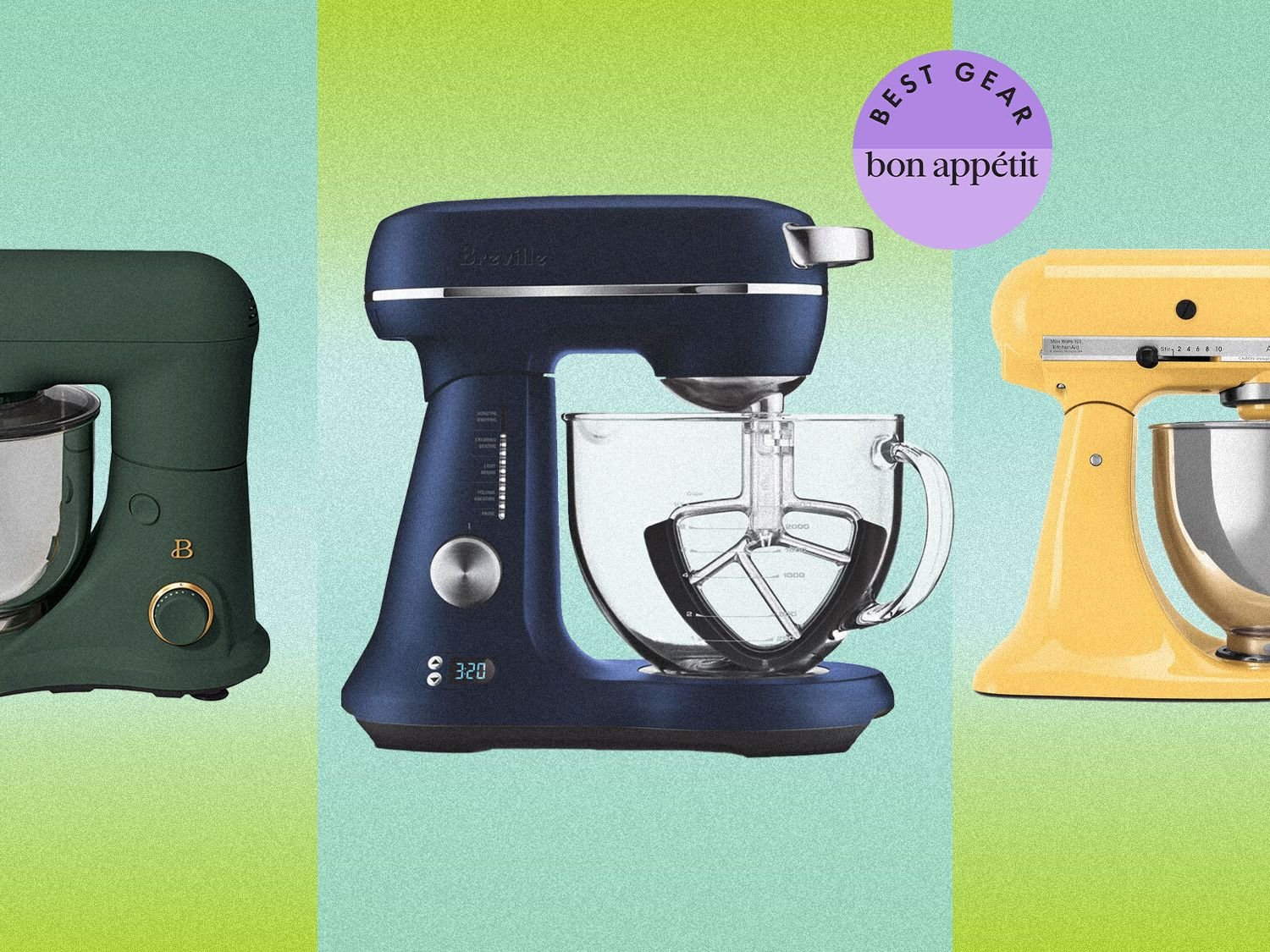
Choosing the right stand mixer can change the way you bake forever. Whether you’re whipping up cakes, kneading dough, or mixing batter, the perfect mixer makes every step easier and more enjoyable.
But with so many options out there, how do you find the one that fits your needs and kitchen? You’ll discover simple tips and clear advice to help you pick a stand mixer that matches your baking style and budget.
By the end, you’ll feel confident and excited to make your next baking project a breeze. Keep reading to find your ideal stand mixer!
Key Features To Consider
Choosing the right stand mixer makes baking easier and more fun. Focus on features that match your baking needs and kitchen space.
Look closely at the size, power, and tools the mixer offers. These details help you pick a mixer that fits your cooking style.
Bowl Size And Capacity
The bowl size affects how much dough or batter you can mix at once. Larger bowls suit bigger batches and families.
| Bowl Size | Ideal For |
| 3 to 4 quarts | Small batches and light mixing |
| 5 to 6 quarts | Medium batches for families |
| 7 quarts or more | Large batches and heavy doughs |
Motor Power And Speed Settings
A strong motor handles thick dough and long mixing times. Multiple speeds let you control mixing precision for different recipes.
- Choose a motor with at least 250 watts for home baking
- Look for 6 to 10 speed options
- Slow speeds prevent splatter for delicate tasks
- High speeds help with whipping and beating
Attachments And Accessories
Attachments add versatility to your mixer. Common tools include beaters, dough hooks, and whisks.
- Flat beater for batters and cookie dough
- Dough hook for bread and pizza dough
- Whisk for whipping cream and egg whites
- Optional extras: pasta makers, grinders, slicers
Material And Durability
Look for mixers made with strong metal parts. This ensures the mixer lasts long and stays stable while mixing.
| Material | Benefit |
|---|---|
| Metal housing | Durable and sturdy |
| Plastic parts | Lighter but less durable |
| Stainless steel bowl | Easy to clean and rust-resistant |

Credit: www.eater.com
Types Of Stand Mixers
Stand mixers come in different types. Choosing the right one helps with your baking tasks.
Knowing the main types makes it easier to find a mixer that fits your kitchen and needs.
Tilt-head Mixers
Tilt-head mixers have a head that lifts up. This design gives easy access to the bowl.
These mixers are good for small kitchens. They are lighter and easier to store.
Bowl-lift Mixers
Bowl-lift mixers use a lever to raise and lower the bowl. This keeps the bowl steady during use.
They are usually larger and heavier. This type is great for heavy doughs and big batches.
- Offers strong mixing power
- Good for thick doughs
- More stable on the counter
Hand Mixer Vs. Stand Mixer
Hand mixers are small and easy to move. They work well for light mixing tasks.
Stand mixers are better for heavy mixing. They free up your hands and mix more evenly.
- Hand mixers are cheaper and take less space
- Stand mixers handle bigger jobs with less effort
- Stand mixers come with many attachments
Budget And Pricing
Choosing the right stand mixer depends a lot on your budget. Prices vary based on features and brand quality.
Knowing what each price range offers helps you find the best mixer for your baking needs.
Entry-level Options
Entry-level mixers are good for simple baking tasks. They have less power but can handle small batches.
- Price range: $50 to $150
- Motor power: 250-350 watts
- Basic attachments like a whisk and dough hook
- Smaller bowl sizes, usually 3 to 4 quarts
Mid-range Mixers
Mid-range mixers suit regular bakers. They offer stronger motors and more features.
| Feature | Description | Price Range |
|---|---|---|
| Motor Power | 350-600 watts for heavy dough | $200-$400 |
| Bowl Capacity | 4.5 to 5.5 quarts for larger batches | Included |
| Attachments | Whisk, dough hook, paddle, plus extras | Included |
| Speed Settings | Multiple speeds for precise control | Included |
High-end Models
High-end mixers are for serious bakers. They have powerful motors and many advanced features.
- Price range: $450 to $700+
- Motor power: 600 watts or more
- Large bowls of 6 quarts or above
- Extra attachments like pasta makers and grinders
- Durable metal bodies and long warranties
Brand Comparisons
Choosing the right stand mixer for baking can be tricky. Many brands offer different features and prices.
Knowing the strengths and weaknesses of popular brands helps you decide which mixer suits your needs.
Popular Brands
Several brands lead the market for stand mixers. These include KitchenAid, Cuisinart, and Hamilton Beach.
Each brand offers various models designed for different baking tasks and budgets.
Pros And Cons Of Each Brand
KitchenAid
KitchenAid is famous for its strong motors and durable design. Many bakers trust this brand for heavy use.
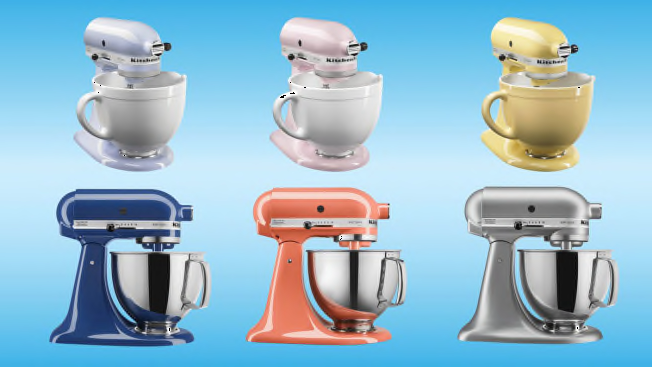
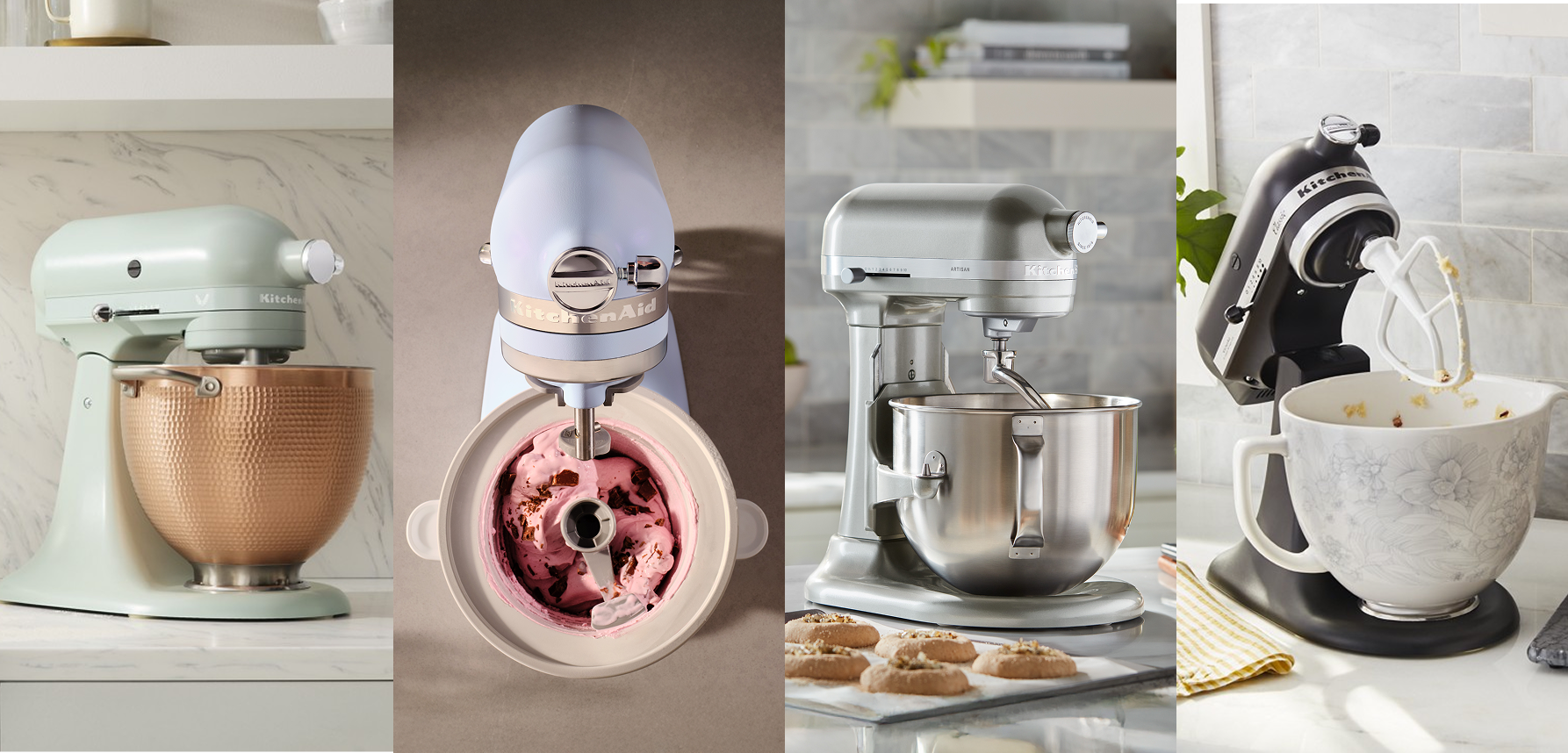
The mixers come in many colors and styles, which makes them popular for kitchens with style.
- Pros: Powerful motor, many attachments, wide color options
- Cons: Higher price, can be heavy and large
Cuisinart
Cuisinart mixers are known for their good balance of price and features. They work well for home bakers.
These mixers often come with useful attachments and have a sleek design.
- Pros: Affordable, good attachments, stylish
- Cons: Less powerful motor, fewer color choices
Hamilton Beach
Hamilton Beach offers budget-friendly stand mixers. They are good for simple baking tasks.
These mixers are lightweight and easy to store but may not last for heavy use.
- Pros: Low price, compact size, easy to use
- Cons: Less powerful, fewer features, smaller bowl
User Reviews And Ratings
User reviews and ratings help you choose the right stand mixer for baking. They show real experiences from buyers. Reading them gives insight into product quality and performance.
Reviews often mention durability, ease of use, and how well the mixer handles dough or batter. Ratings give a quick overview of customer satisfaction.
Where To Find Reviews
You can find user reviews on many websites. Check popular shopping sites, baking forums, and product review platforms. These sources gather many opinions in one place.
- Online retail stores like Amazon and Walmart
- Baking community forums and blogs
- Specialized review websites such as Consumer Reports
- Social media groups focused on baking
Interpreting Ratings
Ratings use stars or numbers to show satisfaction levels. Look beyond the average score to understand details. Some low scores may relate to shipping issues, not product quality.
| Rating | Meaning | What to Check |
| 5 Stars | Excellent | Look for comments on long-term use |
| 3 Stars | Average | Check for common complaints or missing features |
| 1 Star | Poor | Read if issues are about product defects or delivery |
Credit: www.consumerreports.org
Maintenance And Care Tips
Keeping your stand mixer clean and well-maintained helps it last longer. Proper care also ensures it works safely and smoothly. This guide covers key tips on cleaning, storing, and fixing common issues.
Follow these simple steps to keep your mixer in good shape. Regular attention prevents damage and saves repair costs.
Cleaning Techniques
Clean your stand mixer after each use. Remove attachments and wash them with warm soapy water. Wipe the main unit with a damp cloth to remove dust and spills.
- Unplug the mixer before cleaning.
- Use a soft cloth to avoid scratches.
- Do not submerge the motor base in water.
- Dry attachments completely before storing.
- Use a toothbrush to clean small crevices.
Storage Solutions
Store your stand mixer in a dry, cool place. Protect it from dust and moisture. Keep all attachments together to avoid losing parts.
| Storage Tip | Benefit |
| Cover with a dust cloth | Keeps mixer clean |
| Store attachments in a container | Prevents loss and damage |
| Place mixer on a sturdy shelf | Prevents falls and accidents |
| Avoid humid areas | Prevents rust and corrosion |
Troubleshooting Common Issues
Some problems with your mixer can be fixed at home. Check for loose parts or blocked vents. Reset the mixer if it overheats.
- Unplug the mixer before inspecting.
- Tighten any loose attachments or screws.
- Clean vents with a small brush.
- Let the mixer cool down if it stops working.
- Consult the manual for error codes or warnings.
Additional Considerations
Choosing a stand mixer involves more than just power and speed. Some other factors can affect your baking experience. These details help you find the right mixer for your needs.
Think about how the mixer fits your kitchen and the support you get after buying it. These points make using your mixer easier and more enjoyable.
Kitchen Space And Aesthetics
Stand mixers take up space on your countertop. Measure your kitchen area before buying one. Make sure there is enough room for the mixer and its bowl.
The look of the mixer matters too. Pick a color and style that matches your kitchen decor. A nice-looking mixer can add to your kitchen’s charm.
- Check the height and width of the mixer
- Consider if you want a bold or simple color
- Think about storage if you have limited space
Warranty And Customer Support
A good warranty protects you if the mixer breaks. Look for products with at least one year of warranty. This ensures repair or replacement if needed.
Customer support is important for help and questions. Choose brands with easy-to-reach support. Fast and friendly service saves time and stress.
- Check how long the warranty lasts
- See what the warranty covers
- Find out how to contact customer service
- Look for online resources and guides
Credit: www.kitchenaid.com
Frequently Asked Questions
What Size Stand Mixer Is Best For Home Baking?
A 4. 5 to 5-quart mixer suits most home bakers. It handles typical recipes without taking too much counter space.
Which Attachments Are Essential For A Stand Mixer?
A flat beater, dough hook, and whisk are essential. They cover mixing, kneading, and whipping needs for baking.
How Much Power Should A Good Stand Mixer Have?
Look for a mixer with at least 300 watts. Higher wattage ensures efficient mixing, especially for dense doughs.
Are Tilt-head Or Bowl-lift Mixers Better?
Tilt-head mixers are compact and easy to use. Bowl-lift mixers offer more stability for heavy doughs. Choose based on kitchen space and usage.
Conclusion
Choosing the right stand mixer can improve your baking experience. Think about the size, power, and attachments you need. A good mixer saves time and effort in the kitchen. Don’t rush—compare different models carefully before buying. Remember, a reliable stand mixer lasts for years.
Enjoy baking with the perfect tool by your side. Keep these tips in mind to find the best match for your needs. Happy baking!