
Are you tired of your baked goods sticking to the pan or burning on the edges? Choosing the right silicone baking mat can change the way you bake forever.
But with so many options out there, how do you know which one is best for your kitchen? This guide will help you pick a silicone baking mat that fits your needs perfectly, making your baking easier, cleaner, and more enjoyable.
Keep reading to discover simple tips that will transform your baking experience.
Benefits Of Silicone Baking Mats
Silicone baking mats offer many advantages in the kitchen. They make baking easier and cleaner.
These mats help you bake without sticking or using extra oil. They save time and reduce waste.
Non-stick Surface
Silicone baking mats have a smooth, non-stick surface. Food slides off easily without sticking.
This means no scraping or extra grease. It helps keep your baked goods whole and perfect.
Reusable And Eco-friendly
Unlike parchment paper, silicone mats can be reused many times. This reduces waste in your kitchen.
They help you save money and protect the environment by cutting down on disposable baking sheets.
Even Heat Distribution
Silicone mats spread heat evenly across your baking surface. This helps food cook or bake uniformly.
Even cooking means fewer burnt spots and better results every time you bake.
Easy To Clean
Cleaning silicone baking mats is simple. They wash easily with soap and water.
Most mats are dishwasher safe. This saves you time and effort after baking.
Heat Resistant And Durable
Silicone mats can handle high oven temperatures without damage. They stay flexible and strong.
This durability means you can use them for many baking tasks without worrying about wear.
Credit: www.pamperedchef.ca
Key Features To Consider
Choosing the right silicone baking mat makes baking easier and cleaner. This guide helps you find the best mat by focusing on key features.
Knowing what to look for helps you pick a mat that lasts and works well every time.
Material Quality
Good silicone mats use high-quality food-grade silicone. This material is safe and durable. It should be free from harmful chemicals like BPA.
Look for mats that feel thick and flexible. Thin mats can tear or wear out fast.
Heat Resistance
The mat must handle high oven temperatures without melting. Most mats resist heat up to 480°F (250°C).
Check the temperature limit before buying. A good mat keeps its shape and does not release odors when hot.
Size And Shape
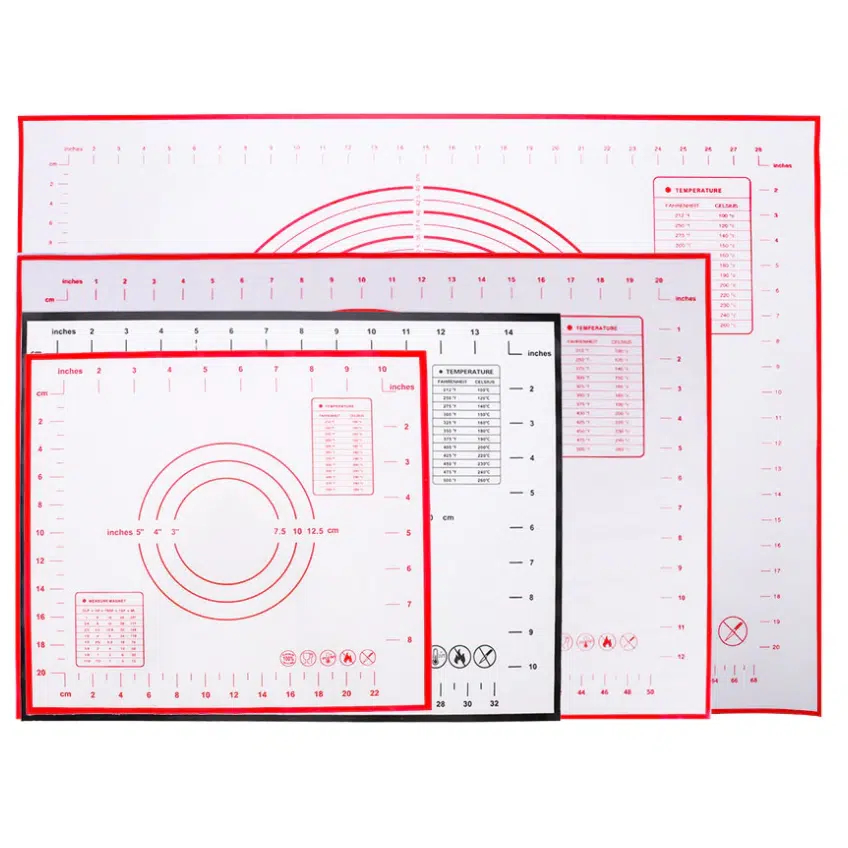
Choose a mat size that fits your baking trays or pans. Common sizes include half-sheet and quarter-sheet mats.
- Half-sheet mats fit standard baking sheets.
- Quarter-sheet mats suit smaller trays.
- Some mats come in rolls for custom sizes.
Pick a shape that matches your baking needs. Rectangular mats are most common, but round mats exist for pizza or pies.
Non-stick Properties
Non-stick mats prevent food from sticking without using extra oil or spray. This makes cleaning easier and healthier.
Check if the mat has a smooth surface. Some mats have a textured pattern to improve airflow and baking evenness.
Comparing Silicone Mats To Alternatives
Silicone baking mats are popular for baking and cooking. Many people wonder how they compare to other options.
This guide looks at silicone mats versus parchment paper, aluminum foil, and traditional baking sheets.
Silicone Vs. Parchment Paper
Silicone mats can be reused many times. Parchment paper is usually single-use and disposable.
Silicone mats provide a non-stick surface without needing extra oil. Parchment paper also helps prevent sticking but may tear.
- Silicone mats are eco-friendly and reduce waste.
- Parchment paper is convenient but creates more trash.
- Silicone mats need cleaning after use; parchment paper is thrown away.
- Both handle heat well, but silicone mats last longer.
Silicone Vs. Aluminum Foil
Aluminum foil is thin and can stick to some foods. Silicone mats have a smooth, non-stick surface.
Foil can tear easily and is not reusable. Silicone mats are durable and can be used many times.
- Silicone mats provide even heat distribution.
- Aluminum foil can cause hot spots in baking.
- Foil is good for wrapping but less ideal for baking sheets.
- Silicone mats clean easily with soap and water.
Silicone Vs. Traditional Baking Sheets
Traditional baking sheets are metal and need greasing to prevent sticking. Silicone mats do not require oil or butter.
Silicone mats protect baking sheets from scratches and stains. They also help with even cooking.
- Baking sheets can warp under high heat; silicone mats keep shape.
- Silicone mats are easy to store and flexible.
- Traditional sheets heat faster but may cause uneven baking.
- Both can be used together for better results.
Top Brands And Models
Choosing the right silicone baking mat makes baking easier and cleaner. Many brands offer different sizes and features.
This guide covers popular brands, budget-friendly options, and premium mats to help you decide.
Popular Brands
Several brands are well-known for their quality silicone baking mats. These brands have earned trust through consistent performance.
- Silpat: Known for durability and even heat distribution.
- AmazonBasics: Offers reliable mats at affordable prices.
- KitchenAid: Provides mats with non-stick surfaces and good flexibility.
- OXO: Features mats that are easy to clean and store.
Best Value Options
Some mats give good quality without high prices. These are great for beginners or casual bakers.
- AmazonBasics Silicone Baking Mat: Affordable and reliable for daily use.
- Homwe Non-Stick Silicone Mat: Budget-friendly and easy to clean.
- Sweet Creations Silicone Mat: Offers good size options at low cost.
Premium Choices
Premium mats often use higher-grade silicone. They last longer and work well for heavy baking tasks.
- Silpat Professional Baking Mat: Heavy-duty and made in France.
- Matfer Bourgeat Silicone Mat: Used by professional chefs for even cooking.
- AirBake Premium Silicone Mat: Features extra thickness for better heat resistance.
Caring For Your Silicone Baking Mat
Silicone baking mats make baking easier and healthier. Taking good care of your mat keeps it working well.
Proper care helps your mat last longer and stay clean. Learn simple ways to clean, store, and maintain it.
Cleaning Tips
Clean your silicone baking mat after each use. Use warm water and mild soap to remove food.
Avoid harsh scrubbing or abrasive pads. These can damage the mat’s surface and reduce its lifespan.
- Rinse with warm soapy water
- Use a soft sponge or cloth
- Remove stuck food gently
- Dry fully before storing
Storage Advice
Store your baking mat flat or rolled loosely. Avoid folding it to prevent creases or cracks.
Keep the mat in a cool, dry place away from direct sunlight. This stops the silicone from breaking down.
- Roll the mat gently for storage
- Place it in a drawer or cupboard
- Keep away from sharp objects
- Do not fold or crease the mat
Longevity And Maintenance
Check your silicone baking mat regularly for signs of wear. Small tears or cracks mean it is time to replace it.
Use the mat only within its temperature limits. Avoid using knives or sharp tools on the surface.
- Inspect mat before each use
- Keep away from extreme heat
- Avoid cutting on the mat
- Replace if damaged or sticky

Credit: www.youtube.com
Common Baking Tips With Silicone Mats
Silicone baking mats are a great tool for easy baking. They help you bake without sticking and clean up fast.
Using silicone mats can change how your food cooks. Some tips will help you get the best results every time.
Temperature Adjustments
Silicone mats handle heat well but can affect baking time. Lower the oven temperature slightly to avoid burning.
Try reducing the heat by 10 to 25 degrees Fahrenheit. Watch your food closely the first few times.
- Set oven 10-25°F lower than usual
- Check food earlier than normal
- Use an oven thermometer for accuracy
Preventing Spills
Silicone mats stop food from sticking but don’t hold liquids well. Use a baking tray under the mat to catch spills.
Pour batter slowly and keep the mat flat to avoid overflow. Clean spills right away to prevent stains.
- Place mat on a baking sheet
- Pour batter gently
- Keep mat flat and even
- Wipe spills quickly after baking
Achieving Even Baking
Silicone mats spread heat evenly but need space for air to flow. Leave some room around the mat on the baking tray.
Rotate trays halfway through baking to help food cook evenly on all sides.
- Use a baking tray with space around the mat
- Rotate tray during baking
- Check food doneness evenly on all sides
Credit: consumersiliconeproducts.com
Frequently Asked Questions
What Are The Benefits Of Using A Silicone Baking Mat?
Silicone baking mats provide non-stick surfaces, reduce the need for oils, and ensure even heat distribution. They are reusable and easy to clean, making baking more efficient and eco-friendly.
How To Choose The Right Size For A Silicone Baking Mat?
Select a mat that fits your baking sheet or pan perfectly. Measure your baking tray and pick a mat that matches those dimensions for best results.
Can Silicone Baking Mats Withstand High Oven Temperatures?
Yes, most silicone baking mats can withstand temperatures up to 480°F (250°C). Always check the manufacturer’s specifications to ensure safe use at your baking temperature.
Are Silicone Baking Mats Safe For Food Preparation?
Silicone baking mats are made from food-grade silicone, which is non-toxic and BPA-free. They are safe for baking and direct food contact.
Conclusion
Choosing the right silicone baking mat makes baking easier and cleaner. Think about size, thickness, and heat resistance first. A good mat lasts long and works well with your oven. Easy cleaning saves time and effort. A non-stick surface helps your baked goods come out perfect every time.
Keep these tips in mind to pick a mat that fits your needs. Happy baking!