
Choosing the right set of kitchen utensils can change the way you cook—and even how much you enjoy it. You want tools that feel comfortable, last long, and make your time in the kitchen easier.
But with so many options out there, where do you start? This guide will help you pick the perfect utensils for your needs, so every meal you make feels like a breeze. Keep reading to discover simple tips that save you time, money, and frustration.
Your ideal kitchen setup is closer than you think.
Assessing Your Cooking Needs
Choosing the right kitchen utensils depends on how you cook. Knowing your needs helps pick tools that fit your style.
Think about what you cook often and how many people you cook for. These points make your selection easier.
Types Of Cooking Styles
Different cooking styles need different utensils. For example, baking requires measuring cups and spoons.
Grilling needs tongs and brushes. Stir-frying uses spatulas and ladles. Knowing your style saves money.
- Baking: measuring tools, whisks, mixing bowls
- Grilling: tongs, brushes, skewers
- Stir-frying: spatulas, ladles, woks
- Boiling: pots, strainers, slotted spoons
Frequency Of Use
Think about how often you cook. Some utensils are used daily, others only sometimes.
Buy durable tools for daily use. For rare cooking, a basic set is enough. This avoids clutter.
- Daily use: knives, cutting boards, spatulas
- Weekly use: peelers, graters, measuring cups
- Rare use: specialty tools like zesters or mandolins
Number Of Users
How many people cook in your kitchen? This affects how many utensils you need.
If many cook, get multiple sets or larger sizes. For one person, a simple set works well.
- Single cook: small set, basic tools
- Couples: medium set, some extra tools
- Families or groups: large set, multiple utensils
Essential Utensils For Every Kitchen
Choosing the right kitchen utensils makes cooking easier and more fun. This guide helps you pick essential tools for your kitchen.
From basic tools to specialty items, each utensil has a role. Knowing what to have saves time and effort in the kitchen.
Basic Utensil List
Start with these simple utensils that every kitchen needs. They cover most cooking and food prep tasks.
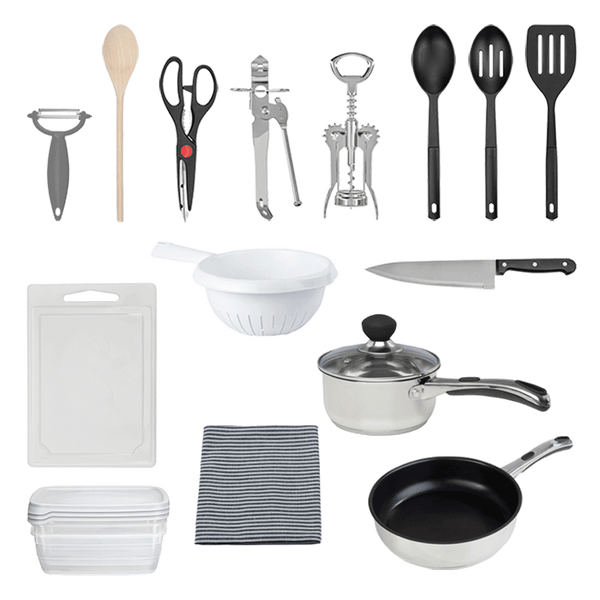
- Chef’s knife
- Cutting board
- Measuring cups and spoons
- Mixing bowls
- Wooden spoon
- Spatula
- Colander
- Can opener
Multipurpose Tools
Multipurpose tools save space and money. They work well for many cooking tasks.
| Tool | Use |
| Tongs | Turn and grab hot food |
| Whisk | Mix sauces and batters |
| Peeler | Remove skin from fruits and vegetables |
| Grater | Shred cheese and zest citrus |
| Kitchen shears | Cut herbs, trim meat, open packages |
Specialty Items
Specialty utensils help with specific recipes or tasks. They are useful if you cook often.
- Garlic press for quick mincing
- Mandoline slicer for uniform slices
- Meat thermometer for perfect cooking
- Rolling pin for baking
- Fish spatula for delicate flipping
Material Options And Their Benefits
Choosing the right kitchen utensils depends on the materials they are made from. Different materials offer unique benefits and suit various cooking needs.
Understanding these materials helps you pick tools that last longer and work better in your kitchen.
Stainless Steel
Stainless steel utensils are strong and resist rust. They do not react with food, keeping flavors pure. These tools are easy to clean and can handle high heat.
Silicone And Plastic
Silicone and plastic utensils are gentle on non-stick cookware. They come in many colors and shapes. These materials are heat resistant but can melt if left on hot surfaces too long.
- Safe for non-stick pans
- Lightweight and easy to use
- Can handle medium heat
- Available in many designs
- May stain or absorb odors
Wooden Utensils
Wooden utensils do not scratch cookware and feel comfortable in hand. They do not conduct heat, so handles stay cool. Wood can absorb moisture and needs careful cleaning.
Copper And Other Metals
| Material | Benefits | Drawbacks |
| Copper | Excellent heat conductor, stylish look | Needs polishing, reacts with acidic foods |
| Aluminum | Lightweight, good heat conductor | Can scratch easily, may discolor food |
| Cast Iron | Durable, retains heat well | Heavy, requires seasoning |
Credit: www.unikitout.com
Understanding Quality And Durability
Choosing kitchen utensils that last saves money and time. Quality tools make cooking easier and safer.
Focus on materials and how utensils are made. This helps pick items that stay strong over time.
Brand Reputation
Good brands often produce reliable kitchen tools. They use better materials and control quality well.
Check reviews and ratings from other buyers. This shows how products perform in real kitchens.
- Trusted brands usually offer warranties
- Look for brands with positive customer feedback
- Brands with long history often maintain quality
Construction And Finish
Sturdy construction means utensils resist bending or breaking. Solid handles and joints are important.
A smooth finish prevents rust and makes cleaning easy. Look for even surfaces without rough edges.
- Metal parts should be thick and well joined
- Plastic handles should feel firm and not cheap
- Check for smooth, chip-free paint or coating
Heat Resistance
Kitchen utensils face high heat from cooking. Heat resistance helps tools keep shape and stay safe.
Materials like silicone and stainless steel usually handle heat well. Avoid plastics that melt or warp.
- Silicone can resist heat up to 450°F (232°C)
- Stainless steel handles high temperatures without damage
- Wood handles stay cool but need careful cleaning
Budget Considerations
Choosing kitchen utensils can be tricky if you do not plan your budget. Knowing how much to spend helps you pick the right tools.
Spending a little time on budget planning saves money and ensures you get what you need.
Setting A Budget
Start by deciding how much money you want to spend on utensils. Think about your cooking style and needs.
Write down a number that feels right. This will guide your buying choices and keep you from spending too much.
Balancing Cost And Quality
Cheap utensils might break or wear out fast. Expensive ones can last longer and work better.
Try to find utensils that are not too cheap or too costly. Look for good materials like stainless steel or silicone.
- Check product reviews for quality
- Compare prices in different stores
- Pick utensils with a warranty if possible
Long-term Investment
Think about how long you will use the utensils. Spending more now can save money later.
Choose durable utensils that last many years. This helps reduce waste and keeps your kitchen ready.
- Buy sturdy handles and strong materials
- Look for easy-to-clean designs
- Consider sets that cover many cooking tasks

Credit: sailsalemonline.com
Space And Storage Solutions
Choosing the right kitchen utensils can be tricky if you have limited space. Good storage helps keep your kitchen neat. It also makes cooking easier.
Smart storage solutions save room and keep utensils ready to use. Think about your kitchen size and how you store items.
Compact Options For Small Kitchens
Small kitchens need utensils that do not take much space. Look for tools with multiple uses. Choose items that can be folded or stacked.
Compact utensils help you cook without clutter. Pick slim designs and collapsible sets to save room.
- Collapsible measuring cups and spoons
- Nesting bowls and mixing sets
- Multi-use tools like a spatula with a whisk end
- Foldable cutting boards
Organizational Tips
Keep your utensils sorted by type or use. Store frequently used items where you can reach them fast. Group similar tools together.
Use drawer dividers or trays to separate utensils. This stops them from getting mixed and messy.
- Sort knives, spoons, and spatulas separately
- Store baking tools in one place
- Keep cooking utensils near the stove
- Use clear containers to see contents quickly
Storage Accessories
Use storage tools to maximize your kitchen space. Hooks, racks, and magnetic strips keep utensils off counters. This frees up workspace.
Choose accessories that fit your kitchen style and size. Wall-mounted holders and drawer organizers work well.
- Wall hooks for hanging ladles and spatulas
- Magnetic knife strips to save drawer space
- Rotating utensil holders for easy access
- Drawer trays for neat utensil storage
Evaluating Safety Features
Choosing kitchen utensils with safety in mind helps prevent accidents. It also keeps your cooking space healthy and clean.
Focus on materials, design, and how to handle utensils safely. These factors protect you while cooking.
Non-toxic Materials
Pick utensils made from safe, non-toxic materials. Avoid items that can release harmful chemicals when heated.
Common safe materials include stainless steel, silicone, and wood. These do not leach toxins into food.
- Stainless steel is durable and rust-resistant
- Silicone is heat resistant and flexible
- Wood is natural but needs proper care
Ergonomic Design
Ergonomic utensils reduce strain on your hands and wrists. They make cooking easier and safer.
Look for handles that fit comfortably in your hand. Non-slip grips help prevent accidents.
- Handles with soft grips reduce slipping
- Balanced weight helps control the utensil
- Shapes that fit your hand prevent fatigue
Safe Handling Tips
Use kitchen utensils carefully to avoid injuries. Follow simple rules for safe use and storage.
Always clean utensils after use. Store sharp tools away from children.
- Keep knives sharp to reduce slipping
- Hold utensils firmly while cooking
- Store utensils in a safe, dry place
- Check for damage before use
Maintenance And Care Tips
Choosing kitchen utensils is important, but caring for them keeps them useful. Proper maintenance saves money and time.
Good care protects your utensils from damage. Follow simple tips to keep them clean and long-lasting.
Cleaning Techniques
Clean utensils after every use to stop germs and stains. Use warm water and mild soap for washing.
Avoid harsh scrubbers that can scratch surfaces. For tough spots, soak utensils in soapy water first.
- Use soft sponges or cloths for cleaning
- Dry utensils fully to prevent rust or mold
- Hand wash wooden tools to avoid cracking
Proper Storage
Store utensils in a dry and clean place. Proper storage stops damage and keeps them ready to use.
Separate sharp tools from others to avoid accidents and damage. Use holders, drawers, or racks for organization.
- Keep knives in a knife block or magnetic strip
- Use utensil holders for spoons and spatulas
- Store wooden utensils away from heat and moisture
Extending Lifespan
Handle utensils gently to avoid bending or breaking. Avoid using metal tools on non-stick surfaces.
Regularly check for wear and replace if needed. Keeping utensils in good shape makes cooking safer and easier.
- Do not leave utensils soaking for long periods
- Use cutting boards to protect blades
- Oil wooden utensils occasionally to prevent drying
Exploring Eco-friendly Options
Choosing kitchen utensils that are eco-friendly helps protect the planet. It also supports healthier cooking habits.
Eco-friendly options come in many forms. You can select products made from sustainable materials or that are recyclable.
Sustainable Materials
Sustainable materials come from natural sources that can grow back quickly. These materials cause less harm to the environment.
Wood, bamboo, and stainless steel are common sustainable choices. They last long and look good in any kitchen.
- Bamboo grows fast and uses little water
- Wood can be recycled or composted
- Stainless steel is durable and non-toxic
Recyclable Products
Recyclable utensils help reduce waste. They can be processed again to make new products.
Look for items made from metals or certain plastics. These materials often have recycling symbols on the packaging.
- Aluminum utensils are lightweight and recyclable
- Stainless steel can be melted and reused
- Some hard plastics can be recycled locally
Environmental Impact
Eco-friendly kitchen utensils reduce pollution and save resources. They use less energy during production.
Choosing these utensils lowers your carbon footprint. It helps protect forests, water, and wildlife.
- Natural materials decompose faster in landfills
- Recyclable items reduce trash and landfill space
- Durable utensils last longer, cutting waste
Credit: www.vevor.com
Where To Buy Your Utensils
Choosing the right place to buy kitchen utensils helps you get good quality items. It also fits your budget and style.
There are many options for buying utensils. You can shop online, visit local stores, or find second-hand sets.
Online Retailers
Online stores offer a wide variety of kitchen utensils. You can compare prices and read reviews before buying.
Shopping online saves time. You can find both basic and specialized utensils easily.
- Check product ratings and customer feedback
- Look for free shipping or discounts
- Verify return policies before purchase
Local Kitchenware Stores
Local stores let you see and touch utensils before buying. This helps to check quality and size.
Staff at these stores can give advice. You can ask questions and get suggestions for your kitchen needs.
- Support local businesses in your community
- Find unique or handmade utensils
- Try items to feel their weight and comfort
Second-hand Options
Second-hand shops and markets offer utensils at lower prices. You can find good quality items that are still useful.
Check used utensils carefully for damage or wear. Cleaning and sanitizing before use is very important.
- Visit thrift stores and flea markets
- Look for estate sales or garage sales
- Use online marketplaces for used items
Frequently Asked Questions
What Are Essential Kitchen Utensils For Beginners?
Essential kitchen utensils include a chef’s knife, cutting board, spatula, ladle, measuring cups, and mixing bowls. These basics help prepare most recipes effectively. Starting with these tools ensures versatility and convenience in everyday cooking tasks.
How To Choose Durable Kitchen Utensils?
Choose utensils made from high-quality materials like stainless steel, silicone, or wood. Check for sturdy handles and heat resistance. Durable utensils last longer and perform better, making them a smart investment for your kitchen.
Which Kitchen Utensils Are Safe For Non-stick Cookware?
Use silicone, nylon, or wooden utensils on non-stick cookware to avoid scratching the surface. Avoid metal tools, as they can damage non-stick coatings, reducing the pan’s lifespan and cooking effectiveness.
How Many Kitchen Utensils Do I Really Need?
A basic set of 10 to 15 utensils covers most cooking needs. Include knives, spoons, spatulas, tongs, and measuring tools. This balance prevents clutter while ensuring you have necessary tools for varied recipes.
Conclusion
Choosing the right kitchen utensils makes cooking easier and more fun. Focus on quality, comfort, and usefulness. Pick tools that fit your cooking style and kitchen space. A good set saves time and helps prepare meals better. Remember, simple and durable utensils work best every day.
Take your time to select items that last. Enjoy cooking with utensils that feel just right. Your kitchen deserves the best tools for every recipe.