
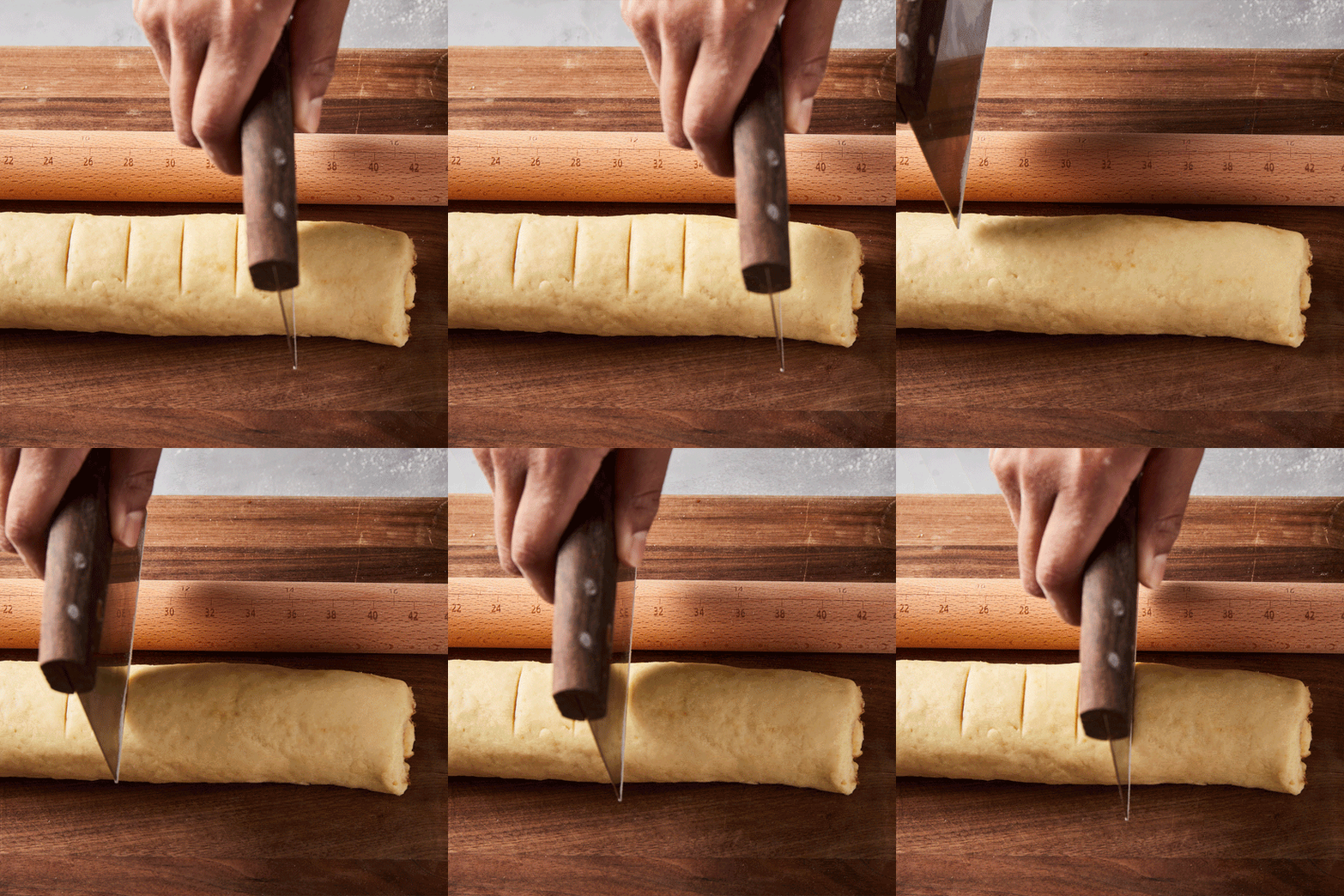
Choosing the right rolling pin can change the way you bake forever. You might think all rolling pins are the same, but the truth is, the one you pick can make your dough smoother, your pastries flakier, and your baking faster.
Imagine feeling confident every time you roll out dough, knowing you have the perfect tool in your hands. You’ll discover simple tips to select the ideal rolling pin that fits your style and needs. Keep reading, and you’ll never struggle with dough again.
Types Of Rolling Pins
Rolling pins come in different types, each with a special use. Choosing the right one helps make baking easier and better.
Look at the material and shape to find the best rolling pin for your needs.
Traditional Wood
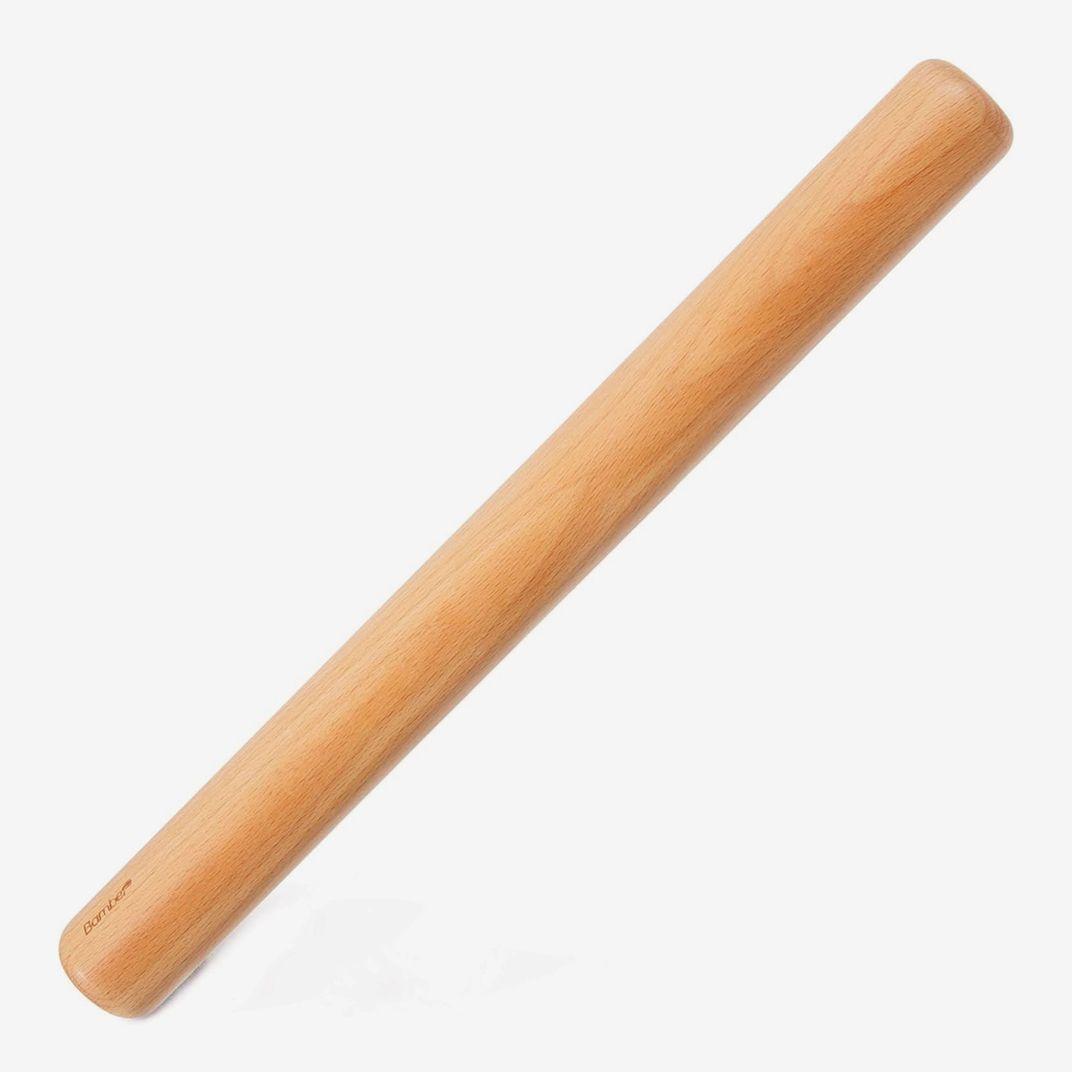
Traditional wood rolling pins are simple and common. They are usually solid and smooth.
Wood holds less heat, so dough does not stick easily. These pins are light and easy to control.
Marble
Marble rolling pins are heavy and cool. They help keep dough cold while rolling.
These pins are smooth and easy to clean. They work well for pastry and cookie dough.
Stainless Steel
Stainless steel pins are strong and durable. They do not absorb smells or stains.
Some have hollow centers that can be filled with ice for extra cooling. They are easy to clean.
French Tapered
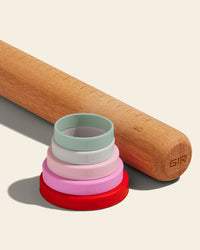
French tapered pins are thinner and lighter than others. They have no handles and taper at the ends.
This shape gives more control and allows rolling in all directions. They work well for delicate dough.
Credit: gir.co
Factors To Consider
Choosing the right rolling pin can make baking easier and more fun. The right pin helps you roll dough evenly and comfortably.
Some key factors affect how well a rolling pin works for you. These include its weight, size, and handle design.
Weight And Balance
The weight of a rolling pin changes how much effort you need. A heavier pin rolls dough faster but can tire your hands.
Balance means how the weight is spread across the pin. A well-balanced pin feels stable and easy to control.
- Heavy pins need less pressure to roll dough
- Light pins give more control for delicate dough
- Balanced pins reduce hand fatigue
Length And Diameter
Length affects how much dough you can roll at once. Longer pins cover more area in one roll.
Diameter changes how thick or thin the pin feels in your hands. Thin pins are easier to move, thick pins are sturdier.
- Long pins suit large doughs and big baking tasks
- Short pins work well in small kitchens or for small doughs
- Choose diameter for comfortable grip and control
Handle Design
Handles help you grip and roll smoothly. Good handles reduce hand strain and improve control.
Look for handles that are easy to hold and spin. Some handles are fixed, others rotate for easier rolling.
- Ergonomic handles fit your hand shape
- Rotating handles help roll dough evenly
- Non-slip grips offer better control
Material Benefits
Choosing the right rolling pin material helps improve baking results. Different materials offer unique benefits.
Understanding the material benefits makes it easier to pick the best rolling pin for your needs.
Durability
Some materials last longer and resist damage better. Wood is sturdy but may crack over time.
Metal rolling pins resist chips and breaks. Marble is strong but can chip if dropped.
- Wood: Strong but needs care to avoid cracks
- Metal: Durable and hard to damage
- Marble: Very sturdy but can chip on impact
Temperature Control
Some materials keep cold better, which helps with dough. Marble stays cool longer than wood or metal.
Cooling dough helps prevent sticking and keeps texture right. Wood and metal warm up faster.
- Marble: Keeps cool, ideal for pastry dough
- Metal: Conducts heat quickly, warms up fast
- Wood: Neutral, warms up with use
Maintenance
Some rolling pin materials need more care than others. Wood requires oiling and hand washing.
Metal and marble rolling pins are easy to clean with soap and water. They do not need special care.
- Wood: Needs regular oiling and gentle cleaning
- Metal: Wash with soap, dry quickly to avoid rust
- Marble: Easy to clean, avoid harsh chemicals
Credit: nymag.com
Best Uses For Each Type
Selecting the right rolling pin makes baking easier and more fun. Different rolling pins suit different baking tasks.
This guide explains which rolling pins work best for pastries, cookies, and bread dough.
Pastry And Dough
Pastry dough needs a smooth and even roll. A thin, lightweight rolling pin helps control pressure well.
Wooden or marble rolling pins are great for pastry. Marble stays cool and prevents dough from sticking.
- Thin wooden pins offer good control
- Marble pins keep dough cool
- Long pins help roll large sheets evenly
Cookies And Biscuits
Cookie and biscuit dough is usually softer. A rolling pin with handles helps roll dough gently and evenly.
Classic wooden rolling pins with handles are popular for cookies. They provide good grip and control.
- Handle pins allow easy pressure control
- Medium weight pins prevent dough tearing
- Non-stick surfaces reduce sticking
Pizza And Bread
Pizza and bread dough are thicker and tougher. A heavier, thicker rolling pin works best to flatten them.
French or tapered rolling pins help shape dough easily. They give good control for thick dough.
- Heavy pins press dough evenly
- Tapered pins help shape edges
- Wood or metal pins work well
Care And Maintenance
Choosing the right rolling pin is only the first step. Proper care keeps it in good shape. Good maintenance helps the rolling pin last longer.
Simple cleaning, smart storage, and regular care protect your rolling pin. This guide shows easy ways to care for your rolling pin.
Cleaning Techniques
Clean your rolling pin right after use. This stops dough from drying and sticking. Use warm water and a soft cloth or sponge.
Avoid soaking wooden rolling pins in water. Too much water can crack or warp the wood. Use a dry towel to dry it well after cleaning.
- Wipe with a damp cloth for light cleaning
- Use mild soap only if needed
- Never put wooden rolling pins in the dishwasher
- Dry completely before storing
Storage Tips
Store your rolling pin in a dry place. Avoid areas with high humidity or direct sunlight. This prevents damage and warping.
Keep the rolling pin on a rack or hanging hook. Do not store it under heavy items. This keeps its shape and surface smooth.
- Use a hanging hook to save space
- Keep away from heat sources
- Store horizontally on a rack or shelf
- Cover wooden pins with a cloth for dust protection
Longevity Practices
Regularly oil wooden rolling pins with food-safe mineral oil. This keeps the wood from drying out and cracking. Oil once a month or when the wood looks dry.
Check your rolling pin for cracks or rough spots. Sand lightly with fine sandpaper if needed. This keeps the surface smooth and safe to use.
- Apply mineral oil regularly to wooden pins
- Use fine sandpaper to smooth rough areas
- Avoid extreme temperatures during use and storage
- Handle with care to prevent dents and cracks

Credit: www.amazon.ca
Expert Recommendations
Selecting the right rolling pin can improve your baking experience. The right choice depends on your needs and budget.
We gathered expert advice to help you pick the best rolling pin. Learn about options favored by professionals and those that fit any budget.
Professional Bakers’ Favorites
Professional bakers prefer rolling pins that offer control and durability. Many choose wooden pins for their balance and feel.
Marble rolling pins are popular too. They stay cool and prevent dough from sticking.
- Wooden pins with smooth surfaces
- Marble pins for keeping dough cool
- Heavy pins for even pressure
- Handles that allow smooth rolling
Budget-friendly Options
Affordable rolling pins can work well for home baking. Look for simple designs without extra parts to save money.
Lightweight wooden or plastic rolling pins are easy to use and clean. They suit occasional bakers and beginners.
- Basic wooden rolling pins
- Plastic pins with smooth surfaces
- Lightweight and easy to store
- Easy to clean by hand
High-end Choices
High-end rolling pins offer superior materials and craftsmanship. They last longer and often have special features.
Options include stainless steel pins and custom handmade wooden pins. These provide precision and a luxury feel.
- Stainless steel pins that resist warping
- Handmade wooden pins with smooth finishes
- Weighted pins for consistent pressure
- Ergonomic handles for comfort
Frequently Asked Questions
What Are The Best Materials For Rolling Pins?
Wood, marble, stainless steel, and silicone are popular rolling pin materials. Wood is traditional and versatile. Marble stays cool and prevents sticking. Stainless steel is durable and easy to clean. Silicone offers a non-stick surface and flexibility for different doughs.
How To Choose The Right Rolling Pin Size?
Select a rolling pin size based on your baking needs. Larger pins cover more dough quickly. Smaller pins offer better control for detailed work. Standard sizes range from 10 to 20 inches. Choose one that fits your workspace and baking style.
Should I Buy A Tapered Or Straight Rolling Pin?
Tapered rolling pins offer better control and ease in rolling dough evenly. Straight pins provide a uniform thickness and are easier for beginners. Your choice depends on comfort and the type of dough you handle most often.
How To Maintain And Clean A Rolling Pin?
Clean wooden rolling pins with a damp cloth; avoid soaking. Marble and stainless steel pins can be washed with soap and water. Dry thoroughly to prevent damage. Regular maintenance extends the pin’s life and keeps dough from sticking.
Conclusion
Choosing the right rolling pin makes baking easier and more fun. Think about the material, size, and handle comfort before buying. Each type suits different dough and recipes. A good rolling pin helps you roll dough evenly and smoothly. Take your time to pick one that fits your needs well.
Enjoy baking with the perfect tool by your side. Simple choices lead to better baking results every time.