
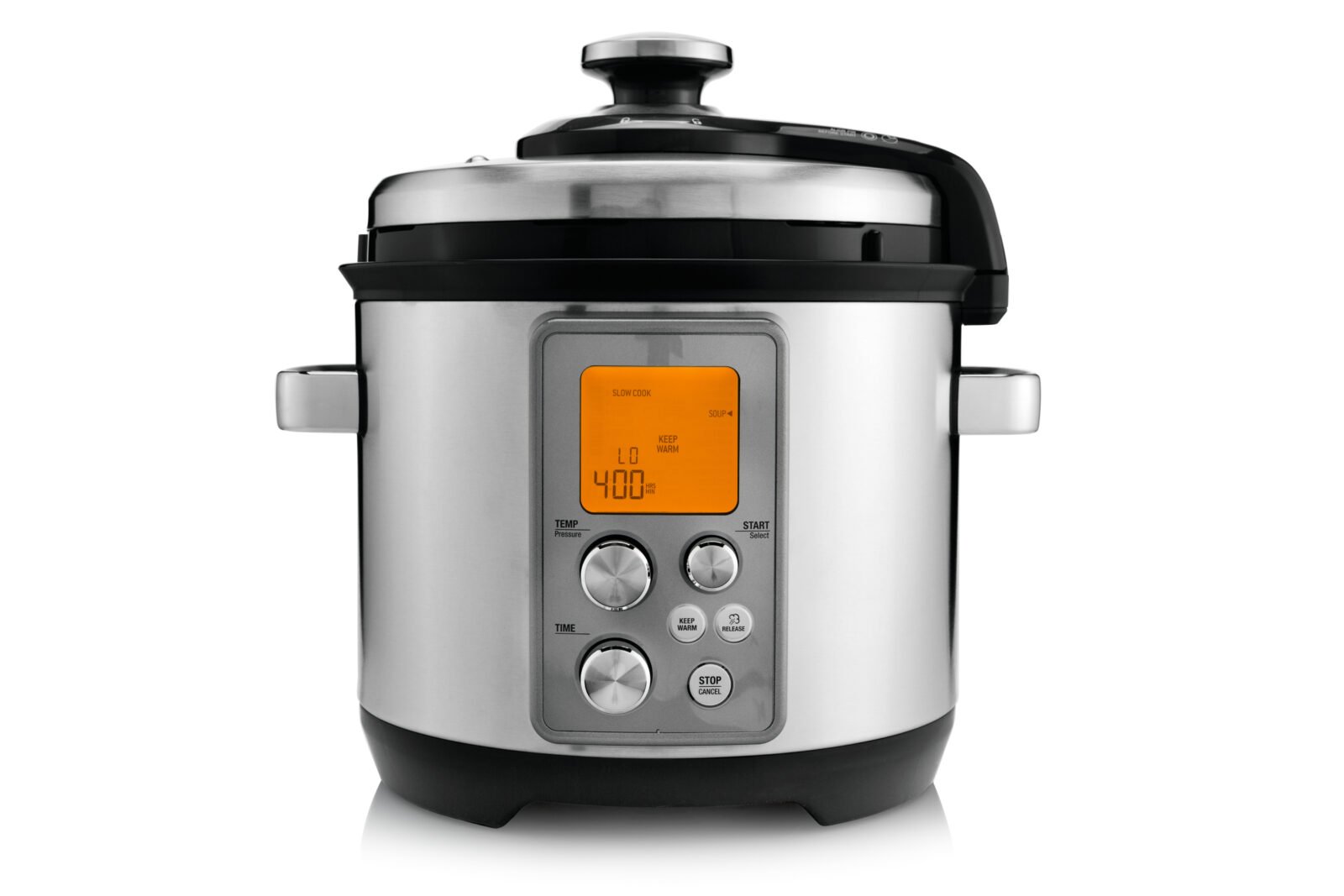
Choosing the right pressure cooker can change the way you cook forever. Imagine saving time, locking in flavors, and making meals that impress—all with one simple kitchen tool.
But with so many options out there, how do you pick the best one for your needs? This guide will help you understand what matters most, so you can make a smart choice without any guesswork. Keep reading, and soon you’ll be cooking faster, easier, and tastier than ever before.
Types Of Pressure Cookers
Pressure cookers save time by cooking food faster than traditional methods. They use steam pressure to raise the boiling point of water. This helps cook food quickly and retain nutrients.
There are different types of pressure cookers. Each type suits different cooking needs and kitchen setups. Understanding these types helps you pick the right one.
Stovetop Pressure Cookers
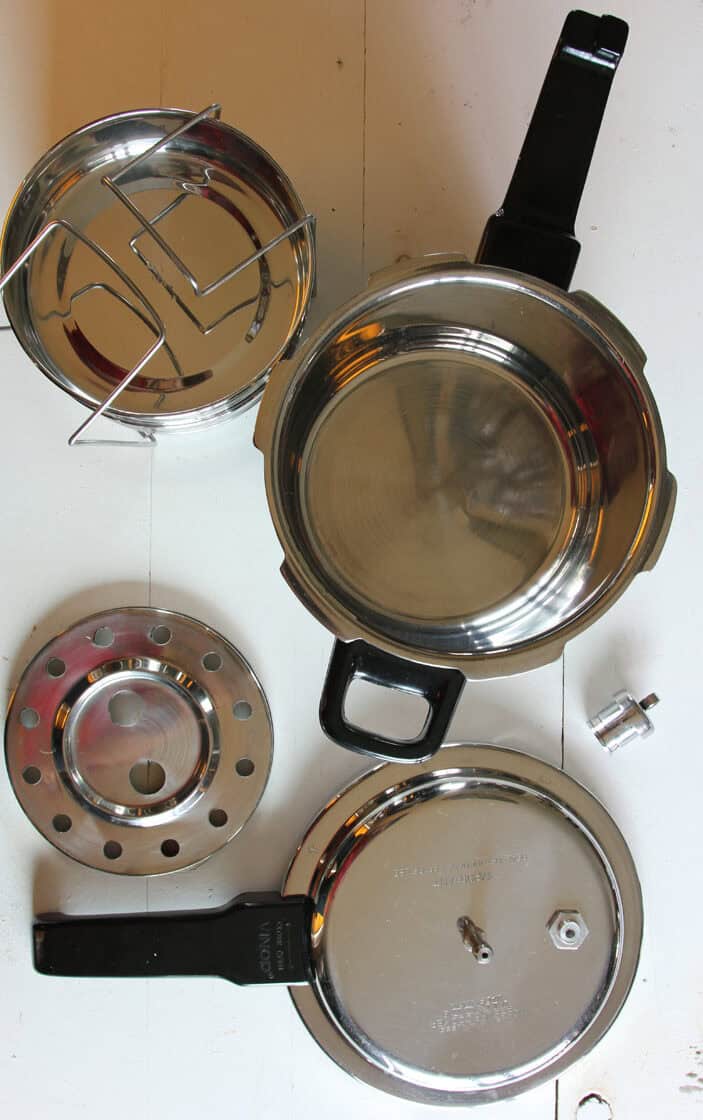
Stovetop pressure cookers are the classic model. They sit on the stove and use heat from the burner. These cookers often reach higher pressures, cooking food faster.
They are made from stainless steel or aluminum. Many cooks like them for their durability and control over cooking time. You must watch them closely while cooking.
Electric Pressure Cookers
Electric pressure cookers plug into the wall and have built-in heating elements. They offer preset cooking programs for different foods. These cookers are easy to use and set and keep a constant pressure.
- Automatic temperature and pressure control
- Timer functions for delayed cooking
- Keep warm feature after cooking
- Safer for beginners with locking lids
Multifunctional Pressure Cookers
Multifunctional pressure cookers combine pressure cooking with other features. They can slow cook, sauté, steam, and even bake. These cookers save space by replacing several kitchen appliances.
| Function | Use |
| Pressure cooking | Cook food fast under high pressure |
| Slow cooking | Cook food gently over hours |
| Sauté | Brown or fry ingredients before cooking |
| Steaming | Cook vegetables or fish with steam |
| Baking | Make cakes or bread inside the cooker |
Material Considerations
Selecting the right material affects a pressure cooker’s durability and heat performance.
Materials also influence maintenance and cooking results.
Stainless Steel Vs. Aluminum
Stainless steel is strong and resists rust and stains. Aluminum heats fast but can dent easily.
| Material | Durability | Heat Conductivity | Maintenance |
| Stainless Steel | High | Moderate | Easy to clean |
| Aluminum | Medium | High | Needs careful cleaning |
Non-stick Options
Non-stick coatings prevent food from sticking and make cleaning easier.
- PTFE coatings are common but can wear out over time.
- Ceramic coatings are natural and free of chemicals.
- Non-stick surfaces need gentle utensils to avoid scratches.
Size And Capacity
Choosing the right size and capacity of a pressure cooker helps you cook efficiently. It saves energy and matches your cooking needs.
Think about how many people you usually cook for and the space where you will keep the cooker.
Family Size Needs
Pick a pressure cooker size that fits your family. A small cooker is good for 1-2 people. Medium sizes suit 3-5 people. Large cookers work well for 6 or more.
- 1-2 people: 2 to 4 liters
- 3-5 people: 5 to 7 liters
- 6 or more people: 8 liters or more
Storage Space Considerations
Check your kitchen space before buying a pressure cooker. Large cookers need more room for storage and use.
| Cooker Size | Approximate Diameter | Storage Tip |
| Small (2-4 liters) | 20-22 cm | Fits in most kitchen cabinets |
| Medium (5-7 liters) | 24-26 cm | Needs a wider cabinet or shelf |
| Large (8 liters or more) | 28+ cm | Store on the countertop or large shelf |
Credit: www.butteredveg.com
Safety Features
Choosing a pressure cooker means looking at its safety features. These features keep you safe while cooking under pressure.
Good safety parts stop accidents and let you cook with peace of mind.
Pressure Release Valves
Pressure release valves let steam escape to keep pressure safe. They stop the cooker from building too much pressure.
Check if the valve is easy to use and clean. It should release steam smoothly without blocking.
- Prevents too much pressure inside
- Easy to open and close
- Made of heat-resistant materials
- Simple to clean and maintain
Locking Mechanisms
Locking mechanisms keep the lid shut tightly. They stop the cooker from opening when pressure is high.
Look for a strong lock that clicks or shows if it is secure. This helps avoid accidents from opening the cooker too soon.
- Prevents lid from opening under pressure
- Shows if lid is locked properly
- Durable and easy to use
- Works well with the pressure gauge
Automatic Shut-off
Automatic shut-off turns off the heat when cooking is done or pressure is too high. It protects against overcooking and accidents.
This feature adds safety by stopping the cooker without you watching it all the time.
- Stops cooking when pressure is correct
- Prevents overcooking or burning
- Works without manual help
- Increases safety during use
Performance And Efficiency
Choosing a pressure cooker means thinking about how well it cooks food. Performance and efficiency are key factors. These affect how quickly your meals are ready and how much energy you use.
A good pressure cooker should spread heat evenly and cook food fast. This saves time and energy in the kitchen.
Heat Distribution
Even heat distribution helps food cook uniformly. If heat spreads well, you avoid hot spots that burn food. This also keeps your meals tasty and safe.
Look for pressure cookers with thick, heavy bases. These usually spread heat better. Materials like stainless steel with an aluminum core work well.
- Thick base prevents food from sticking
- Good materials improve heat flow
- Better heat spread saves energy
Cooking Speed
Pressure cookers cook food faster than regular pots. The sealed environment raises the boiling point, cutting cooking time. Faster cooking saves energy and keeps nutrients.
Choose a cooker that reaches and maintains pressure quickly. This improves efficiency and lowers your cooking times.
- Fast pressure build-up reduces wait time
- Stable pressure keeps cooking consistent
- Quick release options save time after cooking

Credit: shoppurilite.ca
Ease Of Use And Cleaning
Choosing the right pressure cooker means thinking about how easy it is to use and clean. These two factors save time and effort in the kitchen.
Look closely at the control interfaces and which parts can be cleaned in the dishwasher. This makes cooking simpler and cleanup faster.
Control Interfaces
Control interfaces should be clear and easy to understand. Simple buttons or dials help you choose cooking modes quickly.
- Look for large, well-labeled buttons
- Choose models with easy-to-turn dials
- Digital displays should be bright and readable
- Automatic settings reduce guesswork
- Safety locks must be easy to engage and release
Dishwasher Safe Parts
Cleaning pressure cookers is easier when parts fit in the dishwasher. This saves time and keeps your cooker hygienic.
| Part | Dishwasher Safe |
| Inner pot | Yes |
| Sealing ring | Yes, but check manufacturer instructions |
| Lid | Usually no, clean by hand |
| Pressure valve | Depends on model |
| Accessories (steaming rack, etc.) | Often yes |
Budget Considerations
Choosing the right pressure cooker depends on your budget. It is important to balance cost with features you need.
Understanding different price ranges helps you find a cooker that fits your kitchen and wallet.
Affordable Options
Affordable pressure cookers offer basic functions. They work well for simple cooking tasks and everyday use.
- Manual pressure cookers with fewer safety features
- Smaller sizes that use less material and cost less
- Models with simple pressure settings
- Cookers made from lighter metals like aluminum
Premium Features
Premium pressure cookers include extra features for convenience and safety. They suit users who want more control over cooking.
| Feature | Benefit | Price Impact |
| Digital controls | Easy to set precise cooking times | Higher |
| Multiple pressure settings | Cook different foods perfectly | Moderate to high |
| Stainless steel build | More durable and safe | Higher |
| Safety locks and alarms | Prevent accidents during cooking | Moderate |
Brand Reputation And Reviews
Choosing a pressure cooker means looking at the brand’s trustworthiness. Good brands offer quality products that last longer.
Customer reviews give real opinions about how well a pressure cooker works. They help you avoid bad choices.
Top-rated Brands
Top brands have years of experience making kitchen tools. They focus on safety, durability, and ease of use.
Popular brands often offer different models to fit various budgets and needs.
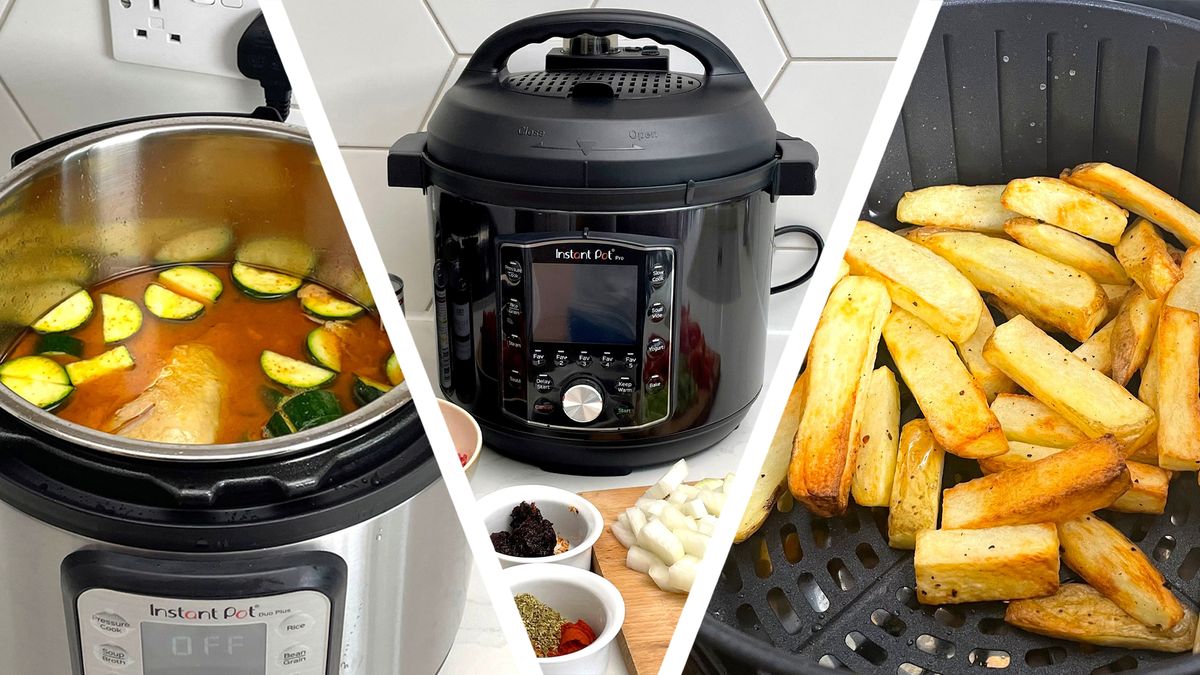
- Instant Pot: Known for multi-function features and good safety
- Presto: Offers simple and reliable pressure cookers
- Fagor: Focuses on strong build and fast cooking
- T-fal: Provides user-friendly designs and good warranties
Customer Feedback
Reading customer reviews shows how a pressure cooker works daily. Look for comments on durability and ease of cleaning.
Check reviews about the cooker’s safety features and cooking times. See if users had any problems or praises.
- Positive reviews often mention fast cooking and safety locks
- Negative reviews may warn about hard-to-clean parts or faulty seals
- Look for verified buyers to get honest opinions
- Review summaries can help spot common issues or benefits
Warranty And Customer Support
Choosing a pressure cooker means looking at more than just features. Warranty and customer support protect your purchase. They ensure help if problems arise.
Good warranty and support save money and time. Know what to expect before buying.
Warranty Periods
Pressure cookers come with different warranty lengths. Longer warranties often mean better product quality. Check what parts the warranty covers.
| Warranty Length | Common Coverage | What to Watch For |
|---|---|---|
| 6 months | Basic defects | Limited parts covered |
| 1 year | Most parts and repairs | Some wear items excluded |
| 2 years or more | Extended parts and labor | Usually requires registration |
Support Availability
Easy access to customer support matters. Check hours and contact methods. Some brands offer phone, chat, or email help.
- Look for 24/7 support if possible.
- Check if support is free or paid.
- See if there are service centers near you.
- Read reviews about support quality.
Credit: www.techradar.com
Frequently Asked Questions
What Size Pressure Cooker Should I Choose?
Choose a pressure cooker size based on your family size. For 1-3 people, 3-liter works well. For larger families, 6 liters or more is ideal. Consider your cooking habits to avoid under or overfilling, ensuring efficient and safe cooking.
Which Material Is Best For Pressure Cookers?
Stainless steel is durable, rust-resistant, and safe for all stovetops. Aluminum heats quickly but may react with acidic foods. Choose stainless steel for longevity and easy maintenance. Material choice affects cooking performance and safety.
How Do I Know If A Pressure Cooker Is Safe?
Look for pressure cookers with multiple safety features like pressure release valves and locking lids. Trusted brands often meet safety certifications. Always read user reviews and manufacturer instructions to ensure your cooker has reliable safety mechanisms.
Can I Use A Pressure Cooker On Any Stove?
Most pressure cookers work on gas, electric, and ceramic stoves. For induction stoves, choose a cooker with a magnetic base. Verify stove compatibility before buying to avoid cooking issues and ensure even heat distribution.
Conclusion
Choosing the right pressure cooker makes cooking easier and faster. Think about size, material, and safety features first. Pick one that fits your kitchen and cooking style. Remember, a good pressure cooker saves time and energy. Use it often to enjoy tasty meals.
Keep these tips in mind for your best choice. Happy cooking!