
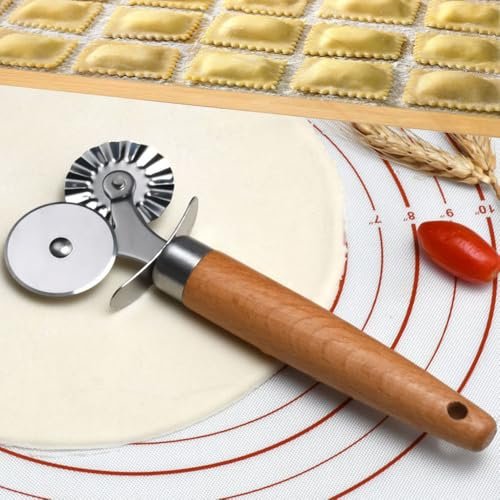
Choosing the right pastry wheel can make a big difference in your baking. Whether you’re cutting dough for pies, tarts, or pasta, the right tool helps you work faster and get cleaner edges.
But with so many options out there, how do you pick the best one for your kitchen? This guide will help you understand what to look for, so you can make your baking easier and more enjoyable. Keep reading to find out how to select a pastry wheel that fits your needs perfectly.
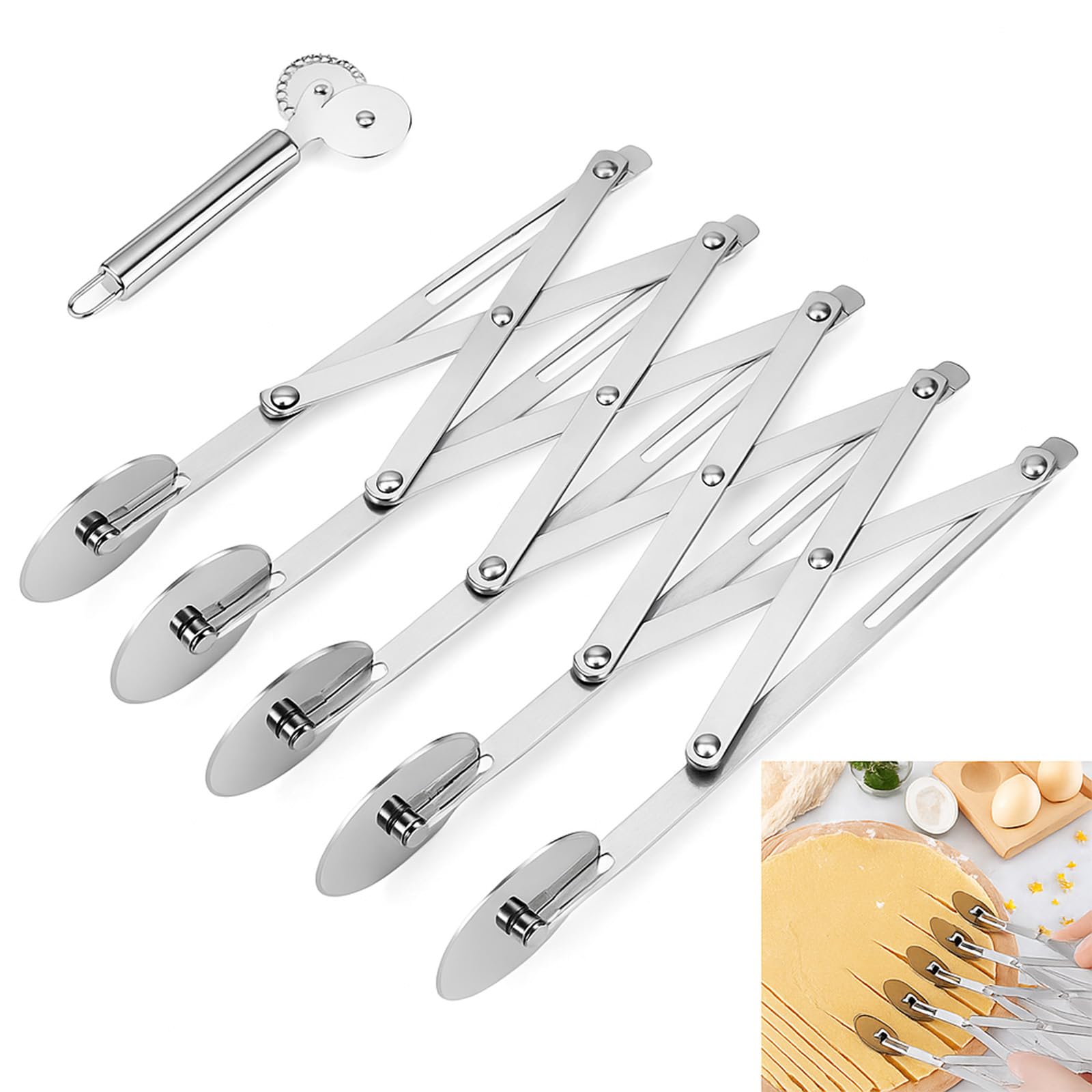
Credit: www.amazon.ca
Types Of Pastry Wheels
Pastry wheels help cut dough for pies, tarts, and other baked goods. They come in different styles for different effects.
Choosing the right pastry wheel can make your baking easier and your desserts look better.
Straight Edge Wheels
Straight edge wheels have a smooth, flat blade. They cut clean, straight lines through dough.
These wheels are good for making strips for lattice tops and neat shapes.
Fluted Edge Wheels
Fluted edge wheels have a scalloped blade. They create wavy, decorative edges on dough.
These wheels add a nice look to pastry borders and cutouts.
Crimped Edge Wheels
Crimped edge wheels have blades that make small, tight folds in dough. This creates a crimped edge.
They help seal pie crusts and add a textured finish.
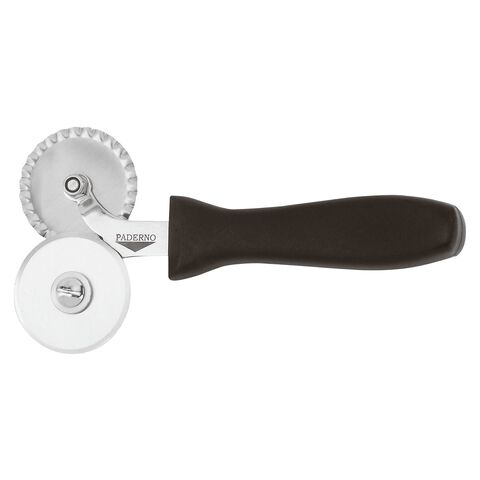
Credit: www.paderno.it
Material Considerations
Choosing the right material for a pastry wheel affects its durability and comfort. The material also influences how well it cuts dough and lasts over time.
Different materials offer unique benefits. Some are easier to clean, while others provide a better grip or look more attractive.
Stainless Steel Options
Stainless steel is a popular choice for pastry wheels. It is strong and resists rust, so it stays sharp for a long time.
This material is easy to clean and does not hold onto food smells. It works well for cutting through thick or sticky dough.
- Durable and long-lasting
- Rust-resistant and easy to clean
- Sharp edges for smooth cuts
- Heavy enough for good control
Plastic Alternatives
Plastic pastry wheels are lightweight and often less expensive. They come in many colors and shapes.
Plastic can be less durable than metal. It may not cut as cleanly but is good for soft dough or crafts.
- Lightweight and easy to handle
- Affordable and colorful options
- Best for soft dough and light use
- May wear down faster than metal
Wooden Handles
Wooden handles give a comfortable and warm grip. They feel natural and reduce hand fatigue during use.
Wood may absorb moisture and requires more care. It pairs well with stainless steel wheels for strength and comfort.
- Comfortable and natural feel
- Reduces hand strain
- Needs careful cleaning and drying
- Works well with metal cutting wheels
Size And Diameter Choices
Choosing the right size of a pastry wheel affects your baking results. Different sizes serve different purposes.
Understanding the diameter helps you pick a wheel that fits your baking needs best.
Small Wheels For Intricate Designs
Small pastry wheels usually have a diameter between 1 and 2 inches. They allow for detailed and precise cuts on dough.
- Perfect for making decorative edges
- Good for cutting small shapes or patterns
- Easier to control on delicate dough
- Ideal for fine lattice work on pies
Large Wheels For Broad Cuts
Large pastry wheels range from 2.5 to 4 inches in diameter. They are best for cutting bigger pieces of dough quickly.
| Diameter | Best Use | Advantages |
| 2.5 inches | Medium cuts | Balances speed and control |
| 3 inches | Large cuts | Faster cutting of big dough pieces |
| 4 inches | Very broad cuts | Ideal for rolling out large sheets |
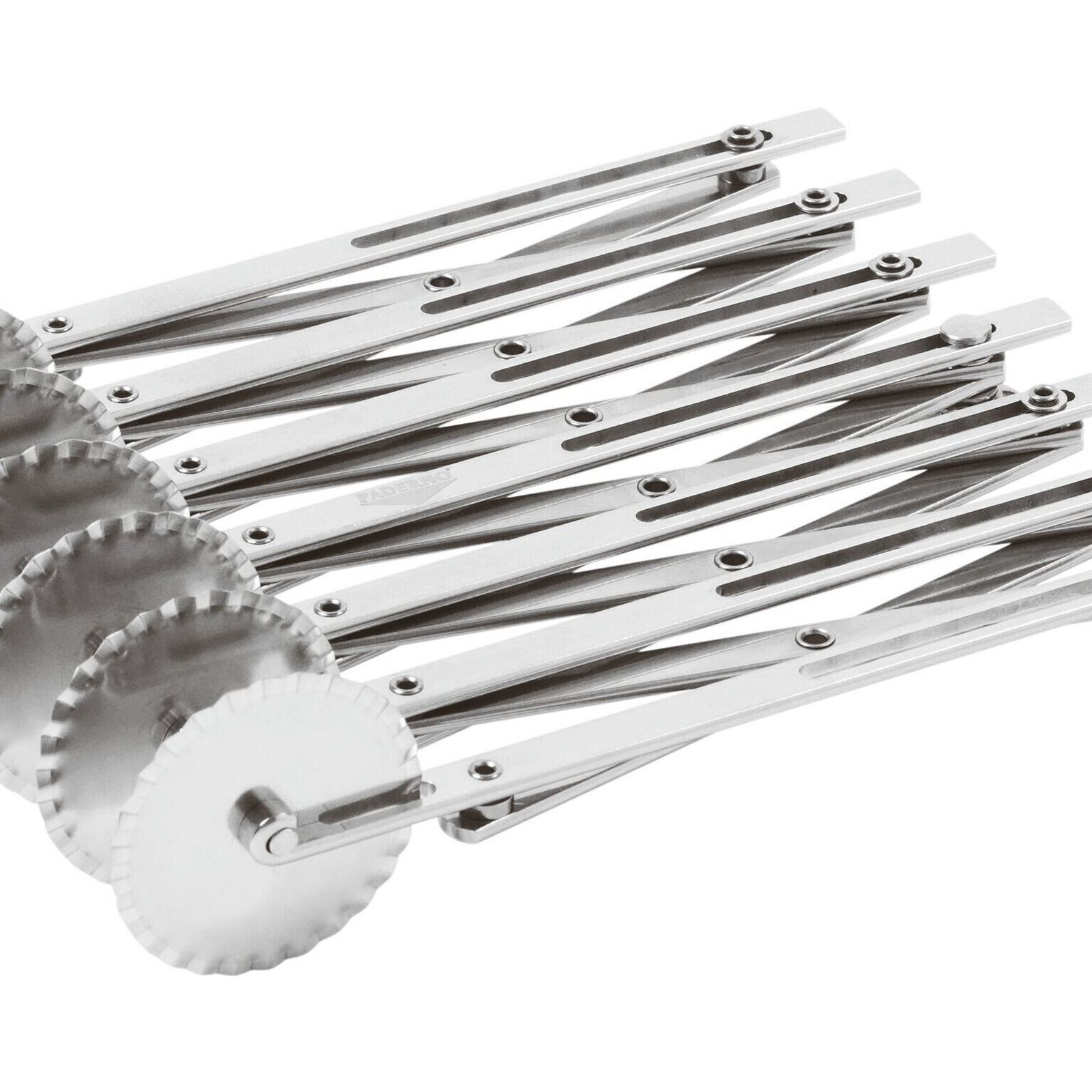
Credit: www.paderno.it
Ergonomic Design Features
Choosing a pastry wheel with ergonomic design helps reduce hand fatigue. Good design makes cutting dough easier and more comfortable.
Look for features that fit your hand and provide better control. This improves your baking experience.
Comfortable Grip
A comfortable grip means the handle fits well in your hand. It should not feel too hard or too soft.
Materials like silicone or soft rubber can make the handle easy to hold for long periods.
- Rounded edges prevent pressure points
- Handle size matches average hand shapes
- Lightweight handles reduce strain
Non-slip Handles
Non-slip handles keep the pastry wheel steady. They stop slipping even if your hands are wet or oily.
Look for textured surfaces or rubber coatings that increase grip.
- Textured patterns add friction
- Rubber coatings resist slipping
- Ergonomic shapes help maintain control
Brand Recommendations
Choosing the right pastry wheel can make baking easier and more fun. Some brands are known for good quality and durability.
Look for brands that offer strong materials and comfortable handles. This helps cut dough smoothly every time.
Top-rated Brands
Many bakers trust these brands for their pastry wheels. They focus on sharp blades and easy grip handles.
- OXO – Known for ergonomic designs and rust-resistant wheels
- Cuisipro – Offers sharp blades and durable stainless steel
- KitchenAid – Combines style with strong performance
- Wilton – Popular for reliable and affordable baking tools
These brands also provide good balance and help create clean cuts in dough.
Budget-friendly Options
You can find good pastry wheels without spending too much. These budget-friendly brands still give solid performance.
- Farberware – Offers simple and effective pastry wheels
- Home Hero – Affordable with comfortable handles
- Chef Craft – Good quality for a low price
- U-Taste – Basic design but sharp and easy to use
These options work well for beginners or casual bakers on a budget.
Maintenance And Care Tips
Keeping your pastry wheel in good shape helps it last longer. Regular care keeps it sharp and clean. This makes baking easier and safer.
Simple maintenance steps prevent rust and damage. You can protect your tool with proper cleaning and storage.
Cleaning Techniques
Clean your pastry wheel right after use. Remove dough and crumbs before they dry. This avoids sticky buildup on the wheel.
Use warm water and mild soap to wash the wheel. Avoid harsh chemicals that can damage the metal or handle. Dry it well to stop rust from forming.
- Rinse with warm water immediately after use
- Use a soft brush to clean between the wheel teeth
- Wash with mild dish soap and avoid strong detergents
- Dry completely with a clean towel or air dry
Storage Solutions
Store your pastry wheel in a dry place to stop rust. Keep it away from moisture and heat. This keeps the wheel sharp and the handle strong.
Use a drawer or container to protect the wheel from damage. Avoid stacking heavy items on top of it. This helps keep the wheel clean and safe.
- Store in a dry, cool area
- Keep in a kitchen drawer or utensil holder
- Use protective covers or cases if available
- Do not place heavy objects on top
Common Mistakes To Avoid
Choosing the right pastry wheel is important for your baking projects. Avoid mistakes that reduce your tool’s effectiveness.
Some errors can damage your pastry or the wheel itself. Learn what to watch out for when selecting and using a pastry wheel.
Overusing Pressure
Pressing too hard with a pastry wheel can tear dough. It also makes uneven cuts that affect baking results.
Use gentle, steady pressure instead. Let the sharp edge of the wheel do the work. This keeps dough smooth and intact.
- Heavy pressure can stretch or tear dough
- Uneven cuts lead to poor baking shape
- Light pressure gives cleaner, more precise cuts
- Practice rolling to control your hand strength
Ignoring Material Compatibility
Pastry wheels come in different materials like plastic, stainless steel, or wood. Not all materials suit every dough type.
Metal wheels are sharp and work well on firm doughs. Plastic wheels suit softer doughs and are safer for kids.
- Metal wheels cut better but may stick to sticky dough
- Plastic wheels are gentler but can dull faster
- Wood handles provide comfort but check for durability
- Match wheel material to your baking needs
Tips For Selecting The Right Wheel
Choosing the right pastry wheel can make cutting dough easier and more precise.
Different wheels suit different types of pastries and usage levels.
Matching Wheel To Pastry Type
Pastry wheels come with smooth or fluted edges. Each type fits certain pastries better.
- Smooth wheels work well for straight cuts and simple shapes.
- Fluted wheels add decorative edges and grip better on soft dough.
- Smaller wheels suit thin dough or detailed work.
- Larger wheels are good for cutting big sheets of dough quickly.
Considering Frequency Of Use
Think about how often you use your pastry wheel. This affects the material and build quality you need.
| Frequency | Recommended Material | Notes |
| Occasional | Plastic or Basic Stainless Steel | Affordable and lightweight |
| Regular | High-Quality Stainless Steel | Durable and easy to clean |
| Professional | Heavy-Duty Stainless Steel or Metal Alloy | Long-lasting and robust |
Frequently Asked Questions
What Is A Pastry Wheel Used For?
A pastry wheel is used for cutting dough into shapes and strips. It helps create decorative edges on pie crusts and pastries. Its sharp, rolling blade makes clean cuts quickly. It’s essential for precise, uniform dough pieces in baking.
How To Choose The Right Pastry Wheel Size?
Select a pastry wheel size based on your baking needs. Smaller wheels are ideal for detailed cuts. Larger wheels work well for straight, long cuts. Consider the type of pastry and design when choosing the size.
What Material Should A Pastry Wheel Be Made Of?
Choose a pastry wheel made of stainless steel for durability and sharpness. Handles can be wood, plastic, or metal, depending on comfort preference. Stainless steel blades resist rust and maintain sharp edges longer.
Can A Pastry Wheel Create Decorative Edges?
Yes, pastry wheels often have fluted or scalloped edges for decoration. These designs add a professional look to pies and pastries. Using a decorative pastry wheel enhances both appearance and presentation.
Conclusion
Choosing the right pastry wheel makes baking easier and more fun. Consider the handle, blade type, and size carefully. Pick a wheel that feels comfortable in your hand. Durable materials ensure your tool lasts a long time. Simple tools help create neat, beautiful pastry edges.
Remember, the best pastry wheel suits your baking style. Take your time to choose wisely. Happy baking!