
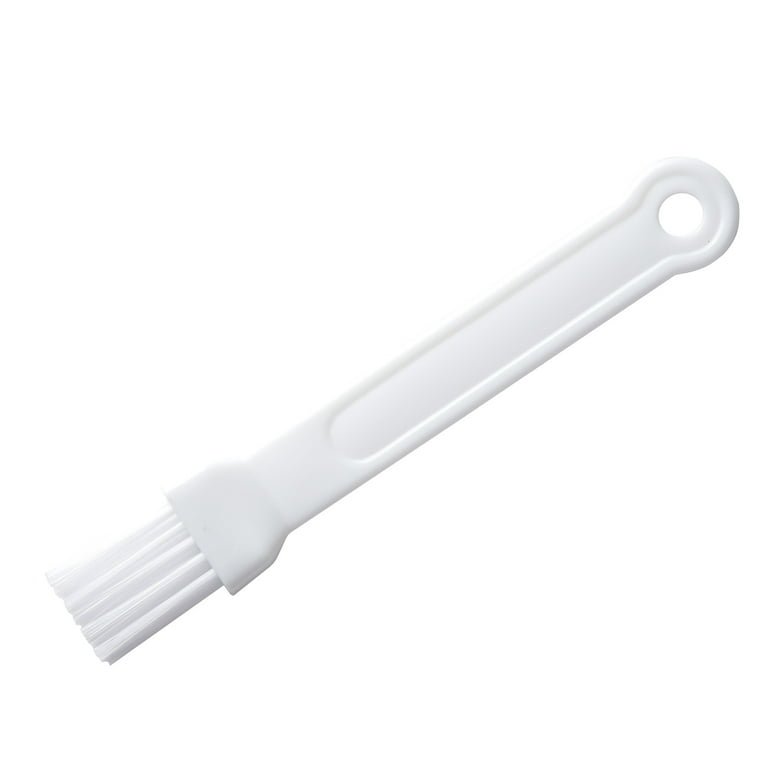
When you bake, every little detail counts — and the right pastry brush can make a big difference. But with so many options out there, how do you choose the one that fits your needs?
You want a brush that feels comfortable in your hand, spreads glaze evenly, and lasts through countless baking sessions. Picking the perfect pastry brush isn’t just about looks; it’s about improving your baking experience and the final result. Keep reading, and you’ll discover simple tips that will help you select the best pastry brush for your kitchen, making your baked goods shine like never before.

Credit: www.amazon.com
Types Of Pastry Brushes
Pastry brushes help spread butter, egg wash, or glaze on baked goods. Choosing the right brush makes baking easier.
There are different types of pastry brushes. They vary by material and shape.
Silicone Vs. Natural Bristles
Silicone brushes have soft, flexible bristles made of rubber. They are easy to clean and do not shed.
Natural bristle brushes use animal hair. They hold more liquid but can be harder to clean and may shed.
- Silicone brushes resist heat well
- Natural bristles soak up more sauce or butter
- Silicone brushes dry faster after washing
- Natural bristles feel softer on delicate dough
Flat Vs. Round Brushes
Flat brushes have a wide, flat surface. They spread liquids evenly over large areas.
Round brushes have a round tip. They offer more control for detail work.
- Flat brushes cover pies or breads quickly
- Round brushes work well for edges and corners
- Flat brushes hold more liquid at once
- Round brushes allow precise application
Size And Shape Considerations
Choosing the right pastry brush size and shape helps you work better. It affects how you apply glazes and sauces.
Small details like width and handle length change your control and comfort. These factors matter for different baking tasks.
Choosing The Right Width
Pastry brushes come in many widths. The width decides how much surface you cover with each stroke.
- Narrow brushes work well for small or detailed areas.
- Medium-width brushes fit most tasks like glazing cookies or breads.
- Wide brushes cover large areas quickly, good for big sheets or pans.
Pick a width that matches your baking needs. Using the wrong size can waste time or glaze.
Long Vs. Short Handles
| Handle Type | Best For | Advantages |
| Long Handle | Deep pans or hot ovens | Keeps hands away from heat, better reach |
| Short Handle | Small bowls or close work | More control and precision |
Long handles give safety and reach. Short handles give better control and fit tight spaces.
Material Choices
Choosing the right material for a pastry brush is important. The material affects how well it works and how long it lasts.
Different materials suit different baking tasks. Knowing the options helps you pick the best brush.
Heat Resistance Factors
Heat resistance means how well the brush holds up to hot temperatures. Some materials melt or get damaged easily.
Silicone brushes resist heat better than natural bristles. They can be used on hot pans without melting.
- Silicone brushes can handle heat up to 500°F (260°C)
- Natural bristles may burn or shrink under high heat
- Nylon brushes resist heat but less than silicone
Durability And Maintenance
Durability means how long the brush lasts with regular use. Some materials wear out faster than others.
Maintenance is how easy the brush is to clean and keep in good shape. Some materials need more care.
- Silicone brushes are easy to clean and very durable
- Natural bristle brushes need gentle washing to avoid damage
- Nylon brushes can break or lose bristles over time
- Wood handles may crack if soaked too long

Credit: www.amazon.com
Functionality And Versatility
A pastry brush is a simple tool that helps spread liquids on food. It adds flavor and texture to baked items.
Choosing the right pastry brush means looking at how well it works and what it can do. This guide covers key points about its use and material compatibility.
Multipurpose Uses
Pastry brushes can do many jobs in the kitchen. Their design makes them useful for tasks beyond baking.
- Applying egg wash to breads and pies for a golden crust
- Spreading butter or oil on pans or dough
- Brushing sauces or glazes on grilled meats or vegetables
- Dusting flour off surfaces to keep dough from sticking
- Cleaning crumbs or excess flour from baked goods
Compatibility With Different Ingredients
Not all pastry brushes work well with every ingredient. Some materials absorb or shed fibers, affecting results.
| Brush Material | Best For | Not Recommended For |
| Natural Bristles | Egg washes, light oils | Sticky sauces, thick glazes |
| Silicone Bristles | Sticky sauces, glazes, oils | Delicate pastries (can be too stiff) |
| Nylon Bristles | Oils, sauces, general use | High heat or open flame |
Care And Maintenance
Keeping your pastry brush clean and well-stored helps it last longer.
Proper care also keeps it safe and hygienic for baking tasks.
Cleaning Tips
Clean your pastry brush right after use to avoid dried residue.
- Rinse the brush under warm water to remove food particles.
- Use mild dish soap and gently scrub bristles with fingers.
- Rinse thoroughly to remove all soap.
- Shake off excess water and pat dry with a towel.
- Avoid soaking wooden handles to prevent damage.
- Let the brush air dry completely before storing.
Storage Solutions
Store your pastry brush in a clean, dry place to keep it fresh.
| Storage Method | Benefit |
| Hang on a hook | Keeps bristles straight and dry |
| Keep in utensil holder | Easy access and organized |
| Store in a breathable container | Prevents mold and odors |
| Avoid sealed plastic bags | Can trap moisture and cause damage |
Credit: www.gianteagle.com
Budget And Quality Balance
Choosing the right pastry brush means finding a good balance between cost and quality. A brush should last long and work well without costing too much.
Knowing what to look for helps you pick a brush that fits your budget and baking needs.
Investing In Quality
High-quality pastry brushes usually have durable bristles and comfortable handles. They hold up to heat and cleaning better.
- Look for natural bristles for better heat resistance.
- Choose brushes with sturdy wooden or silicone handles.
- Check if the brush is easy to clean and dishwasher safe.
- Consider brands known for kitchen tools to ensure quality.
Cost-effective Options
There are affordable pastry brushes that still offer good performance. They may use synthetic bristles and simple handles.
| Type | Material | Price Range | Durability |
| Budget Brush | Synthetic bristles, plastic handle | $5 – $10 | Moderate |
| Mid-Range Brush | Natural bristles, wooden handle | $10 – $20 | Good |
| High-End Brush | Silicone bristles, ergonomic handle | $20+ | Excellent |
Expert Recommendations
Choosing the right pastry brush helps you bake better. It makes spreading butter or glaze easy and neat.
Experts suggest looking at the brush’s material, size, and handle comfort. These factors affect how well the brush works.
Top Brands To Consider
Some brands are known for making quality pastry brushes. These brands use safe materials and design brushes for easy use.
- OXO – Known for soft bristles and comfortable handles
- KitchenAid – Offers durable brushes with good heat resistance
- Le Creuset – Provides stylish brushes with natural bristles
- Wilton – Popular for affordable and functional brushes
Chef-approved Selections
Professional chefs choose brushes that last long and clean easily. They prefer brushes with silicone bristles for heat safety.
- Silicone brushes resist heat and do not shed bristles
- Natural bristle brushes hold liquids well but need careful cleaning
- Long handles provide better grip and control
- Brushes with flexible heads reach tight spots
Frequently Asked Questions
What Materials Are Best For A Pastry Brush?
Silicone and natural bristles are popular. Silicone is heat-resistant and easy to clean. Natural bristles hold liquids well but need careful cleaning. Choose based on your cooking style and maintenance preferences.
How To Choose The Right Pastry Brush Size?
Select a brush size based on your baking needs. Small brushes suit detailed work, while larger ones cover more surface. Consider the size of your pastries and the type of glazing or buttering.
Can A Pastry Brush Be Used For Other Kitchen Tasks?
Yes, pastry brushes work well for basting meats, spreading sauces, and greasing pans. They offer precise control and even coating. Versatile brushes save kitchen space and money.
How Often Should I Replace My Pastry Brush?
Replace your pastry brush when bristles shed or deform. Regular replacement ensures hygiene and effective performance. Frequent use and cleaning may shorten its lifespan.
Conclusion
Choosing the right pastry brush makes baking easier and more fun. Focus on brush size, bristle type, and handle comfort. A good brush helps spread butter, egg wash, or glaze evenly. It saves time and gives better results. Remember, simple tools can make a big difference in the kitchen.
Take your time to pick the best one for your baking needs. Happy baking!