
When it comes to cooking, getting the temperature just right can make all the difference between a perfect meal and a kitchen disaster. You might think guessing is enough, but using a kitchen thermometer takes the guesswork out of cooking.
But with so many types and features, how do you choose the one that fits your needs? You’ll discover exactly what to look for when selecting a kitchen thermometer—so you can cook confidently, avoid food safety risks, and impress everyone at the table.
Keep reading to find the perfect tool that will change the way you cook forever.
Types Of Kitchen Thermometers
Kitchen thermometers help you cook food safely and correctly. They measure the temperature inside meat, baked goods, and liquids.
There are different types of thermometers. Each works best for certain cooking tasks.
Digital Instant-read
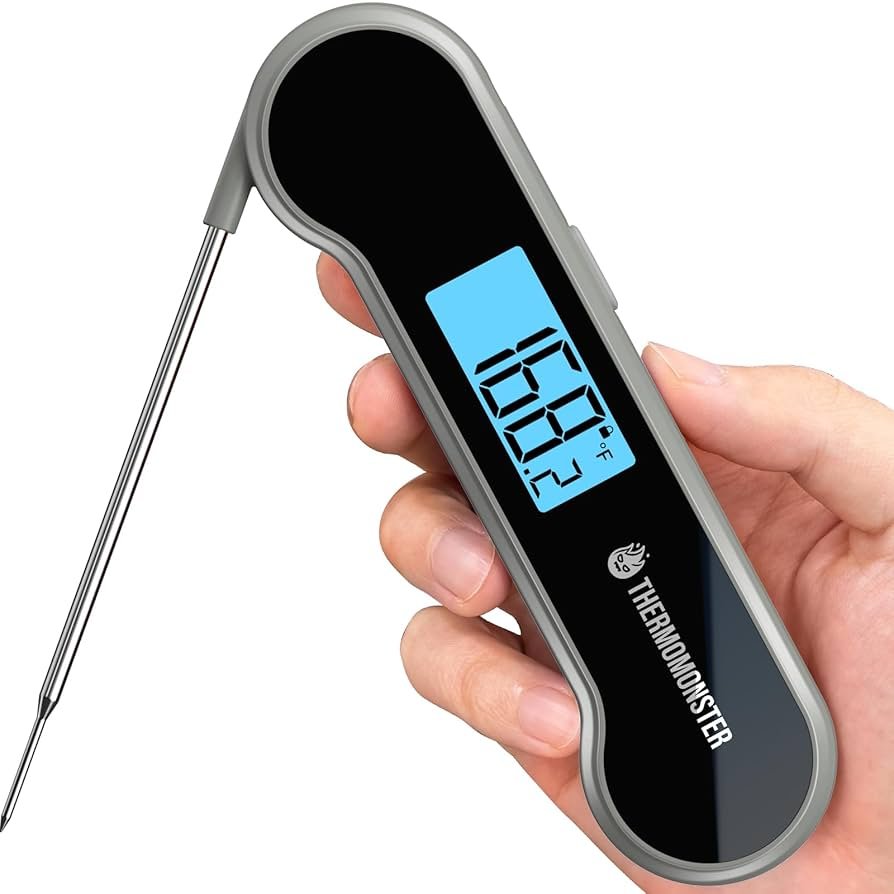
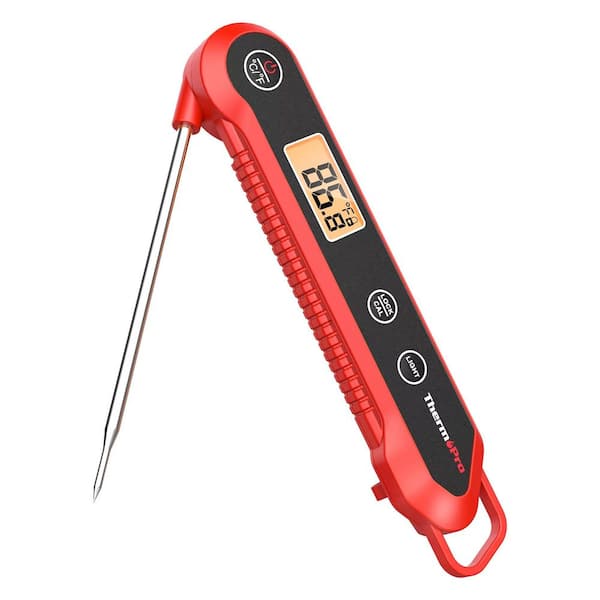
Digital instant-read thermometers show the temperature quickly. They have a metal probe and a digital screen. You insert the probe into food and get a reading in seconds.
Dial Oven-safe
Dial oven-safe thermometers have a dial display and a metal stem. You can leave them in food while it cooks in the oven. They work well for roasts and casseroles.
Infrared Thermometers
Infrared thermometers measure surface temperature without touching food. They use a laser to aim. These are good for checking pans, grills, or liquids.
Probe Thermometers
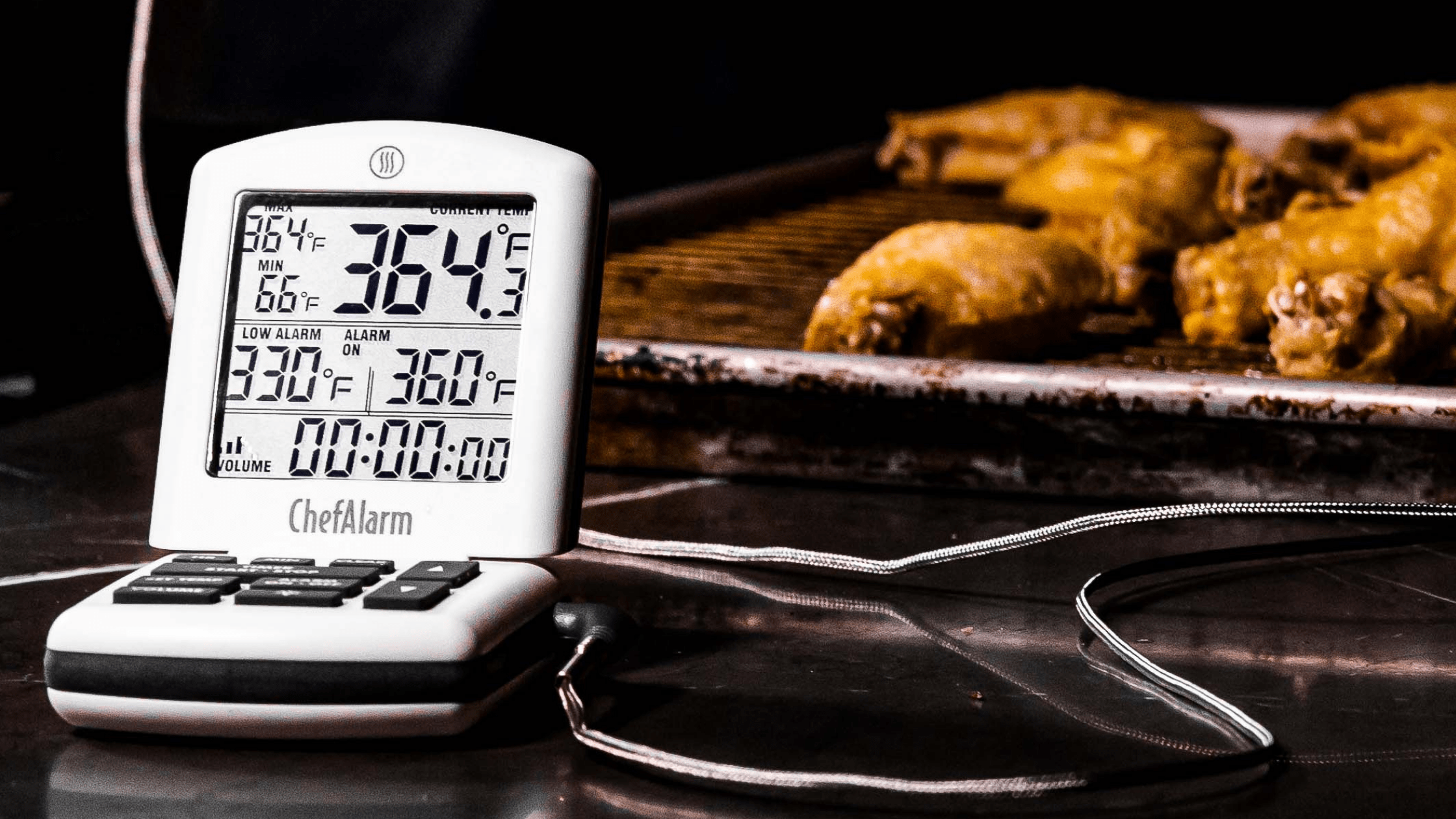
Probe thermometers come with a wire and a display unit. Insert the probe in food and leave it in while cooking. The unit stays outside the oven or grill, showing the temperature.
- Good for slow cooking and smoking
- Allows monitoring without opening the oven
- Some models have alarms for target temperatures
Thermocouples
| Feature | Thermocouples |
| Speed | Very fast readings in 1-2 seconds |
| Accuracy | Highly accurate and precise |
| Use | Professional kitchens and serious cooks |
| Cost | Usually more expensive than other types |
Credit: ca.style.yahoo.com
Key Features To Consider
Choosing the right kitchen thermometer helps you cook food safely and perfectly. Many factors affect how well the thermometer works in your kitchen.
Look for features that match your cooking style and needs. This guide covers important points to check before buying.
Temperature Range
Check the thermometer’s temperature range to fit the food you cook. Some thermometers work well for meat but not for candy or deep frying.
A wide temperature range lets you use one tool for many recipes. Make sure the minimum and maximum temperatures suit your cooking tasks.
Response Time
Response time is how fast the thermometer shows the temperature. A quick reading saves time and reduces heat loss from food.
- Instant-read thermometers give results in 2 to 5 seconds.
- Leave-in thermometers take longer but monitor continuously.
- Choose fast response for quick checks and slow for slow cooking.
Accuracy
Accuracy means how close the thermometer shows the real temperature. Look for models with a small error margin.
| Thermometer Type | Typical Accuracy |
|---|---|
| Digital Instant Read | ±1°F (±0.5°C) |
| Dial or Analog | ±2°F (±1°C) |
| Infrared | ±1.5°F (±0.8°C) |
Ease Of Use
Choose a thermometer that feels comfortable and easy to read. Simple controls and a good grip help you cook without hassle.
- Look for clear buttons or switches.
- Check if the probe is easy to insert and clean.
- Consider the size and weight for everyday use.
Display Features
The display shows the temperature reading. A good display is easy to read in different kitchen lights.
| Display Type | Benefits |
|---|---|
| Digital LCD | Clear numbers, backlight for dark kitchens |
| Analog Dial | No batteries needed, simple design |
| Color-Coded | Quickly shows safe cooking zones |
Materials And Durability
Choosing a kitchen thermometer means thinking about its materials and how long it lasts. A good thermometer should handle daily use well. Durability affects accuracy and safety.
Look at the build quality and how the thermometer deals with water and heat. These factors help pick the best tool for your kitchen.
Build Quality
Build quality shows how strong and well-made the thermometer is. Materials like stainless steel and high-grade plastic last longer. Solid construction stops parts from breaking easily.
Check for tight seams and sturdy buttons. A well-built thermometer feels firm in your hand and does not wobble.
Water Resistance
Water resistance protects your thermometer from spills and washing. Look for models with water-resistant or waterproof ratings. This means the thermometer can handle kitchen messes.
Thermometers with sealed parts stop moisture from damaging electronics inside. This keeps them working longer.
- Water-resistant: can handle splashes
- Waterproof: safe for full washing
- Non-resistant: avoid if you want durability
Heat Resistance
Heat resistance means the thermometer can stay accurate near hot food. Materials like stainless steel and heat-proof plastic do well. Avoid cheap plastics that melt or warp.
Check if the thermometer is safe for oven or grill use. Some are only for quick checks and not for long heat exposure.
Price And Value
Choosing the right kitchen thermometer means balancing cost and usefulness.
Understanding what fits your budget helps you pick the best tool for your kitchen.
Budget-friendly Options
Many affordable thermometers offer good accuracy for everyday cooking.
- Digital instant-read thermometers are usually low-cost and fast.
- Dial thermometers cost less but may take longer to read.
- Some models come with simple features, enough for home use.
Premium Choices
High-end thermometers include extra functions for precise cooking control.
- Wireless thermometers allow remote temperature monitoring.
- Multi-probe models can check several foods at once.
- Some have smartphone apps for easy tracking and alerts.
Cost Vs. Features
| Price Range | Typical Features | Best For |
| $10 – $25 | Basic temperature readout, manual display | Simple home cooking |
| $25 – $50 | Digital display, faster readings | Regular cooks wanting accuracy |
| $50 – $100+ | Wireless, multiple probes, app integration | Serious cooks and grilling enthusiasts |
Top Brands To Explore
Choosing the right kitchen thermometer helps you cook food safely. Many brands offer reliable options for home cooks.
This guide highlights some popular and new brands. It also shows what customers say about them.
Popular Brands
Popular brands have proven records for accuracy and durability. These brands have many models to fit different needs.
- ThermoWorks: Known for fast and precise readings.
- Weber: Offers easy-to-use wireless thermometers.
- OXO: Combines good design with reliable performance.
- Lavatools: Provides affordable digital thermometers.
Innovative Newcomers
New brands bring fresh ideas and technology. They focus on smart features and better user experience.
- MEATER: Wireless and app-controlled for convenience.
- Inkbird: Connects to smartphones with Bluetooth.
- Yummly: Offers color-coded guides for cooking stages.
Customer Reviews
Customer feedback helps find reliable thermometers. Users share ease of use and accuracy in reviews.
- ThermoWorks gets praise for speed and precision.
- MEATER is liked for wireless freedom but has battery limits.
- Weber users say their models are sturdy and simple.
- Lavatools offers good value but some want faster response.
Maintenance And Care
Taking care of your kitchen thermometer keeps it working well. Regular maintenance helps get accurate readings.
Cleaning, storing, and calibration are key parts of thermometer care. Each step helps the tool last longer.
Cleaning Tips
Clean your thermometer after each use. This stops germs and food residue from building up.
Use warm water and mild soap. Avoid soaking digital parts to protect electronics.
- Wipe the probe with a soft cloth
- Do not use abrasive cleaners
- Dry fully before storing
- Use rubbing alcohol for extra cleaning
Storage Solutions
Store your thermometer in a safe, dry place. This prevents damage and keeps it clean.
Use a protective case if available. Keep it away from heavy items or heat sources.
- Keep it in a drawer or box
- Avoid placing it near sharp objects
- Store away from direct sunlight
- Ensure the probe tip does not bend
Calibration Needs
Check your thermometer’s accuracy regularly. Calibration keeps temperature readings correct.
Some thermometers need manual calibration. Others adjust automatically. Follow the manufacturer’s guide.
- Test with ice water for 32°F (0°C)
- Adjust settings if readings are off
- Calibrate every few months or after drops
- Replace batteries for digital thermometers
Common Mistakes To Avoid
Choosing the right kitchen thermometer is important for safe cooking. Many people make errors that affect accuracy.
These mistakes can cause wrong temperature readings. Avoid these common errors to get the best results.
Incorrect Placement
Placing the thermometer in the wrong spot can give false readings. Do not place it near bones or fat.
Insert the probe into the thickest part of the food. Avoid touching the pan or grill as this affects accuracy.
- Do not touch bones or fat with the probe
- Place it in the thickest part of meat or poultry
- Keep the probe away from hot surfaces
Overlooking Calibration
Many thermometers need regular calibration. Without this, they might show wrong temperatures.
Check the thermometer’s accuracy often by using ice water or boiling water tests. Adjust if needed.
- Test in ice water (should read 32°F or 0°C)
- Test in boiling water (should read 212°F or 100°C)
- Follow the manual for calibration steps
Ignoring Maintenance
Not cleaning and storing your thermometer properly can damage it. Dirt affects its function.
Clean the probe after each use with warm soapy water. Store it in a safe, dry place to avoid damage.
- Clean the probe after every use
- Do not soak the whole thermometer in water
- Store it where it won’t get bent or broken
Credit: blog.thermoworks.com
Credit: www.homedepot.com
Frequently Asked Questions
What Types Of Kitchen Thermometers Are Best For Cooking?
Digital instant-read and probe thermometers are best for cooking. They provide quick, accurate readings. Choose based on your cooking style and food type.
How To Choose A Thermometer For Meat Cooking?
Select a thermometer with a wide temperature range and quick response time. It ensures precise meat doneness and food safety.
Are Digital Kitchen Thermometers More Accurate Than Analog?
Yes, digital thermometers offer faster, more precise readings. They are easier to read and often have additional features like timers.
Can I Use A Kitchen Thermometer For Baking?
Yes, a probe thermometer helps monitor oven temperature and food internal temperature. It ensures baked goods cook evenly and thoroughly.
Conclusion
Choosing the right kitchen thermometer helps cook food safely and perfectly. Focus on accuracy, ease of use, and quick readings. Digital models often offer clear displays and fast results. Think about your cooking style and budget before buying. A good thermometer makes cooking easier and keeps your family safe.
Trust your choice and enjoy better meals every time. Simple tools can make a big difference in the kitchen.