
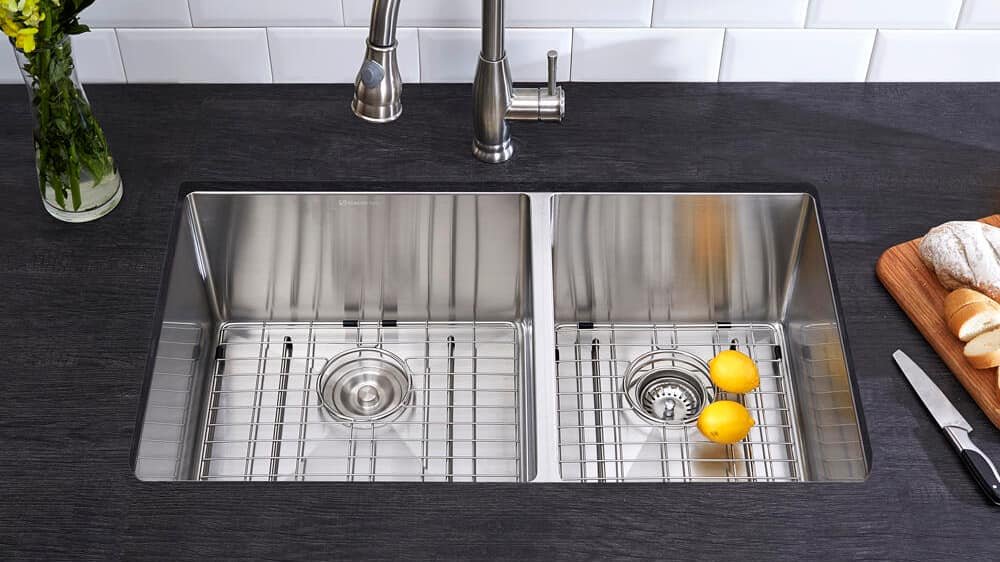
Choosing the perfect kitchen sink can feel overwhelming. You want something that looks great, fits your space, and works well every day.
But how do you know which sink is right for you? This guide will help you cut through the confusion. By the end, you’ll feel confident in picking a sink that matches your style and meets your needs. Keep reading to discover simple tips that make this important choice easy—and even enjoyable.
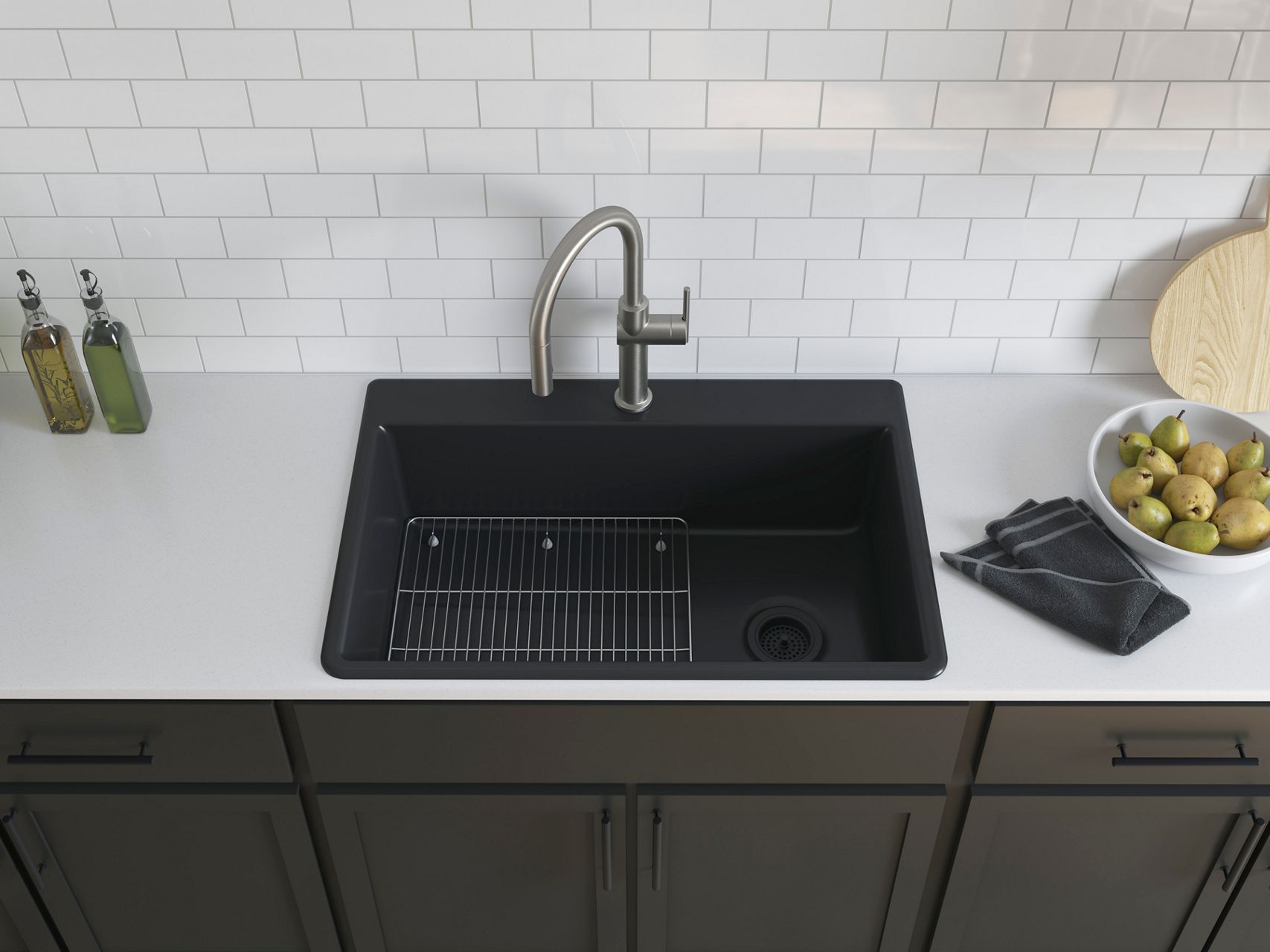
Credit: www.kohler.com
Types Of Kitchen Sinks
Choosing the right kitchen sink is important for both style and function. There are many types of sinks to fit different kitchens and needs.
Understanding the common types helps you pick the perfect sink. Each type has unique features and installation styles.
Top-mount Sinks
Top-mount sinks, also called drop-in sinks, fit into a hole cut in the countertop. The sink rim rests on top of the counter.
These sinks are easier to install and replace. They work well with most countertop materials.
Undermount Sinks
Undermount sinks install below the countertop surface. This design gives a smooth look and easy cleaning.
They need strong countertops like granite or quartz. Undermount sinks offer a modern style but cost more to install.
Farmhouse Sinks
Farmhouse sinks have a large, deep basin with an exposed front panel. They add a rustic and classic look to kitchens.
These sinks handle big pots and pans well. They require special cabinet space and installation.
Integrated Sinks
Integrated sinks are made from the same material as the countertop. The sink and counter form one seamless piece.
This style is easy to clean and looks very sleek. They often come in solid surface or quartz materials.
Corner Sinks
Corner sinks fit into kitchen corners to save space. They help free up countertop area for other uses.
These sinks may be smaller but work well in compact kitchens. They can make kitchen workflow more efficient.
Materials And Their Benefits
Choosing the right kitchen sink material is important. It affects how long the sink lasts and how it looks.
Different materials offer different benefits. Think about durability, maintenance, and style.
Stainless Steel
Stainless steel sinks are very popular. They resist rust and stains well.
They are easy to clean and fit many kitchen styles. They are also lighter than other sinks.
- Durable and rust-resistant
- Easy to clean
- Fits modern and traditional kitchens
- Lightweight and affordable
Porcelain
Porcelain sinks have a smooth, glossy finish. They look bright and clean in any kitchen.
They can chip or crack if hit hard. Porcelain needs gentle care to keep it beautiful.
- Bright and shiny surface
- Easy to wipe clean
- Can chip or crack
- Needs careful use
Granite Composite
Granite composite sinks mix stone and resin. They look like natural stone but are lighter.
These sinks resist scratches and stains. They stay cool and quiet when you use them.
- Strong and scratch-resistant
- Stain and heat resistant
- Natural stone appearance
- Quiet when in use
Fireclay
Fireclay sinks are made from clay fired at high heat. They have a smooth, hard surface.
They resist stains and scratches well. Fireclay sinks give a classic, elegant look.
- Hard and durable surface
- Stain and scratch resistant
- Classic and elegant style
- Heavier than other materials
Copper
Copper sinks have a warm, rich color. They add a unique style to any kitchen.
Copper naturally resists bacteria. It develops a patina that changes color over time.
- Warm and unique appearance
- Natural antibacterial properties
- Changes color with age
- Needs regular care to keep finish
Size And Configuration
Choosing the right kitchen sink size and layout helps your kitchen work better. It affects your cleaning, prepping, and overall space use.
Think about how you use your sink and the space available. This guide covers common sink types and depth to help you decide.
Single Bowl
Single bowl sinks have one large basin. They offer more space for washing big pots and pans.
They fit well in small kitchens and give you a simple, clean look.
Double Bowl
Double bowl sinks have two basins side by side. This design helps separate tasks like washing and rinsing.
- One side for washing dishes
- One side for rinsing or drying
- Good for multitasking in the kitchen
Triple Bowl
Triple bowl sinks have three smaller basins. They are great for large kitchens and heavy cooking.
| Use | Benefit |
|---|---|
| Washing | Clean dishes and vegetables separately |
| Rinsing | Keep one basin free for rinsing |
| Prep | Use one basin for food preparation |
Depth Considerations
Sink depth affects comfort and splash control. Deeper sinks hold more water and reduce mess.
Common sink depths include:
- 6 to 8 inches: Standard depth, good for most kitchens
- 9 to 10 inches: Deeper, better for large pots
- Above 10 inches: Very deep, may cause back strain

Credit: www.kohler.com
Installation Methods
Choosing the right kitchen sink installation method helps your kitchen look good and work well. Each method fits different countertop types and styles.
Here are four common installation methods. Each has its own features and benefits.
Drop-in
Drop-in sinks sit on top of the countertop. The rim of the sink rests on the counter surface. This style is easy to install and remove. It works well with most countertop materials.
Undermount
Undermount sinks attach below the countertop. This creates a smooth look without a sink rim showing. Cleaning is easier because crumbs sweep straight into the sink.
- Needs solid countertop like granite or quartz
- Requires professional installation
- Seals must be checked regularly
Flush Mount
Flush mount sinks sit level with the countertop surface. The sink edges are even with the counter, creating a sleek look. This method needs precise cutting and fitting.
- Requires solid surface or stone counters
- Offers modern, seamless appearance
- Needs expert installation
Apron Front
Apron front sinks have a front panel that hangs over the counter edge. They add a vintage or farmhouse style to kitchens. Installation needs strong support under the sink.
| Feature | Details |
| Material Support | Wood or metal braces required |
| Style | Classic, rustic, or farmhouse |
| Installation Complexity | Moderate to high |
| Countertop Compatibility | Works with most countertops |
Style And Design
Choosing the right kitchen sink style can change the look of your kitchen. It is important to match the sink design with your kitchen theme.
Consider the shape, color, and material of the sink to fit your space and taste. Style and design help create a balanced kitchen.
Modern Designs
Modern kitchen sinks often have clean lines and simple shapes. They focus on function and minimalism.
Materials like stainless steel and composite granite are popular. These sinks usually have deep basins and sharp edges.
- Sleek and smooth surfaces
- Square or rectangular shapes
- Integrated drainboards for convenience
- Matte or shiny finishes
Traditional Styles
Traditional sinks bring a classic and warm feeling to kitchens. They often have rounded edges and detailed designs.
Materials like porcelain and cast iron are common. These sinks may have decorative features like apron fronts or farmhouse styles.
- Curved and soft shapes
- White or pastel colors
- Farmhouse or apron-front sinks
- Ornate and vintage details
Custom Options
Custom sinks allow you to create a unique look for your kitchen. You can choose size, shape, and materials freely.
Custom sinks fit special needs and spaces. They can blend modern and traditional styles or add personal touches.
- Choose any size or shape
- Pick rare materials like copper or stone
- Add special features like built-in cutting boards
- Match your kitchen’s color scheme perfectly
Maintenance And Durability
Choosing the right kitchen sink means thinking about how easy it is to keep clean. It also means picking one that lasts a long time. A durable sink saves money and effort over the years.
Focus on sinks that resist scratches and stains well. Look for materials that stand up to daily use without damage. This helps your sink look new longer.
Ease Of Cleaning
A sink that cleans easily saves time and effort. Smooth surfaces and simple designs help wipe away dirt fast. Avoid sinks with many grooves or edges.
Materials like stainless steel and quartz composite often clean quickly. Use soft cloths and mild cleaners to avoid damage. Regular cleaning stops buildup of grime.
Scratch And Stain Resistance
Sinks face sharp knives, heavy pots, and tough stains daily. Choose materials that resist scratches and stains well. This keeps your sink looking smooth and fresh.
- Stainless steel sinks can show scratches but resist stains
- Granite composite sinks resist scratches and stains better
- Fireclay sinks resist stains but may chip if hit hard
Try to clean spills quickly to avoid stains. Use gentle tools to protect the sink surface from scratches.
Longevity
A long-lasting sink reduces the need for replacements. Choose sinks made from strong materials that handle heat and impact well. This helps the sink keep working for many years.
Proper care also adds to sink life. Avoid dropping heavy items or using harsh chemicals. Regular cleaning keeps the sink in good shape.
Budget Considerations
Choosing a kitchen sink requires thinking about your budget. Knowing how much to spend helps you find the best sink for your money.
Costs include the price of the sink, installation fees, and how long the sink will last. Planning each part saves money in the long run.
Cost Of Materials
Kitchen sinks come in many materials like stainless steel, porcelain, and granite. Each type has a different price range.
Stainless steel sinks usually cost less but vary by thickness. Porcelain sinks are more expensive and can chip. Granite sinks are durable but often cost the most.
- Stainless steel: $100 – $400
- Porcelain: $200 – $600
- Granite composite: $300 – $800
Installation Costs
Installation costs depend on the sink type and your kitchen setup. Some sinks fit easily, while others need more work.
Simple installations may cost less. Complex plumbing or custom sinks can increase the price.
- Basic installation: $100 – $300
- Plumbing changes: $200 – $500
- Custom or heavy sinks: $400 – $800
Long-term Value
Think about how long your sink will last before buying. A more expensive sink might save money over time.
Durable sinks need fewer repairs. They also keep their look longer, so you may not need to replace them soon.
- Durability reduces repair costs
- Easy maintenance saves time and money
- Good design fits your kitchen style longer
Choosing The Right Accessories
Choosing the right accessories can improve your kitchen sink’s use. Accessories help keep your sink area clean and organized.
They also protect your sink and make tasks easier. Let’s look at some common accessories you might want.
Sink Grids
Sink grids sit at the bottom of your sink. They protect the sink surface from scratches and dents.
They also allow water to drain freely while keeping dishes elevated. Choose grids that fit your sink size and shape.
- Made of stainless steel for durability
- Protect sink from heavy pots and pans
- Elevate dishes to prevent water pooling
- Easy to remove and clean
Cutting Boards
Cutting boards that fit over your sink save counter space. They make chopping and slicing easier and cleaner.
Look for boards that match your sink size. Choose materials that resist stains and odors for better hygiene.
- Wood or plastic options available
- Fits securely over the sink
- Easy to clean and store
- Helps keep countertops dry
Soap Dispensers
Built-in soap dispensers keep your sink area neat. They reduce clutter by replacing soap bottles on counters.
Choose dispensers that match your sink finish. Easy refill options make them convenient to use every day.
- Matches sink material and color
- Refillable from above or below
- Prevents soap spills on counters
- Simple to use with one hand
Environmental Impact
Choosing a kitchen sink affects the environment. Some sinks use eco-friendly materials. Others help save water.
Knowing these options helps you pick a sink that is good for the planet.
Sustainable Materials
Sinks made from sustainable materials reduce harm to nature. These materials come from renewable sources or recycled items.
Common eco-friendly materials include bamboo, recycled stainless steel, and natural stone.
- Bamboo grows fast and is renewable
- Recycled steel lowers mining impact
- Natural stone lasts long and is natural
Water-saving Features
Water-saving sinks help reduce water use. They limit how much water flows from the faucet.
These features lower water bills and save a vital resource.
- Low-flow faucets reduce water waste
- Touchless faucets use water only when needed
- Dual basin sinks help manage water use
Recycling Options
Some kitchen sinks can be recycled after use. This helps reduce landfill waste.
Look for sinks made of recyclable materials and check local recycling rules.
- Stainless steel sinks are widely recyclable
- Ceramic sinks can sometimes be crushed and reused
- Avoid sinks with mixed materials that are hard to recycle

Credit: www.kohler.com
Frequently Asked Questions
What Materials Are Best For Kitchen Sinks?
Stainless steel is popular for durability and easy cleaning. Granite composite offers scratch resistance. Porcelain is stylish but can chip. Choose material based on your kitchen style and maintenance preference.
How To Choose The Right Sink Size?
Measure your countertop space and cabinet size. Consider your kitchen usage and dishwashing needs. A larger sink suits big families, while smaller sinks save space in compact kitchens.
What Is The Difference Between Undermount And Top Mount Sinks?
Undermount sinks install beneath the countertop for a seamless look. Top mount sinks drop into a cutout with a visible rim. Undermounts are easier to clean but cost more.
How Many Bowls Should A Kitchen Sink Have?
Single bowls offer more space for washing large pots. Double bowls allow multitasking, like washing and rinsing separately. Choose based on your cooking habits and available space.
Conclusion
Choosing the right kitchen sink is important for daily use. Think about size, material, and style that suit your space. A good sink makes cleaning easier and your kitchen look nice. Don’t forget to check your budget and needs before buying.
Take your time to decide. The perfect sink fits your kitchen and lifestyle well.