
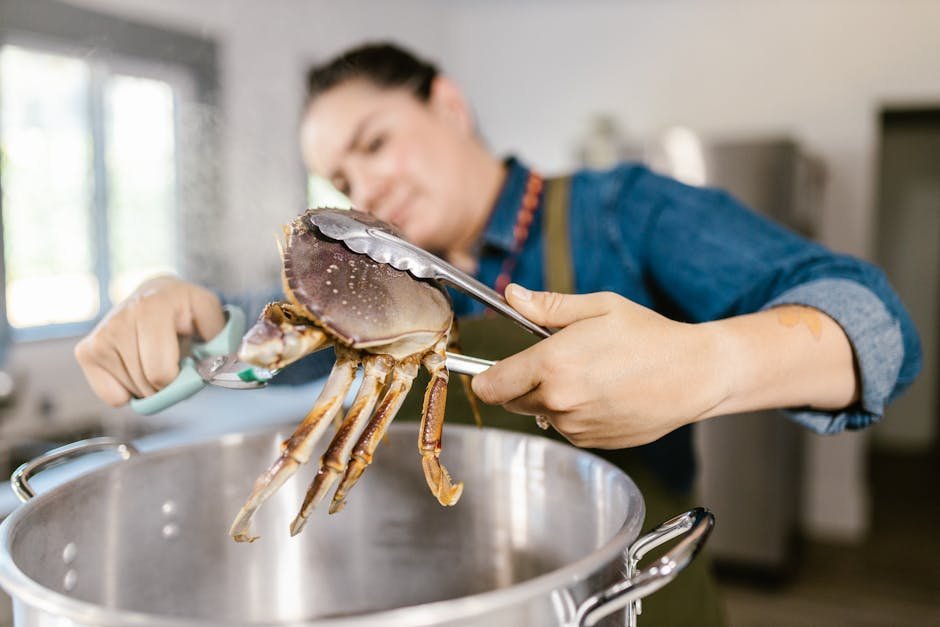
Are you tired of guessing whether your food is cooked just right? Picking the perfect food thermometer can change the way you cook—and eat—forever.
With so many options out there, it’s easy to feel overwhelmed. But don’t worry, this guide will help you find the best thermometer that fits your needs. By the end, you’ll know exactly what to look for to keep your meals safe, juicy, and delicious every time.
Ready to become a cooking pro? Let’s dive in!
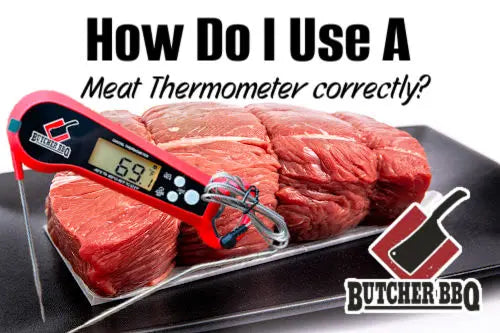
Credit: butcherbbq.com
Importance Of Food Thermometers
Food thermometers help check the temperature of cooked food. They ensure food is safe to eat. Using a thermometer reduces the risk of foodborne illness.
Many foods look done on the outside but are still undercooked inside. Thermometers give an accurate reading. This way, you avoid eating raw or unsafe food.
Preventing Foodborne Illness
Using a food thermometer helps kill harmful bacteria. Cooking food to the right temperature stops germs from spreading. This is important for meats, poultry, and seafood.
- Check the temperature of meat and poultry
- Use a thermometer for casseroles and leftovers
- Avoid guessing if food is fully cooked
Ensuring Proper Cooking
Food thermometers help cook food evenly. They prevent overcooking and undercooking. This keeps food juicy and tasty.
| Food Type | Safe Internal Temperature |
| Chicken | 165°F (74°C) |
| Beef (steak, roast) | 145°F (63°C) |
| Ground meats | 160°F (71°C) |
| Fish | 145°F (63°C) |
Saving Money And Reducing Waste
Thermometers help avoid throwing away food. You cook just enough to make food safe. This saves money and reduces waste from overcooked meals.
Tips to use a food thermometer:
- Insert the thermometer into the thickest part of the food.
- Avoid touching bone or fat for accurate readings.
- Clean the thermometer after each use.
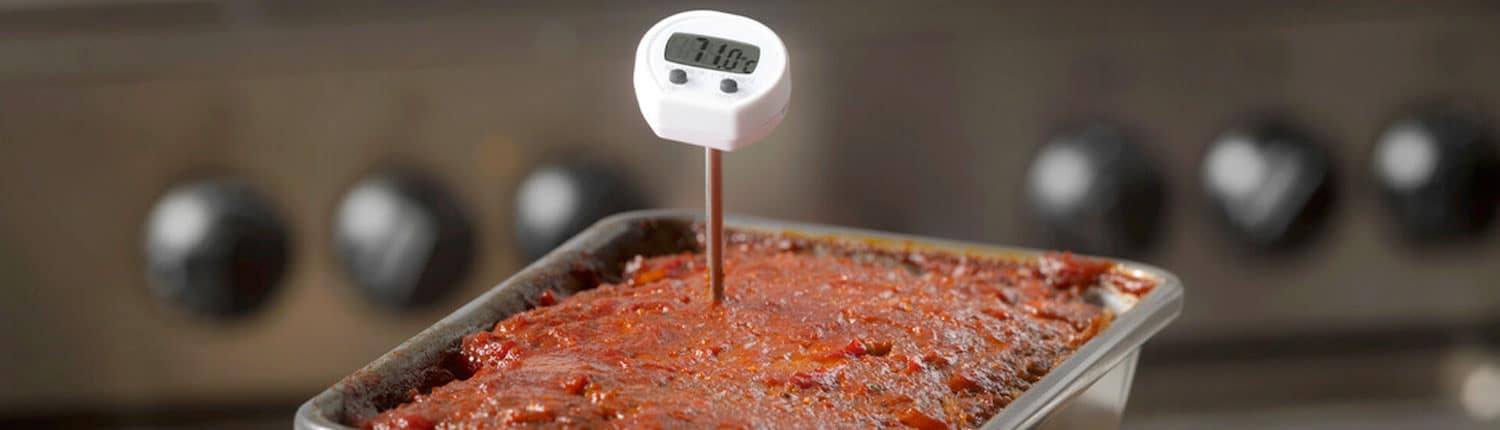
Credit: canadabeef.ca
Types Of Food Thermometers
Food thermometers help check if your food is cooked safely. Different types suit different cooking needs.
Understanding each type makes it easier to pick the right one for your kitchen.
Digital Instant-read
This thermometer gives a quick temperature reading in seconds. It has a digital display that is easy to read.
It is great for checking steaks, chicken, and other foods while cooking.
Dial Oven-safe
Dial oven-safe thermometers can stay in food while cooking in the oven. They have a dial face with a pointer.
- Good for roasts and casseroles
- Does not need batteries
- Takes longer to show temperature
Thermocouple
Thermocouples read temperature very fast and are very accurate. They are used by professional chefs.
| Feature | Benefit |
| Speed | Shows temperature in 2-3 seconds |
| Accuracy | Very precise readings |
| Price | Usually more expensive |
Pop-up Indicators
Pop-up indicators come built in some meat products like poultry. They pop up when the food reaches a safe temperature.
This type is simple to use but only works for specific packaged foods.
Factors To Consider When Choosing
Choosing the right food thermometer helps you cook food safely and perfectly. Several important factors affect your choice.
Knowing what to look for can make your cooking easier and more precise.
Accuracy And Precision
Accuracy shows how close the thermometer’s reading is to the real temperature. Precision means the thermometer gives consistent results each time.
Look for a thermometer with accuracy within 1 to 2 degrees Fahrenheit. This ensures safe cooking and prevents undercooked food.
Temperature Range
Check the thermometer’s temperature range to match the foods you cook. Some foods need very high or low temperatures.
| Type of Food | Recommended Temperature Range (°F) |
| Meat and Poultry | 140 – 200 |
| Deep Frying | 300 – 400 |
| Baking and Candy Making | 200 – 400 |
| Cold Foods and Freezing | Below 32 |
Ease Of Use
Choose a thermometer that is simple to operate and read. Features like a clear display and quick readings help.
- Look for a large, easy-to-read screen
- Consider models with backlit displays for low light
- Check if the thermometer gives fast readings
- Simple buttons or automatic on/off save time
Durability And Build Quality
A sturdy thermometer lasts longer and handles kitchen conditions well. Water resistance and strong materials matter.
Look for a thermometer with a solid probe and a protective case. Water or splash resistance helps keep it safe.
Features To Look For
Choosing the right food thermometer helps you cook food safely and perfectly. Some features make a thermometer easier and more reliable to use.
Look for these key features to find a thermometer that fits your needs and kitchen style.
Display And Readability
A clear display helps you read the temperature quickly. Large numbers and a bright screen are best. Some thermometers have a backlight for low light use.
- Large, easy-to-read digits
- Backlight for dark areas
- Clear temperature units (°F or °C)
- Screen size that suits your cooking style
Response Time
Fast response time means the thermometer shows the temperature quickly. This saves time and prevents overcooking.
- Look for thermometers that read in 2 to 5 seconds
- Check user reviews for real response times
- Consider instant-read digital thermometers
Calibration Options
Calibration keeps your thermometer accurate. Some models let you adjust the reading yourself.
| Calibration Type | Details |
| Manual | You can adjust the reading using instructions |
| Automatic | Thermometer self-calibrates for accuracy |
| None | No calibration option; accuracy may vary |
Water Resistance
Water resistance protects your thermometer from spills and washing. This feature helps your tool last longer.
Check the water resistance level:
- IPX4:Splash resistant
- IPX7:Can be submerged briefly
- IPX8:Can be submerged longer
Using A Food Thermometer Correctly
Using a food thermometer helps you cook food safely. It tells you if food is hot enough to eat.
Knowing how to use the thermometer right keeps food tasty and safe. It stops undercooking or overcooking.
Placement Tips
Put the thermometer in the thickest part of the food. Avoid touching bones, fat, or the pan. These can give wrong readings.
For large cuts, check temperature in a few spots. This ensures the whole food is cooked well.
- Insert the probe deep enough to reach the center
- Do not touch bones or gristle
- Check multiple spots for big pieces
- Wait a few seconds for the reading to stabilize
Cleaning And Maintenance
Clean the thermometer after each use. This stops germs from spreading to other foods.
Use warm soapy water or a disinfectant wipe. Avoid soaking digital parts to keep them safe.
- Wash the probe with warm, soapy water
- Dry it with a clean cloth
- Do not immerse digital parts in water
- Store in a safe place to avoid damage
Common Mistakes To Avoid
Choosing the right food thermometer can help you cook safely and well. Some errors can lead to wrong results or damage to the tool.
Learn what to avoid when picking a food thermometer. This helps you make a good choice and cook with confidence.
Ignoring The Type Of Thermometer
Many people pick a thermometer without thinking about its type. Different types fit different cooking needs.
For example, instant-read thermometers give fast results. Probe thermometers stay in the food while cooking. Choose the type that fits how you cook.
Overlooking Accuracy And Speed
Some thermometers show temperatures slowly or give wrong readings. This can cause undercooked or overcooked food.
Pick a thermometer that gives accurate and quick results. Check product details or reviews for speed and accuracy info.
Not Considering The Temperature Range
Thermometers have limits on the temperatures they can measure. Using one outside its range can break it or give wrong numbers.
Check the temperature range before buying. Make sure it covers the types of food and cooking methods you use.
Choosing A Thermometer Without Easy-to-read Display
A small or unclear screen can make reading the temperature hard. This can cause mistakes in cooking.
Look for a large, clear display. Backlit screens help when cooking in low light.
Ignoring Durability And Water Resistance
Thermometers in the kitchen face heat, spills, and drops. A weak design will not last long.
Choose a model with good build quality. Water resistance is important for easy cleaning and longer life.
Forgetting About Calibration Options
Thermometers can lose accuracy over time. Some models allow you to recalibrate them.
Pick a thermometer that can be calibrated. This keeps your readings correct and reliable.
Expert Recommendations
Choosing the right food thermometer helps keep meals safe and tasty. Experts say accuracy and ease of use matter most.
Consider what type of cooking you do and how often you use a thermometer. This helps pick the best model for your kitchen.
Top Brands
Trusted brands offer reliable and accurate thermometers. They often come with helpful features and good warranties.
- ThermoPro: Known for quick readings and clear displays
- Lavatools: Offers precise digital thermometers with long battery life
- Taylor: Provides both instant-read and probe thermometers
- OXO: Features user-friendly designs and durable builds
Budget-friendly Options
Affordable thermometers can still be accurate and easy to use. Look for models with good reviews and simple features.
| Brand | Price Range | Key Feature |
| Habor | $10 – $15 | Fast reading in 3 seconds |
| Kizen | $15 – $20 | Backlit display for easy reading |
| GDEALER | $10 – $18 | Waterproof and easy to clean |
| NutriChef | $12 – $20 | Foldable probe for safety |
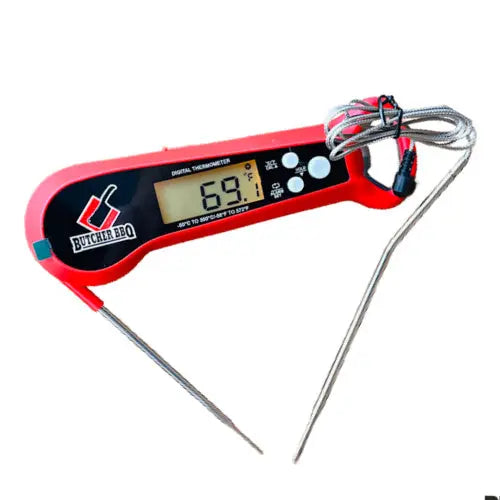
Credit: butcherbbq.com
Frequently Asked Questions
What Types Of Food Thermometers Are Best For Cooking?
Digital instant-read and probe thermometers are best for cooking. They offer quick, accurate readings and are easy to use. Oven-safe probe thermometers are ideal for slow cooking. Choose one based on your cooking style and temperature needs.
How Do I Choose A Food Thermometer For Grilling?
For grilling, choose a digital instant-read thermometer or a wireless probe thermometer. These provide fast, accurate readings and help monitor meat without opening the grill. Look for waterproof and heat-resistant features for durability.
Why Is Accuracy Important In A Food Thermometer?
Accuracy ensures food is cooked to safe temperatures, preventing foodborne illnesses. It also helps avoid overcooking or undercooking. Reliable thermometers maintain consistent readings within ±1°F or ±0. 5°C for safety and quality.
Can I Use A Food Thermometer For Baking?
Yes, oven-safe probe thermometers are perfect for baking. They can stay in the oven to monitor the internal temperature of bread, cakes, or meat. This ensures even cooking and prevents under or overbaking.
Conclusion
Choosing the right food thermometer helps cook food safely and well. Check the type, accuracy, and ease of use before buying. A good thermometer saves time and avoids guesswork. Keep it clean and store it properly for long use. With the right tool, cooking becomes more confident and enjoyable.
Simple steps lead to safer meals every time.