
Choosing the right food mill can change the way you prepare meals. Whether you want smooth sauces, creamy soups, or perfect mashed potatoes, the right tool makes all the difference.
But with so many options out there, how do you pick the best one for your kitchen? This guide will help you understand what to look for, so you can make your cooking easier and more enjoyable. Keep reading, and you’ll discover simple tips that save you time and bring out the best flavors in your food.
:max_bytes(150000):strip_icc()/ses-magic-mill-food-dehydrator-donna-currie-16-56728d615d1b433fb75b3223fd29892f.jpeg)
Credit: www.thespruceeats.com
Understanding Food Mills
A food mill is a kitchen tool used to puree and strain foods. It helps remove seeds, skins, and fibers. Many cooks use it to make smooth sauces and baby food.
Choosing the right food mill makes cooking easier. Knowing what it does and how you will use it helps you pick the best one.
What Is A Food Mill?
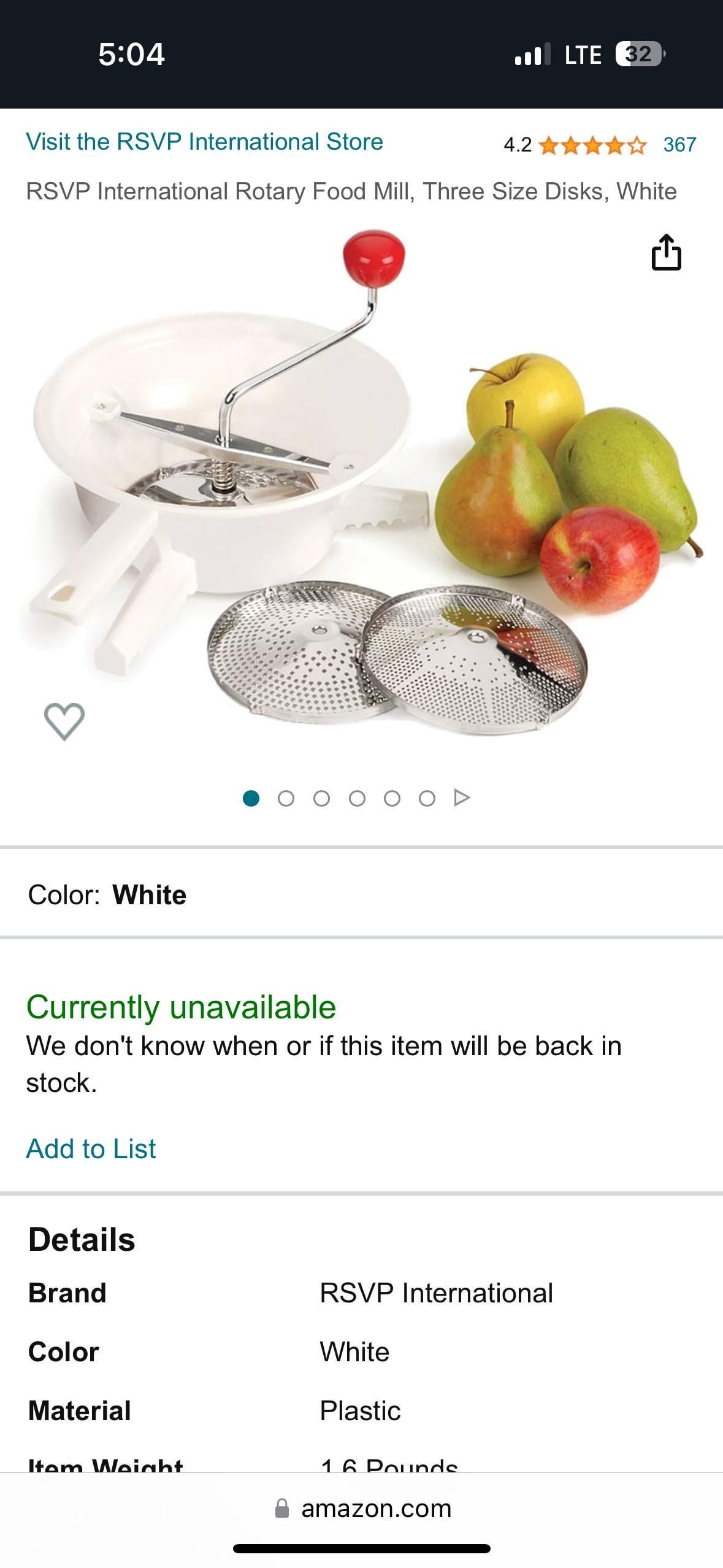
A food mill is a manual kitchen tool that looks like a bowl with a hand crank. It has a blade that presses food through a metal screen. This process purees the food while removing unwanted parts.
Food mills come with different discs that have holes of various sizes. You can change the disc to get different textures. They are usually made of stainless steel or plastic.
Common Uses In Cooking
Food mills are useful for many cooking tasks. They help make smooth foods without lumps or skins. They are great for preparing meals for babies and people who need soft food.
- Pureeing cooked vegetables and fruits
- Making mashed potatoes without lumps
- Removing seeds from tomato sauce
- Preparing baby food with smooth texture
- Straining soups and sauces for a fine finish

Credit: www.tkmaxx.com
Key Features To Consider
Choosing the right food mill makes cooking easier. It helps you prepare smooth sauces, soups, and baby food.
Look at important features before buying. They affect how well the food mill works and lasts.
Material And Durability
Food mills come in different materials like stainless steel and plastic. Stainless steel lasts longer and is easy to clean.
Plastic models are lighter and cheaper but may wear out faster. Check if parts are sturdy and rust-resistant.
- Stainless steel resists rust and stains
- Plastic is lightweight but less durable
- Check for strong handles and secure parts
- Dishwasher safe models save cleaning time
Size And Capacity
Size matters based on how much food you want to process. Smaller mills fit small kitchens and quick jobs.
Larger mills handle more food but need more storage space. Think about your usual cooking needs.
- Small mills are easy to store and use
- Large mills are good for big batches
- Consider the bowl size and how much it holds
- Check if it fits over pots or bowls you have
Blade And Disc Options
Food mills use different discs for various textures. Blades and discs control how smooth or coarse the food becomes.
Look for models with multiple discs. This lets you choose the right texture for each recipe.
- Fine discs make smooth purees and sauces
- Medium discs work for mashed vegetables
- Coarse discs leave more texture
- Removable discs make cleaning easier
Types Of Food Mills
Food mills help you prepare smooth and tasty meals. They are good for making sauces, soups, and baby food.
There are different types of food mills. Knowing the differences can help you pick the right one.
Manual Vs. Electric
Manual food mills need you to turn a handle by hand. They do not use electricity and are simple to use.
Electric food mills work with power. They save time and effort but cost more and need a power source.
- Manual mills are quiet and easy to clean
- Electric mills work faster and need less effort
- Manual mills are good for small tasks
- Electric mills suit large batches
Different Models And Brands
Food mills come in many models and brands. Some are made of metal, others of plastic.
Different brands offer various sizes, blade types, and extra features. Choose one that fits your kitchen needs.
- Stainless steel models last long and resist rust
- Plastic models are lighter and cheaper
- Some mills have interchangeable discs for different textures
- Look for brands with good customer reviews and warranties
Evaluating Performance
Choosing the right food mill depends on how well it performs. Performance means how easy it is to use and how fast it processes food.
Good performance saves time and effort in the kitchen. Let’s look at two key factors to check.
Ease Of Use
A food mill should be simple to handle and clean. Look for models with comfortable handles and stable bases.
Easy-to-remove parts help with quick cleaning. Also, see if the mill fits well on pots or bowls to prevent slipping.
- Check for non-slip grips on handles
- Look for lightweight but sturdy materials
- Find mills with dishwasher-safe parts
- Test if turning the crank feels smooth
Efficiency In Processing
A good food mill processes food quickly without much effort. It should mash or puree food evenly and smoothly.
Consider the size of the grinding plates and the mill’s capacity. Larger plates can handle more food at once.
- Choose mills with multiple grinding plate options
- Look for large capacity to reduce refills
- Check how well it handles different food textures
- Test the speed of processing with your usual foods
Maintenance And Care
Taking care of your food mill helps it last longer. Proper maintenance keeps it clean and working well.
Cleaning and storing your food mill right prevents damage and rust. It also makes it safe to use.
Cleaning Tips
Clean your food mill after every use to stop food from sticking. Use warm water and mild soap.
Remove all parts and wash them separately. Use a brush to clean hard spots and holes.
- Do not soak wooden parts to avoid cracking
- Dry all parts completely before storing
- Use a soft cloth to prevent scratches
- Check for leftover food in blades or screens
Storage Solutions
Store your food mill in a dry place to prevent rust and damage. Avoid damp or humid areas.
Keep all parts together in a box or container to avoid losing pieces. Cover it to keep dust away.
- Wrap metal parts in a clean cloth
- Store wooden parts separately if needed
- Place the mill in a kitchen cabinet or drawer
- Check parts regularly for any signs of wear
Credit: www.quadro-mpt.com
Budget Considerations
Choosing the right food mill depends on your budget. It is important to find a tool that fits your price range. A good food mill should last long and work well.
Knowing how much to spend helps you avoid paying too much or buying a low-quality product. This guide will help you understand budget options for food mills.
Price Range Overview
Food mills come in different prices. Basic models start low and simple designs cost less. Mid-range mills offer better materials and extra features. High-end food mills are made with strong materials and last longer.
- Budget models: $15 to $30
- Mid-range models: $30 to $60
- Premium models: $60 and above
Balancing Cost And Quality
It is smart to balance price with quality. Very cheap mills may break or not work well. Expensive mills have better parts but might be more than you need.
Look for food mills with good reviews and solid materials. Stainless steel parts last longer than plastic. Choose a model that fits your use and budget.
Expert Recommendations
Selecting the right food mill is important for smooth and tasty results. A good food mill can save time and effort in the kitchen.
Consider the size, materials, and ease of cleaning before buying. Expert advice can help you pick the best one for your needs.
Top Picks For Home Use
Home cooks need food mills that are easy to use and clean. Look for models with multiple discs for different textures.
Stainless steel is best for durability. A sturdy handle and stable base make the process smoother.
- Choose a medium size for most home tasks
- Look for dishwasher-safe parts
- Prefer mills with comfortable grips
- Check for non-slip bases for stability
- Pick models with easy disc changes
Best Options For Professional Kitchens
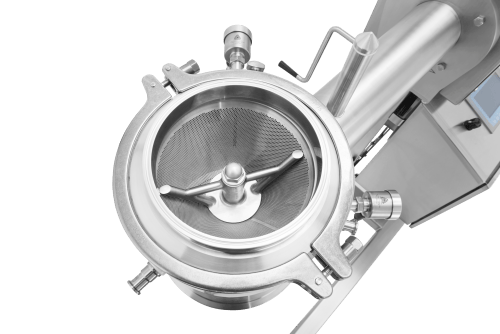
Professional kitchens need heavy-duty food mills that work fast and last long. Stainless steel with strong frames is ideal.
Look for large capacity mills to handle bigger batches. Easy cleaning and quick disc swaps help keep the kitchen efficient.
- Choose large models with high capacity
- Use mills with heavy-duty construction
- Ensure parts are easy to remove and clean
- Look for strong handles and secure bases
- Pick models with multiple disc sizes for variety
Frequently Asked Questions
What Is A Food Mill And Why Use It?
A food mill is a kitchen tool for pureeing and straining food. It removes skins and seeds, making smooth sauces and soups. It’s ideal for homemade baby food, mashed potatoes, or tomato sauce.
How To Choose The Right Size Food Mill?
Select a food mill size based on your cooking needs. Smaller mills are good for single servings. Larger mills handle bigger batches. Consider storage space and ease of cleaning as well.
Which Materials Are Best For Food Mills?
Stainless steel food mills are durable and rust-resistant. Aluminum ones are lightweight but less sturdy. Choose a mill with interchangeable discs for versatile use. Ensure the handle feels comfortable and secure.
Can A Food Mill Replace A Blender Or Sieve?
A food mill offers smoother texture than a sieve and avoids overheating like blenders. It’s perfect for delicate foods. However, it won’t chop or liquefy like a blender.
Conclusion
Choosing the right food mill makes cooking easier and more fun. Think about what you will use it for the most. Check the size, material, and ease of cleaning. A good food mill saves time and effort in the kitchen.
It helps create smooth sauces, purees, and soups. Take your time to compare options before buying. Enjoy preparing meals with the best tool for your needs. Simple steps lead to better cooking results every day.