
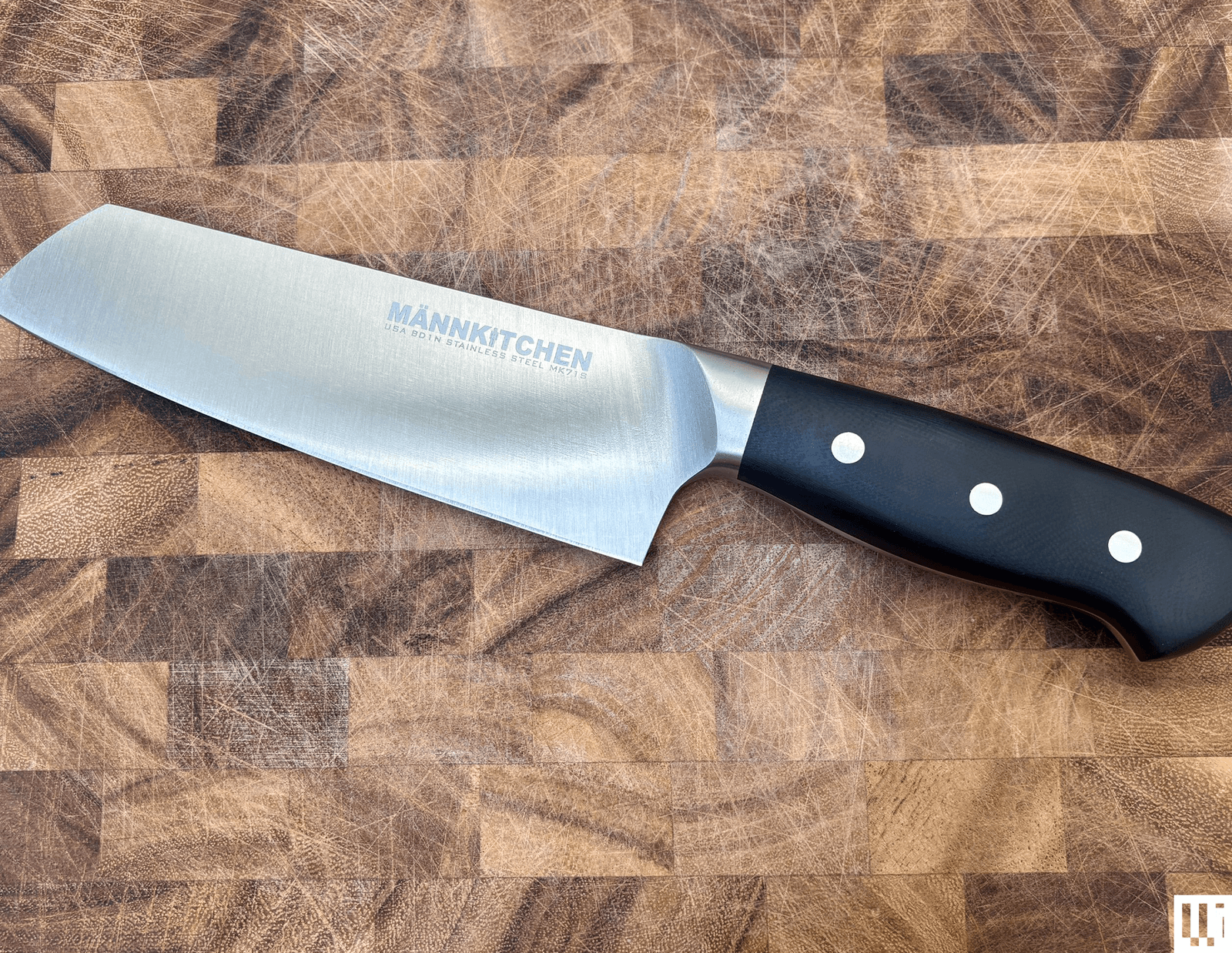
Choosing the right chef knife can change the way you cook forever. You want a knife that feels comfortable in your hand, cuts smoothly, and lasts for years.
But with so many options out there, how do you know which one is best for you? This guide will help you understand what to look for, so you can make a confident choice and enjoy every slice, chop, and dice.
Keep reading to discover the secrets to picking the perfect chef knife that matches your style and needs.
Blade Material
The blade material is very important when choosing a chef knife. It affects how sharp the knife is and how long it stays sharp.
Different materials offer different benefits and care needs. Learn about the common blade materials to find what fits you.
Stainless Steel
Stainless steel blades resist rust and stains. They are easy to clean and need less maintenance.
These knives hold their edge well but may need more frequent sharpening than other types.
- Good for everyday use
- Resists corrosion and stains
- Requires regular sharpening
Carbon Steel
Carbon steel blades are very sharp and easy to sharpen. They keep a sharp edge longer than stainless steel.
These knives can rust if not cleaned and dried properly. They need more care to stay in good shape.
- Sharp and easy to sharpen
- Prone to rust and stains
- Needs careful cleaning and drying
Ceramic Options
Ceramic blades are very hard and stay sharp for a long time. They are lightweight and do not rust.
These knives can break or chip if dropped or used on hard items. They need gentle handling and special sharpening.
- Very sharp and long-lasting edge
- Lightweight and rust-free
- Fragile and can chip easily
Blade Shape And Size
Choosing the right chef knife depends a lot on blade shape and size. These features affect how the knife cuts and feels in your hand.
Knowing different blade shapes and sizes helps you find a knife that fits your cooking style.
Standard Chef Knife Shape
The standard chef knife has a broad, curved blade. It tapers to a sharp tip for versatile cutting tasks.
This shape is good for chopping, slicing, and dicing. The curve helps you rock the knife back and forth.
Alternative Shapes
Some chef knives have different blade shapes for specific uses. For example, a Santoku knife has a flatter edge.
Other shapes include narrower blades or pointed tips. These shapes can help with precision cutting or different food types.
- Santoku: Flat edge, good for slicing and chopping
- Utility knife: Smaller and narrow for detailed work
- Gyuto: Japanese style with a thinner, sharper blade
Choosing The Right Size
Chef knives come in sizes from 6 to 12 inches. The size affects control and cutting power.
Smaller blades offer better control for fine tasks. Larger blades handle bigger foods and fast chopping.
- 6-8 inches: Best for small kitchens and detailed work
- 8-10 inches: Most popular size for general cooking
- 10-12 inches: Good for large foods and heavy chopping
Handle Material
The handle material of a chef knife affects comfort and grip. It also impacts how long the knife lasts.
Choosing the right handle helps you use the knife safely and easily in the kitchen.
Wood Handles
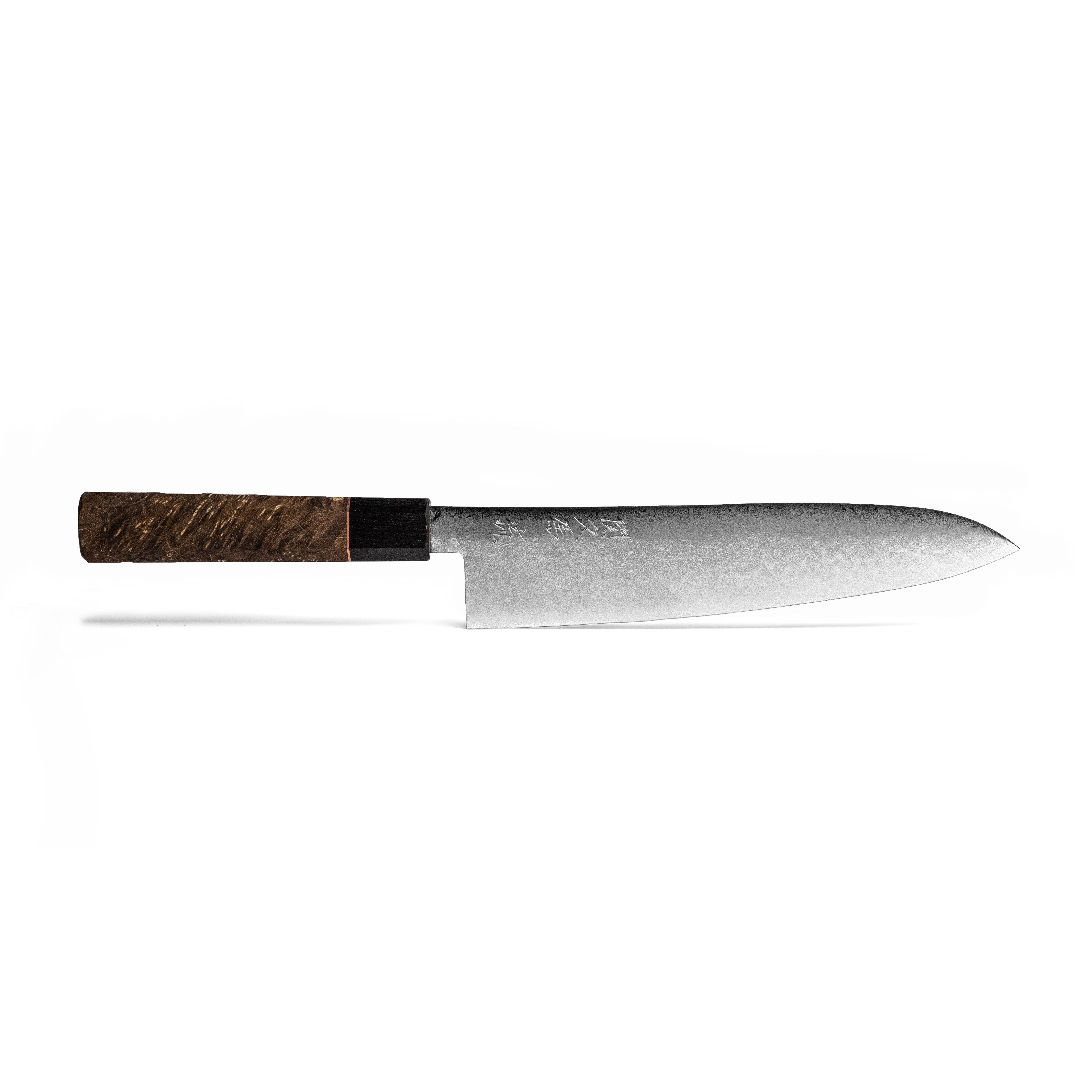
Wood handles offer a natural feel and look nice. They give a warm grip that feels good in your hand.
Wood can absorb water, so it needs care to avoid cracking or warping. Regular oiling keeps it strong.
- Good grip even when wet
- Needs regular maintenance
- Can wear down over time
- Offers classic, elegant style
Plastic And Composite
Plastic and composite handles are easy to clean and resist water well. They are often lightweight and strong.
These handles can feel less warm but offer good durability. Some have textured surfaces for better grip.
- Water-resistant and easy to clean
- Low maintenance
- Can be slippery if wet
- Usually more affordable
Metal Handles
Metal handles are strong and last a long time. They give a modern look and are easy to clean.
Metal can feel cold and slippery. Some have added textures or rubber to improve grip and comfort.
- Very durable and long-lasting
- Easy to clean and hygienic
- Can be heavy and cold
- May require textured grip for safety
Credit: oishya.com
Balance And Weight
Choosing the right chef knife depends a lot on how it feels in your hand. Balance and weight are key factors to think about. They affect your comfort and control while cutting.
A knife that is well balanced and the right weight helps you work faster and safer. Let’s explore why these features matter and how to find the best fit for you.
Importance Of Balance
Balance means how the weight is spread across the knife. A balanced knife feels steady and easy to handle. It makes cutting smoother and reduces hand fatigue.
- A balanced knife usually has the weight centered near the handle and blade junction.
- Too much weight in the blade can make the knife hard to control.
- Too much weight in the handle can make cutting tiring.
- Good balance helps you cut with less effort and more accuracy.
Finding The Right Weight
Weight affects how the knife feels and performs. Some cooks prefer heavier knives for power. Others like lighter knives for speed and ease.
| Knife Weight | Best For |
| Light (4-6 oz) | Quick chopping and fine slicing |
| Medium (7-9 oz) | Most tasks, good balance of power and control |
| Heavy (10+ oz) | Cutting through tough foods and larger vegetables |
Edge Type
Choosing the right edge type for your chef knife is important. It affects how well the knife cuts different foods.
Each edge type has unique features and uses. Learn about straight, serrated, and hollow edges to decide.
Straight Edge
Straight edges have a smooth, even blade without teeth. They give clean cuts and work well for most kitchen tasks.
They slice vegetables, fruits, and meats easily. Straight edges are easy to sharpen and keep sharp for a long time.
Serrated Edge
Serrated edges have small, sharp teeth along the blade. These teeth help cut tough or crusty foods without crushing them.
Serrated knives are perfect for bread, tomatoes, and citrus. They stay sharp longer but are harder to sharpen when dull.
- Good for slicing bread and baked goods
- Works well on soft fruits with tough skin
- Requires special tools for sharpening
Hollow Edge
Hollow edges have small indentations or dimples on the blade sides. These reduce food sticking to the blade.
This edge type is great for slicing thin pieces of meat, cheese, or vegetables. It makes cutting smoother and faster.
- Prevents food from sticking to the blade
- Makes thin, even slices
- Common in Japanese-style knives

Credit: www.wired.com
Grip Comfort And Ergonomics
Choosing the right chef knife means finding one that feels good in your hand. Grip comfort and ergonomic design help reduce hand fatigue. They allow you to cut safely and precisely.
These features matter more if you cook often or for long periods. A knife that fits well can make food prep easier and more enjoyable.
Testing Grip Comfort
Try holding the knife before buying it. The handle should feel natural and steady. Avoid knives that feel slippery or too heavy.
- Hold the knife with your dominant hand.
- Check if your fingers wrap comfortably around the handle.
- Make sure the grip does not pinch your palm or fingers.
- Test the knife with a few cutting motions.
- See if the knife stays balanced and stable.
Ergonomic Designs
| Design Feature | Benefits |
| Curved Handles | Fit the natural shape of your hand |
| Textured Grip | Prevent slipping during use |
| Weight Balance | Reduce wrist strain and improve control |
| Finger Guards | Protect fingers and improve safety |
| Soft Materials | Increase comfort for long use |
Durability And Maintenance
Choosing a chef knife means thinking about how long it will last. A strong knife saves money and effort over time.
Good maintenance keeps the knife sharp and safe to use. It helps the blade stay clean and damage-free.
Ease Of Sharpening
Sharp knives cut better and safer. Some knives are easier to sharpen than others. This depends on the blade material and design.
Steel blades with a simple edge are easier to sharpen by hand or with tools. Harder steel holds its edge longer but needs special care.
- Look for knives with straight edges for easy sharpening
- Soft steel is easy to sharpen but dulls faster
- Hard steel holds sharpness but needs more skill to sharpen
- Consider if you will sharpen by hand or use a machine
Resistance To Rust And Stains
Rust and stains can damage your knife and make it unsafe. Some metals resist rust better than others.
Stainless steel knives resist rust and stains well. Carbon steel knives need more care but can be stronger.
- Choose stainless steel for easy cleaning and rust resistance
- Keep knives dry to avoid rust
- Clean knives soon after use to prevent stains
- Use oil on carbon steel blades to protect them
Price Range Considerations
Choosing the right chef knife depends on your budget. Knives come in many price ranges.
Understanding price helps you find a good knife without overspending.
Budget Options
Budget knives cost less but still work well for simple tasks. They are good for beginners.
These knives often have stainless steel blades and plastic handles. They need more care.
- Price usually under $50
- Basic materials and construction
- Good for light kitchen use
- May dull faster and need sharpening
Mid-range Choices
Mid-range knives offer better steel and handle comfort. They suit regular home cooks.
These knives balance quality and price. They last longer with proper care.
- Price range from $50 to $150
- High-quality stainless or carbon steel blades
- Ergonomic handles made of wood or composite
- Good edge retention and easier sharpening
Luxury Selections
Luxury knives use premium materials and expert craftsmanship. They appeal to chefs and collectors.
These knives offer excellent sharpness and balance. They often have lifetime warranties.
- Price above $150, sometimes over $500
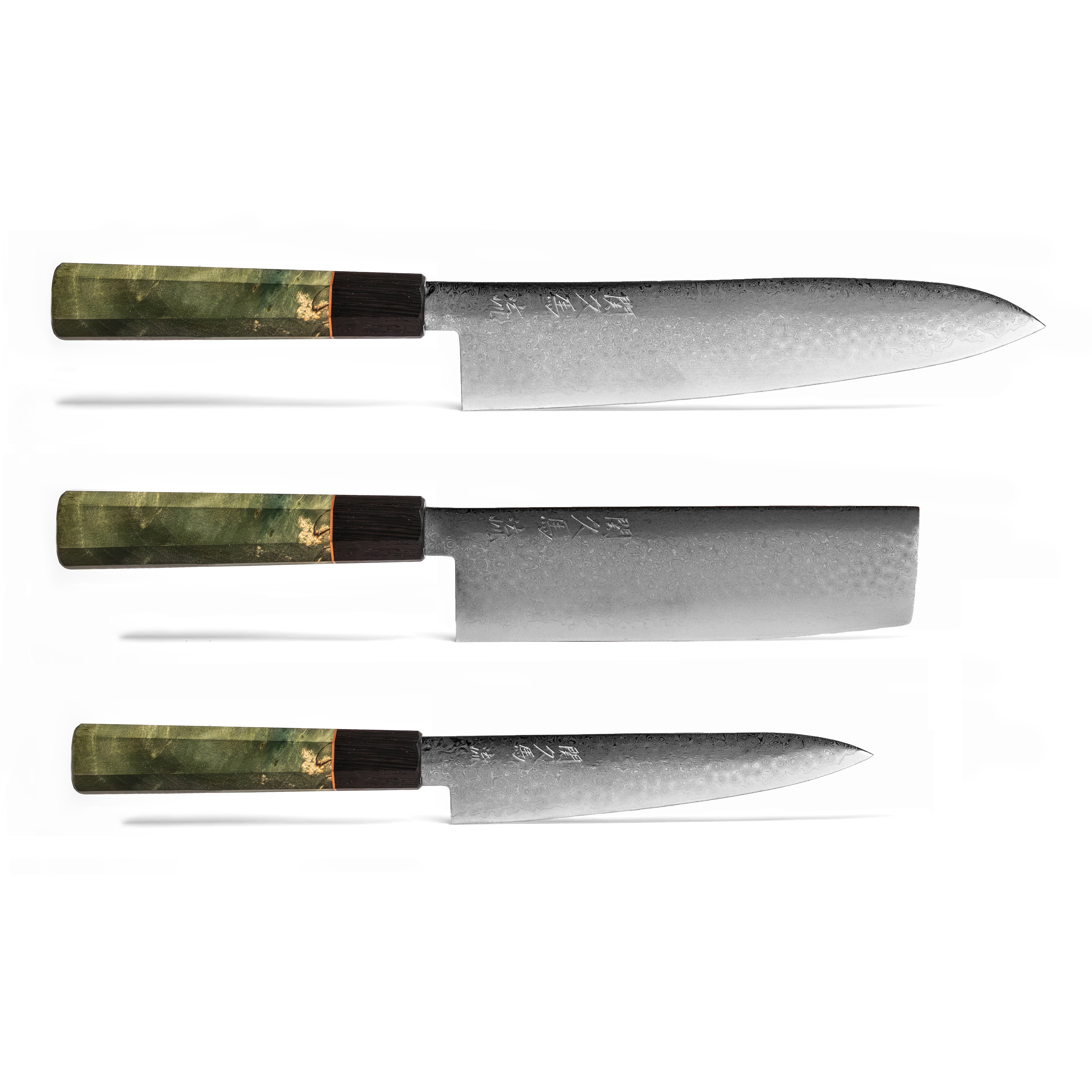
- High-carbon steel or Damascus blades
- Handles made from exotic woods or resin
- Superior durability and blade sharpness
Brand Reputation
Brand reputation is important when choosing a chef knife. Good brands show consistent quality and trust.
Known brands often have years of experience and customer feedback. This helps buyers make better choices.
Popular Brands
Popular brands have a strong market presence and many loyal users. They offer reliable knives for different needs.
These brands often use quality materials and good craftsmanship. They provide warranties and good customer service.
- Wüsthof: Known for German steel and durable knives
- Shun: Famous for sharp Japanese blades and elegant design
- Victorinox: Offers affordable, versatile knives with solid performance
- Global: Lightweight knives with unique stainless steel construction
Lesser-known Quality Brands
Some small brands produce high-quality chef knives. They focus on craftsmanship over mass production.
These brands may use special steel and hand-finished blades. They can offer great value and uniqueness.
- Miyabi: Combines Japanese tradition with German technology
- Tojiro: Affordable Japanese knives with good sharpness
- Zelite Infinity: Handmade knives with strong, sharp edges
- Kai: Offers a range of knives with good balance and control
Credit: oishya.com
Frequently Asked Questions
What Size Chef Knife Is Best For Beginners?
A 6 to 8-inch chef knife is ideal for beginners. It offers good control and versatility for most kitchen tasks. Smaller sizes are easier to handle and safer for new cooks.
How To Choose The Right Blade Material?
Stainless steel blades resist rust and require less maintenance. High-carbon steel blades hold sharp edges longer but need more care. Choose based on your cooking frequency and maintenance preference.
Why Is Handle Comfort Important In A Chef Knife?
A comfortable handle reduces hand fatigue during extended use. It ensures a secure grip, improving safety and precision. Choose handles made from durable materials with ergonomic designs.
How Often Should You Sharpen Your Chef Knife?
Sharpen your chef knife every 1-2 months if used regularly. Frequent honing can maintain the edge between sharpenings. Proper sharpening ensures efficient and safe cutting performance.
Conclusion
Choosing the right chef knife makes cooking easier and safer. Focus on the blade size, handle comfort, and weight. Test the knife if possible before buying. A good knife lasts for years with care. Sharpen it regularly for best performance.
Your kitchen work will feel smoother and faster. Trust your hands and pick what feels right. Enjoy cooking with a knife that fits you well. Simple steps lead to better meals and less stress.