
Choosing the right broom can change the way you clean your space. If you’ve ever struggled with stubborn dust or messy corners, you know how frustrating it can be.
But what if picking the perfect broom made sweeping easier and faster for you? You’ll discover simple tips to find a broom that fits your needs perfectly. Keep reading, and you’ll learn how to make your cleaning routine smoother and more satisfying.
Credit: www.bobvila.com
Choosing The Right Bristle Type
Picking the right broom starts with choosing the right bristle. The bristle type affects how well you can clean different surfaces.
Understanding the differences in bristle material and stiffness helps you sweep better and keep your space tidy.
Natural Vs. Synthetic Bristles
Natural bristles come from plant fibers or animal hair. Synthetic bristles are made from plastic materials like nylon or polyester.
- Natural Bristles:Good for rough surfaces and outdoor use.
- Synthetic Bristles:Work well on smooth floors and resist water.
- Durability:Synthetic bristles last longer in wet conditions.
- Eco-Friendliness:Natural bristles are biodegradable.
Soft Vs. Stiff Bristles
Soft bristles trap fine dust and work well on smooth floors. Stiff bristles remove heavy dirt from rough surfaces.
| Bristle Type | Best For | Cleaning Surface |
| Soft Bristles | Fine dust and light debris | Wood, tile, linoleum |
| Stiff Bristles | Heavy dirt and debris | Concrete, rough outdoor areas |
Handle Material Considerations
Choosing the right handle material is important for your broom. The handle affects comfort, weight, and durability.
Different materials work better for different tasks and users. Understanding each material helps you pick the best broom.
Wooden Handles
Wooden handles feel natural and strong. They offer a good grip and less slip when hands get sweaty.
Wood can be heavier than other materials. It may wear down if left in water or damp places.
- Durable and sturdy
- Comfortable to hold
- Can absorb moisture
- May need occasional sanding or sealing
Metal And Plastic Handles
Metal handles are strong and last long. They are usually light but can get cold or hot to touch.
Plastic handles are lightweight and resist water damage. They may not be as strong as wood or metal.
- Metal handles: strong, long-lasting, temperature-sensitive
- Plastic handles: lightweight, water-resistant, less durable
- Both are easy to clean
- Plastic handles may crack under heavy use
Broom Head Design
Choosing the right broom head makes sweeping easier and more effective. The design affects how well the broom cleans different surfaces. Two main factors are the shape and size of the broom head.
Understanding the differences helps you select a broom that fits your cleaning needs. Look closely at the head’s angle and width before buying.
Angled Vs. Straight Heads
Angled broom heads have bristles cut at a slant. They reach corners and tight spaces easily. Straight broom heads have bristles cut evenly across. They work well on large flat areas.
- Angled heads:Good for edges and corners
- Straight heads:Best for wide, open floors
- Angled heads:Help sweep under furniture
- Straight heads:Cover more surface quickly
Compact Vs. Wide Heads
Compact broom heads are narrow and easy to control. Wide heads cover a larger area but may be harder to maneuver. The choice depends on your space and cleaning style.
| Broom Head Type | Best For | Advantages | Disadvantages |
|---|---|---|---|
| Compact | Small spaces, tight corners | Easy to handle, precise cleaning | Covers less area, slower for big rooms |
| Wide | Large floors, open areas | Cleans large areas quickly | Harder to use in tight spots |

Credit: etspeaksfromhome.co.uk
Selecting Based On Floor Type
Choosing the right broom depends on the floor you want to clean. Different floors need different broom types.
This guide helps you pick the best broom for hardwood, tile, carpets, and rugs.
Hardwood And Tile Floors
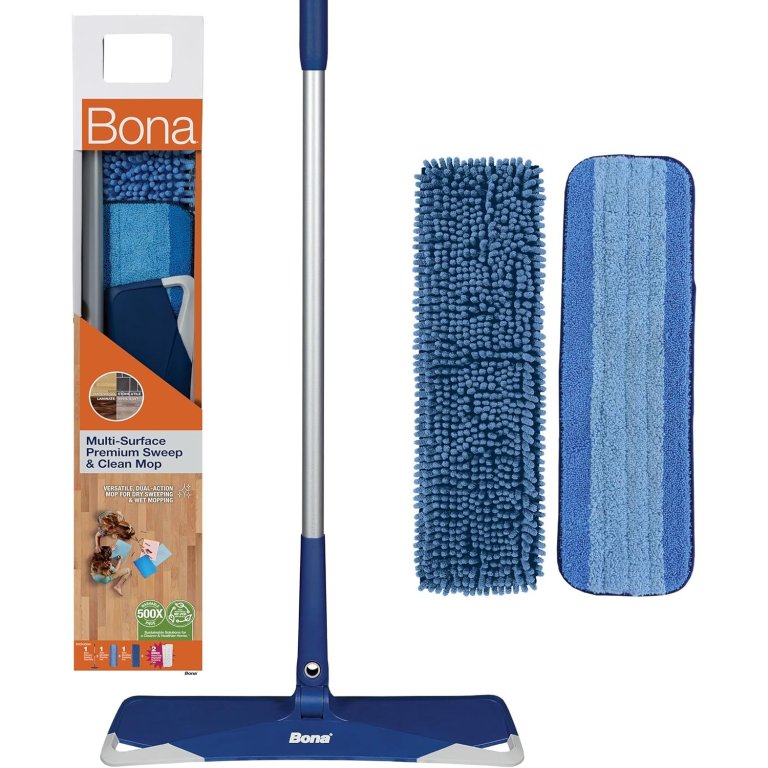
Hardwood and tile floors need brooms that clean gently but well. Soft bristles work best to avoid scratches.
- Choose brooms with soft, fine bristles.
- Look for angled brooms to reach corners easily.
- Use brooms with synthetic fibers to avoid damage.
- Avoid stiff bristles that can scratch the surface.
- Consider a broom with a wide head for faster cleaning.
Carpets And Rugs
Carpets and rugs need brooms that can lift dirt from fibers. Stiff bristles help remove dust and debris.
| Type of Broom | Best For | Notes |
|---|---|---|
| Stiff Bristle Broom | Thick carpets and rugs | Effective at loosening dirt |
| Rubber Broom | Low-pile carpets | Gathers pet hair well |
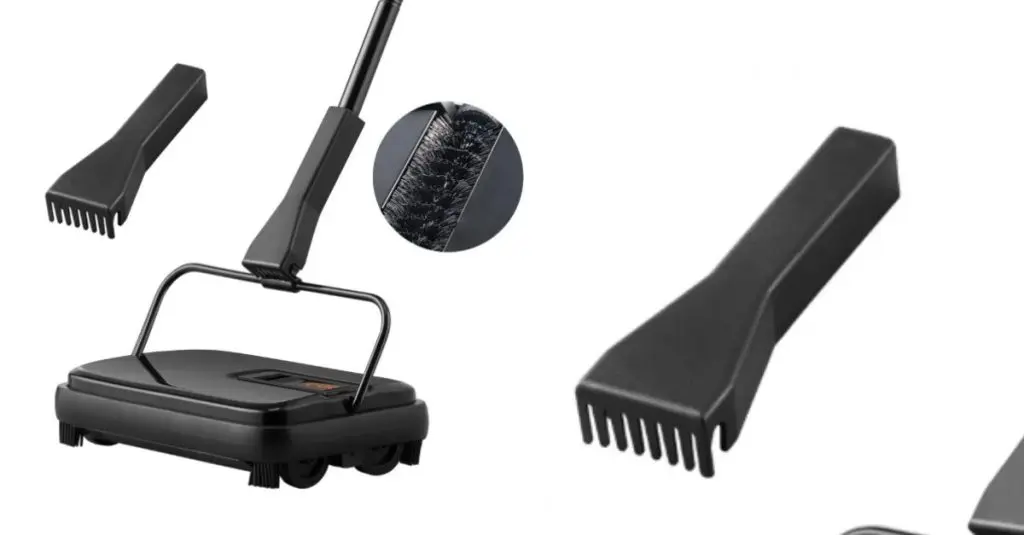
| Carpet Sweeper | All carpet types | Easy to use, no electricity needed |
Ergonomic Features
Choosing a broom with ergonomic features helps reduce strain while sweeping. Good design supports your body and makes cleaning easier.
Two key ergonomic features to consider are adjustable handles and comfort grips. These features improve control and reduce fatigue.
Adjustable Handles
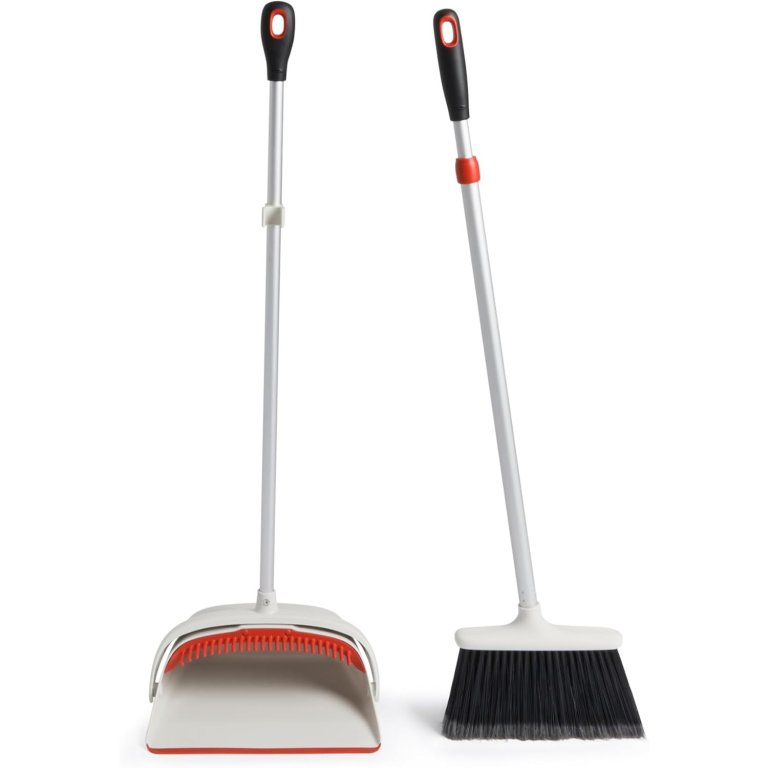
Adjustable handles let you change the broom’s length. This helps you find the right height for your body. Using a broom at the right height prevents back pain and discomfort.
- Easily change handle length to fit your height
- Use locking mechanisms to keep the handle stable
- Lightweight materials make adjustments simple
- Some handles have telescoping features for compact storage
Comfort Grips
Comfort grips reduce hand strain during sweeping. They provide a soft, non-slip surface to hold. This makes it easier to control the broom for longer periods.
| Grip Type | Benefits | Common Materials |
| Foam | Soft and cushioned | Polyurethane foam |
| Rubber | Non-slip and durable | Thermoplastic rubber |
| Silicone | Flexible and comfortable | Silicone rubber |
Credit: www.bobvila.com
Evaluating Durability
Choosing a durable broom saves money and effort. A strong broom lasts longer and cleans better.
Focus on the materials and the brand to find a broom that will not wear out quickly.
Material Longevity
Look for brooms made with tough bristles and solid handles. Natural fibers last well for indoor use.
- Synthetic bristles resist water and keep shape longer
- Wood handles are strong but need care to avoid cracking
- Plastic handles resist moisture but may break under pressure
- Metal handles are durable but can rust if not coated
Brand Reputation
A trusted brand often means better quality control and longer-lasting products. Check reviews and ratings.
| Brand | Durability Score | Customer Feedback |
| CleanSweep | 8/10 | Strong bristles, lasts months |
| Durabroom | 9/10 | Solid handles, good grip |
| QuickSweep | 7/10 | Affordable but bristles wear fast |
Budget-friendly Options
Choosing a broom does not have to be expensive. Many budget-friendly options offer good quality.
Consider your cleaning needs and how often you will use the broom before buying.
Affordable Vs. Premium Brooms
Affordable brooms are great for light use and small spaces. They often have plastic handles and synthetic bristles.
- Cost less than $15
- Lightweight and easy to handle
- Good for quick cleaning tasks
- May wear out faster
Premium brooms use stronger materials like hardwood and natural bristles. They last longer but cost more.
- Cost $20 and above
- Durable and sturdy
- Better for heavy or outdoor cleaning
- More comfortable grip
Cost Vs. Quality
Think about how often you sweep and the type of dirt you clean. This helps decide if a cheap or premium broom fits your needs.
| Price Range | Features | Best Use |
| $5 – $15 | Plastic handle, synthetic bristles | Light indoor cleaning |
| $16 – $30 | Wood or metal handle, mixed bristles | Regular indoor and outdoor use |
| $31 and up | Hardwood handle, natural bristles | Heavy-duty and outdoor cleaning |
Environmental Considerations
Selecting a broom with the environment in mind helps reduce waste and pollution. It also supports healthier living spaces.
Choosing eco-friendly brooms means looking at the materials used and how they are made. This ensures less harm to nature.
Eco-friendly Materials
Eco-friendly brooms use natural and biodegradable materials. These materials break down easily and do not pollute the earth.
- Bristles made from plant fibers like sorghum or coconut
- Handles crafted from sustainably sourced wood
- Natural adhesives instead of synthetic glues
- Recycled plastics for durability when natural options are unavailable
Sustainable Manufacturing Practices
Sustainable manufacturing reduces waste and lowers energy use. It also treats workers fairly and uses safe chemicals.
| Practice | Benefit |
| Use of renewable energy | Reduces carbon footprint |
| Minimal packaging | Less waste in landfills |
| Fair labor standards | Supports worker wellbeing |
| Non-toxic finishes | Protects environment and health |
Frequently Asked Questions
What Type Of Broom Is Best For Indoor Sweeping?
For indoor sweeping, choose a soft-bristle broom. It effectively collects dust and fine debris without scratching floors. Look for lightweight models with ergonomic handles for easy use and comfort.
How Do I Select A Broom For Outdoor Use?
Outdoor brooms should have stiff, durable bristles. They handle rough surfaces and heavy debris well. Opt for a broom with a sturdy handle to withstand outdoor conditions.
What Broom Size Is Ideal For Efficient Sweeping?
A broom around 18 to 24 inches wide is ideal. It covers more area quickly without being hard to maneuver. Choose a size that fits your space and storage options.
Can Broom Bristle Materials Affect Cleaning Performance?
Yes, bristle materials impact efficiency. Synthetic bristles work well for wet and dry debris. Natural bristles are good for fine dust but wear out faster.
Conclusion
Choosing the right broom makes cleaning easier and faster. Think about the floor type and broom size. Soft bristles work well on smooth surfaces. Stiff bristles handle rough or outdoor areas better. A broom with a comfortable handle helps you sweep longer.
Keep these tips in mind for the best results. Clean floors create a fresh, welcoming space. Simple tools can make a big difference. Find the broom that fits your needs today.