
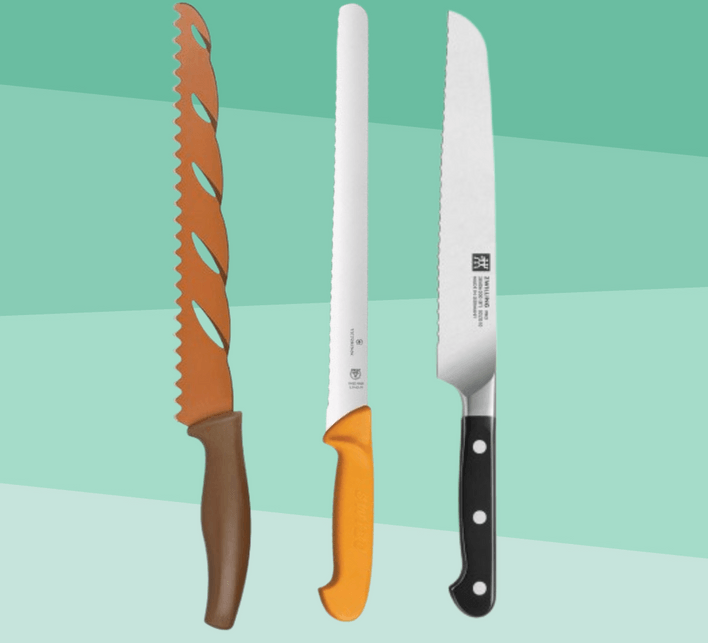
Choosing the right bread knife can change the way you slice forever. Have you ever struggled with squished loaves or uneven slices?
That’s often because the knife wasn’t made for the job. You deserve a knife that glides through crusts without tearing or crushing your bread. In this guide, you’ll discover simple tips to pick the perfect bread knife that fits your needs and makes every cut effortless.
Keep reading to find out how to make your bread slicing smooth, precise, and satisfying every time.
Blade Material
Choosing the right blade material is key for a bread knife. It affects sharpness, durability, and ease of use.
Different materials offer various benefits. Knowing these helps you pick the best knife for your kitchen.
Stainless Steel Benefits
Stainless steel blades resist rust and stains. They stay sharp for a long time with little effort.
These blades are easy to clean and maintain. They work well for everyday bread slicing.
- Resistant to rust and corrosion
- Low maintenance and easy to clean
- Retains sharpness for regular use
- Good balance of strength and flexibility
High Carbon Steel Options
High carbon steel blades are very sharp and strong. They hold an edge longer than stainless steel.
These knives need more care to avoid rust. Regular drying and oiling keep them in good shape.
- Sharper and stronger than stainless steel
- Longer edge retention
- Requires careful cleaning and drying
- Prone to rust if not maintained
Ceramic Blades
Ceramic blades are very hard and stay sharp for a long time. They do not rust or corrode.
These blades are brittle and can chip if dropped. They need gentle handling but slice bread cleanly.
- Extremely sharp and hard
- Does not rust or stain
- Lightweight and easy to handle
- Can chip or break if dropped
Blade Length
Blade length is important when choosing a bread knife. It affects how easy it is to slice bread.
Different blade lengths suit different tasks and bread types. Knowing the right length helps you cut better.
Short Blades
Short blades are usually under 7 inches long. They work well for small loaves or rolls.
These blades give more control but may struggle with large bread. They are easy to handle and store.
Long Blades
Long blades measure 9 to 10 inches or more. They cut large loaves in one smooth stroke.
Long blades reduce tearing and make slicing faster. They may be harder to control for small tasks.
Optimal Length For Versatility
Blades between 8 and 9 inches balance control and size. They work well with most bread types.
This length handles both small and large loaves. It offers good slicing power without losing precision.
- Easy to use on many bread sizes
- Offers smooth, clean cuts
- Fits well in most kitchens
Serration Type
Choosing the right bread knife depends on its serration type. Each type has unique features. These affect how the knife cuts bread and other foods.
Understanding serration types helps you pick a knife that fits your needs. Let’s look at three common serration styles.
Pointed Serrations
Pointed serrations have sharp, narrow teeth. They grip the crust well and slice through hard bread easily. These knives work best on crusty loaves and bagels.
Scalloped Serrations
Scalloped serrations feature rounded, wave-like teeth. They cut soft bread without crushing it. This type is gentle and good for delicate breads and cakes.
Mixed Serrations
Mixed serrations combine pointed and scalloped teeth. They offer versatility for many bread types. This style balances cutting power and gentleness.
- Sharp points cut hard crusts
- Rounded scallops protect soft crumb
- Mixed edges suit varied baking styles
Handle Design
The handle of a bread knife is important for safe and easy cutting. It affects how well you control the knife. A good handle helps reduce hand strain and makes slicing bread smooth.
Choosing the right handle design means looking at comfort, material, and grip. These factors keep your hand steady and prevent accidents while cutting.
Ergonomic Handles
Ergonomic handles fit well in your hand. They reduce pressure points and help you hold the knife naturally. This design lowers the chance of slipping or fatigue during use.
- Curved shapes that follow hand contours
- Soft edges to avoid pinching
- Balanced weight for easy control
- Non-slip surfaces for steady grip
Material Choices
Handle materials affect durability and feel. Some materials stay comfortable when wet or greasy. Others offer a classic look but need more care.
| Material | Benefits | Drawbacks |
| Wood | Warm feel, traditional style | Can crack or absorb moisture |
| Plastic | Water-resistant, easy to clean | May feel cheap or slippery |
| Rubber | Soft, non-slip grip | Can wear out over time |
| Metal | Strong and durable | Can be cold and slippery |
Grip And Comfort
Comfortable grip reduces hand tiredness. It keeps your hand secure for safe cutting. Check if the handle size fits your hand well. A poor fit can cause pain or slipping.
- Look for handles with textured surfaces
- Avoid very smooth or glossy finishes
- Choose a handle thickness that matches your hand size
- Try holding the knife before buying if possible
Balance And Weight
Choosing the right bread knife depends a lot on its balance and weight. These two factors affect how easy it is to cut bread smoothly.
A well-balanced knife feels comfortable and safe in your hand. The right weight helps you slice without extra effort or strain.
Importance Of Balance
A balanced bread knife has equal weight in the blade and handle. This balance helps control the knife during cutting. It reduces wrist fatigue and increases precision.
- Prevents the knife from tipping forward or backward
- Offers better control and smoother cuts
- Reduces hand and wrist strain during use
- Feels natural and comfortable to hold
Weight Considerations
The weight of the knife affects how you handle it. A knife that is too heavy tires your hand. A very light knife may feel flimsy and hard to control.
| Weight Type | Effect |
| Light | Easy to lift but less stable |
| Medium | Good balance of control and comfort |
| Heavy | Strong cuts but can cause fatigue |

Credit: www.souschef.co.uk
Maintenance And Care
Taking care of your bread knife keeps it sharp and safe to use. Proper maintenance helps the blade last longer.
Simple care habits will make cutting bread easier every time you use the knife.
Cleaning Tips
Clean your bread knife after each use. Avoid soaking it in water to protect the blade and handle.
Use warm water and mild soap. Dry the knife completely with a soft cloth to stop rust.
- Wash by hand only
- Do not use abrasive sponges
- Dry immediately after washing
- Never put in dishwasher
Sharpening Techniques
Bread knives have serrated edges that need special sharpening. Use a sharpening rod made for serrated blades.
Sharpen each serration carefully. Keep the angle steady to avoid damage.
- Use a ceramic or diamond rod
- Sharpen one serration at a time
- Keep a consistent angle (about 20 degrees)
- Do not sharpen the flat side
Storage Solutions
Store your bread knife safely to protect the blade and avoid accidents. Use a knife block or magnetic strip.
Keep the knife dry and away from other utensils to prevent dulling and damage.
- Use a dedicated knife block
- Magnetic strips save space
- Protect the blade with a sheath
- Keep out of reach of children
Price And Quality
Selecting a bread knife means thinking about both price and quality. A good knife cuts bread easily and lasts long.
Knowing what to expect at different price points helps you find the best knife for your needs and budget.
Budget Options
Budget bread knives cost less but can still work well. They often use stainless steel blades that resist rust.
These knives may not stay sharp as long. The handle material might be simple plastic or wood.
- Blade material: basic stainless steel
- Handle: plastic or simple wood
- Sharpness lasts for months with normal use
- Good for occasional bread slicing
High-end Choices
High-end bread knives use premium steel that keeps a sharp edge longer. They cut more smoothly.
These knives often have ergonomic handles made from durable materials. They feel comfortable for long use.
- Blade material: high-carbon stainless steel
- Handle: wood, composite, or metal
- Sharper edge stays longer
- More balanced and comfortable grip
Balancing Cost And Quality
Look for knives that offer good steel and a comfortable handle without high prices. This balance works well.
Read reviews and try to handle knives if possible. A moderate price with solid quality is often the best choice.
- Choose stainless steel blades with good sharpness
- Pick a handle that fits your hand well
- Avoid very cheap knives with poor materials
- High price does not always mean better quality

Credit: www.souschef.co.uk

Credit: kyokuknives.com
Frequently Asked Questions
What Is The Best Blade Type For A Bread Knife?
The best blade for a bread knife is serrated. Serrations grip the crust without crushing the bread. They ensure clean and even slices.
How Long Should A Bread Knife Blade Be?
A good bread knife blade is 8 to 10 inches. This length cuts through large loaves smoothly. It offers better control and precision.
Why Choose A Serrated Bread Knife Over A Straight Blade?
Serrated bread knives slice crusty bread easily. Straight blades tend to crush soft bread. Serrations reduce pressure and maintain bread shape.
What Handle Material Is Ideal For Bread Knives?
Look for handles made of wood, plastic, or composite. They provide a secure grip and comfort. Non-slip handles improve safety during cutting.
Conclusion
Choosing the right bread knife makes slicing bread easier and neater. Focus on the blade length, serration, and handle comfort. A sharp blade helps cut through crust without squashing soft bread. Pick a knife that feels good in your hand for better control.
Remember, a well-chosen knife saves time and reduces frustration. Take your time to find the best fit for your kitchen. Your bread will taste better when sliced perfectly every time. Simple steps lead to better results in the kitchen.