
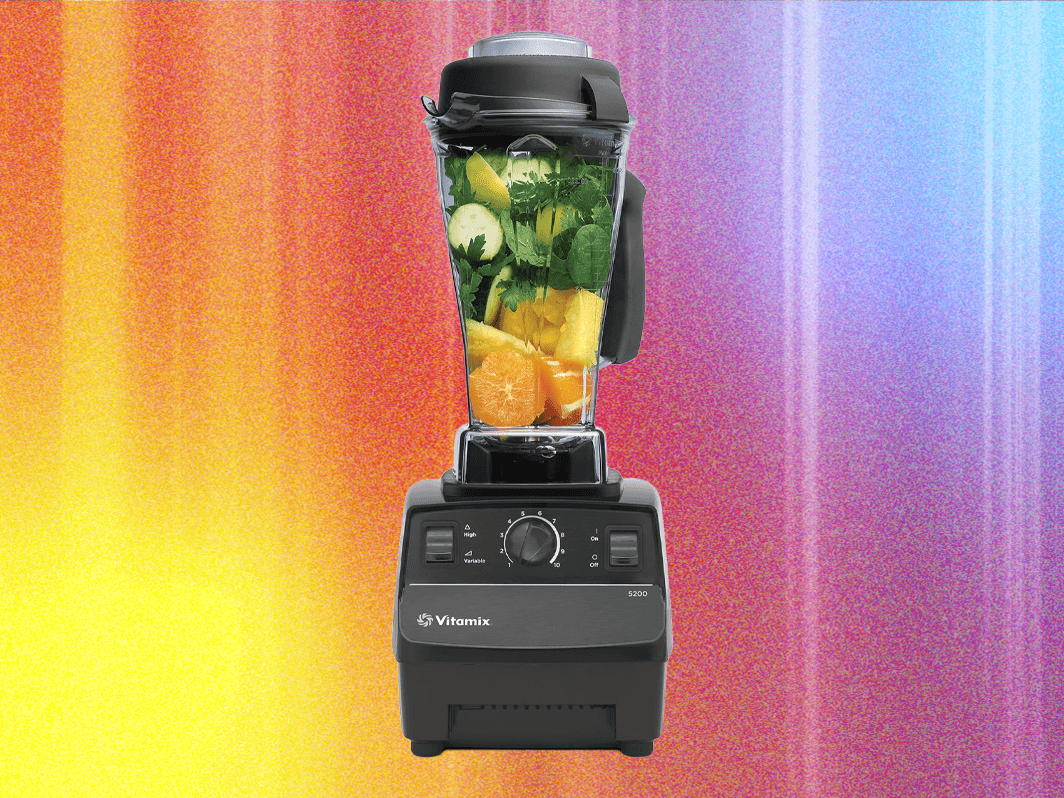
If you love smoothies, you know how important it is to have the right blender. But with so many options out there, how do you pick the one that fits your needs?
Choosing the perfect blender can save you time, make your smoothies smoother, and even keep your kitchen mess-free. You’ll discover simple tips to help you find a blender that works just right for you. By the end, you’ll feel confident about making a choice that turns your smoothie game up a notch.
Keep reading to unlock the secrets to selecting the ideal blender!
Types Of Blenders
Blenders come in different styles to fit your needs. Choosing the right one helps make perfect smoothies.
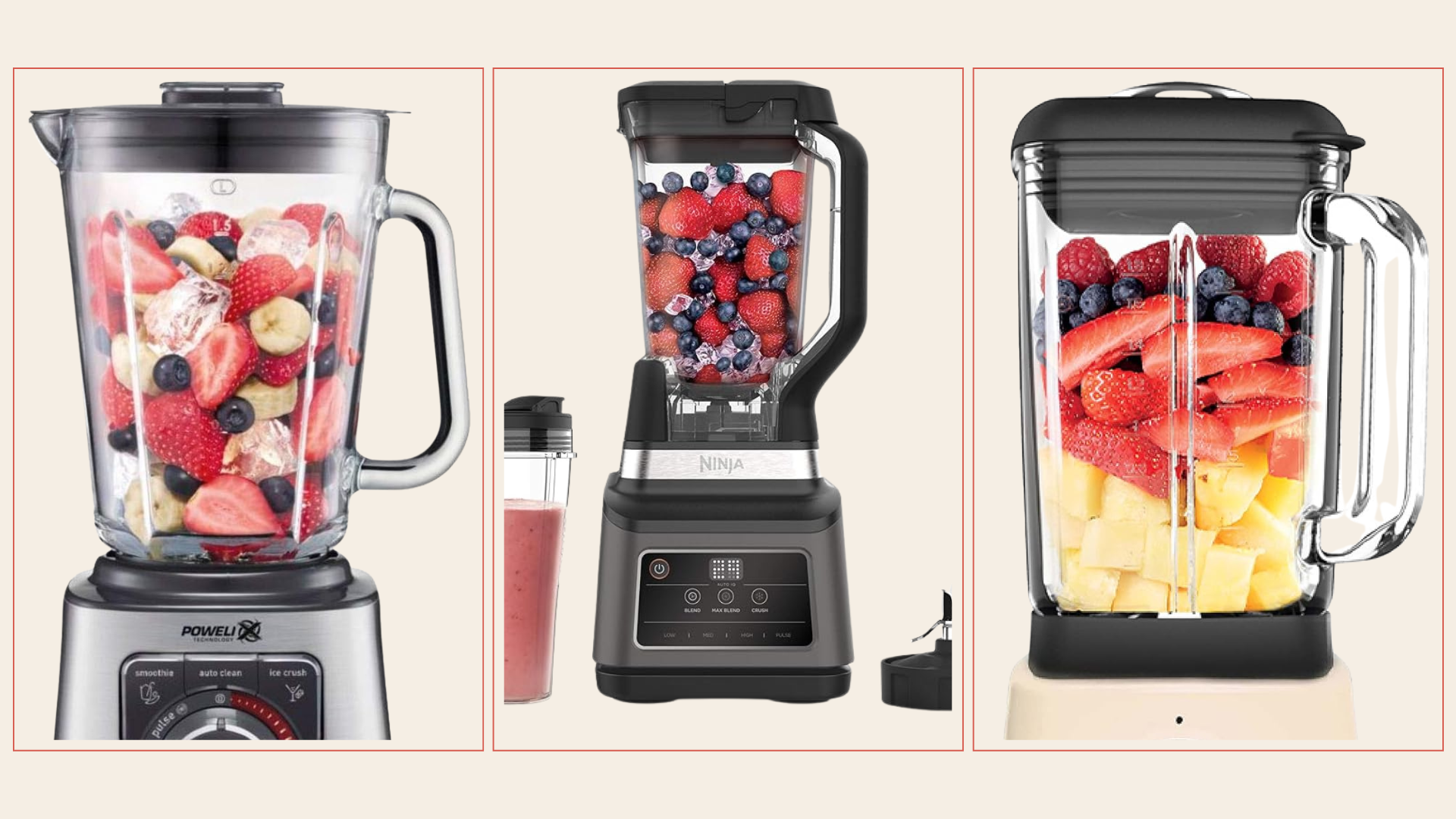
Here are the main types of blenders you can use for smoothies. Each has its own benefits and uses.
Countertop Blenders
Countertop blenders are the most common type. They have a large container and powerful motors.
These blenders work well with ice, frozen fruit, and leafy greens. They offer many speed settings and presets.
- Large jars hold more smoothie at once
- Powerful motor blends tough ingredients
- Easy to clean with removable parts
- Usually heavier and take more space
Personal Blenders
Personal blenders are small and fit one serving. They are portable and simple to use.
| Feature | Benefit |
|---|---|
| Size | Compact and easy to store |
| Capacity | Ideal for single servings |
| Power | Less powerful than countertop models |
| Portability | Great for travel or office use |
Immersion Blenders
Immersion blenders are handheld and easy to use in any container. They are lightweight and quick.
Here are key points about immersion blenders:
- Blend directly in cups or bowls
- Good for small batches of smoothies
- Easy to clean with detachable shaft
- Less powerful for hard or frozen ingredients
Credit: www.womanandhome.com
Key Features To Consider
Choosing the right blender for smoothies is important for making tasty and smooth drinks. Some features help your blender work better.
Look at these key features before buying a blender. They affect how well your blender blends fruits and ice.
Motor Power
Motor power shows how strong the blender is. It is measured in watts. A higher watt motor blends faster and smoother.
For smoothies, choose a blender with at least 500 watts. This power can crush ice and frozen fruits well.
Blade Material
Blades cut and mix your ingredients. The material affects how sharp and strong they stay over time.
Stainless steel blades are best. They stay sharp, do not rust, and handle hard ingredients easily.
Jar Capacity
Jar capacity tells how much smoothie you can make at once. It is usually measured in liters or cups.
Pick a jar size based on your needs. Small jars suit one or two servings. Large jars are good for families.
- Small: 1 to 1.5 liters
- Medium: 1.5 to 2 liters
- Large: Above 2 liters
Speed Settings
Speed settings control how fast the blades spin. Different speeds work better for different ingredients.
Look for blenders with multiple speeds. Low speed works for soft fruits. High speed blends ice and hard items well.
Pulse Function
The pulse function gives short bursts of power. It helps blend chunky or tough ingredients better.
Use pulse to control the texture. It stops over-blending and gives you smoother or chunkier results.
Material And Durability
Choosing the right blender for smoothies depends a lot on its material and how long it lasts. Good materials keep the blender working well for a long time. They also affect how easy it is to clean and use.
This guide looks at the two main jar materials and the stainless steel option. Each has pros and cons to help you decide what fits your needs.
Plastic Vs. Glass Jars
Plastic jars are light and less likely to break if dropped. They often cost less and feel easier to handle. But plastic can scratch and absorb smells over time.
Glass jars do not scratch easily and do not hold odors. They look better and feel sturdy. The downside is that glass jars are heavier and can break if dropped.
- Plastic Jars:Lightweight, affordable, can scratch, may absorb smells
- Glass Jars:Durable, odor-free, heavier, breakable
Stainless Steel Options
Stainless steel blenders are strong and last a long time. They do not break or stain and keep the blender looking new. They are usually quieter and keep smoothies cooler.
| Feature | Benefit |
| Durability | Very high, resists dents and scratches |
| Maintenance | Easy to clean, does not retain odors |
| Weight | Heavier than plastic, lighter than glass |
| Noise | Usually quieter than other materials |
| Temperature | Keeps smoothies cooler longer |
Ease Of Cleaning
Choosing a blender for smoothies means thinking about cleaning. A blender that is easy to clean saves time and effort.
Look for features that make cleaning simple. This helps keep your blender ready for the next use.
Dishwasher Safe Parts
Blenders with dishwasher safe parts are easier to clean. You can just take the parts apart and put them in the dishwasher.
Check if the jar, lid, and blades are safe for the dishwasher. This avoids hand washing and speeds up cleaning.
- Look for clear dishwasher safe labels
- Choose blenders with removable parts
- Avoid delicate parts that may get damaged
- Check manufacturer instructions for safety
Self-cleaning Functions
Some blenders have self-cleaning functions. You add water and soap, then run the blender to clean itself.
This feature saves effort and keeps the blender fresh. It is ideal for quick cleaning after making smoothies.
- Fill blender halfway with warm water
- Add a few drops of dish soap
- Run the blender on low speed for 30 seconds
- Rinse the jar with clean water
Noise Levels
Noise level is an important factor to consider when buying a blender for smoothies. A loud blender can be disturbing in your home.
Choosing a blender with low noise helps keep your kitchen calm and peaceful. Let’s look at what you need to know.
Decibel Ratings
Decibel (dB) ratings tell you how loud a blender is. Lower decibels mean quieter sound.
Most blenders range from 70 to 100 dB. For comparison, normal talking is about 60 dB.
- Below 80 dB: Quiet and good for home use
- 80 to 90 dB: Moderate noise, noticeable but not too loud
- Above 90 dB: Loud and may cause discomfort
Noise Reduction Features
Some blenders include noise reduction features. These help lower the sound during blending.
Look for sound shields, insulated jars, or special motor designs that reduce noise.
- Sound shields block sound waves from escaping
- Insulated jars absorb noise inside the blender
- Brushless motors run smoother and quieter
- Rubber bases reduce vibration noise on counters
Brand Reputation
Choosing a blender for smoothies means looking at the brand’s reputation. Good brands often make better products.
Trusted brands usually offer reliable blenders that last longer and work well.
Top Brands In The Market
Some brands are known for making quality blenders. These brands have a long history in kitchen appliances.
- Vitamix – Known for strong motors and durable parts
- Ninja – Offers powerful blenders at affordable prices
- Blendtec – Famous for smooth blends and sturdy design
- NutriBullet – Popular for compact, easy-to-use blenders
- KitchenAid – Trusted for quality and stylish designs
Customer Reviews
Customer reviews give real opinions about blenders. They show what users like or dislike.
Reading reviews helps you avoid blenders with problems or poor performance.
- Look for comments about motor strength and noise levels
- Check if users find the blender easy to clean
- See if the blender handles ice and frozen fruits well
- Note any issues with durability or broken parts
- Pay attention to customer service experiences
Budget Considerations
Choosing a blender for smoothies means thinking about your budget. Blenders come in many price ranges. Knowing what you need helps avoid overspending.
Focus on what features are important for your smoothie making. This makes it easier to pick a blender that fits your price range and needs.
High-end Vs. Budget Models
High-end blenders often have stronger motors and more settings. Budget models may have fewer features but still work well. Your choice depends on how often and what you blend.
- High-end blenders offer more power and durability
- Budget models are lighter and simpler to use
- High-end options usually have better warranty and parts
- Budget blenders can be perfect for basic smoothie needs
Cost Vs. Features
| Price Range | Typical Features | Best For |
| $50 – $100 | Basic speed settings, smaller jars | Simple smoothies, occasional use |
| $100 – $200 | More speed options, larger jars, better blades | Regular smoothie making, more variety |
| $200 and up | Powerful motors, multiple settings, durable build | Daily use, thick smoothies, crushing ice |

Credit: www.culinarydepotinc.com
Warranty And Support
Choosing a blender for smoothies means thinking about its warranty and support. These help protect your purchase and solve problems.
Good warranty and support give you peace of mind. They also ensure your blender lasts longer and works well.
Warranty Terms
Check how long the warranty lasts. Most blenders offer one to five years of coverage.
See what parts the warranty covers. Some cover the motor, others include blades and accessories.
- Length of warranty period
- Covered parts and repairs
- Conditions for warranty use
- Process to claim warranty
Customer Service
Good customer service helps if you have questions or issues. Look for brands with easy contact options.
Check if support is available by phone, email, or chat. Fast and helpful responses make a big difference.
- Availability of support channels
- Response time to inquiries
- Helpful and clear assistance
- Access to online guides and FAQs
User-friendly Design
Choosing a blender for smoothies means thinking about how easy it is to use. A user-friendly design helps you make drinks quickly and without stress.
Look for features that make blending simple. Two key parts are the control panel layout and ergonomic handles.
Control Panel Layout
The control panel is where you select speed and settings. A clear and simple layout helps you blend with ease.
- Buttons should be large and easy to press.
- Labels need to be clear and readable.
- Different speeds should be easy to find.
- A start/stop button helps control the blending safely.
- Look for panels that show progress or speed levels.
Ergonomic Handles
Ergonomic handles make it easier to hold and pour. They reduce hand strain and improve safety when using the blender.
| Feature | Benefit |
| Soft Grip | Comfortable to hold for a long time |
| Curved Shape | Fits natural hand position |
| Non-Slip Material | Prevents slipping, even if wet |
| Size | Easy to grasp for all hand sizes |
Additional Features
Choosing a blender for smoothies means looking beyond basic functions. Extra features can make blending easier and more fun.
These features can save time and help you get the perfect smoothie texture every time.
Preset Programs
Preset programs are automatic settings for different smoothie types. They control speed and blending time.
This feature helps beginners blend without guessing the right settings. It ensures smooth results quickly.
- Simple push-button operation
- Settings for fruits, ice, and green smoothies
- Consistent texture with every use
- Less need to watch the blender while blending
Bluetooth Connectivity
Bluetooth connectivity links your blender to a smartphone app. The app can control the blender remotely.
This feature lets you start blending from another room. Some apps also offer recipes and tips.
- Remote start and stop options
- Access to smoothie recipes
- Custom blending programs
- Track blending time and speed

Credit: www.techgearlab.com
Frequently Asked Questions
What Power Wattage Is Ideal For Smoothie Blenders?
A blender with 500 to 1000 watts is ideal for smoothies. It efficiently crushes ice and blends fruits smoothly. Higher wattage ensures better performance and durability for frequent use.
Which Blade Type Works Best For Smoothie Blending?
Stainless steel, multi-level blades are best for smoothies. They easily crush ice, seeds, and fibrous fruits. Sharp blades ensure a smooth, even blend every time.
How Important Is The Blender Jar Material?
Jar material affects durability and taste. Glass jars resist stains and odors, while BPA-free plastic jars are lighter. Choose based on your preference for weight and maintenance.
Should I Choose A Personal Or Countertop Blender?
Personal blenders are compact and good for single servings. Countertop blenders handle larger quantities and tougher ingredients. Choose based on your smoothie volume and kitchen space.
Conclusion
Choosing the right blender makes smoothie-making easy and fun. Think about your budget and how often you will use it. Check the blender’s power and speed settings for smooth blends. Size matters, so pick one that fits your kitchen space.
Don’t forget to consider ease of cleaning and durability. A good blender helps you enjoy fresh, healthy smoothies every day. Start blending with confidence and enjoy tasty results!