
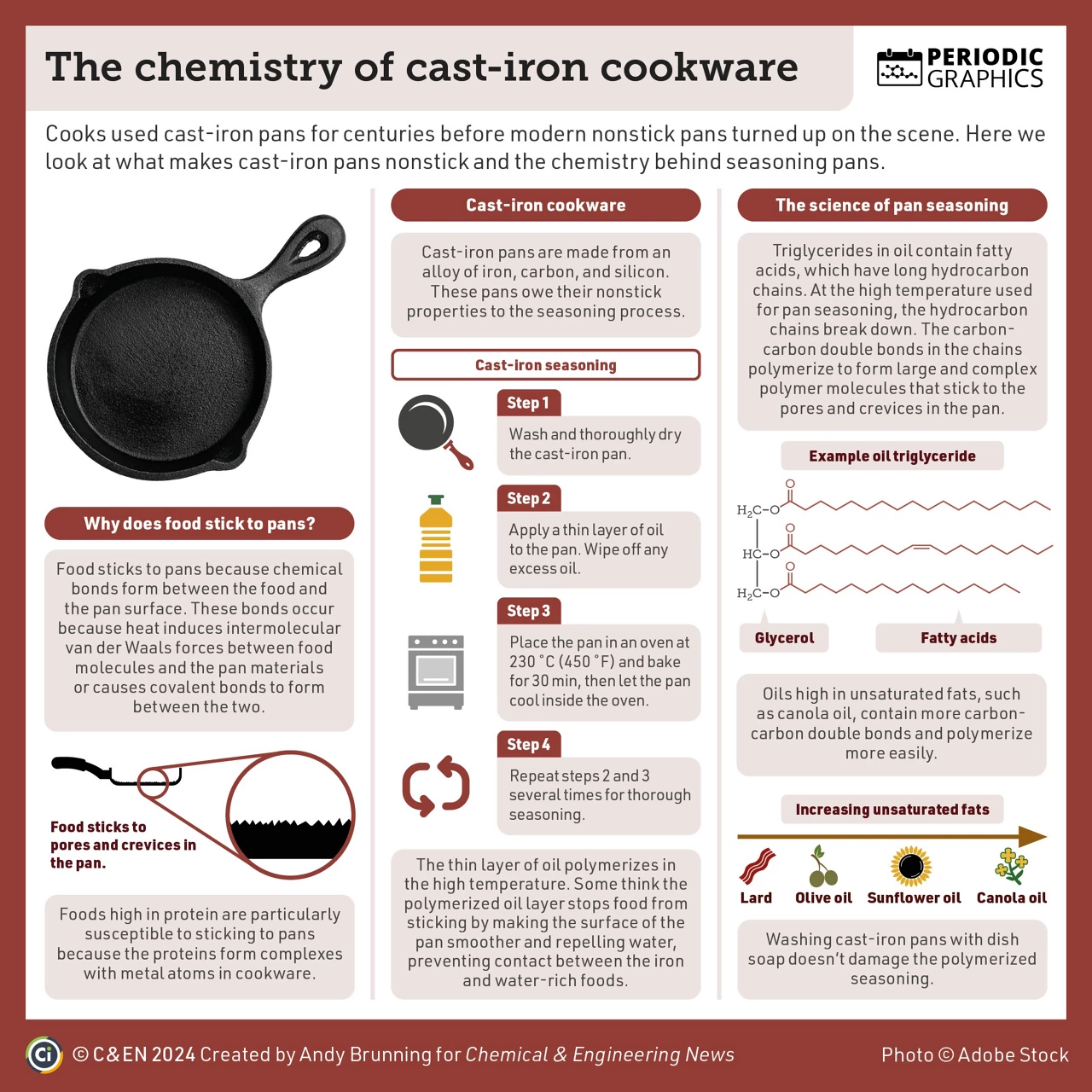
If you’ve just got a cast iron pan, you might wonder how to keep it in perfect shape. Seasoning your pan is the secret to making it non-stick, easy to clean, and long-lasting.
But if you’re new to this, the process can feel confusing or even intimidating. Don’t worry—this guide will show you simple, step-by-step ways to season your cast iron pan like a pro. By the end, you’ll have the confidence to bring out the best in your cookware and enjoy cooking like never before.
Ready to get started? Let’s dive in!
Why Seasoning Cast Iron Matters
Seasoning cast iron pans protects them from rust. It also creates a natural non-stick surface.
This process helps your pan last for many years. It improves cooking and makes cleaning easier.
Prevents Rust And Damage
Cast iron can rust if it gets wet. Seasoning adds a layer that keeps moisture away.
This layer also protects the pan from scratches and wear. It keeps the metal strong and safe.
Creates A Non-stick Surface
Seasoned cast iron pans become naturally non-stick. This helps food cook evenly and not stick.
You need less oil for cooking. This makes meals healthier and cleanup easier.
Improves Flavor Over Time
Seasoning builds up with each use. It adds a unique flavor to your food.
This makes your meals taste better. The pan becomes more special the more you use it.
Saves Money In The Long Run
Proper seasoning keeps your pan in good shape. You avoid buying new pans often.
It helps your cast iron last for decades. This makes it a smart investment for your kitchen.

Credit: www.cnet.com
Choosing The Right Oil
Seasoning a cast iron pan needs the right oil to create a strong, non-stick surface. The oil should handle high heat and stay stable.
Picking the best oil helps your pan last longer and cook better. Not all oils work well for seasoning.
Vegetable Oil
Vegetable oil is a common choice for seasoning. It has a high smoke point and forms a good layer on the pan.
This oil is easy to find and affordable. It creates a smooth, even coating when heated properly.
Flaxseed Oil
Flaxseed oil is popular because it dries hard and creates a strong seasoning layer. It has a low smoke point, so use it carefully.
Apply thin layers and bake at the right temperature to avoid sticky spots on your pan.
Canola Oil
Canola oil works well because it has a medium-high smoke point. It spreads easily and creates a smooth surface.
This oil is mild in flavor and helps build a non-stick coating after several uses.
Grapeseed Oil
Grapeseed oil has a high smoke point, making it good for seasoning at high heat. It produces a durable finish.
This oil is light and does not leave a strong smell on your pan.
Avoid Butter And Olive Oil
Butter and olive oil have low smoke points. They burn easily and can make the seasoning sticky or uneven.
Choose oils that can handle high heat to get the best results for your cast iron pan.
Prepping Your Pan
Seasoning a cast iron pan starts with good preparation. Cleaning and drying the pan well helps the seasoning stick better.
Follow these simple steps to get your pan ready before applying oil and heating it.
Cleaning The Surface
Remove any rust, dirt, or old seasoning from your cast iron pan. Use gentle tools to avoid damage.
- Use warm water and a mild dish soap if needed.
- Scrub with a stiff brush or non-metal scrubber.
- For tough rust, use steel wool carefully.
- Rinse the pan thoroughly to remove soap and debris.
- Do not soak the pan for a long time to prevent rust.
Drying The Pan Properly
Dry your cast iron pan completely to avoid rust before seasoning. Use heat to remove all moisture.
| Drying Method | How to Do It |
|---|---|
| Stove Top | Place the pan on low heat for 5–10 minutes until dry. |
| Oven | Preheat oven to 200°F (93°C). Place pan inside for 10 minutes. |
| Air Dry + Towel | Wipe with a dry cloth then leave to air dry for a few minutes. |

Credit: www.lodgecastiron.com
Applying Oil Evenly
Seasoning a cast iron pan means coating it with oil and heating it. This process protects the pan and makes it non-stick.
Applying oil evenly is very important. Too much or too little oil can cause sticky spots or uneven seasoning.
Amount Of Oil To Use
Use a small amount of oil when seasoning your pan. A thin layer is enough to cover the surface.
Too much oil can make the pan sticky. It may also create uneven patches that do not season well.
- Use about one teaspoon of oil for a 10-inch pan
- Use less oil for smaller pans
- Apply more only if the surface is very dry
Techniques For Even Coating
Spread the oil using a cloth or paper towel. Rub it over the entire surface, inside and outside.
Make sure to cover corners and edges. Remove any excess oil to avoid sticky spots after heating.
- Pour a small amount of oil on the pan
- Use a lint-free cloth or paper towel
- Rub the oil in thin, circular motions
- Wipe off extra oil until surface looks dry
Heating The Pan
Heating your cast iron pan properly is key to seasoning it well. Heat helps the oil bond to the pan’s surface.
Correct heating creates a strong, non-stick coating that lasts long. Let’s look at oven temperature and heating time.
Setting The Oven Temperature
Set the oven to a temperature between 375°F and 450°F (190°C to 230°C). This range is hot enough to polymerize the oil.
Too low heat will not bond the oil. Too high heat can damage the pan’s surface or cause smoke.
- Preheat oven before placing the pan inside
- Use 400°F (204°C) for a good balance
- Avoid temperatures above 450°F (230°C)
Duration Of Heating
Heat the pan for at least one hour to allow the oil to bond well. This time helps form a solid seasoning layer.
After heating, turn off the oven but keep the pan inside to cool slowly. This prevents cracks in the seasoning.
- Heat for 60 minutes at set temperature
- Cool inside oven for about one hour
- Repeat heating and cooling for better seasoning

Credit: www.youtube.com
Cooling And Repeating The Process
Seasoning a cast iron pan is not a one-time task. It needs cooling and repeating to build a strong, non-stick surface.
This guide explains how to let your pan cool properly and how to reapply oil for better seasoning results.
Allowing The Pan To Cool
After heating your pan, let it cool down slowly at room temperature. Do not pour water on it or cool it quickly.
- Turn off the oven or heat source.
- Leave the pan in the oven or on the stove until it reaches room temperature.
- Handle the pan carefully as it remains hot for a while.
Reapplying Oil For Better Results
For a stronger seasoning layer, apply a thin coat of oil after the pan cools. Then, heat it again to bind the oil.
| Action | Details |
| Choose oil | Use vegetable oil, flaxseed oil, or shortening |
| Apply oil | Rub a thin layer on the entire pan surface |
| Heat pan | Place pan upside down in oven at 375°F (190°C) for 1 hour |
| Cool down | Let pan cool at room temperature |
| Repeat | Repeat oiling and heating 2-3 times for best results |
Maintaining Your Seasoned Pan
Keeping your cast iron pan in good shape helps it last longer. Proper care keeps the seasoning strong. This guide shows simple ways to care for your pan after use.
Regular maintenance keeps your pan non-stick and rust-free. Follow these tips to enjoy cooking with your cast iron every day.
Cleaning After Use
Clean your pan right after cooking. Use warm water and a soft brush or sponge. Avoid soap and harsh scrubbers that can remove seasoning.
- Rinse with warm water to remove food bits.
- Use a non-metal brush or sponge for stuck food.
- Dry the pan completely with a towel or on low heat.
- Apply a thin layer of oil to keep the surface protected.
Regular Re-seasoning Tips
Re-season your pan to keep its non-stick coating strong. This helps prevent rust and keeps the surface smooth for cooking.
| When to Re-season | How to Re-season |
|---|---|
| If food starts sticking | Clean pan, dry well, apply oil, bake at 350°F for 1 hour |
| If pan looks dull or rusty | Scrub rust off, rinse, dry, oil, bake as above |
| After deep cleaning with soap | Repeat seasoning process to restore coating |
Common Mistakes To Avoid
Seasoning cast iron pans is simple but easy to get wrong. Many beginners make mistakes that affect the pan’s performance.
Knowing what to avoid helps you keep your pan non-stick and rust-free for years.
Using Too Much Oil
Applying too much oil creates a sticky, uneven surface on your pan. The excess oil does not bake properly and can turn gummy.
- Use only a thin, even layer of oil
- Wipe off any oil pools before heating
- Choose oils with a high smoke point like flaxseed or vegetable oil
- Too much oil can cause a patchy finish
- Excess oil may attract dust and debris
Skipping The Heating Step
Heat is needed to bond the oil to the pan’s surface. Skipping this step means the seasoning won’t stick properly.
| Step | Why It Matters |
| Heating the pan after oiling | Allows oil to polymerize and form a hard coating |
| Not heating | Oil stays wet and sticky, causing uneven seasoning |
| Heating at too low temperature | Oil does not bond well to the iron |
| Heating at too high temperature | Oil can burn and create a rough surface |
Frequently Asked Questions
How Often Should I Season My Cast Iron Pan?
Season your cast iron pan after every few uses or when it loses its non-stick surface. Regular seasoning maintains the protective layer, preventing rust and enhancing cooking performance.
What Oil Is Best For Seasoning Cast Iron Pans?
Use oils with high smoke points like flaxseed, vegetable, or canola oil. These oils create a durable, non-stick coating when baked onto the pan’s surface during seasoning.
Can I Skip Seasoning My New Cast Iron Pan?
No, seasoning is essential even for new pans. It builds the non-stick layer and protects the pan from rust, ensuring better cooking results and longevity.
How Long Does The Seasoning Process Take?
Seasoning usually takes about 1 hour per coat in the oven. Multiple coats improve the surface; allow the pan to cool between each coat for best results.
Conclusion
Seasoning a cast iron pan keeps it non-stick and rust-free. Clean the pan well before each use. Apply a thin layer of oil evenly on the surface. Heat the pan to bond the oil with the metal. Repeat this process regularly for best results.
Proper care helps your pan last many years. Enjoy cooking with a well-seasoned, reliable cast iron pan. Simple steps make a big difference in cooking quality. Give your pan the care it deserves.