
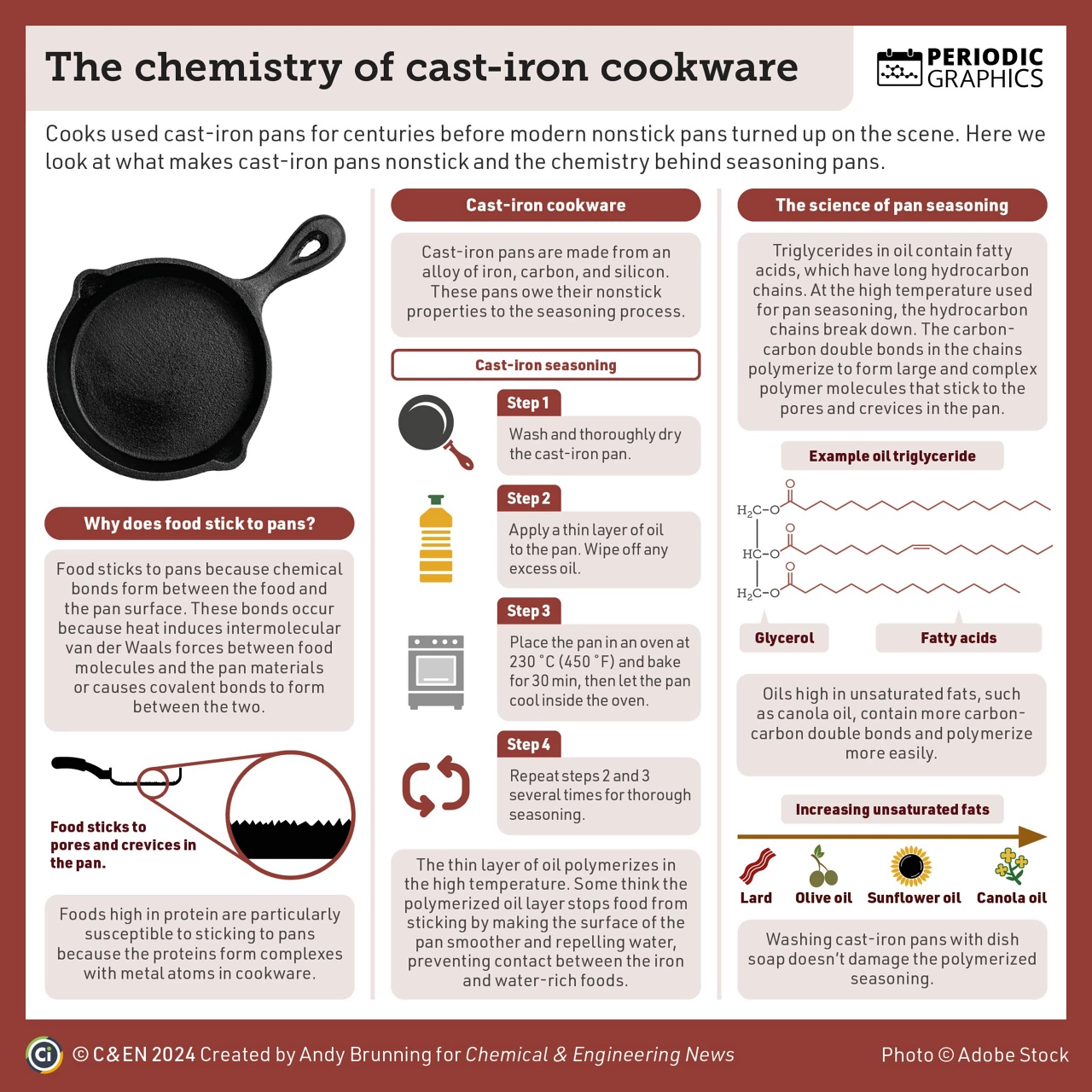
If you want your cast iron pan to last a lifetime and cook like a dream, seasoning it the right way is a must. Without proper seasoning, your pan can stick, rust, or lose its non-stick magic.
But don’t worry—seasoning cast iron is easier than you think. In this guide, you’ll discover simple steps that will bring out the best in your pan and make your cooking smoother. Ready to unlock the full potential of your cast iron?
Let’s get started!
Benefits Of Seasoning Cast Iron
Seasoning a cast iron pan means creating a layer of oil baked onto its surface. This layer protects the pan and improves cooking.
Proper seasoning makes your cast iron pan last longer and cook better. It also keeps food from sticking.
Prevents Rust And Corrosion
Seasoning forms a protective barrier on the pan. This barrier stops moisture from reaching the metal.
Without seasoning, cast iron can rust quickly. A good seasoning layer helps avoid damage and keeps the pan safe to use.
Creates A Natural Non-stick Surface
Seasoning builds a smooth, non-stick surface over time. This surface helps food release easily while cooking.
You can cook with less oil and clean the pan with less effort. The non-stick layer gets better with each use.
Improves Flavor And Cooking Quality
The seasoned surface adds a unique flavor to your food. It also allows heat to spread evenly across the pan.
Even heat means food cooks better without hot spots. This helps you prepare tastier meals every time.
Extends The Life Of Your Pan
Seasoning keeps the cast iron strong and durable. It stops cracks and chips caused by rust or rough use.
A well-maintained seasoning layer means your pan can last for decades. This makes it a great kitchen tool for years.

Credit: www.reddit.com
Choosing The Right Oil
Seasoning a cast iron pan creates a natural non-stick surface. The oil you use affects how well the seasoning works.
Picking the right oil helps build a strong, smooth layer that lasts longer and protects the pan.
Types Of Oils To Use
Use oils that have a high smoke point and dry well. These oils create a durable coating on the pan.
- Flaxseed oil – dries hard and forms a solid layer
- Canola oil – affordable and has a high smoke point
- Vegetable oil – easy to find and works well
- Grapeseed oil – heats evenly and dries fast
- Sunflower oil – good smoke point and smooth finish
Oils To Avoid
Avoid oils that do not dry well or have low smoke points. They can leave a sticky or soft coating.
- Olive oil – burns easily and can leave a sticky layer
- Butter – low smoke point and can spoil quickly
- Coconut oil – low smoke point and may not dry hard
- Lard or animal fats – can go rancid over time
- Unrefined oils – often have impurities that affect seasoning
Cleaning The Pan
Cleaning your cast iron pan is key to keeping it in good shape. Proper cleaning helps the seasoning last longer.
Remove food and dirt without damaging the pan’s surface. This keeps it ready for seasoning and cooking.
Removing Rust
Rust can form if your pan stays wet or is stored incorrectly. You must remove it before seasoning.
Use a scrubber or steel wool to scrub the rust off the pan. Rinse well after scrubbing.
- Scrub the rusty areas with steel wool or a stiff brush.
- Rinse the pan with warm water to wash away rust particles.
- Dry the pan completely to stop more rust from forming.
Proper Washing Techniques
Wash your cast iron pan gently to keep the seasoning intact. Avoid harsh soaps that remove the oil layer.
Use warm water and a soft brush or sponge to clean the pan after use. Dry it well to prevent rust.
- Rinse the pan with warm water right after cooking.
- Use a soft brush or sponge to clean stuck food.
- Avoid using strong soaps or dishwasher.
- Dry the pan with a towel or heat it on the stove.
Applying The Oil
Seasoning a cast iron pan starts with applying the right amount of oil. This step helps create a smooth, non-stick surface. Using too much or too little oil can affect the pan’s seasoning.
Even oil application ensures a strong, lasting seasoning layer. Spreading the oil correctly prevents sticky spots and uneven coating.
Amount Of Oil Needed
Use just enough oil to coat the pan thinly. Too much oil causes pooling and sticky patches. A thin layer dries and bonds better to the iron.
- Pour about one teaspoon of oil for a 10-inch pan
- Use less oil for smaller pans
- Wipe off excess oil with a clean cloth or paper towel
- A shiny, but not wet, surface is ideal
Even Application Tips
| Tip | Details |
|---|---|
| Use a Cloth or Paper Towel | Spread oil evenly and remove excess without adding too much. |
| Apply in Thin Layers | Multiple thin coats build a better seasoning than one thick coat. |
| Cover All Surfaces | Include sides and handle to protect against rust. |
| Heat Helps Spread | Warm the pan slightly before applying oil for smoother coverage. |
Baking The Pan
Baking is a key step to season a cast iron pan well. It helps the oil bind to the pan’s surface.
Proper baking creates a smooth, non-stick layer that protects the pan from rust.
Correct Temperature Settings
The oven should be hot enough to polymerize the oil, but not too hot to burn it. Aim for a temperature between 375°F and 450°F.
Different oils have different smoke points. Choose one with a smoke point close to this range for best results.
- 375°F (190°C) is safe for most oils
- 400°F (204°C) works well for flaxseed oil
- 450°F (232°C) speeds up the process but watch for smoke
Duration In The Oven
Baking time lets the oil form a hard, protective layer on the pan. Too short or too long can cause problems.
Typically, bake the pan for at least one hour for good seasoning. Let it cool slowly in the oven afterward.
- Bake for 1 hour at the chosen temperature
- Turn off the oven and let the pan cool inside
- Repeat the process 2-3 times for best results
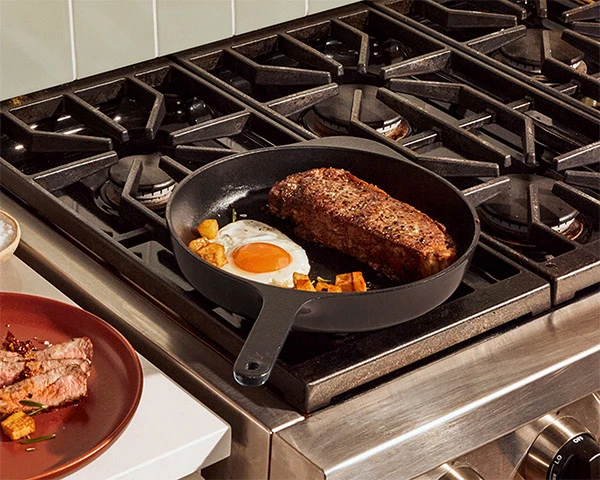
Credit: www.carawayhome.com
Cooling And Repeating
Seasoning a cast iron pan takes time and care. Cooling and repeating the process helps build a strong, non-stick surface.
Proper cooling lets the seasoning set well. Repeating adds more layers for better protection and performance.
Cooling Down Process
After seasoning, let your pan cool slowly. Sudden temperature changes can cause cracks or warping.
Leave the pan in the oven or on a heat-safe surface until it reaches room temperature.
- Turn off the oven and leave the pan inside to cool
- Do not touch or move the pan while it is hot
- Wait until the pan feels cool to the touch before handling
- Slow cooling helps the oil bond to the pan surface
When To Repeat Seasoning
Repeat seasoning if your pan loses its shine or food starts to stick. This means the protective layer is weak.
Regular use and cleaning can wear down the seasoning. Adding layers keeps your pan in good shape.
- Season again if the surface looks dull or rusted
- Repeat after heavy scrubbing or using soap
- Season before storing the pan for a long time
- Apply seasoning when food sticks more than usual
Maintaining The Seasoning
Keeping your cast iron pan seasoned is key for great cooking. Good seasoning stops food from sticking and protects the pan from rust.
Proper care helps the seasoning last longer. Small habits make a big difference in maintaining the pan’s surface.
Daily Use Tips
Use your cast iron often to keep it in good shape. Cooking with oil builds up the seasoning over time.
Clean the pan right after cooking while it is still warm. Avoid soap and harsh scrubbing that can remove the seasoning layer.
- Wipe out food scraps with a paper towel
- Rinse with warm water and use a soft brush if needed
- Dry completely with a cloth or on low heat
- Apply a thin layer of cooking oil after drying
Avoiding Damage
Keep your cast iron safe by avoiding certain actions. Harsh cleaning and sudden temperature changes can harm the seasoning.
Do not soak the pan in water or put it in the dishwasher. Avoid cooking very acidic foods often, as they can wear down the seasoning.
- Do not use steel wool or metal scrubbers
- Avoid soaking the pan in water for long periods
- Do not expose the pan to high heat when empty
- Limit cooking acidic foods like tomatoes or vinegar
- Store the pan in a dry place to stop rust
:max_bytes(150000):strip_icc()/faw-field-company-no-8-cast-iron-skillet-medium-10-25-inch-jennifer-zyman-10-bd8a731366984600b5a3c1495b307284.jpeg)
Credit: www.foodandwine.com
Common Mistakes
Seasoning cast iron pans is key to cooking well and keeping the pan safe. Many make mistakes that hurt the pan’s surface.
Knowing these common mistakes helps you season your pan the right way. Avoid these errors for a smooth, non-stick finish.
Over-oiling
Adding too much oil leaves a sticky, uneven coating on your pan. The oil pools in spots and does not dry properly.
This sticky layer can attract dust and food, making the pan harder to clean. It also makes the pan less non-stick.
- Use just a thin layer of oil
- Wipe off excess oil with a cloth
- Too much oil causes sticky spots
- Sticky pans need re-seasoning
Not Heating Enough
Heating the pan too low stops the oil from bonding to the metal. The seasoning layer will be weak and peel off.
High heat causes the oil to polymerize, forming a hard, lasting coating. Low heat results in a soft, oily layer.
- Heat pan in oven at 400-450°F (200-230°C)
- Keep heat steady for 1 hour
- Low heat means poor seasoning
- Proper heat builds strong layers
Troubleshooting Issues
Seasoning cast iron pans is simple but can cause some common problems. Fixing these issues helps your pan last long and cook better.
Below are two frequent problems: sticky residue and uneven coating. Learn how to solve each issue easily.
Sticky Residue
Sticky residue happens when the oil layer is too thick or not heated enough. It feels tacky and can catch food.
- Use a thin layer of oil when seasoning.
- Heat the pan at a high temperature to bake the oil properly.
- Allow the pan to cool slowly after heating.
- If residue forms, scrub gently with salt and a cloth, then reseason.
Uneven Coating
Uneven coating means some parts of the pan are shiny while others are dull. This affects cooking and can cause rust.
| Cause | Solution |
| Oil applied unevenly | Spread oil thinly and evenly with a cloth |
| Pan not heated evenly | Rotate pan during heating for uniform heat |
| Too many seasoning layers at once | Apply several thin layers, not thick ones |
| Pan cooled too fast | Let pan cool naturally at room temperature |
Frequently Asked Questions
How Often Should I Season My Cast Iron Pan?
Season your cast iron pan every 3 to 6 months. Frequent use may require more frequent seasoning. Regular seasoning maintains a non-stick surface and prevents rust.
What Oil Is Best For Seasoning Cast Iron?
Flaxseed oil, grapeseed oil, and vegetable oil are great for seasoning. Choose oils with high smoke points for better polymerization. Avoid butter or olive oil as they can become sticky.
Can I Skip Seasoning If My Pan Is Pre-seasoned?
Pre-seasoned pans are ready to use but benefit from additional seasoning. Extra seasoning enhances durability and improves the non-stick surface. It’s recommended to season before first use for best results.
How Do I Know When My Cast Iron Needs Seasoning?
If your pan looks dull, rusty, or sticky, it needs seasoning. Food sticking frequently also signals a need to re-season. Proper seasoning restores a smooth, dark finish and non-stick quality.
Conclusion
Seasoning cast iron pans keeps them non-stick and rust-free. Regular care makes cooking easier and food tastier. A well-seasoned pan lasts many years. Use oil, heat, and patience for best results. Clean gently and dry completely after each use. With simple steps, your pan stays ready for any meal.
Enjoy cooking with a pan that improves over time. Small efforts bring great rewards in the kitchen. Keep your cast iron strong and smooth. It’s worth the care.