
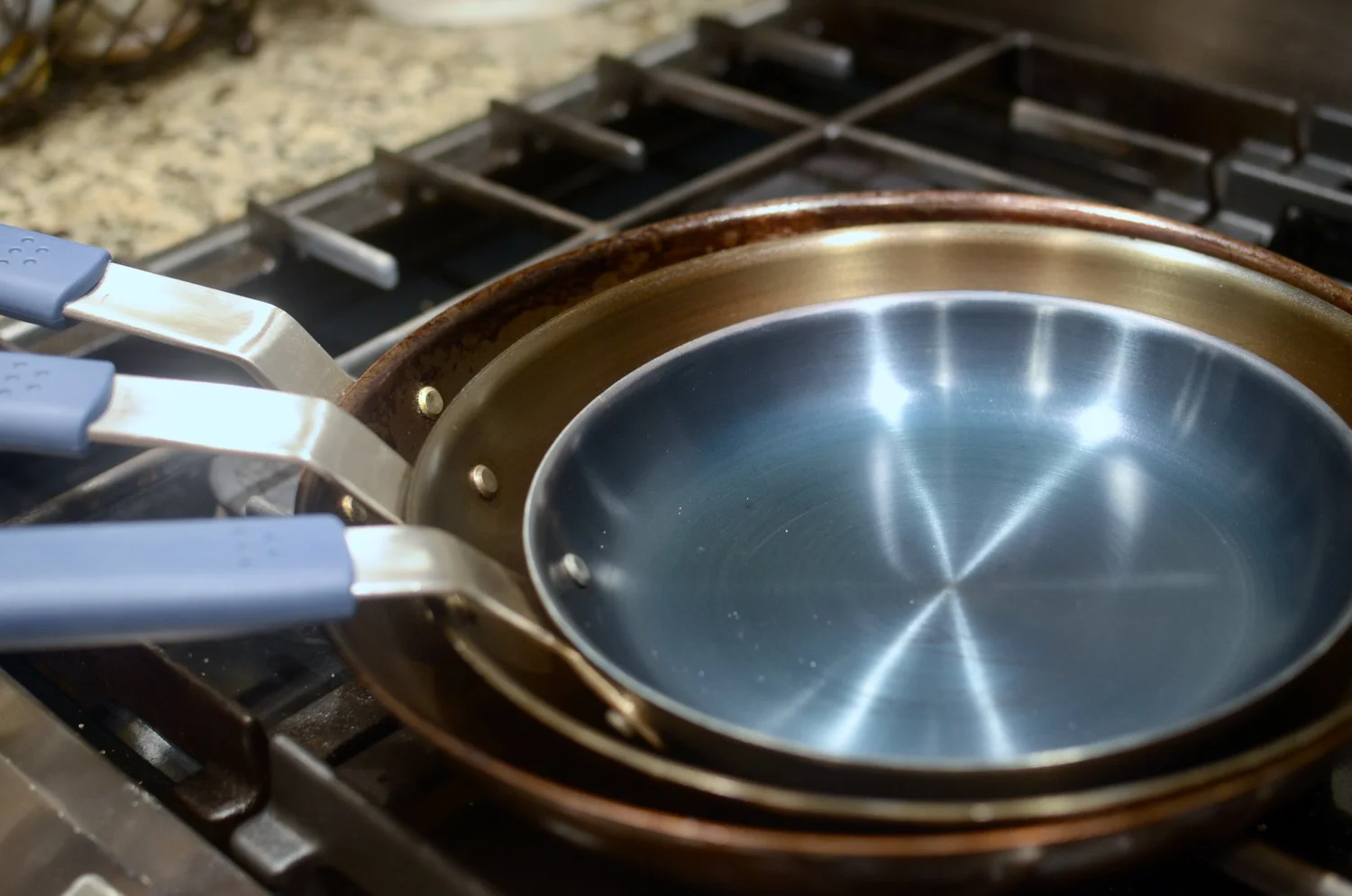
If you’ve just got a carbon steel pan, you might be wondering how to get it ready for cooking. Seasoning your pan is the key to making it non-stick, rust-free, and long-lasting.
But if you’re unsure where to start, don’t worry—you’re in the right place. In this guide, you’ll learn simple, step-by-step ways to season your carbon steel pan like a pro. By the end, your pan will be ready to deliver delicious meals with ease.
Keep reading, and let’s get your pan cooking-ready!

Credit: www.youtube.com
Choosing The Right Oil
Seasoning a carbon steel pan needs the right oil to build a strong, non-stick surface.
Oils with a high smoke point work best for seasoning your pan properly.
Best Oils For Seasoning
Pick oils that can handle high heat without burning. This helps create a durable coating.
- Flaxseed oil: Polymerizes well and makes a hard coating.
- Grapeseed oil: Has a high smoke point and a neutral flavor.
- Canola oil: Affordable and heats evenly.
- Vegetable oil: Easy to find and works for seasoning.
- Avocado oil: Very high smoke point, good for seasoning.
Avoiding Common Mistakes
Using the wrong oil or applying it incorrectly can ruin your pan’s seasoning.
| Mistake | Why It Happens | How to Fix |
|---|---|---|
| Using low smoke point oil | Oil burns and creates sticky residue | Choose oils with high smoke points |
| Applying too much oil | Creates a sticky, uneven layer | Use a thin, even coat |
| Not heating pan enough | Oil does not bond properly | Heat pan until it smokes lightly |
| Skipping cleaning before seasoning | Dirt or moisture stops seasoning | Clean and dry pan fully |

Credit: www.debuyer-usa.com
Cleaning The Pan
Cleaning a carbon steel pan is important before seasoning. It removes dirt and oils that affect the pan’s surface. Proper cleaning helps the seasoning stick better.
This guide covers two main cleaning steps: initial wash and removing factory coating. Both steps prepare the pan for seasoning.
Initial Wash
Start by washing the pan with warm water and mild soap. Use a soft sponge to avoid scratching the surface. This cleans off dust and dirt from packaging or storage.
Rinse the pan well to remove all soap. Dry it completely with a clean towel. A dry pan prevents rust and gets ready for the next cleaning step.
Removing Factory Coating
Most carbon steel pans come with a protective factory coating. You must remove this coating before seasoning. It stops oil from bonding to the pan.
Use hot water and a scrub brush or steel wool to scrub the surface. Apply firm pressure until the coating is gone. This may take several minutes.
- Heat water until hot but safe to touch
- Use a scrub brush or steel wool pad
- Scrub all surfaces, inside and outside
- Rinse thoroughly to remove residue
- Dry the pan fully to stop rust
Preheating The Pan
Preheating a carbon steel pan is an important step in seasoning it. The right heat helps the oil bond with the metal surface.
This process makes the pan non-stick and protects it from rust. Let’s look at why and how long to preheat.
Purpose Of Preheating
Preheating warms the pan evenly. This removes moisture and opens up the metal’s pores. Oil can fill these pores and create a smooth coating.
- Dries out any water or residue inside the pan
- Prepares the surface for the oil to stick better
- Helps avoid food sticking during cooking
- Improves heat distribution for cooking
How Long To Preheat
Preheat your carbon steel pan slowly over medium heat. The time depends on your stove and pan size.
| Pan Size | Preheat Time |
| Small (8-10 inch) | 2-3 minutes |
| Medium (11-13 inch) | 3-5 minutes |
| Large (14+ inch) | 5-7 minutes |
Test the heat by sprinkling a few drops of water. If they dance and evaporate quickly, the pan is ready.
Applying The Oil
Applying oil is a key step in seasoning a carbon steel pan. It helps create a non-stick surface and protects the pan from rust.
Using the right amount of oil and spreading it well ensures the best seasoning results.
Correct Technique
Start with a clean, dry pan before applying oil. Use a small amount of oil to avoid sticky buildup.
Pour a teaspoon of oil into the pan. Use a paper towel to rub the oil all over the inside surface.
- Use oils with high smoke points like flaxseed or canola oil
- Avoid using too much oil; a thin layer is enough
- Wipe off extra oil to prevent sticky spots
Ensuring Even Coverage
Spread the oil evenly over the entire cooking surface. Don’t forget the sides and edges of the pan.
Use a clean paper towel or cloth to rub the oil in circular motions. This helps cover every part without puddles.
- Cover the bottom, sides, and rim of the pan
- Check for any dry spots and add a little oil if needed
- Even coverage prevents uneven seasoning and sticking
Heating For Seasoning
Heating a carbon steel pan is a key step in seasoning it. Proper heat helps the oil bond to the pan’s surface. This creates a strong, non-stick layer.
You can heat the pan using an oven or stovetop. Each method needs different temperature and timing. Both work well if done correctly.
Oven Vs Stovetop
The oven heats the pan evenly from all sides. It is good for deep seasoning. The stovetop heats the pan from the bottom. This method is faster but may cause uneven seasoning.
- Oven:Place the pan upside down on a rack.
- Oven:Use a baking sheet below to catch drips.
- Stovetop:Heat the pan slowly over medium heat.
- Stovetop:Move the pan to spread heat evenly.
Temperature And Timing
| Method | Temperature | Time |
|---|---|---|
| Oven | 400°F (200°C) | 1 hour |
| Stovetop | Medium heat (about 300°F or 150°C) | 10 to 15 minutes |
Use oil with a high smoke point for seasoning. Heat until the oil starts to smoke, then let it cool. Repeat the process for better seasoning layers.
Building Layers
Seasoning a carbon steel pan means creating a natural, non-stick surface. This surface forms by adding thin layers of oil that bake into the metal. Building many layers helps protect your pan and improve cooking.
Each layer adds durability and flavor to your pan. The process takes time but gives the best results for cooking and cleaning.
Why Multiple Layers Matter
One layer of seasoning is not enough to make the pan non-stick or rust-resistant. Layers build up a strong coating that gets better with use. More layers mean better heat distribution and easier food release.
- Protects the pan from rust and damage
- Creates a smooth, non-stick cooking surface
- Improves heat conduction for even cooking
- Makes cleaning the pan easier
- Gives food better flavor and texture
How To Add Layers
Adding layers is simple but requires patience. Use a thin coat of oil and heat the pan. This process allows the oil to bond with the metal. Repeat several times for a strong seasoning.
| Action | Details |
| Clean the pan | Wash with warm water and dry completely |
| Apply oil | Use a small amount of high-smoke point oil |
| Heat the pan | Place on medium heat until it smokes lightly |
| Cool down | Let the pan cool before repeating |
| Repeat | Do this 3–5 times for good seasoning |
Maintaining The Seasoning
Keeping your carbon steel pan seasoned is key for cooking success. Good seasoning stops food from sticking and protects the pan from rust.
Simple habits help keep the pan’s surface smooth and shiny. Let’s look at tips for regular use and how to avoid damage.
Regular Use Tips
Using your pan often helps build and keep its seasoning. Clean it right after cooking and dry it well.
- Cook with a little oil to keep the surface slick.
- Wash the pan with hot water only; avoid soap if possible.
- Dry the pan immediately to stop rust forming.
- Heat the pan on low after washing to remove any moisture.
- Apply a thin layer of oil after drying to refresh the seasoning.
Avoiding Damage
Protect your pan’s seasoning by avoiding harsh cleaning and rough tools. These can scratch or strip the seasoned layer.
| What to Avoid | Why |
| Using soap or detergent | It can remove the seasoning layer |
| Scrubbing with steel wool | Scratches the surface and damages seasoning |
| Soaking the pan in water | Leads to rust and weakens seasoning |
| Cooking acidic foods often | Can break down the seasoning |
| Stacking pans without protection | Scratches the seasoning |
Troubleshooting Common Issues
Seasoning a carbon steel pan can be tricky at times. Some problems like sticky residue or rust may appear. Knowing how to fix these issues helps keep your pan in good shape.
This guide shares simple ways to solve common seasoning problems. Follow these tips to make your carbon steel pan last longer and cook better.
Sticky Residue Solutions
Sticky residue often forms if the oil layer is too thick or the pan is not heated enough. This can cause food to stick and flavors to be affected.
- Clean the pan with hot water and a soft sponge to remove old oil.
- Dry the pan completely with a towel or by heating it on low heat.
- Apply a very thin layer of high-smoke-point oil, like flaxseed or grapeseed oil.
- Heat the pan on medium-high until it smokes, then cool it down.
- Repeat this seasoning process 2 or 3 times for a smooth surface.
Handling Rust
Rust can appear if the pan stays wet or is not oiled after cleaning. It weakens the metal and damages the seasoning.
| Rust Issue | How to Fix |
| Light surface rust | Scrub with a steel wool pad, wash, dry, then re-season. |
| Heavy rust spots | Soak in vinegar for 1 hour, scrub rust off, rinse well, dry, and re-season. |
| Preventing rust | Always dry pan fully and coat with a thin oil layer after each use. |

Credit: www.reddit.com
Frequently Asked Questions
How Long Does It Take To Season A Carbon Steel Pan?
Seasoning a carbon steel pan typically takes 1 to 2 hours. You apply oil, heat the pan, and let the coating build up. Repeat the process several times for a durable, non-stick surface that improves cooking performance.
What Oil Is Best For Seasoning Carbon Steel Pans?
Flaxseed oil is ideal due to its high smoke point and polymerization. Other good options include vegetable, canola, or grapeseed oil. Choose oils with high smoke points to create a strong, even seasoning layer that resists sticking and rust.
How Often Should I Season My Carbon Steel Pan?
Season your pan every few months or when food starts sticking. Frequent use with proper cleaning helps maintain seasoning. Re-seasoning restores the protective layer, keeping the pan non-stick and rust-free for long-term durability.
Can I Use My Carbon Steel Pan Without Seasoning?
Using the pan without seasoning can cause food to stick and metal to rust. Seasoning creates a protective, non-stick layer. Always season your carbon steel pan before cooking for best results and longevity.
Conclusion
Seasoning a carbon steel pan keeps it non-stick and rust-free. Regular care helps your pan last many years. Heat, oil, and time build a strong cooking surface. Clean your pan gently and season it often. This process improves cooking and makes cleaning easier.
Enjoy cooking with your well-seasoned carbon steel pan every day. Simple steps create a great kitchen tool. Try seasoning today and feel the difference.