
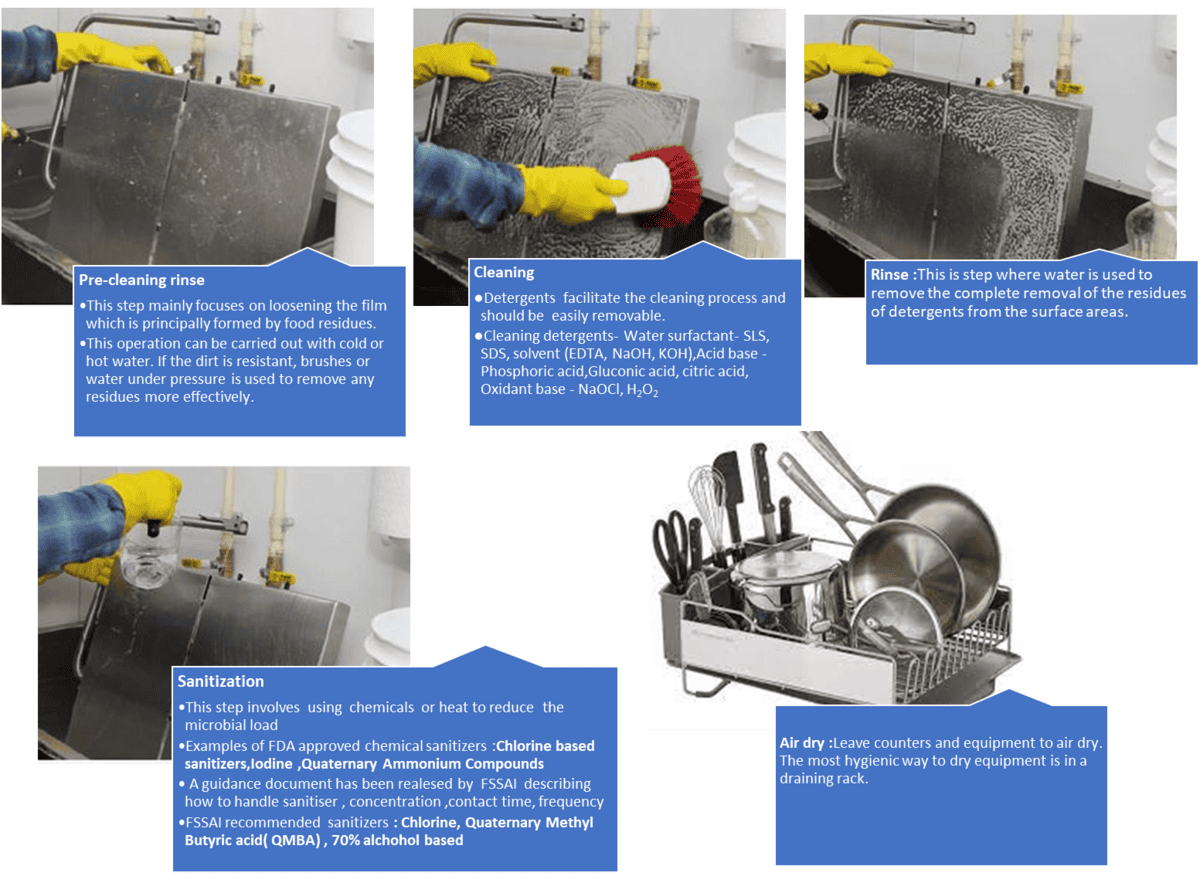
Keeping your utensils clean is more important than you might think. If they aren’t sanitized properly, harmful germs can linger and affect your health.
But don’t worry—sanitizing your utensils doesn’t have to be complicated or time-consuming. You’ll discover simple, effective steps to make sure your knives, forks, spoons, and other kitchen tools are truly clean and safe to use. By the end, you’ll feel confident that your utensils are spotless and ready for every meal.
Ready to protect yourself and your loved ones? Let’s get started!
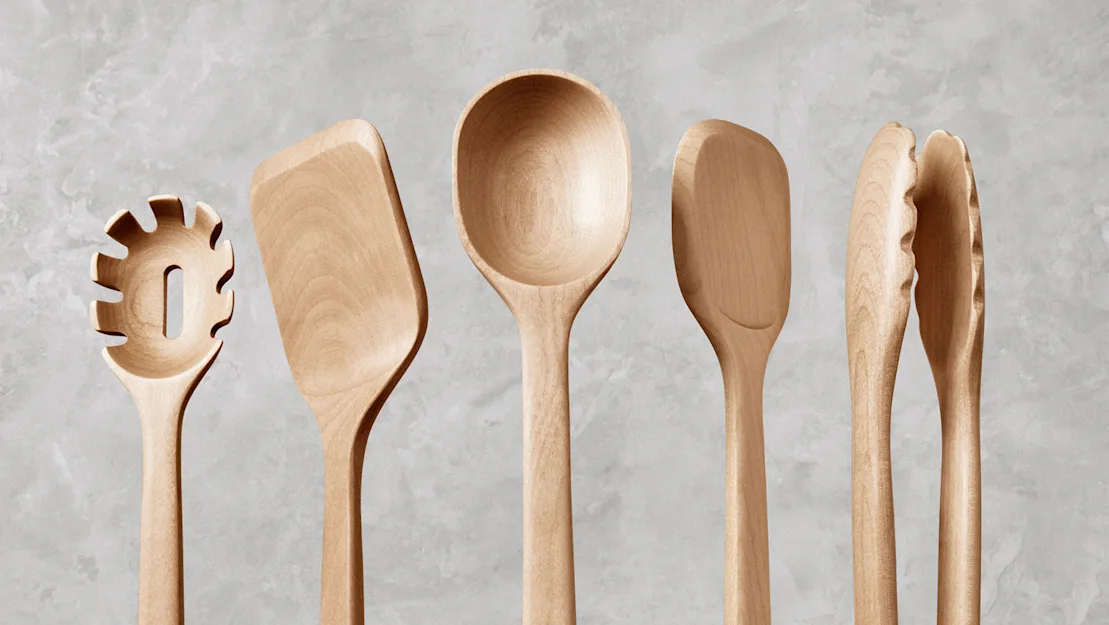
Credit: www.carawayhome.com
Choosing The Right Sanitizing Method
Sanitizing utensils keeps kitchens safe and clean. Picking the right method helps stop germs and bacteria.
Different methods work best for different tools and situations. Learn about three common ways to sanitize utensils.
Chemical Sanitizers
Chemical sanitizers use special liquids to kill germs on utensils. They are easy to use and work fast.
- Common chemicals include chlorine, quaternary ammonium, and iodine.
- Follow instructions carefully for safe use and correct dilution.
- Rinse utensils well after applying chemicals to avoid taste or harm.
- Good for plastic, metal, and wood utensils.
Heat Sanitizing
Heat sanitizing uses high temperatures to kill germs. It is very effective and does not leave chemicals behind.
| Method | Temperature | Time | Suitable Utensils |
| Boiling | 212°F (100°C) | 5 minutes | Metal, glass, heat-safe plastics |
| Dishwasher | 160°F – 180°F (71°C – 82°C) | At least 1 minute | Dishwasher-safe utensils |
| Steam | Above 212°F (100°C) | Several seconds to 1 minute | Metal, glass |
Uv Light Sanitizing
UV light kills bacteria by breaking down their DNA. It works without heat or chemicals.
- Use UV light devices in dark, enclosed spaces for best results.
- Safe for plastic, metal, and glass utensils.
- Does not remove dirt; clean utensils before UV treatment.
- Use for quick sanitation between uses.
Preparing Utensils Before Sanitizing
Proper preparation of utensils is important for effective sanitizing. Clean utensils remove germs and dirt well.
Follow simple steps to prepare utensils before you sanitize them. This helps keep them safe to use.
Removing Food Residue
Remove all leftover food from utensils before cleaning. Food bits can block cleaning and sanitizing.
Use a scraper or brush to clear stuck food. This makes washing easier and more effective.
Washing With Soap And Water
Wash utensils using warm water and soap. Soap helps break down grease and dirt.
Use a sponge or cloth to scrub all surfaces. Clean every part, including handles and edges.
- Use warm water for better cleaning
- Apply enough soap for good lather
- Scrub thoroughly to remove all dirt
Rinsing Thoroughly
Rinse utensils well with clean water after washing. Soap left on utensils can cause taste or harm.
Check that no soap bubbles remain. Proper rinsing prepares utensils for the sanitizing step.
Proper Use Of Chemical Sanitizers
Sanitizing utensils is key to keeping kitchens safe and clean. Using chemical sanitizers correctly stops germs from spreading.
Follow clear rules when choosing and using sanitizers. This guide covers important steps for safe and effective use.
Selecting Safe Chemicals
Pick sanitizers that are safe for food contact surfaces. Check if chemicals are approved by health authorities.
- Use only sanitizers labeled for kitchen utensils
- Avoid harsh chemicals that leave harmful residues
- Store chemicals in their original containers with labels
- Keep sanitizers out of reach of children and pets
Correct Dilution Ratios
Mix sanitizers with water at the right strength. Too strong can harm utensils; too weak will not kill germs.
| Sanitizer Type | Water Temperature | Recommended Dilution |
|---|---|---|
| Chlorine-based | Cold or warm (75°F to 120°F) | 50-100 ppm (parts per million) |
| Quaternary ammonium | 75°F to 120°F | 150-400 ppm |
| Iodine-based | 75°F to 120°F | 12.5-25 ppm |
Soaking And Contact Time
Utensils need enough time in sanitizer to kill germs. Follow the recommended soaking time carefully.
- Clean utensils before sanitizing
- Soak in sanitizer solution for at least 30 seconds
- Allow utensils to air dry; do not rinse after soaking
- Replace sanitizer solution regularly to keep it effective

Credit: ptal.com
Heat Sanitizing Techniques
Sanitizing utensils is key to keeping food safe. Heat is a simple way to kill germs on your kitchen tools.
This guide explains three heat sanitizing techniques you can use at home or in small kitchens.
Boiling Water Method
The boiling water method uses hot water to sanitize utensils. Heat kills most bacteria and viruses quickly.
To use this method, boil water and soak your utensils for at least one minute. Be sure the items are clean before soaking.
- Boil water in a large pot
- Submerge utensils fully
- Keep utensils in water for 1 minute
- Remove and let air dry
Using A Dishwasher
Dishwashers can sanitize utensils with hot water and steam. Most modern dishwashers have a sanitize cycle.
Place utensils in the dishwasher and select the sanitize option. This cycle raises water temperature to kill bacteria.
- Load utensils without crowding
- Choose sanitize cycle if available
- Use hot water settings
- Allow utensils to dry inside the dishwasher
Steam Sanitizing
Steam sanitizing uses hot steam to clean utensils. Steam reaches high temperatures that kill germs effectively.
Use a steam cleaner or steamer designed for kitchen use. Hold utensils in the steam for several seconds to sanitize.
- Use a clean steam device
- Steam each utensil for 20-30 seconds
- Make sure steam covers all surfaces
- Let utensils dry before use
Drying And Storing Sanitized Utensils
Proper drying and storage of utensils keep them clean and safe. After sanitizing, it is important to let utensils dry completely.
Storing utensils properly prevents germs from growing. This helps keep food safe and healthy to eat.
Air Drying Benefits
Air drying is the safest way to dry sanitized utensils. It stops bacteria from growing on wet surfaces.
Using towels or cloths can add germs back onto utensils. Air drying uses no contact, so utensils stay clean.
- Prevents recontamination
- Reduces moisture that causes bacteria
- Keeps utensils cleaner longer
Avoiding Contamination
Handle utensils with clean hands or gloves only. Avoid touching the parts that touch food.
Do not place utensils on dirty surfaces after drying. Keep the drying area clean and dry.
- Wash hands before handling utensils
- Use clean racks or trays for drying
- Keep drying area free from dust and pests
Safe Storage Practices
Store utensils in a clean, dry place after they are dry. Use covered containers or drawers to protect them.
Keep utensils off the floor and away from chemicals. Organize utensils to avoid damage and contamination.
- Use clean, dry containers or racks
- Keep storage areas well-ventilated
- Separate different types of utensils
- Store away from cleaning supplies and chemicals
Safety Tips During Sanitizing
Sanitizing utensils keeps them clean and safe to use. It is important to follow safety rules while sanitizing. This helps prevent accidents and protects your health.
Always be careful with cleaning products and your surroundings. Use the right tools and follow safety steps to avoid harm.
Wearing Protective Gear
Wear gloves to protect your hands from harsh chemicals. Use safety glasses to shield your eyes from splashes. If needed, wear an apron to keep your clothes clean.
Protective gear reduces the risk of skin irritation and injuries. Always check that your gear fits well and is in good condition.
- Use chemical-resistant gloves
- Wear safety goggles or glasses
- Consider an apron to protect clothes
Handling Chemicals Safely
Read chemical labels before use. Follow the instructions and never mix different chemicals. Mixing can cause dangerous reactions.
Store chemicals in a cool, dry place away from children. Use only the needed amount to avoid waste and spills.
- Read and follow label instructions
- Do not mix different chemicals
- Store chemicals safely and out of reach
- Use chemicals in a well-ventilated area
Keeping Sanitizing Area Clean
Keep the sanitizing area tidy and free from clutter. Clean spills immediately to avoid slips and accidents. Use clean cloths and tools to sanitize utensils.
Dispose of waste properly and wash your hands after sanitizing. A clean area helps keep utensils safe and reduces the risk of contamination.
- Clear the area of unnecessary items
- Clean up spills right away
- Use clean cloths and tools
- Dispose of waste safely
- Wash hands after sanitizing
Common Mistakes To Avoid
Sanitizing utensils is important for food safety. Many people make errors that reduce its effectiveness.
Learning about common mistakes helps keep your utensils clean and safe to use.
Skipping Pre-cleaning
Not washing utensils before sanitizing is a big mistake. Dirt and food bits block the sanitizer.
Always remove food scraps and wash utensils with soap and water first.
- Rinse utensils under running water
- Use detergent to clean surfaces
- Dry utensils before sanitizing
Using Incorrect Concentrations
Using too weak or too strong sanitizer lowers cleaning power. It can also damage utensils.
Follow the label instructions to mix sanitizer at the right strength.
- Check sanitizer label for proper dilution
- Use measuring tools for accuracy
- Prepare fresh sanitizer daily
Inadequate Contact Time
Sanitizer needs enough time to kill germs. Rushing this step can leave utensils unsafe.
Let utensils stay in sanitizer for the recommended time before drying or use.
- Read sanitizer instructions for contact time
- Do not wipe sanitizer off too soon
- Use a timer to track time accurately
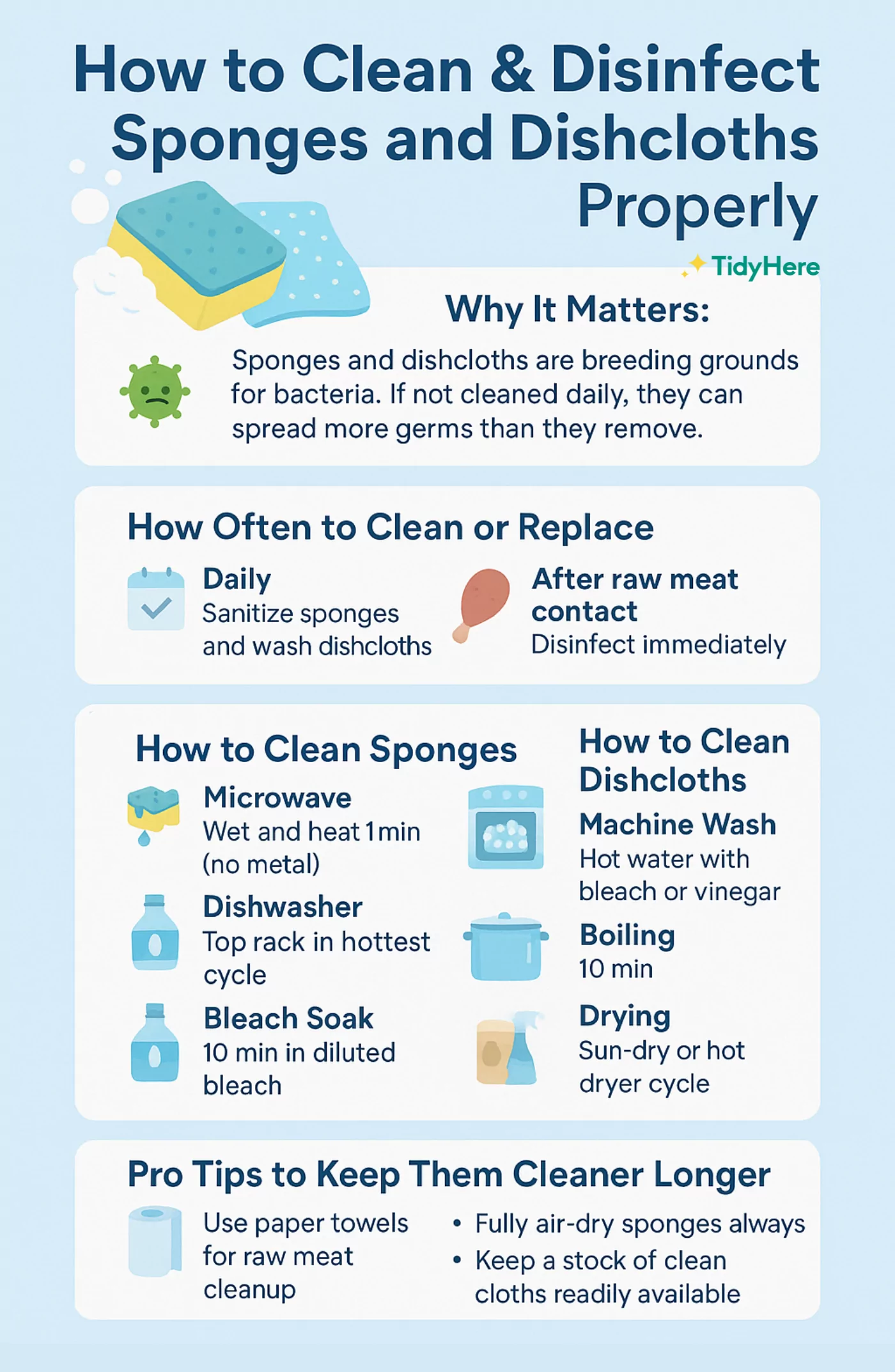
Credit: tidyhere.com
Frequently Asked Questions
What Are The Best Methods To Sanitize Utensils?
The best methods include using hot water, a dishwasher, or a bleach solution. Hot water kills most bacteria. A dishwasher with a sanitizing cycle is also effective. A bleach solution should be one tablespoon of bleach per gallon of water.
Rinse thoroughly after using bleach.
How Often Should You Sanitize Utensils?
Sanitize utensils after every use, especially when handling raw meat. Regular cleaning prevents the spread of bacteria. For high-use items, consider sanitizing daily. In a commercial setting, it’s crucial to sanitize utensils multiple times a day.
Can Vinegar Be Used To Sanitize Utensils?
Yes, vinegar can sanitize utensils due to its acidic nature. It’s effective against many bacteria types. To use, soak utensils in undiluted vinegar for at least 10 minutes. Rinse thoroughly afterward to remove any vinegar residue.
Is Dish Soap Enough To Sanitize Utensils?
Dish soap cleans but does not sanitize utensils. It removes grease and dirt. For effective sanitization, use hot water or a sanitizing solution. Combine cleaning with sanitizing to ensure all germs are eliminated.
Conclusion
Sanitizing utensils keeps your kitchen safe and clean. Always wash utensils with soap and hot water first. Then, use a sanitizer to kill germs well. Let utensils dry completely before storing them away. Clean tools help stop sickness from spreading.
Simple steps make a big difference in health. Keep your utensils safe for every meal. Clean utensils, healthy family.