
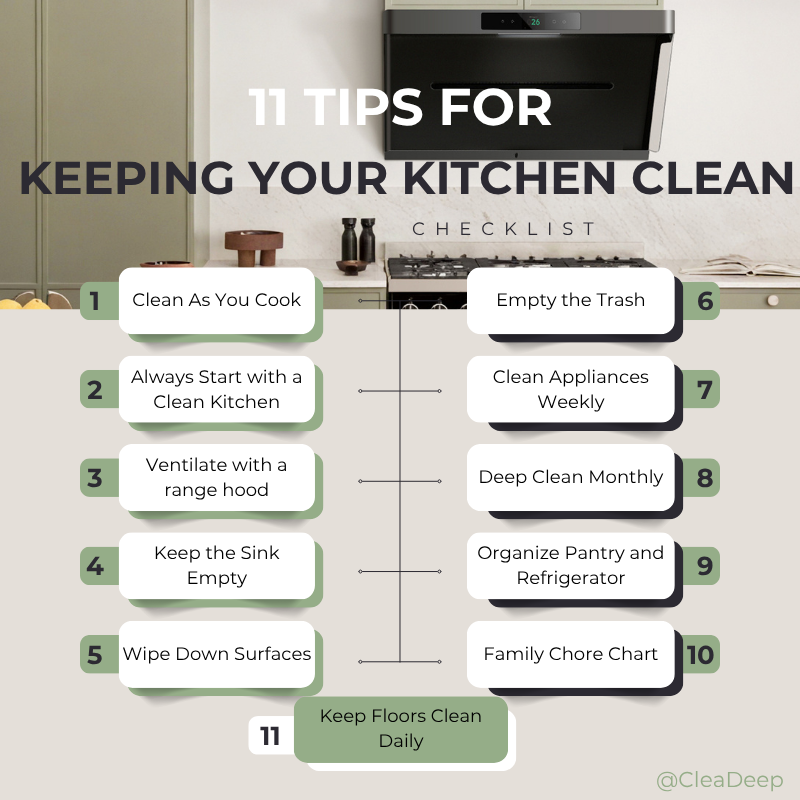
Are your utensils truly clean and safe to use? You might think rinsing with water is enough, but harmful germs can still hide on your knives, forks, and spoons.
Learning how to sanitize utensils efficiently not only protects your health but also keeps your meals fresh and tasty. You’ll discover simple, effective methods that save time and ensure your kitchen tools are spotless every single time. Keep reading to find out how easy it is to make your utensils germ-free and safe for your family.
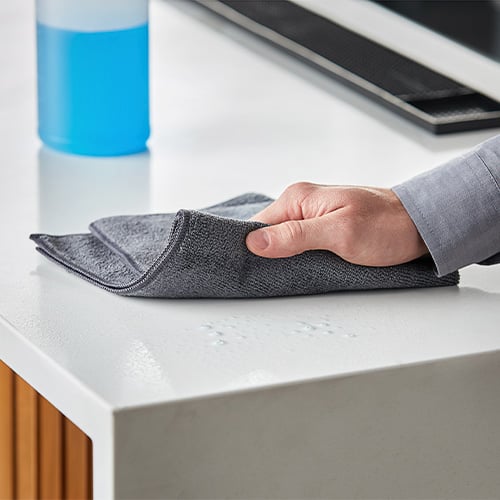
Credit: www.webstaurantstore.com
Choosing The Right Sanitizing Method
Sanitizing utensils is important for health and safety. Different methods can be used to ensure cleanliness.
Choosing the right method depends on the type of utensils and available resources. Here are some common options.
Chemical Sanitizers
Chemical sanitizers are widely used in kitchens. They effectively kill germs and bacteria on utensils.
Common types include chlorine bleach and quaternary ammonium compounds. Always follow the instructions on the label.
- Chlorine bleach is affordable and effective
- Quaternary ammonium is gentle on skin
- Ensure proper dilution to avoid residue
Heat Sanitization
Heat sanitization uses high temperatures to kill germs. It is a natural and chemical-free method.
This method is often used in dishwashers. Heat can quickly sanitize large batches of utensils.
- Use a dishwasher with a sanitizing cycle
- Boiling water can sanitize manually
- Ensure utensils can withstand high heat
Uv Light Options
UV light sanitization is a modern method. It uses ultraviolet rays to kill bacteria and viruses.
Special UV devices are available for home use. They provide an efficient way to sanitize without chemicals.
- Check that the UV device is for utensils
- Follow the manufacturer’s instructions
- Great for small kitchen items
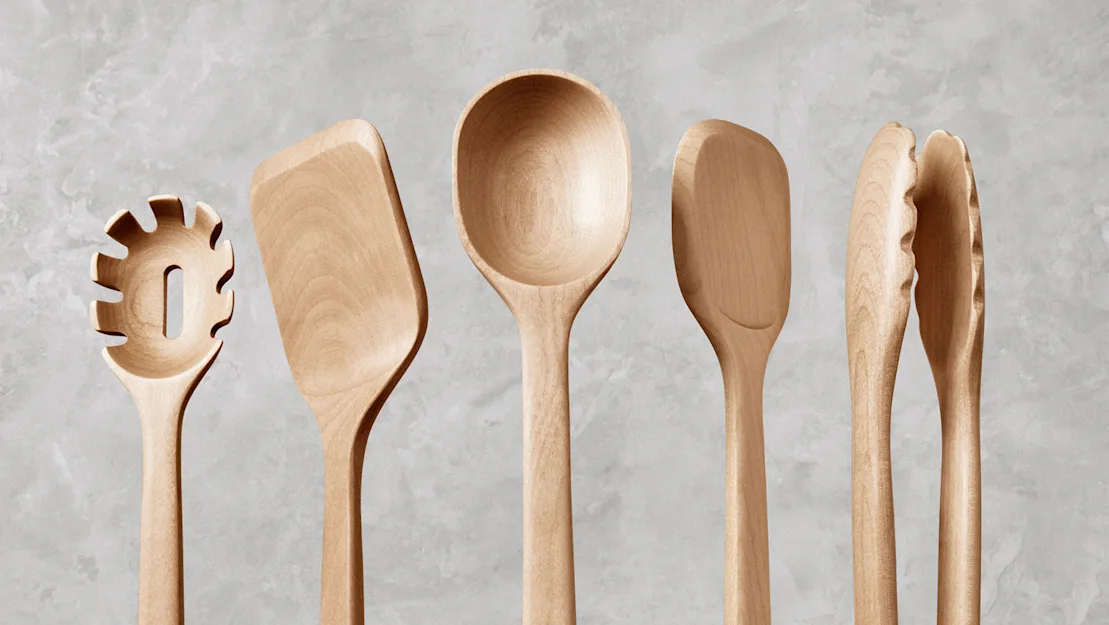
Credit: www.carawayhome.com
Preparing Utensils For Sanitizing
Preparing utensils properly before sanitizing helps keep them clean and safe. Cleaning removes dirt and food bits that can hide germs.
Good preparation makes sanitizing more effective and protects your health.
Pre-washing Techniques
Pre-washing removes loose food and grease from utensils. Use warm water and soap to break down oils and dirt.
Scrub utensils gently with a sponge or brush to avoid scratches. Rinse thoroughly to clear soap and debris.
- Use warm water for better cleaning
- Apply dish soap to cut grease
- Scrub with a soft brush or sponge
- Rinse with clean water after scrubbing
Removing Stubborn Residue
Some utensils have stuck-on food that is hard to remove. Soak them in warm, soapy water to soften the residue.
Use a plastic scraper or brush to gently lift the residue. Avoid metal tools that can damage the utensils.
- Soak utensils for 10-15 minutes in warm, soapy water
- Use a plastic scraper to loosen stuck food
- Brush off residue carefully
- Rinse well before sanitizing
Step-by-step Sanitizing Process
Sanitizing utensils keeps them clean and safe to use. It removes germs and bacteria that can cause illness.
There are two main ways to sanitize utensils: using a dishwasher or doing it manually. Both need careful steps.
Using Dishwashers Effectively
Dishwashers sanitize utensils by using hot water and detergent. Make sure your dishwasher can reach at least 160°F (71°C) to kill germs.
Place utensils so water reaches all surfaces. Avoid overcrowding to ensure proper cleaning and sanitizing.
- Remove large food scraps before loading
- Load utensils with handles down for better cleaning
- Use dishwasher detergent and rinse aid
- Run the dishwasher on a hot cycle
- Let utensils air dry inside the machine
Manual Sanitizing Steps
Manual sanitizing uses cleaning, rinsing, and soaking in sanitizer. Follow each step carefully to keep utensils safe.
Use hot water and soap first. Then rinse and soak the utensils in a sanitizing solution for the right time.
- Wash utensils with hot soapy water
- Rinse well with clean water
- Prepare sanitizer solution (follow label instructions)
- Soak utensils in sanitizer for at least 1 minute
- Air dry utensils on a clean surface
Safety Tips During Sanitization
Sanitizing utensils is important to stop germs and keep food safe. Always follow safety tips to protect yourself and others.
Using the right methods helps clean utensils well without causing harm. Pay close attention to how you handle chemicals and avoid mixing dirty items.
Handling Chemicals Safely
Cleaning chemicals can be dangerous if not used carefully. Always read the label and follow instructions on the package.
Wear gloves and use eye protection to avoid skin and eye contact. Keep chemicals away from children and pets.
- Store chemicals in original containers
- Do not mix different chemicals
- Use chemicals in well-ventilated areas
- Wash hands after handling chemicals
- Dispose of chemicals safely
Avoiding Cross-contamination
Cross-contamination happens when germs spread from one utensil to another. Clean and dry utensils properly before use.
Use separate cleaning tools for different items. Keep raw food utensils apart from cooked food utensils.
- Wash utensils with hot, soapy water first
- Sanitize after washing using recommended solutions
- Rinse and air dry utensils completely
- Use color-coded cloths or brushes for different tasks
- Store clean utensils in a dry, clean place
Maintaining Utensil Hygiene Between Uses
Keeping utensils clean is important to stop germs from spreading. Proper care helps keep food safe and healthy.
Cleaning utensils well between uses prevents bacteria buildup. Follow easy steps to keep them sanitary.
Proper Storage
Store utensils in a clean, dry place. Avoid stacking wet utensils together to stop bacteria growth.
Use containers or racks that allow air to circulate. Keep utensils away from dirt and dust.
- Use utensil holders with holes for drainage
- Keep storage areas clean and dry
- Separate clean and used utensils
- Cover storage containers to avoid dust
Regular Cleaning Schedule
Wash utensils after every use with hot, soapy water. Rinse well to remove all soap and food particles.
Sanitize utensils regularly with a safe solution. This kills germs that normal washing might miss.
- Clean utensils immediately after use
- Use a sanitizing solution like diluted bleach
- Allow utensils to air dry completely
- Check for damage and replace worn utensils
Common Mistakes To Avoid
Sanitizing utensils is important to keep food safe. Many people make errors that reduce cleaning effectiveness.
Avoiding these mistakes helps keep your kitchen clean and healthy. Learn what to watch out for below.
Not Cleaning Utensils Before Sanitizing
Some people skip washing utensils and go straight to sanitizing. Dirt and food bits block sanitizer from working well.
Always wash utensils with soap and water first. Dry them before using sanitizer for best results.
Using The Wrong Sanitizer Solution
Not all sanitizers work the same way. Using the wrong type or concentration reduces effectiveness.
Follow instructions on sanitizer labels. Use solutions approved for kitchen utensils and food contact surfaces.
Not Letting Sanitizer Work Long Enough
Many people rinse or dry utensils too soon after applying sanitizer. This stops the sanitizer from killing germs.
Let utensils sit in sanitizer for the time recommended on the label. This ensures proper germ removal.
Using Dirty Water For Rinsing
Rinsing utensils in dirty or stagnant water spreads germs back onto clean items.
Always use clean, running water to rinse after washing and sanitizing. This keeps utensils safe to use.
Mixing Different Cleaning Chemicals
Mixing bleach with other cleaners can produce harmful fumes. It also lowers sanitizer power.
Use one chemical at a time. Follow safety guidelines to avoid accidents and get good results.

Credit: www.webstaurantstore.com
Frequently Asked Questions
What Is The Best Method To Sanitize Utensils Efficiently?
The best method combines hot water, soap, and a sanitizer like bleach or vinegar. Use proper soaking and rinsing for thorough cleaning.
How Long Should Utensils Be Soaked For Sanitizing?
Soak utensils for at least one minute in a sanitizing solution. This duration kills most bacteria effectively and ensures safety.
Can Dishwasher Sanitize Utensils Effectively?
Yes, a dishwasher with a sanitizing cycle uses high heat to kill germs. It’s convenient and ensures thorough cleaning.
Which Sanitizer Is Safe For Kitchen Utensils?
Food-safe sanitizers like diluted bleach, vinegar, or commercial kitchen sanitizers are safe. Always follow recommended dilution and usage instructions.
Conclusion
Sanitizing utensils keeps your kitchen safe and clean. Use hot water and soap first. Then apply a good sanitizer to kill germs. Let utensils dry fully before storing them. Regular cleaning prevents illness and keeps food fresh. Small habits make a big difference in hygiene.
Stay consistent, and your utensils will stay safe to use. Clean tools lead to healthier meals every day. Simple steps protect you and your family. Keep sanitation a regular part of your kitchen routine.