
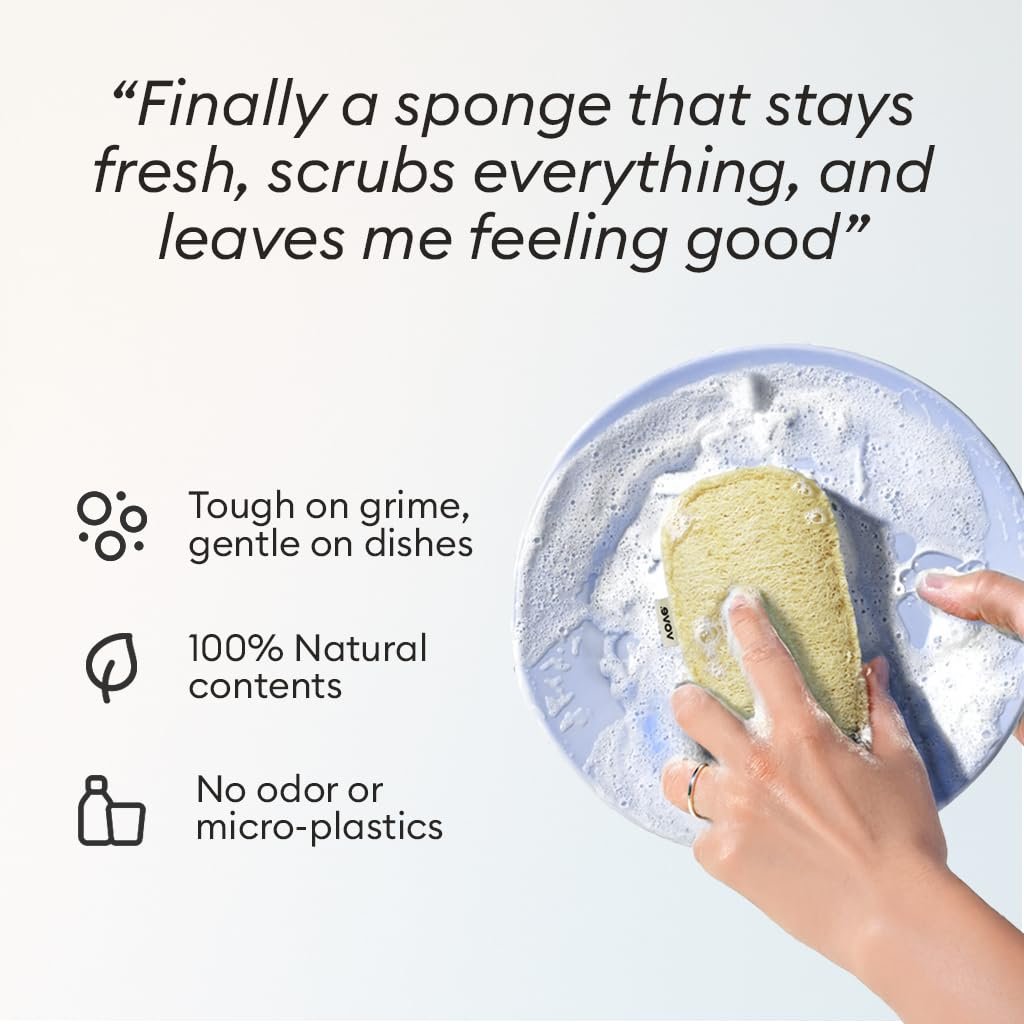
Your kitchen sponge works hard every day, cleaning up messes and spills. But did you know it can also be a hotspot for germs and bacteria?
If you want to keep your kitchen truly clean and protect your family’s health, learning how to sanitize your sponges naturally is key. You’ll discover easy, safe methods to refresh your sponges without harsh chemicals. Keep reading to find simple tricks that will save you money and give you peace of mind every time you wash up.
Importance Of Sanitizing Kitchen Sponges
Kitchen sponges are useful for cleaning dishes and surfaces. They often collect food bits and moisture. This makes them a place where germs grow fast.
Sanitizing sponges keeps your kitchen clean and safe. It helps stop the spread of bacteria and illness.
Why Kitchen Sponges Can Be Dangerous
Sponges hold water and food scraps. This creates a warm, wet area that germs like. Bacteria can double every 20 minutes in these conditions.
Dirty sponges can spread germs to your dishes and counters. This can cause food poisoning and other health problems.
Benefits Of Regularly Sanitizing Sponges
Cleaning sponges often stops germs from growing. It helps keep your kitchen safe and fresh. Sanitizing also makes sponges last longer.
- Reduces harmful bacteria
- Prevents bad smells
- Improves kitchen hygiene
- Extends sponge life
How Sanitizing Protects Your Family
Germs on sponges can cause stomach bugs and infections. Cleaning sponges lowers the chance of spreading these germs. This keeps your family healthier.
| Germ Type | Possible Illness |
| Salmonella | Food poisoning |
| E. coli | Severe diarrhea |
| Staphylococcus | Skin infections |

Credit: www.amazon.ca
Common Germs Found On Sponges
Kitchen sponges are useful but can hold many germs. These germs can cause illness if not cleaned properly.
Knowing which germs live on sponges helps you clean them naturally and safely.
Escherichia Coli (e. Coli)
E. coli is a common germ found on kitchen sponges. It comes from raw meat and unwashed vegetables.
This germ can cause stomach pain, diarrhea, and vomiting if ingested.
Salmonella
Salmonella bacteria often grow on sponges used to clean raw poultry and eggs.
It can cause food poisoning with symptoms like fever, cramps, and diarrhea.
Staphylococcus Aureus
Staphylococcus aureus can live on sponges if hands are not washed well before cleaning.
This germ may cause skin infections and food poisoning if it spreads to food.
Listeria Monocytogenes
Listeria is a dangerous germ that can grow on damp sponges. It is found in raw and cooked foods.
It can cause severe illness, especially in pregnant women and older adults.
Mold And Yeast
Sponges that stay wet often grow mold and yeast. These fungi can cause allergies and bad smells.
They also break down the sponge material, making it less effective for cleaning.
Natural Sanitizing Methods
Kitchen sponges can hold many germs and bacteria. Cleaning them often helps keep your kitchen safe.
Using natural ingredients is a simple and healthy way to sanitize sponges. These methods avoid harsh chemicals.
Vinegar Solution
Vinegar is a natural cleaner and sanitizer. It kills many types of bacteria on sponges.
To use, soak your sponge in white vinegar for about 5 minutes. Then rinse it well with water.
- Fill a bowl with white vinegar
- Submerge the sponge completely
- Let it sit for 5 minutes
- Rinse with clean water
Baking Soda Paste
Baking soda helps remove odors and dirt from sponges. It also has mild antibacterial effects.
Make a paste with baking soda and water. Rub the paste onto the sponge and leave it for 10 minutes. Rinse well after.
- Mix 2 tablespoons baking soda with water
- Apply the paste to the sponge surface
- Let it sit for 10 minutes
- Rinse thoroughly with water
Hydrogen Peroxide Soak
Hydrogen peroxide is a natural disinfectant. It kills bacteria and germs on kitchen sponges effectively.
Soak the sponge in a 3% hydrogen peroxide solution for 10 minutes. Rinse well and squeeze out extra liquid.
- Use 3% hydrogen peroxide from the store
- Soak the sponge fully for 10 minutes
- Rinse with water after soaking
- Squeeze out excess water before use

Credit: www.taste.com.au
Using Heat To Disinfect
Kitchen sponges can hold many germs and bacteria. Heat helps kill these harmful microbes naturally.
Using heat is a safe and simple way to clean your sponge without chemicals.
Microwave Technique
Microwaving your kitchen sponge can kill most bacteria quickly. Make sure the sponge is wet before microwaving.
Place the damp sponge in the microwave and heat it on high for about two minutes. Be careful when removing it as it will be hot.
- Wet the sponge completely
- Put it in the microwave
- Heat on high for 2 minutes
- Let it cool before use
Boiling Water Method
Boiling your sponge in hot water kills germs without chemicals. This method is easy and effective.
Place the sponge in boiling water for five minutes. Use tongs to remove it and let it dry completely.
- Bring water to a boil
- Put sponge in boiling water
- Boil for 5 minutes
- Remove and dry fully before use
Sunlight As A Natural Disinfectant
Sunlight is a simple and natural way to clean kitchen sponges. It helps kill germs and bacteria without harsh chemicals.
Using sunlight is easy and eco-friendly. It also helps your sponge dry faster, reducing mold growth.
How Sunlight Kills Bacteria
Sunlight contains ultraviolet (UV) rays that destroy bacteria on surfaces. These rays break down bacteria’s DNA.
When bacteria cannot reproduce, they die off. This makes sunlight a natural disinfectant for sponges.
Best Way To Use Sunlight For Sponges
Place your wet sponge outside in direct sunlight. Make sure it is spread out to dry evenly.
Leave the sponge in the sun for at least 3 to 6 hours. Longer exposure increases cleaning power.
- Rinse sponge to remove food bits
- Place sponge on a clean surface
- Expose both sides to sunlight
- Allow sponge to dry fully
Tips To Keep Sponges Clean Longer
Use sunlight regularly to keep your sponge fresh. Drying it well stops bacteria from growing.
Replace your kitchen sponge every few weeks. This keeps your kitchen hygienic and safe.
- Store sponge in a dry place
- Use sunlight treatment after each use
- Do not keep sponges wet for long
- Replace sponges when they smell bad

Credit: www.amazon.com
Proper Sponge Maintenance
Keeping kitchen sponges clean is important to avoid germs. Proper care helps sponges last longer and stay safe to use.
Natural methods can sanitize sponges without chemicals. Simple habits can make a big difference in sponge hygiene.
Regular Replacement
Change your kitchen sponge often to reduce bacteria buildup. Sponges that are old or smell bad can spread germs.
- Replace sponges every 1 to 2 weeks
- Discard sponges that have tears or holes
- Use different sponges for dishes and countertops
- Store sponges in a dry place between uses
Drying Techniques
Dry sponges quickly after use to stop bacteria growth. Moist sponges are a perfect place for germs to grow fast.
| Drying Method | How to Do It |
| Air Dry | Place sponge in a dish rack with good airflow |
| Sun Dry | Leave sponge outside in sunlight for 2-3 hours |
| Microwave Dry | Microwave damp sponge for 1-2 minutes (careful with heat) |
| Dishwasher Dry | Put sponge on top rack and run hot dry cycle |
Eco-friendly Alternatives To Sponges
Kitchen sponges can hold many germs and wear out fast. Using eco-friendly alternatives helps reduce waste. These options last longer and are safer for the environment.
Here are some natural and sustainable choices to keep your kitchen clean without harming the planet.
Reusable Cotton Cloths
Cotton cloths are soft and gentle on dishes. They dry quickly and can be washed many times. Choose organic cotton for a better eco-friendly option.
Natural Loofah Sponges
Loofahs come from a plant and break down in compost. They work well for scrubbing pots and pans. Avoid synthetic versions to keep it natural.
Bamboo Dish Brushes
Bamboo brushes are sturdy and biodegradable. They have firm bristles that clean well. Replace the brush head when it wears out to extend use.
Wool Dish Scrubbers
Wool scrubbers are gentle and absorbent. They are good for delicate dishes and glassware. Wool also resists odors and dries fast.
Comparison Of Eco-friendly Kitchen Scrubbers
| Type | Material | Durability | Compostable | Best Use |
| Cotton Cloth | Organic Cotton | High | Yes | Light cleaning, drying |
| Natural Loofah | Plant Fibers | Medium | Yes | Scrubbing pots and pans |
| Bamboo Brush | Bamboo & Natural Bristles | High | Partial | Heavy scrubbing |
| Wool Scrubber | Wool | Medium | Yes | Delicate dishes |
Frequently Asked Questions
How Often Should I Sanitize Kitchen Sponges Naturally?
Sanitize kitchen sponges at least once a week to prevent bacteria buildup. Regular cleaning keeps them fresh and safe for use.
What Natural Ingredients Work Best To Sanitize Sponges?
Vinegar, lemon juice, and baking soda effectively sanitize sponges. These natural ingredients kill germs without harmful chemicals.
Can I Use The Microwave To Sanitize Kitchen Sponges?
Yes, microwaving a damp sponge for 1-2 minutes kills bacteria naturally. Ensure the sponge is wet to avoid fire hazards.
How Does Vinegar Help In Sponge Sanitation?
Vinegar’s acidity breaks down bacteria and mold on sponges. It’s a natural, non-toxic sanitizer perfect for kitchen use.
Conclusion
Sanitizing kitchen sponges naturally keeps your kitchen clean and safe. Simple methods like vinegar, baking soda, or lemon work well. These ingredients kill germs without harsh chemicals. Use them regularly to stop bad smells and bacteria growth. Clean sponges help you cook and eat healthier food every day.
Try these easy tips to keep your kitchen fresh. Small efforts make a big difference in hygiene. Remember, a clean sponge means a cleaner kitchen for your family.