
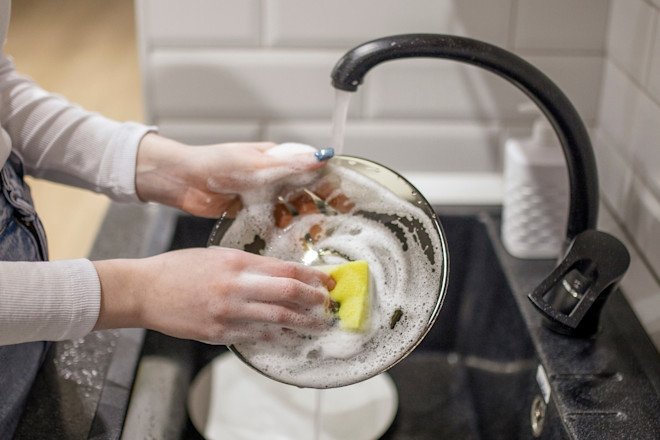
Your kitchen sponge and brushes are some of the dirtiest tools in your home. They soak up food particles, grease, and germs every day.
If you don’t clean them properly, these germs can spread and make your kitchen less safe. But don’t worry—sanitizing your sponges and brushes is easier than you think. You’ll discover simple, effective ways to keep these tools fresh and germ-free.
Keep reading to protect your kitchen and your health with just a few easy steps.
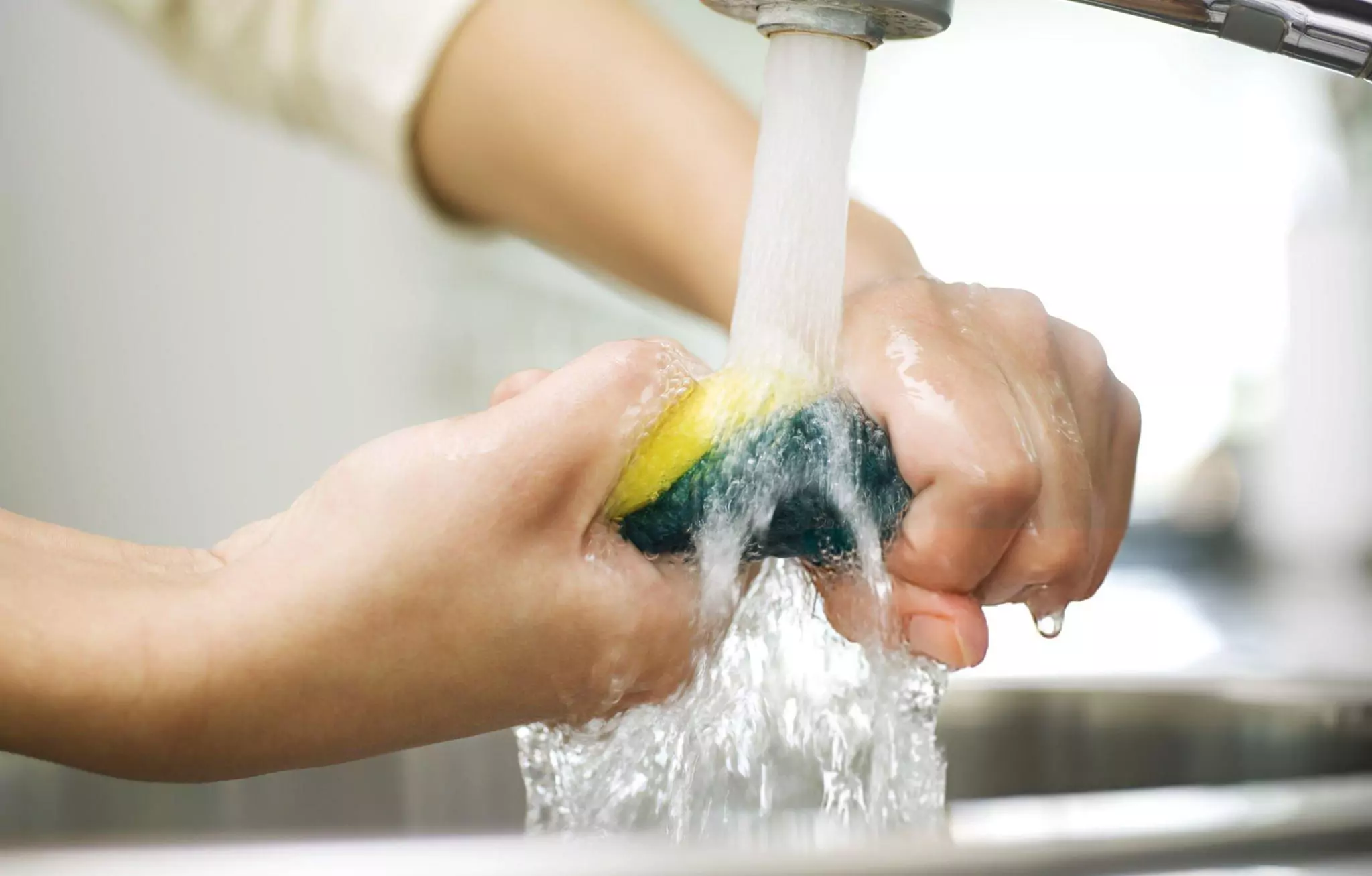
Credit: tidyhere.com
Why Sanitize Sponges And Brushes
Kitchen sponges and brushes are used every day. They can hold bacteria and germs.
Cleaning these items helps keep your kitchen safe. It reduces the risk of spreading germs.
Bacteria And Germs In Kitchen Tools
Sponges and brushes can have millions of bacteria. They are wet and often dirty.
These tools can spread germs to plates and surfaces. Regular cleaning is important.
- Sponges can hold E. coli and Salmonella
- Brushes can carry mold and yeast
- Dirty tools can make food unsafe
Health Risks Of Unsanitized Items
Using dirty sponges can make people sick. Germs can transfer to hands and food.
Unsanitized tools can cause stomach problems. They may also lead to infections.
| Risk | Effect |
| Food poisoning | Stomach ache and nausea |
| Infections | Skin irritations |
| Illness spread | Germs to family members |
Signs Your Sponge Or Brush Needs Cleaning
Kitchen sponges and brushes help keep your dishes clean. They can also trap germs and dirt. Knowing when to clean them is important for health.
Look for clear signs that your sponge or brush needs cleaning. These signs help you know when it is time to sanitize them.
Unpleasant Odors
If your sponge or brush smells bad, it needs cleaning. Odors come from bacteria growing inside the sponge or brush. These smells are often sour or rotten.
Bad smells mean germs are building up. Using a smelly sponge can spread bacteria to your dishes. Clean or replace it when you notice a strong odor.
Visible Dirt And Residue
When you see dirt, food bits, or soap scum on your sponge or brush, it needs cleaning. These residues trap germs and make cleaning less effective.
Dirty sponges and brushes can leave stains or grime on your dishes. Check them often and clean if you notice visible dirt or residue.
Methods To Sanitize Kitchen Sponges
Kitchen sponges and brushes can carry many germs. Cleaning them often keeps your kitchen safe. There are easy ways to sanitize these items at home.
Using simple methods helps remove bacteria and odors. Here are some common ways to sanitize kitchen sponges and brushes.
Microwave Technique
The microwave can kill germs on wet sponges fast. Make sure the sponge is wet before microwaving.
Place the wet sponge in the microwave for about two minutes on high. Let it cool before taking it out to avoid burns.
- Wet the sponge completely
- Microwave on high for 2 minutes
- Let the sponge cool before use
Dishwasher Cleaning
Dishwashers can clean sponges and brushes well. Place them on the top rack before running a hot cycle.
The heat and detergent kill most bacteria. This method works best for sponges without metal parts.
- Put sponge or brush on top rack
- Run dishwasher on a hot wash cycle
- Dry items completely after the cycle
Bleach Soak Method
Bleach is a strong cleaner that can kill bacteria on sponges. Mix one tablespoon of bleach with one gallon of water.
Soak the sponge or brush in the solution for five minutes. Rinse well with water and let dry before use.
- Mix 1 tablespoon bleach with 1 gallon water
- Soak sponge or brush for 5 minutes
- Rinse thoroughly with clean water
- Let dry before using again
Vinegar Soak Method
Vinegar helps reduce bacteria and odors on kitchen sponges. Use white vinegar for the best effect.
Soak the sponge or brush in full-strength vinegar for five minutes. Rinse well and allow it to dry completely.
- Use full-strength white vinegar
- Soak sponge or brush for 5 minutes
- Rinse with water after soaking
- Dry fully before use

Credit: sqwishful.com
Sanitizing Kitchen Brushes
Kitchen brushes can hold germs and food particles. Cleaning them well keeps your kitchen safe.
Sanitizing kitchen brushes helps stop bacteria from spreading to your dishes and surfaces.
Hot Soapy Water Wash
Wash the kitchen brush in hot, soapy water. Use dish soap and scrub all bristles well.
Rinse the brush under hot water to remove soap and loosened dirt. Let it air dry fully.
Boiling Water Dip
Boil water in a pot or kettle. Dip the kitchen brush bristles into the boiling water for 5 minutes.
This kills many germs and bacteria on the brush. After dipping, shake off water and air dry.
Using Hydrogen Peroxide
Fill a bowl with hydrogen peroxide. Soak the brush bristles in it for 10 minutes to sanitize.
After soaking, rinse the brush well with water. Let it dry completely before use.
Tips To Maintain Clean Sponges And Brushes
Kitchen sponges and brushes get dirty quickly. They can hold germs and bacteria. Keeping them clean helps stop germs from spreading.
Simple steps can keep your cleaning tools fresh and safe. Follow these tips to maintain clean sponges and brushes.
Regular Replacement Schedule
Change your sponges and brushes often. Old sponges hold more germs and become less useful. Replace sponges every one to two weeks.
Brushes last longer but still need replacing. Check for wear or bad smells. Replace brushes every one to three months.
- Replace sponges every 1-2 weeks
- Replace brushes every 1-3 months
- Replace sooner if they smell bad or fall apart
Proper Drying Techniques
Wet sponges and brushes grow bacteria fast. Dry them well after each use. Squeeze out water from sponges and shake brushes dry.
Air dry sponges and brushes in a place with good airflow. Avoid leaving them in the sink or a closed container.
- Squeeze out water from sponges
- Shake brushes to remove water
- Air dry in open, well-ventilated areas
- Do not keep sponges or brushes in wet places
Storage Recommendations
Store sponges and brushes in a clean, dry spot. Use holders that let air flow around the items. Avoid storing on wet surfaces.
Keep sponges and brushes separate from dirty dishes and trash. Proper storage helps them stay cleaner longer.
- Use holders with good airflow
- Keep tools off wet surfaces
- Store separately from dirty items
- Clean holders regularly
Eco-friendly Alternatives To Traditional Sponges
Traditional kitchen sponges often hold bacteria and wear out fast. Eco-friendly options help reduce waste and keep your kitchen cleaner.
Using natural or reusable cleaning tools can protect the environment and save money over time.
Natural Fiber Sponges
Natural fiber sponges come from plants like cellulose or coconut fibers. They break down faster than plastic sponges.
These sponges clean well and dry quickly, reducing bacteria growth. They are compostable and safe to throw away.
- Made from renewable plant materials
- Biodegradable and compostable
- Less likely to hold bacteria
- Gentle on dishes and surfaces
- Can be sanitized with boiling water
Silicone Brushes
Silicone brushes last longer than sponges and do not absorb water. This makes them harder for bacteria to grow on.
They are easy to clean and can go in the dishwasher. Silicone brushes work well for scrubbing pots and pans.
- Durable and reusable
- Non-porous surface resists bacteria
- Easy to clean and dry
- Safe for many kitchen surfaces
- Reduce plastic waste

Credit: sqwishful.com
Frequently Asked Questions
How Often Should I Sanitize Kitchen Sponges?
Sanitize kitchen sponges at least once a week. Frequent cleaning prevents bacteria buildup and odor. If heavily used, sanitize more often to keep them safe and effective.
What’s The Best Method To Sanitize Kitchen Brushes?
Boil kitchen brushes in hot water for 5 minutes. Alternatively, soak them in a vinegar or bleach solution. Both methods kill harmful germs effectively without damaging the brush.
Can Microwaving Sanitize Kitchen Sponges?
Yes, microwaving damp sponges for 1-2 minutes kills most bacteria. Ensure the sponge is wet to avoid fire risk. Let it cool before handling to prevent burns.
Is Using Bleach Safe For Sanitizing Kitchen Sponges?
Diluted bleach is safe and effective for sanitizing sponges. Use one tablespoon of bleach per gallon of water. Soak sponges for 5 minutes, then rinse thoroughly with water.
Conclusion
Sanitizing kitchen sponges and brushes keeps your kitchen safe and clean. Regular cleaning stops germs from spreading on surfaces. Use simple methods like microwaving or soaking in vinegar. Replace sponges and brushes often to avoid buildup. Clean tools help protect your family’s health every day.
Small steps make a big difference in kitchen hygiene. Keep these tips in mind for a healthier home. Clean tools, happy kitchen!