
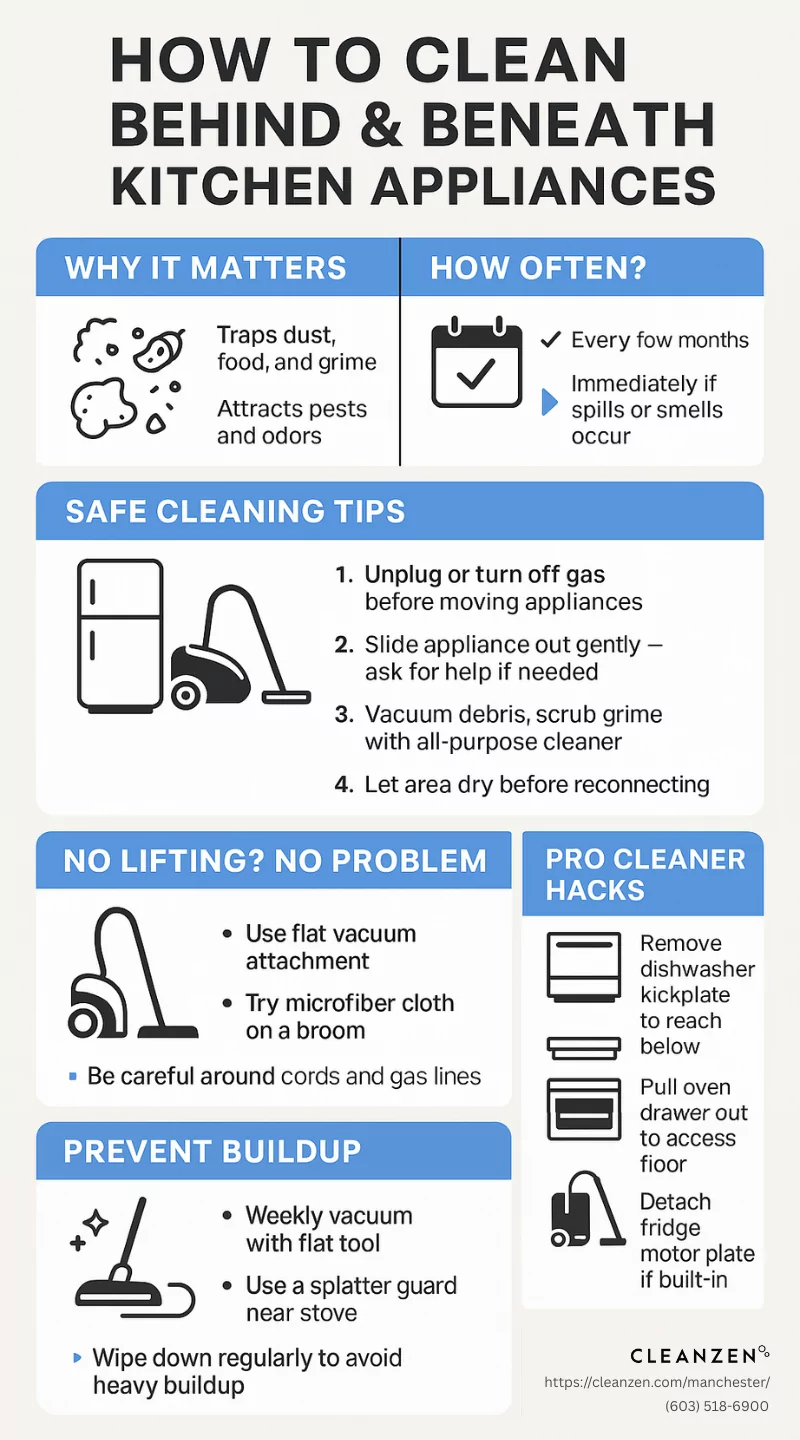
Your kitchen appliances work hard every day to help you prepare meals and keep your home running smoothly. But have you ever stopped to think about how clean they really are?
Germs and bacteria can easily build up on your blender, microwave, or toaster, putting your health at risk without you even knowing. If you want to protect yourself and your loved ones, learning how to properly sanitize your kitchen appliances is a must.
Keep reading, and you’ll discover simple, effective ways to make your kitchen a safer, cleaner place—starting today.
Why Sanitize Kitchen Appliances
Kitchen appliances need regular cleaning to stay safe. Germs can spread quickly on surfaces. Sanitizing helps keep your family healthy.
Clean appliances work better and last longer. This saves money and reduces the risk of illness.
Common Germ Hotspots
Germs love to hide on certain kitchen items. Knowing these spots helps in effective cleaning.
- Handles of the refrigerator
- Microwave buttons
- Blender blades
- Coffee maker reservoir
Health Risks Of Dirty Appliances
Dirty appliances can lead to health issues. Bacteria and mold can cause infections and allergies.
Food poisoning is a risk with unclean surfaces. Regular cleaning minimizes these dangers.

Credit: palmbeachorganized.com
Essential Tools And Supplies
Keeping kitchen appliances clean is important for health. Proper tools and supplies make cleaning easier and safer.
Using the right items helps remove germs and dirt effectively. It also protects your appliances from damage.
Safe Cleaning Agents
Choose cleaning agents that kill germs but are safe for appliances. Avoid harsh chemicals that can cause damage.
Common safe agents include mild dish soap, white vinegar, and baking soda. These clean well without harming surfaces.
- Mild dish soap: removes grease and grime
- White vinegar: disinfects and removes odors
- Baking soda: scrubs gently and neutralizes smells
- Isopropyl alcohol: sanitizes small appliance parts
- Commercial appliance cleaners: follow label instructions
Protective Gear
Wear protective gear to keep yourself safe from chemicals and germs. Gloves protect your skin during cleaning.
Use goggles to prevent splashes from reaching your eyes. A mask helps avoid breathing in strong fumes.
- Rubber gloves: protect hands from irritation
- Safety goggles: shield eyes from splashes
- Face mask: reduces inhalation of fumes
- Apron or old clothes: keep clothes clean
Sanitizing The Refrigerator
Keeping your refrigerator clean helps stop germs and bad smells. Sanitizing removes harmful bacteria that can cause sickness.
Regular cleaning makes your fridge safe for food storage. It also keeps food fresh longer.
Removing And Cleaning Shelves
Take out all shelves and drawers before cleaning. This lets you clean every part well and removes hidden dirt.
Wash shelves with warm water and mild soap. Use a soft cloth or sponge to avoid scratches.
- Remove shelves carefully to avoid damage
- Soak them in warm, soapy water for 10 minutes
- Scrub gently with a soft sponge
- Rinse with clean water and dry fully
- Put shelves back only when dry
Wiping Down Surfaces
Use a clean cloth and a safe sanitizer to wipe the inside walls and door seals. This kills germs and removes spills.
Pay special attention to corners and crevices where dirt hides. Avoid harsh chemicals that can damage surfaces.
- Choose a food-safe sanitizer or diluted vinegar
- Wipe all interior surfaces, including door seals
- Use a soft cloth to avoid damage
- Dry surfaces with a clean towel after wiping
- Leave the fridge door open to air dry completely
Credit: kitchcrafteds.com
Cleaning The Microwave
Keeping your microwave clean helps it work better. A clean microwave also keeps your food safe.
Here are simple ways to sanitize your microwave quickly and well.
Steam Cleaning Method
Steam cleaning softens food stains and grease inside the microwave. This makes wiping easier and faster.
To use this method, place a bowl of water inside and heat it until steam forms. Let the steam work for a few minutes.
- Fill a microwave-safe bowl with water
- Heat on high for 3 to 5 minutes
- Let the bowl sit inside for 2 more minutes
- Carefully remove the bowl
- Wipe the interior with a clean cloth or sponge
Disinfecting The Interior
Disinfecting kills germs and bacteria inside your microwave. Use safe cleaning solutions for this task.
Apply a mild disinfectant or a vinegar solution to clean surfaces. Avoid harsh chemicals that can damage the microwave.
- Mix equal parts of water and white vinegar in a spray bottle
- Spray the interior surfaces lightly
- Let the solution sit for 5 minutes
- Wipe all surfaces with a clean cloth
- Dry the microwave with a dry towel
Sanitizing The Dishwasher
Keeping your dishwasher clean is important for hygiene and performance. Dirt and food bits can build up inside.
Sanitizing your dishwasher removes germs and keeps dishes safe. It also helps the machine work well.
Removing Debris
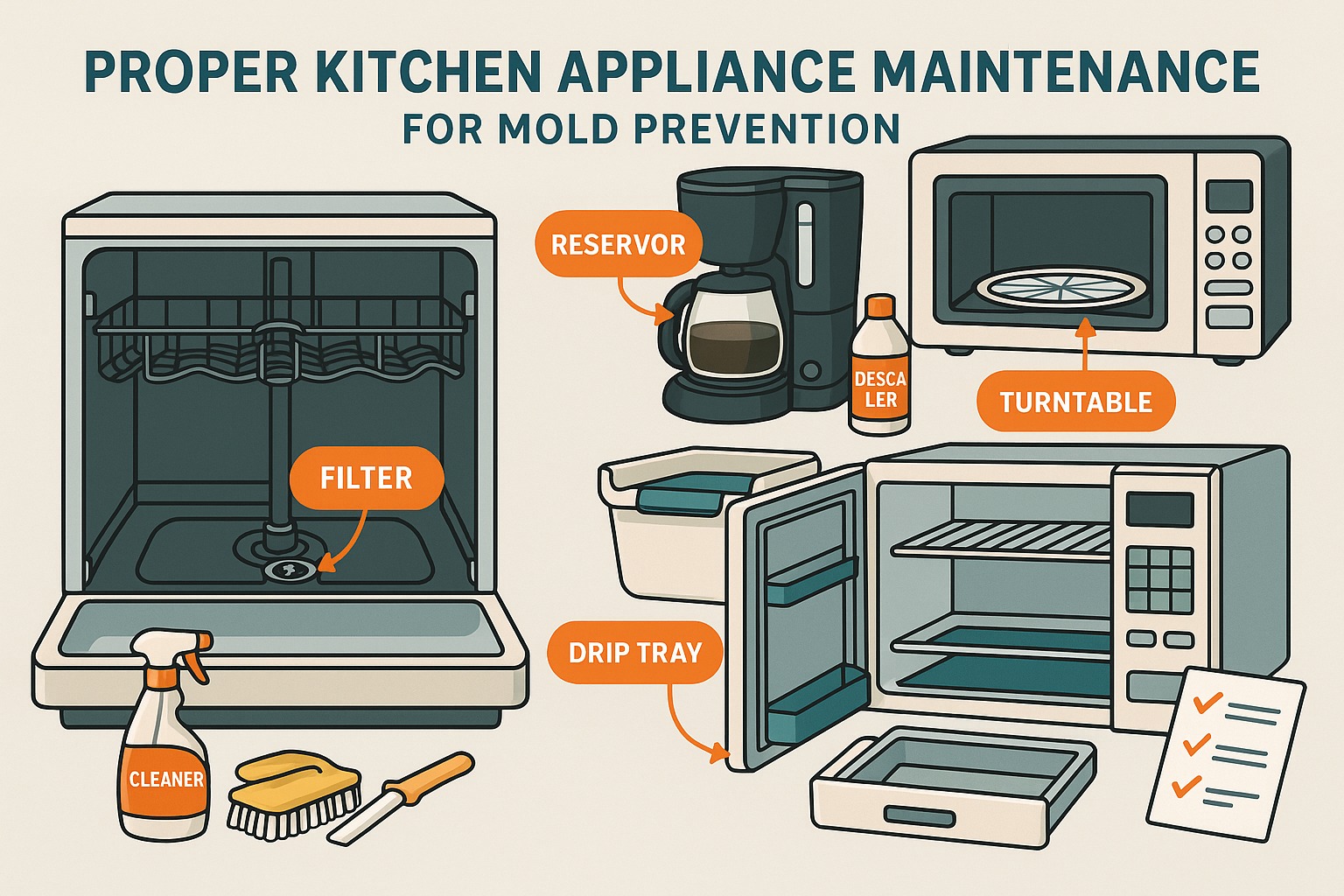
First, check the dishwasher for leftover food or debris. Remove any visible pieces from the filter and drain.
Cleaning these parts stops clogs and helps water flow. Use a soft brush or cloth to wipe away grime.
- Take out the filter carefully
- Rinse the filter under warm water
- Use a soft brush to clean hard-to-reach spots
- Wipe inside the door edges and seals
Running A Cleaning Cycle
Run an empty dishwasher cycle with a cleaning agent made for dishwashers. This kills bacteria and removes grease.
Choose a hot water cycle to ensure deep cleaning. Repeat this process monthly to keep the dishwasher fresh.
- Place dishwasher cleaner or white vinegar in the detergent slot
- Select the hottest and longest wash cycle available
- Start the cycle with the dishwasher empty
- Wipe down the inside after the cycle ends
Cleaning Small Appliances
Small kitchen appliances get dirty fast. Food crumbs and spills can cause germs.
Cleaning them often keeps your kitchen safe and fresh.
Toaster And Coffee Maker Tips
Unplug your toaster before cleaning. Remove and shake out the crumb tray.
Wipe the outside with a damp cloth and mild soap. Avoid water inside the toaster.
For coffee makers, clean the carafe with warm soapy water. Run a cycle with vinegar and water.
- Empty crumbs from toaster trays regularly
- Use a soft brush to clean toaster slots
- Clean coffee carafe after each use
- Run vinegar cycle monthly to remove buildup
Sanitizing Blenders And Mixers
Unplug blenders and mixers before cleaning. Remove all detachable parts.
Wash blades, jars, and attachments with warm soapy water. Rinse well and dry.
Wipe the main body with a damp cloth. Use a cotton swab for small crevices.
- Clean parts after every use
- Handle blades carefully to avoid cuts
- Dry parts completely before reassembling
- Sanitize parts by soaking in vinegar solution
Maintaining A Germ-free Kitchen
Keeping kitchen appliances clean helps stop germs from spreading. Germs can cause sickness and food contamination.
Sanitizing appliances regularly keeps your kitchen safe. This guide shows how to do it well.
Regular Cleaning Schedule
Set a cleaning routine for all kitchen appliances. This keeps germs from building up over time.
Clean appliances like the fridge, microwave, and toaster at least once a week. Wipe surfaces daily.
- Empty and clean the fridge weekly to remove spills and old food
- Wipe the microwave inside and out after each use
- Clean toaster crumbs daily to avoid mold and bacteria
- Sanitize blender and food processor parts after every use
Best Practices For Daily Use
Use simple habits to keep appliances clean every day. These small actions reduce germs quickly.
Always wash your hands before touching appliances. Clean spills right away to avoid sticky surfaces.
- Use a clean cloth to wipe handles and buttons daily
- Unplug appliances before cleaning to stay safe
- Use mild soap and warm water for daily wiping
- Dry appliances well after cleaning to stop bacteria growth

Credit: geauxmaids.com
Frequently Asked Questions
How Often Should I Sanitize Kitchen Appliances?
Sanitize kitchen appliances at least once a week. Increase frequency if appliances are used daily or after handling raw food. Regular sanitation prevents bacteria buildup and keeps your kitchen safe and hygienic.
What Is The Safest Way To Sanitize Kitchen Appliances?
Use a mixture of warm water and mild detergent for cleaning. Follow with a sanitizing solution like diluted bleach or vinegar. Avoid harsh chemicals to protect appliance surfaces and ensure food safety.
Can I Use Natural Products To Sanitize Appliances?
Yes, natural products like white vinegar and baking soda are effective sanitizers. They kill germs without harmful chemicals. Use them regularly for a safe and eco-friendly kitchen environment.
Should I Unplug Appliances Before Sanitizing?
Always unplug appliances before cleaning or sanitizing. This prevents electrical hazards and ensures your safety. Allow appliances to cool down before wiping them with any cleaning solution.
Conclusion
Keeping kitchen appliances clean stops germs and bacteria. Regular sanitizing protects your health and food safety. Use simple steps and safe cleaning products. Clean often, especially after heavy use or spills. Small efforts make your kitchen a safer place. Remember, clean appliances work better and last longer.
Start today to keep your kitchen fresh and healthy.