
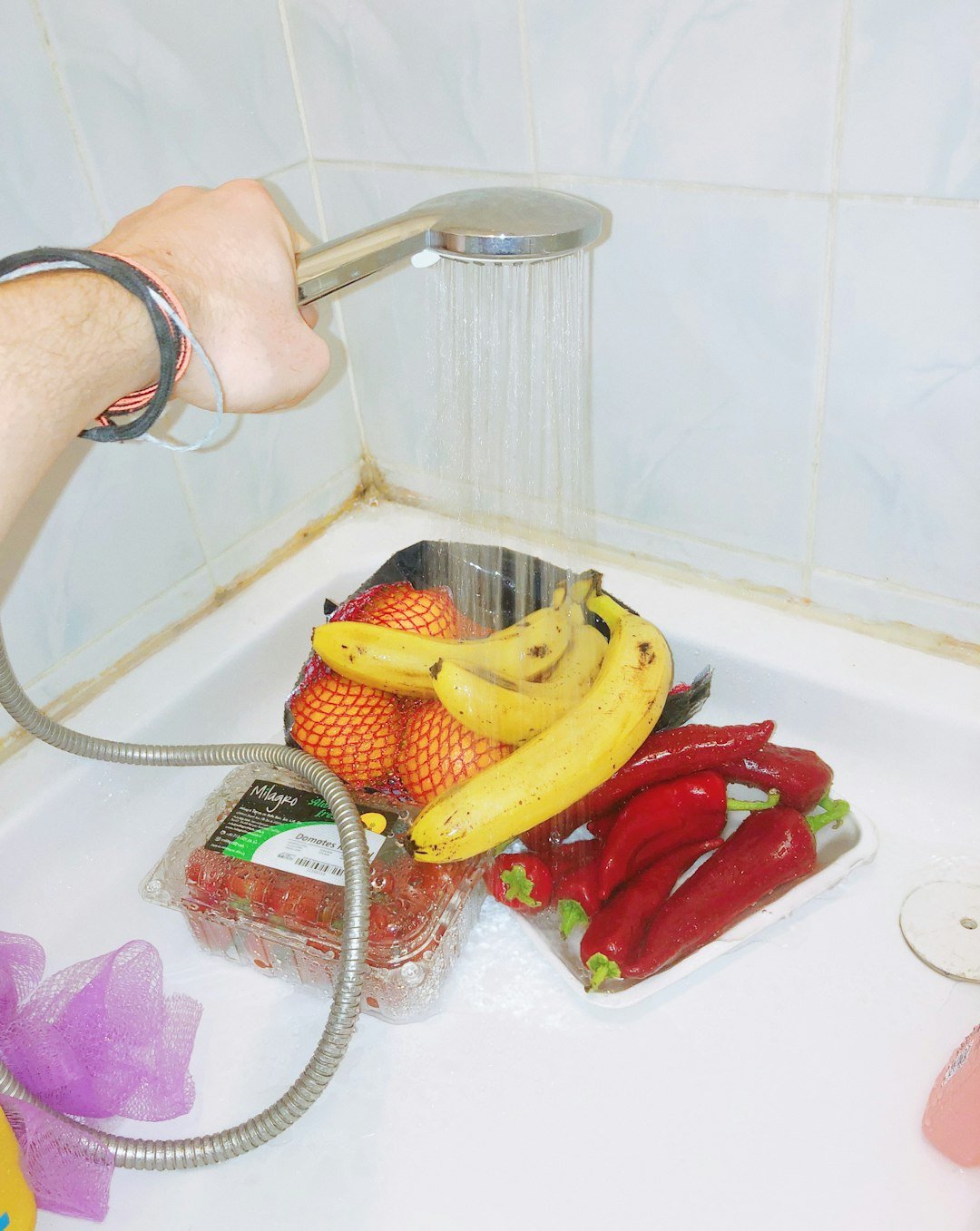
Keeping your food prep surfaces clean isn’t just about looks—it’s about protecting your health and your family’s. Every day, germs and bacteria can build up on your countertops, cutting boards, and utensils without you even noticing.
But here’s the good news: with a simple daily routine, you can make sure your kitchen stays a safe place to prepare meals. You’ll discover easy, practical steps to sanitize your food prep areas quickly and effectively. Stick with me, and you’ll learn how a few small habits can make a big difference in keeping your kitchen fresh and your food safe.
Choosing The Right Cleaner
Sanitizing food prep surfaces is crucial for safety. The right cleaner prevents germ spread. Always use appropriate solutions for effective cleaning.
Each cleaner has different uses. Knowing which to choose helps keep your kitchen safe and healthy.
Types Of Sanitizing Solutions
There are various sanitizing solutions available. Each type has its own benefits and usage.
- Bleach solutions are strong and effective
- Alcohol-based cleaners kill germs quickly
- Quaternary ammonium compounds are commonly used in food service
Natural Vs Chemical Cleaners
Natural cleaners are eco-friendly and safe. Chemical cleaners are powerful and fast-acting.
Decide based on your needs and preferences. Consider effectiveness and environmental impact.
- Natural: Vinegar and baking soda
- Chemical: Bleach and ammonia
Safe Products For Food Surfaces
When cleaning food surfaces, safety is essential. Use products designed for food contact areas.
These products do not leave harmful residues. Always follow instructions for safe usage.
- Food-grade hydrogen peroxide
- Commercial kitchen sanitizers
- Natural citrus-based cleaners
Credit: www.lysol.com
Preparing The Surface
Cleaning food prep surfaces is important for safety. Proper preparation helps remove germs and dirt.
Start by getting the surface ready. This makes sanitizing more effective and quick.
Clearing Debris And Crumbs
Remove all visible food bits like crumbs and debris first. This prevents dirt from mixing with cleaning solutions.
Use a dry cloth or paper towel to wipe away loose particles. Check corners and edges carefully.
- Pick up crumbs with a dry cloth
- Brush away stuck debris gently
- Empty crumbs into the trash
- Ensure no food pieces remain
Wiping Down With Soap And Water
After clearing debris, clean the surface with soap and water. This removes grease and dirt.
Use a clean sponge or cloth soaked in warm, soapy water. Wipe the entire surface thoroughly.
- Mix mild dish soap with warm water
- Dip cloth or sponge in the solution
- Wipe surface evenly and carefully
- Rinse cloth and wipe again if needed
Sanitizing Techniques
Sanitizing food preparation surfaces helps stop germs from spreading. Clean surfaces keep food safe and healthy.
Use the right steps to sanitize well every day. This protects your kitchen and everyone eating the food.
Applying The Sanitizer Correctly
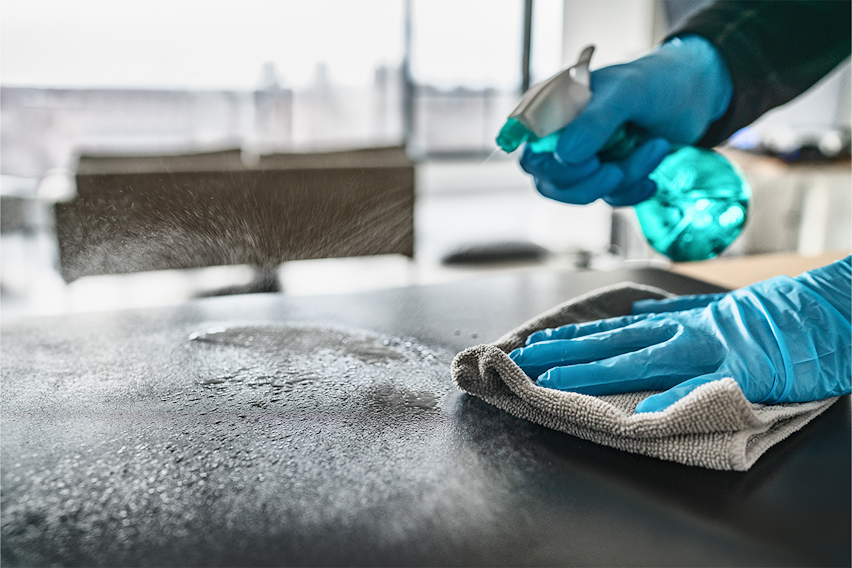
Apply sanitizer evenly on all food prep surfaces. Use a clean cloth or spray bottle for good coverage.
Make sure the surface stays wet with sanitizer. Do not wipe it off too soon or it will not work well.
- Spray or wipe the sanitizer over the entire surface.
- Use enough liquid to cover all areas.
- Avoid missing corners or edges.
Contact Time For Effectiveness
Sanitizers need time to kill germs. Keep the surface wet for the correct contact time.
Different sanitizers require different times. Check the label to know how long to leave it on.
- Most sanitizers need at least 30 seconds contact time.
- Some require up to 10 minutes for full effect.
- Do not dry or wipe before time ends.
Rinsing And Drying Surfaces
After contact time, rinse surfaces if the sanitizer label says so. Use clean water to remove residue.
Dry surfaces with a clean cloth or air dry. Dry surfaces stop germs from growing and keep the area ready.
- Rinse only if the sanitizer label requires it.
- Use clean, fresh water for rinsing.
- Dry with a clean towel or let air dry fully.
Frequency And Timing
Keeping food prep surfaces clean is important for safety. You should sanitize surfaces daily to stop germs.
Timing matters. Clean surfaces before and after food prep to avoid contamination.
Daily Routine Tips
Sanitize all counters and cutting boards every day. Do this before starting any cooking.
Use a food-safe sanitizer and clean cloths. Replace cloths often to keep surfaces fresh.
- Clear all items from surfaces.
- Wash with soap and warm water.
- Apply sanitizer and let it sit.
- Wipe dry with a clean cloth.
Sanitizing Between Tasks
Clean surfaces between different food tasks. This stops germs from spreading.
For example, sanitize after handling raw meat before cutting vegetables.
- Wash surface with soap and water.
- Use sanitizer spray or wipes.
- Let the surface air dry.
- Use separate cloths for each task.
Maintaining Equipment Hygiene
Keeping food prep surfaces clean is very important. It stops germs from spreading and keeps food safe.
Daily cleaning and sanitizing help keep your kitchen tools and surfaces in good shape. This is key to prevent food contamination.
Cleaning Cutting Boards And Knives
Cutting boards and knives can carry harmful bacteria. Clean them after every use to avoid cross-contamination.
Use hot, soapy water to wash cutting boards and knives. Rinse well and dry with a clean towel.
- Scrub cutting boards with a brush to remove food bits.
- Wash knives carefully to avoid cuts.
- Use separate boards for raw meat and vegetables.
- Replace cutting boards if they have deep cuts or cracks.
Sanitizing Utensils And Appliances
Utensils and appliances need regular sanitizing to kill germs. Use a food-safe sanitizer after cleaning.
Wipe down appliance surfaces and handles. Soak small utensils in sanitizer solution for a few minutes.
- Follow sanitizer instructions for the right concentration and time.
- Rinse items if required by the sanitizer label.
- Air dry utensils and appliances to avoid water spots.
- Clean appliance filters and vents regularly.
Preventing Cross-contamination
Cross-contamination happens when harmful bacteria spread from one surface to another. This can cause foodborne illnesses. Cleaning and sanitizing food prep surfaces daily helps keep food safe.
Using the right methods stops germs from moving between foods. It is important to follow simple steps to protect your kitchen and family.
Using Separate Surfaces
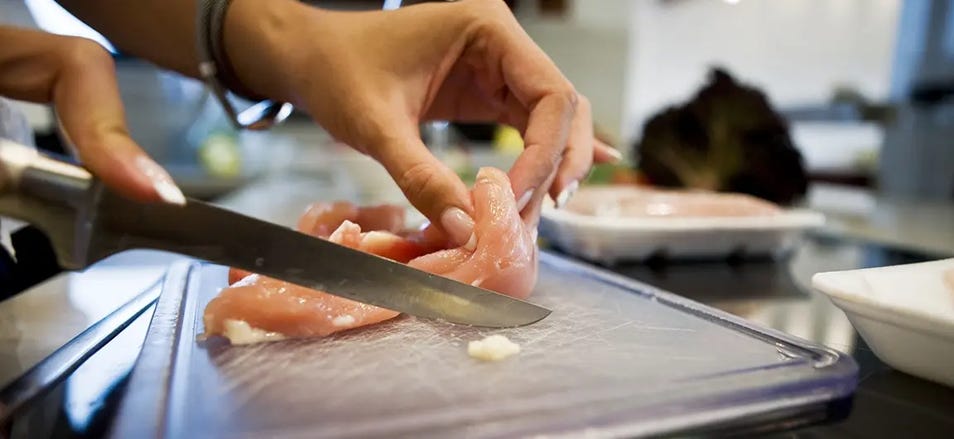
Use different cutting boards and surfaces for raw meat, vegetables, and cooked foods. This prevents germs from raw foods spreading to ready-to-eat items.
Clean and sanitize all surfaces after each use. This keeps bacteria from building up and reduces the risk of cross-contamination.
- Use one board for raw meat
- Use another for fruits and vegetables
- Keep surfaces clean between tasks
- Sanitize with a safe cleaner daily
Proper Hand Hygiene
Wash your hands thoroughly before and after handling food. This stops germs from moving from your hands to food or surfaces.
Use warm water and soap. Rub hands for at least 20 seconds. Dry with a clean towel or air dry to keep hands clean.
- Wash hands before cooking
- Wash after touching raw meat
- Wash after using the bathroom
- Wash after touching pets or trash
Common Mistakes To Avoid
Sanitizing food prep surfaces daily is important for safe cooking. Many people make simple mistakes that reduce cleaning effectiveness.
Knowing what not to do helps keep surfaces clean and food safe. Avoid these common errors when sanitizing.
Overusing Chemicals
Using too much sanitizer can leave harmful residues on surfaces. This can affect food taste and safety.
Strong chemicals can also damage surfaces over time. Follow product instructions for correct amounts.
- Use only the recommended amount of sanitizer
- Do not mix different chemicals together
- Wear gloves to protect your skin
- Store chemicals safely away from food
Skipping Rinsing Steps
Not rinsing surfaces after cleaning can leave soap or sanitizer behind. This residue can contaminate food.
Always rinse surfaces with clean water after sanitizing. This helps remove any leftover chemicals.
- Rinse surfaces with warm water after sanitizing
- Wipe dry with a clean cloth or let air dry
- Do not skip rinsing even if the product says “no rinse”

Credit: extension.unh.edu
Credit: erudus.com
Frequently Asked Questions
How Often Should I Sanitize Food Prep Surfaces Daily?
Sanitize food prep surfaces at least once daily before and after use. Frequent cleaning reduces bacteria and prevents cross-contamination. In busy kitchens, sanitize more often to maintain hygiene and food safety.
What Is The Best Sanitizer For Food Prep Surfaces?
Use a food-safe sanitizer like diluted bleach solution or commercial food-grade sprays. These kill harmful germs without leaving toxic residues. Always follow manufacturer instructions for safe and effective use.
Can I Use Natural Products To Sanitize Surfaces?
Yes, natural options like vinegar and hydrogen peroxide can sanitize surfaces. However, they may be less effective than chemical sanitizers. Always ensure thorough cleaning and proper contact time for best results.
Should I Clean Surfaces Before Sanitizing?
Yes, always clean surfaces with soap and water first. Cleaning removes dirt and grease, allowing the sanitizer to work effectively. Sanitizing without cleaning may not kill all bacteria.
Conclusion
Sanitizing food prep surfaces every day keeps your kitchen safe and clean. Use simple steps like wiping, washing, and applying sanitizer. Clean surfaces stop germs from spreading to your food. This habit helps protect your family from sickness. A few minutes daily make a big difference.
Stay consistent, and your kitchen stays fresh. Safe food starts with clean surfaces. Keep it simple, keep it safe.