
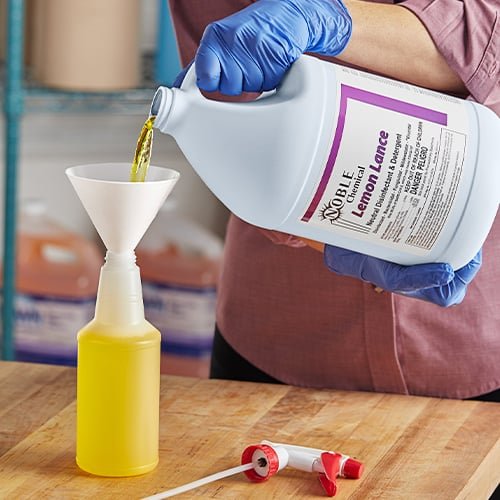
Keeping your kitchen clean is key to making safe, delicious meals. But do you know the right way to sanitize your food prep surfaces?
If harmful germs linger on your counters, they can easily spoil your food and put your health at risk. You want to protect yourself and your loved ones from foodborne illnesses, and the good news is—it’s easier than you think.
You’ll discover simple, effective steps to thoroughly sanitize your food prep areas, ensuring every meal you make starts on a clean, safe surface. Keep reading, and take control of your kitchen’s cleanliness today.
Credit: www.webstaurantstore.com
Choosing The Right Sanitizers
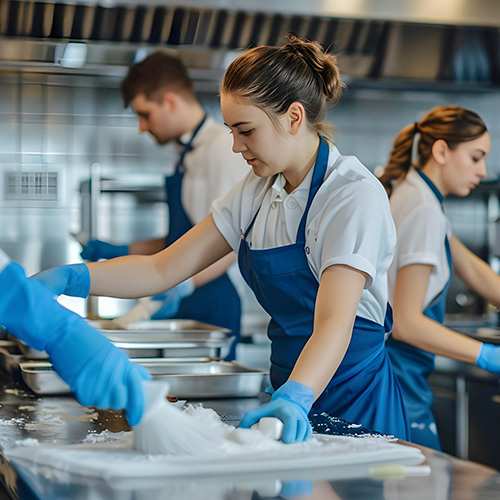
Sanitizing food prep surfaces is important for safety. Using the right sanitizers keeps kitchens clean and free from germs.
Different sanitizers are available. It is crucial to choose the one that fits your needs. Let’s explore the options.
Types Of Food-safe Sanitizers
Food-safe sanitizers are made to be safe for kitchen use. They kill germs and are safe around food.
- Chlorine-based sanitizers
- Quaternary ammonium compounds (Quats)
- Hydrogen peroxide solutions
Natural Vs Chemical Options
Some people prefer natural sanitizers. Others choose chemical options for stronger cleaning.
- Natural options include vinegar and lemon juice
- Chemical options include bleach and Quats
Sanitizer Concentration Guidelines
Using the right concentration is important. Too much can be harmful, too little may not work.
| Sanitizer Type | Recommended Concentration |
| Chlorine-based | 50-100 ppm |
| Quats | 200-400 ppm |
| Hydrogen peroxide | 0.5-1% |
Cleaning Before Sanitizing
Cleaning food prep surfaces is important before sanitizing. It removes dirt, grease, and germs.
Without cleaning, sanitizers cannot work well. Clean surfaces help keep food safe.
Removing Debris And Residue
Start by removing loose dirt and food bits from surfaces. Use a dry cloth or brush.
Scrape off sticky or dried food with a plastic scraper to avoid damage.
Using Detergents Effectively
Choose a detergent made for kitchen use. It helps break down grease and grime.
Apply detergent with a sponge or cloth. Scrub surfaces gently to avoid scratches.
- Use warm water to mix detergent
- Scrub all corners and edges
- Replace dirty cloths often
Rinsing Techniques
Rinse surfaces with clean, warm water after washing. This removes detergent and loosened dirt.
Use a clean cloth or spray bottle to rinse hard-to-reach areas. Avoid leaving soap behind.
- Rinse thoroughly to prevent residue
- Change rinse water often if using a basin
- Dry surfaces with a clean towel after rinsing
Sanitizing Techniques
Keeping food prep surfaces clean helps stop germs from spreading. Sanitizing removes bacteria that regular cleaning misses.
Using the right sanitizing methods ensures food stays safe. Choose a method that fits your kitchen and tools.
Spray And Wipe Methods
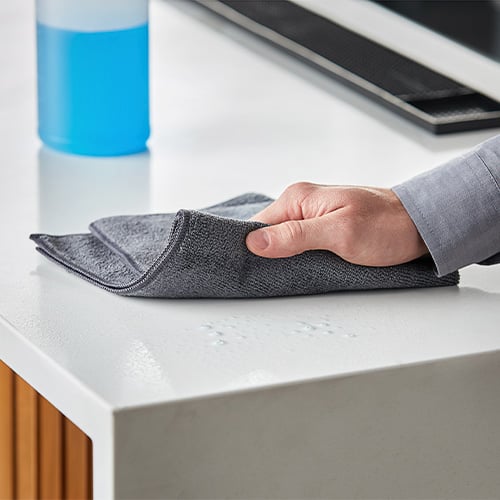
Spray and wipe is a quick way to sanitize surfaces. Use a food-safe sanitizer spray and a clean cloth or paper towel.
Spray the surface evenly. Let the sanitizer sit before wiping to kill germs effectively.
- Spray from 6 to 8 inches away
- Cover the whole surface
- Wait 30 seconds to 1 minute before wiping
- Use a fresh cloth each time
Soaking Procedures
Soaking helps sanitize small tools and utensils. Use a sanitizing solution made for food prep items.
Fully immerse the items in the solution. Keep them soaked for the right time to kill bacteria well.
- Fill a clean container with sanitizer
- Submerge utensils completely
- Soak for 1 to 5 minutes, depending on sanitizer instructions
- Air dry after soaking, do not rinse
Contact Time Importance
Contact time is how long sanitizer stays on a surface. It must be long enough to kill germs.
Wiping or rinsing too soon lowers sanitizer power. Always follow the sanitizer label for contact time.
- Check sanitizer label for exact times
- Typical contact times are 30 seconds to 10 minutes
- Do not dry or wipe off before time ends
- Longer contact times improve safety
Maintaining Surface Safety
Keeping food preparation surfaces clean is important to stop germs. Safe surfaces help keep food safe to eat.
Regular cleaning and sanitizing remove dirt and harmful bacteria. This protects your health and prevents foodborne illness.
Routine Sanitizing Schedules
Set a daily schedule to clean and sanitize all food prep surfaces. This keeps germs from building up.
Sanitize after each use and at the start and end of each day. Use safe cleaning products made for kitchens.
- Clean surfaces with soap and water first
- Apply sanitizer and let it sit for the needed time
- Dry surfaces with a clean cloth or air dry
- Record cleaning times to keep track
Avoiding Cross-contamination
Cross-contamination happens when germs spread from one surface to another. This can make food unsafe.
Use separate cutting boards and tools for raw meat, vegetables, and ready-to-eat food. Clean surfaces between tasks.
- Use color-coded boards for different foods
- Wash hands before changing tasks
- Sanitize surfaces after handling raw foods
- Store raw foods below cooked foods in the fridge
Regular Surface Inspections
Inspect food prep surfaces daily to find damage or dirt spots. Cracks and holes can hide bacteria.
Fix or replace damaged surfaces quickly. Check for sticky spots or stains that need extra cleaning.
- Look for cracks, chips, or rough areas
- Check corners and edges closely
- Ensure cleaning tools are working well
- Keep a checklist for inspections
Handling Different Surface Materials
Cleaning and sanitizing food prep surfaces is key to food safety. Different materials need different care. Using the right method keeps surfaces safe and lasts longer.
This guide covers how to handle wood, stainless steel, plastic, and laminate surfaces. Follow these tips to keep your kitchen clean and safe.
Sanitizing Wood Surfaces
Wood surfaces can absorb moisture and bacteria if not cleaned well. Avoid soaking wood in water to prevent warping or cracking.
Use a mild soap solution and a soft cloth to clean. After cleaning, wipe with a vinegar and water mix to sanitize. Let wood dry fully in the air.
- Use mild soap and warm water for cleaning
- Wipe with vinegar solution to kill germs
- Dry completely to avoid mold growth
- Do not soak or use harsh chemicals
Cleaning Stainless Steel
Stainless steel is common in kitchens for its durability. Clean it often with warm water and mild detergent. Avoid abrasive pads to keep it shiny.
To sanitize, use a solution of diluted bleach or a commercial sanitizer safe for stainless steel. Rinse well and dry with a soft cloth to prevent streaks.
- Clean with warm water and mild detergent
- Use gentle cloths to avoid scratches
- Sanitize with diluted bleach solution
- Rinse and dry to prevent spots
Care For Plastic And Laminate
Plastic and laminate surfaces are easy to clean but can get scratched. Use soft sponges and mild soap for cleaning. Avoid strong chemicals that may damage them.
Sanitize by wiping with a solution of water and bleach or a food-safe sanitizer. Rinse well and air dry or use a clean cloth.
- Clean with mild soap and soft sponge
- Sanitize with diluted bleach or food-safe sanitizer
- Rinse thoroughly after sanitizing
- Air dry or use a clean towel
Credit: www.webstaurantstore.com
Safety Precautions For Users
Sanitizing food prep surfaces is important to keep food safe. Users must follow safety rules to protect themselves and others.
Using the right safety steps lowers risks of accidents and harmful exposure. Always prepare before cleaning.
Protective Gear Recommendations
Wear protective gear to avoid contact with cleaning agents. This gear helps stop skin and eye irritation.
Use gloves, goggles, and aprons when handling sanitizers. Make sure the gear fits well and is in good condition.
- Wear rubber or latex gloves to protect hands
- Use safety goggles to shield eyes from splashes
- Wear an apron to protect clothes and skin
- Use masks if fumes are strong or in a small space
Safe Storage Of Cleaning Agents
Store cleaning agents in a cool, dry place away from food. Keep them out of reach of children and pets.
Label all containers clearly. Avoid storing chemicals near heat or sunlight to keep them effective and safe.
- Use locked cabinets for cleaning chemicals
- Keep original labels on all bottles
- Do not mix different cleaning agents
- Store away from food and kitchen tools
Disposal Of Used Sanitizers
Dispose of used sanitizers according to local rules. Never pour them down sinks or drains without permission.
Use sealed containers to collect waste. This prevents spills and protects the environment from harmful chemicals.
- Check local guidelines for chemical disposal
- Use proper waste containers with secure lids
- Do not mix sanitizer waste with regular trash
- Take hazardous waste to authorized disposal sites
Credit: www.webstaurantstore.com
Frequently Asked Questions
How Often Should I Sanitize Food Prep Surfaces?
Sanitize food prep surfaces after every use to prevent cross-contamination. Regular cleaning ensures harmful bacteria are removed. For busy kitchens, sanitize multiple times daily for safety and hygiene.
What Is The Best Sanitizer For Food Prep Areas?
Use food-safe sanitizers like diluted bleach solutions or commercial food-grade sanitizers. They effectively kill germs without harming surfaces. Always follow product instructions for safe and effective use.
Can I Use Vinegar To Sanitize Food Prep Surfaces?
Vinegar has mild antibacterial properties but is not a reliable sanitizer. It cleans but doesn’t kill all harmful bacteria. For proper sanitation, use approved food-safe sanitizers.
Should I Clean Before Sanitizing Food Prep Surfaces?
Yes, always clean surfaces first to remove dirt and debris. Sanitizers work best on clean surfaces. Cleaning ensures effective killing of bacteria during sanitizing.
Conclusion
Clean surfaces keep your food safe and your kitchen healthy. Use simple steps to wipe and sanitize regularly. Avoid germs by cleaning after every food prep. Choose the right cleaner for your surfaces. Dry surfaces well to stop bacteria growth.
Small habits make a big difference in safety. Keep your kitchen a clean place to cook and eat. Trust the process and stay consistent for best results. Your health depends on how well you clean. Easy to follow. Easy to keep safe.