
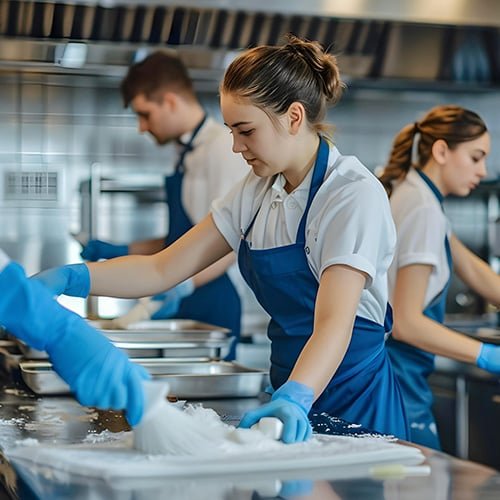
Keeping your food prep areas clean is more important than you might think. Every time you prepare a meal, germs and bacteria can sneak in and cause illness.
But don’t worry—sanitizing your kitchen surfaces doesn’t have to be complicated or time-consuming. You’ll discover simple, effective steps to make sure your food prep areas stay safe and spotless. By following these easy tips, you’ll protect yourself and your loved ones from harmful contaminants and enjoy cooking with confidence.
Ready to learn how to sanitize like a pro? Let’s dive in.
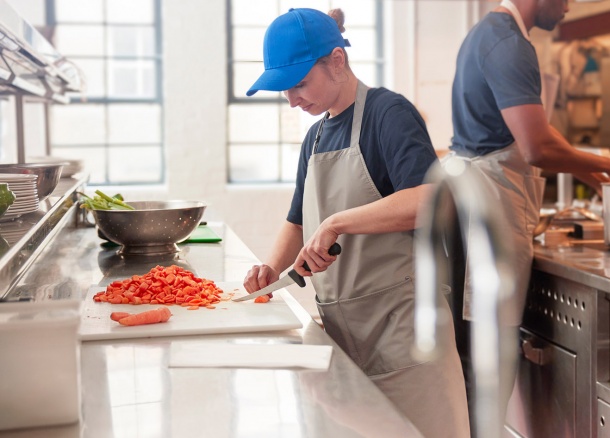
Credit: www.europeancleaningjournal.com
Importance Of Sanitizing Food Prep Areas
Sanitizing food prep areas keeps kitchens clean and safe. It stops germs from spreading to food.
Clean surfaces reduce the risk of food poisoning. This helps protect everyone who eats the food.
Preventing Cross-contamination
Sanitizing stops bacteria from moving between foods. Raw and cooked foods stay separate and safe.
Using clean tools and surfaces lowers the chance of harmful germs spreading.
Reducing Foodborne Illnesses
Cleaning removes germs that cause sickness. This helps keep people healthy after eating.
Regular sanitation lowers risks of illnesses like salmonella or E. coli infections.
Maintaining Kitchen Hygiene
Sanitizing keeps the kitchen tidy and fresh. It stops bad smells and sticky surfaces.
A clean kitchen creates a better workspace and shows care for food safety.
Complying With Health Regulations
Sanitizing meets local health rules. This helps avoid fines or closures for food businesses.
Following these rules builds trust with customers and inspectors.

Credit: www.youtube.com
Key Contaminants In Kitchens
Keeping food prep areas clean is vital to stop illness. Kitchens often have hidden dangers that can spoil food.
Knowing about these dangers helps keep kitchens safe and food fresh for everyone.
Bacteria And Viruses
Bacteria and viruses cause many food-related illnesses. They grow quickly on dirty surfaces and raw food.
- Salmonella can come from raw meat and eggs.
- E. coli spreads through contaminated water and food.
- Norovirus passes easily from person to person.
- These germs survive on cutting boards, knives, and counters.
Cross-contamination Risks
Cross-contamination happens when harmful germs move from one food to another. It spreads quickly in busy kitchens.
| Source | Risk | How to Prevent |
| Raw Meat | Spreads bacteria to cooked food | Use separate cutting boards |
| Dirty Hands | Transfers viruses to food | Wash hands often |
| Unwashed Vegetables | Brings dirt and germs | Rinse well before use |
| Kitchen Tools | Transfers contaminants | Clean tools after each use |
Allergen Concerns
Allergens can cause serious reactions. Small traces in food can be dangerous for some people.
Common allergens include:
- Peanuts
- Tree nuts
- Milk
- Eggs
- Shellfish
- Wheat
- Soy
Cleaning surfaces well helps stop allergen cross-contact. Use separate utensils for allergen-free cooking.
Essential Sanitizing Tools
Keeping food prep areas clean is very important. Using the right tools helps stop germs and keeps food safe.
This guide covers the main tools you need to sanitize food prep spaces well.
Cleaning Agents
Cleaning agents remove dirt and germs from surfaces. Choose products made for food areas.
Common cleaning agents include detergents and sanitizers that kill bacteria.
- Detergents help remove grease and food particles
- Sanitizers reduce germs to safe levels
- Disinfectants kill more types of bacteria and viruses
- Use food-safe products to avoid contamination
Sanitizing Equipment
Sanitizing equipment helps apply cleaning agents and clean surfaces quickly.
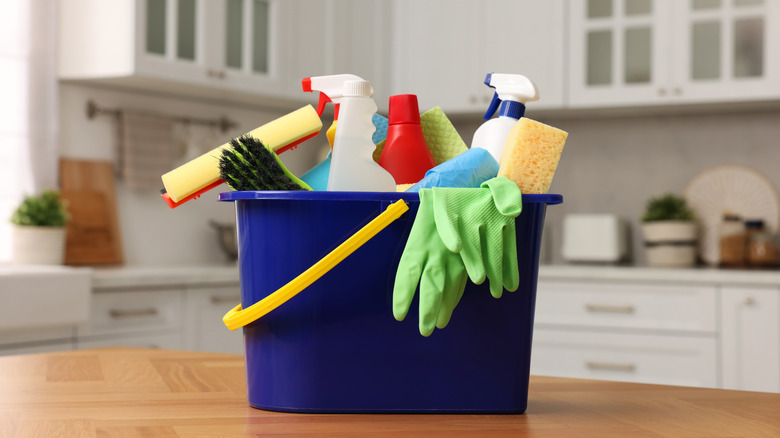
Tools like spray bottles and wipes make sanitizing easier and more effective.
- Spray bottles for even sanitizer application
- Clean cloths and disposable wipes for wiping surfaces
- Scrub brushes for tough spots
- Buckets for mixing cleaning solutions
Protective Gear
Protective gear keeps you safe from harsh chemicals and germs during cleaning.
Always wear gloves and other gear to avoid skin contact and injuries.
- Gloves protect hands from chemicals and germs
- Aprons keep clothes clean and dry
- Face masks help prevent breathing in chemicals
- Safety glasses shield eyes from splashes
Step-by-step Sanitizing Process
Sanitizing food prep areas keeps your kitchen safe from germs. Clean surfaces stop bacteria from spreading.
Follow clear steps to clean and sanitize properly. This helps protect your food and family.
Initial Cleaning
Start by removing any food debris from counters and cutting boards. Use warm soapy water to wash surfaces well.
Scrub to remove grease and dirt. Rinse with clean water to clear away soap and loosened particles.
Disinfecting Surfaces
Apply a food-safe disinfectant or sanitizer to the cleaned surfaces. Follow the product instructions for best results.
Let the disinfectant sit for the recommended time. This step kills harmful bacteria and viruses on surfaces.
- Use bleach solution or commercial sanitizer
- Ensure full coverage of all prep areas
- Do not wipe off disinfectant before time ends
Final Rinse And Drying
Rinse surfaces with clean water if the disinfectant requires it. This removes any residue that may be harmful.
Dry all surfaces with a clean cloth or let air dry. Dry surfaces help stop bacteria from growing back.
Best Practices For Daily Maintenance
Keeping food prep areas clean is important to stop germs from spreading. Daily cleaning helps keep kitchens safe and healthy.
Use the right methods and tools to clean and sanitize surfaces. Regular care makes food prep safer for everyone.
Routine Cleaning Schedules
Set a daily cleaning plan for all food prep surfaces. This keeps dirt and bacteria from building up over time.
- Clean counters and cutting boards with soap and water.
- Sanitize surfaces using a food-safe disinfectant.
- Wipe down sinks and faucets after use.
- Check and clean utensils regularly.
- Wash hands before and after handling food.
Spot Cleaning Techniques
Clean spills and stains right away. This stops germs from spreading and keeps the area safe.
| Spot Type | Cleaning Method | Tools Needed |
|---|---|---|
| Grease Spots | Use hot water and degreaser | Cloth, scrub brush |
| Food Spills | Wipe with soapy water then sanitize | Paper towels, disinfectant spray |
| Sticky Residue | Soak then scrub with mild detergent | Soft sponge, warm water |
Proper Waste Disposal
Throw away food scraps and trash often. This avoids bad smells and pests in the prep area.
- Use covered bins for waste.
- Empty trash containers daily.
- Clean bins regularly to stop germs.
- Separate recyclables from food waste.
- Keep waste areas away from food prep zones.
Eco-friendly Sanitizing Options
Keeping food prep areas clean is important for health. Using eco-friendly options helps protect the environment. These choices avoid harsh chemicals that can harm people and nature.
Eco-friendly sanitizers work well to kill germs. They are safe for food surfaces and reduce waste. Let’s look at natural cleaning products and easy DIY solutions you can try.
Natural Cleaning Products
Natural cleaning products use ingredients from plants and minerals. They do not contain synthetic chemicals or toxins. These products are gentle on surfaces and safe around food.
Common natural products include vinegar, baking soda, and lemon juice. They clean and disinfect without leaving harmful residues. Many stores now sell eco-friendly cleaning sprays and wipes.
- White vinegar disinfects and removes odors
- Baking soda scrubs and deodorizes surfaces
- Lemon juice kills bacteria and adds fresh scent
- Essential oils like tea tree or eucalyptus add extra cleaning power
Diy Sanitizing Solutions
You can make your own sanitizers at home using simple ingredients. These DIY solutions save money and reduce plastic waste from store-bought products. Always test on a small area first.
Mixing water with natural ingredients creates effective sanitizers. Use spray bottles for easy application. Clean surfaces before sanitizing for the best results.
- Mix 1 cup water with 1 cup white vinegar for a spray cleaner
- Combine 2 teaspoons baking soda with 1 cup water for scrubbing paste
- Add 10 drops of tea tree oil to 1 cup water for antibacterial spray
- Use diluted hydrogen peroxide (3%) to sanitize cutting boards
Benefits Of Green Practices
Using green cleaning methods keeps your kitchen safe. It reduces exposure to harsh chemicals that can cause allergies or irritation. Eco-friendly options protect children and pets.
Green practices help reduce pollution and waste. They lower your home’s carbon footprint. Choosing natural products supports sustainable farming and less plastic use.
- Protects health by avoiding toxic chemicals
- Reduces plastic waste and pollution
- Supports sustainable and organic farming
- Safe for food contact surfaces
- Often biodegradable and compostable
Training And Education For Kitchen Staff
Keeping food prep areas clean is very important. Proper training helps kitchen staff understand how to sanitize well.
Good education reduces the risk of foodborne illnesses. It also keeps the kitchen safe and healthy for everyone.
Importance Of Proper Training
Training teaches staff the correct ways to clean surfaces and tools. It helps stop germs from spreading in the kitchen.
Without proper training, mistakes happen. These mistakes can cause food contamination and harm customers.
Workshops And Resources
Workshops give hands-on practice in cleaning and sanitizing. They make learning easier and more effective.
Resources like guides and videos support staff learning. These materials remind workers of safe cleaning steps.
- Interactive workshops on cleaning techniques
- Step-by-step sanitizing guides
- Instructional videos for visual learning
- Posters showing cleaning schedules
Monitoring And Feedback
Regular checks make sure staff follow cleaning rules. Monitoring keeps food prep areas safe every day.
Giving feedback helps workers improve. Positive feedback encourages good habits and quick corrections.
- Use checklists to track cleaning tasks
- Supervisors observe and note cleaning quality
- Share feedback in team meetings
- Reward consistent good cleaning efforts
Common Mistakes To Avoid
Sanitizing food prep areas keeps food safe and reduces germs. Many people make simple mistakes that hurt cleanliness.
Knowing what to avoid helps you keep your kitchen healthy. Learn about common errors in sanitizing surfaces.
Overlooking Hidden Areas
Some spots in the kitchen get dirty but are often missed. These hidden places can hold bacteria and germs.
Areas like behind appliances, sink edges, and under cutting boards need extra cleaning. Ignoring them can cause contamination.
- Clean behind and under appliances regularly
- Scrub sink edges and faucet handles well
- Wash and dry cutting boards after each use
Improper Use Of Chemicals
Using cleaning chemicals wrong can leave surfaces unsafe. Too much or too little can cause problems.
Always follow the instructions on the label. Mixing chemicals without care can create harmful fumes or reduce effectiveness.
- Use the right chemical for each surface
- Measure chemicals as directed on the package
- Never mix different cleaning products
Neglecting Personal Hygiene
Clean hands and clothes are important in food prep. Dirty hands spread germs even on clean surfaces.
Wash hands often, especially after touching raw food or trash. Wear clean clothes and avoid touching your face.
- Wash hands with soap before and after prepping food
- Use gloves if you have cuts or sores
- Keep hair tied back and wear clean clothes
Adapting Sanitization For Different Kitchen Types
Sanitizing food prep areas is vital to keep kitchens safe. Different kitchens need different cleaning approaches. This guide helps you adjust sanitization methods for various kitchen environments.
Using the right tools and techniques makes sanitization effective. Learn how to clean home, commercial, and specialized kitchens properly.
Home Kitchens
Home kitchens are smaller and less busy than commercial ones. Use mild cleaners that are safe for family use. Clean surfaces often to stop germs from spreading.
- Use warm, soapy water for counters and cutting boards.
- Disinfect with a bleach solution or food-safe spray.
- Wash cloths and sponges regularly to avoid bacteria buildup.
- Clean kitchen tools and utensils after each use.
- Keep the sink area dry and clean to prevent mold.
Commercial Kitchens
Commercial kitchens handle large food volumes and many staff. Follow strict sanitization rules to meet health codes. Use strong disinfectants and clean on a set schedule.
| Sanitization Area | Cleaning Agent | Frequency |
| Food Prep Surfaces | Quaternary ammonium compound | After each use |
| Floors | Detergent and disinfectant | Daily |
| Utensils and Equipment | Hot water and sanitizer | After each shift |
| Storage Areas | All-purpose cleaner | Weekly |
Specialized Food Prep Areas
Some kitchens prepare specific foods like seafood or bakery items. These areas need custom sanitizing steps to stop cross-contamination. Use tools and cleaners made for the food type.
- Seafood prep: Clean with saltwater-safe disinfectants.
- Bakery: Remove flour dust before sanitizing.
- Allergy-safe zones: Use separate cloths and tools.
- Cold prep: Keep surfaces dry to avoid ice buildup.
- Use color-coded cleaning tools to prevent mix-ups.
Credit: www.chowhound.com
Frequently Asked Questions
How Often Should I Sanitize Food Prep Areas?
Sanitize food prep areas daily and after handling raw meat. Frequent cleaning prevents bacteria growth and cross-contamination. Use approved sanitizers for best results.
What Cleaning Agents Are Best For Sanitizing Prep Surfaces?
Use bleach solutions, quaternary ammonium compounds, or commercial food-safe sanitizers. Avoid harsh chemicals that can contaminate food or damage surfaces. Follow product instructions carefully.
Can I Use Vinegar To Sanitize Food Prep Areas?
Vinegar has mild antibacterial properties but is not a reliable sanitizer. For effective sanitation, use EPA-approved food-safe disinfectants to eliminate harmful pathogens.
What Is The Correct Sanitizing Procedure For Cutting Boards?
Clean cutting boards with hot, soapy water first. Then apply sanitizer and let air dry. This method removes germs and extends board life.
Conclusion
Sanitizing food prep areas keeps your kitchen safe and clean. Use soap and hot water to remove dirt first. Then apply a food-safe sanitizer to kill germs. Always clean surfaces after each use to avoid bacteria build-up. Clean tools and cutting boards regularly too.
A clean kitchen helps prevent foodborne illnesses. Small steps make a big difference in food safety. Keep these habits daily for healthy meals and peace of mind. Simple, quick cleaning protects your family every time you cook.