
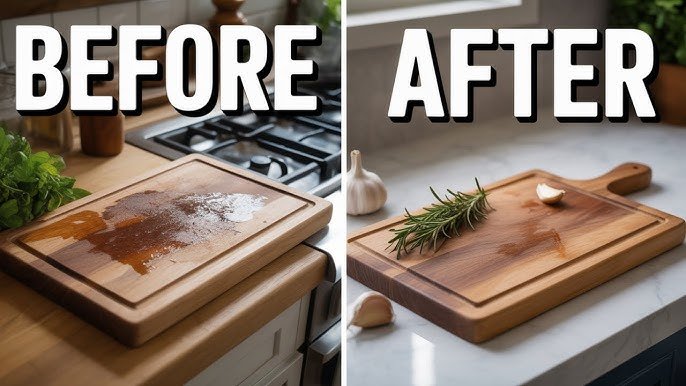
Your cutting board is one of the most used tools in your kitchen, but it can also be a hotspot for harmful bacteria. Keeping it clean is essential for your health, but harsh chemicals aren’t always the answer.
What if you could sanitize your cutting board naturally, using simple ingredients you already have at home? You’ll discover easy and effective ways to keep your cutting boards safe and fresh without any toxic cleaners. Ready to protect your family and make your kitchen safer?
Let’s dive in.
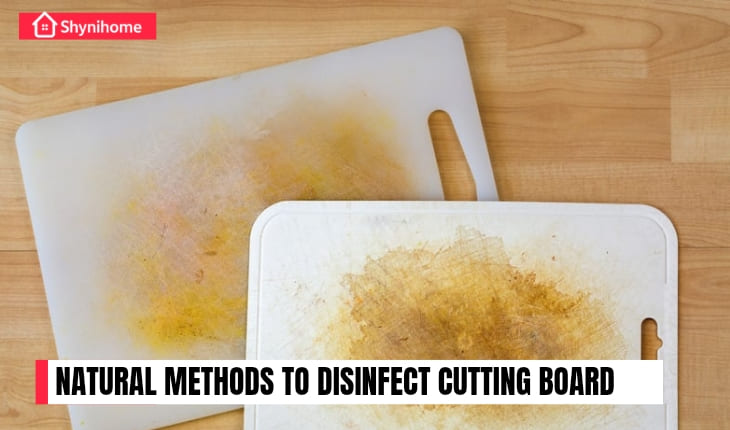
Credit: shynihome.com
Importance Of Sanitizing Cutting Boards
Cutting boards can hold harmful bacteria if not cleaned well. These bacteria can cause food poisoning.
Sanitizing cutting boards keeps your food safe and your kitchen healthy. It lowers the risk of illness.
Prevent Cross-contamination
Cross-contamination happens when bacteria spread from one food to another. This often occurs on cutting boards.
- Raw meat juices can transfer to vegetables.
- Using the same board for meat and fruits spreads germs.
- Sanitizing stops bacteria moving between foods.
Protect Family Health
Children, elderly, and sick people get sick easier from germs. Clean cutting boards help keep them safe.
Maintain Kitchen Hygiene
A clean kitchen reduces pests and odors. Sanitizing cutting boards is a key part of good hygiene.
| Risk | Cause | Effect |
| Food Poisoning | Bacteria on cutting boards | Stomach pain and sickness |
| Cross-Contamination | Using one board for all foods | Spread of germs |
| Pest Attraction | Food residue left on boards | Insects and rodents |

Credit: www.oldyankeecuttingboards.com
Natural Sanitizing Agents
Cutting boards need regular cleaning to remove germs and bacteria. Natural sanitizing agents are safe and effective choices.
These natural options help keep your kitchen healthy without harsh chemicals.
Vinegar
Vinegar has acetic acid which kills many bacteria. It is a natural disinfectant for cutting boards.
To use, spray or wipe white vinegar on the board. Let it sit for a few minutes, then rinse with water.
- Use plain white vinegar for best results
- Do not dilute for stronger effect
- Safe for wooden and plastic boards
Lemon Juice
Lemon juice contains citric acid which helps kill germs. It also removes odors from cutting boards.
Rub fresh lemon juice onto the board surface. Let it sit for 5 minutes, then rinse thoroughly.
- Use fresh lemon juice for best power
- Lemon also brightens the board’s surface
- Works well combined with salt for scrubbing
Hydrogen Peroxide
Hydrogen peroxide is a strong natural sanitizer. It breaks down bacteria and viruses on cutting boards.
Pour 3% hydrogen peroxide onto the board. Spread evenly and wait 5 minutes before rinsing well.
- Use only 3% food-grade hydrogen peroxide
- Keep away from sunlight to maintain strength
- Works on both wood and plastic boards
Baking Soda
Baking soda is a mild abrasive and deodorizer. It cleans the surface and removes stains on cutting boards.
Sprinkle baking soda on the board and scrub with a damp cloth. Rinse off with warm water.
- Good for removing food odors
- Safe for all types of cutting boards
- Can be combined with lemon juice for extra cleaning
Step-by-step Cleaning Process
Keeping your cutting boards clean is important to avoid germs. Using natural ingredients can help sanitize them safely. This guide shows you how to clean cutting boards step by step.
Follow these easy steps to clean your cutting boards without harsh chemicals. Natural agents work well and are safe for your kitchen.
Initial Rinsing
Start by rinsing your cutting board under warm water. This removes loose food particles and dirt. Use your hand or a soft cloth to help wash away debris.
Make sure to rinse both sides of the board. This step prepares the surface for deeper cleaning.
Applying Natural Agents
Use natural cleaning agents to kill bacteria. Lemon juice and white vinegar work well. They are safe and have natural antibacterial properties.
- Pour lemon juice over the board or spray vinegar.
- Let it sit for 5 to 10 minutes.
- This helps break down stains and germs.
Scrubbing Techniques
Use a scrub brush or sponge to clean the board. Scrub in circular motions for best results. Focus on knife grooves and edges.
For extra cleaning, sprinkle baking soda on the board before scrubbing. It acts as a mild abrasive and deodorizer.
Rinsing And Drying
Rinse the board well with warm water to remove all cleaning agents. Make sure no residue is left behind.
Dry the board completely using a clean towel. Stand it upright to air dry fully. This stops bacteria from growing on moist surfaces.
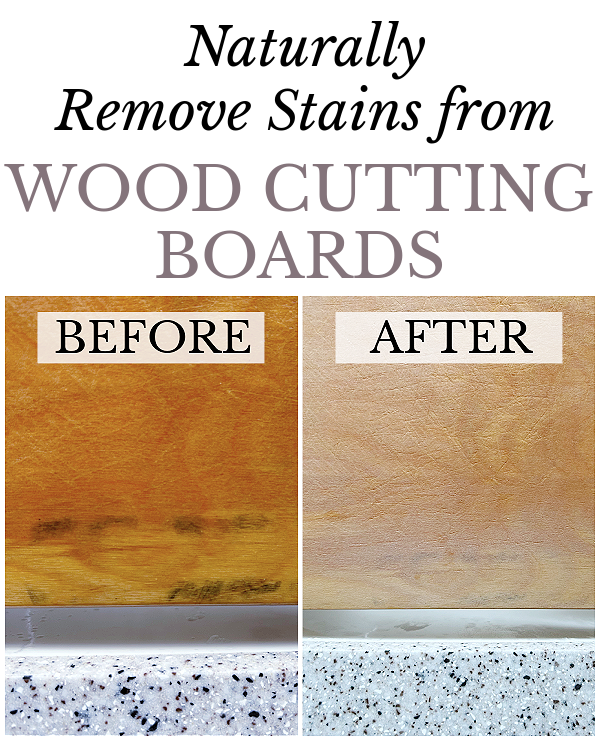
Credit: www.lemonslavenderandlaundry.com
Tips For Different Types Of Cutting Boards
Cutting boards need regular cleaning to stay safe and fresh. Different materials require different care. Use natural ways to sanitize your boards.
Learn how to clean wooden, plastic, bamboo, and glass boards with simple, natural tips.
Wooden Boards
Wooden boards are gentle on knives but need careful cleaning. Avoid soaking them in water to prevent warping.
Use lemon and salt to scrub the surface. This removes stains and kills germs naturally.
- Sprinkle coarse salt on the board
- Rub half a lemon over the salt
- Let sit for 5 minutes
- Rinse with warm water and dry well
Plastic Boards
Plastic boards can handle more water but still need good cleaning. Use vinegar to sanitize without harsh chemicals.
Spray white vinegar on the board and let it sit. Wipe with a clean cloth after a few minutes.
- Spray white vinegar over the surface
- Wait 5 to 10 minutes
- Rinse with warm water
- Dry with a clean towel
Bamboo Boards
Bamboo boards are strong and eco-friendly. They need gentle cleaning to keep their natural oils.
Use baking soda paste to clean stains. It lifts dirt without damage.
- Mix baking soda with water to make a paste
- Rub paste on the board with a sponge
- Let sit for 10 minutes
- Rinse well and dry completely
Glass Boards
Glass boards are easy to clean and do not absorb odors. Use natural disinfectants to keep them shiny.
Clean with a mix of vinegar and water. It removes germs and streaks.
- Mix equal parts vinegar and water in a spray bottle
- Spray the board surface
- Wipe with a clean cloth
- Let air dry or dry with a towel
Preventing Future Contamination
Keeping your cutting boards clean helps stop bacteria from spreading. Natural cleaning methods keep boards safe without harsh chemicals.
Preventing contamination means regular care and smart use. This helps keep your kitchen healthy and your food safe.
Regular Maintenance
Clean your cutting boards after each use. Use natural sanitizers like vinegar or lemon juice to kill germs.
Dry boards well to stop mold and bacteria growth. Sand wooden boards lightly if they get rough or stained.
- Wash with hot soapy water
- Sanitize with lemon or vinegar
- Air dry completely before storing
- Sand wooden boards if needed
Proper Storage
Store cutting boards in a dry place. Keep them upright to allow air flow and avoid moisture buildup.
Separate boards by type if possible. This helps stop bacteria moving from one food type to another.
- Use a rack to store boards vertically
- Keep boards away from damp areas
- Separate boards for meat and vegetables
Avoiding Cross-contamination
Use different boards for raw meat, cooked food, and vegetables. This stops germs from spreading between foods.
Clean boards between uses. Never place cooked food on a board that held raw meat without cleaning it first.
- Label boards for specific food types
- Wash boards thoroughly after each use
- Never reuse boards without cleaning
Benefits Of Natural Sanitization
Sanitizing cutting boards keeps them clean and safe for food use. Natural methods use ingredients from your kitchen. They avoid harsh chemicals.
Using natural sanitizers helps protect your health and the planet. It also saves money over time.
Health Advantages
Natural sanitizers reduce exposure to harmful chemicals. They use ingredients like vinegar and lemon that kill germs safely.
This lowers the risk of allergies and skin irritation. Natural methods also keep your cutting board free from bacteria.
Environmental Impact
Natural sanitizers break down quickly in the environment. They do not pollute water or soil.
Using natural products reduces plastic waste from packaging. It supports a cleaner and safer planet.
Cost-effectiveness
Natural ingredients like vinegar and lemon are cheap and easy to find. They last a long time and work well.
Using these items means fewer purchases of expensive chemical cleaners. This saves money over months and years.
Common Mistakes To Avoid
Sanitizing cutting boards naturally keeps your kitchen safe. Avoid these common mistakes to get the best results.
Simple habits help keep your cutting boards clean and free of bacteria. Learn what to watch out for.
Overlooking Drying
Leaving cutting boards wet can cause bacteria to grow. Always dry boards fully after cleaning.
- Use a clean towel or air dry in a well-ventilated area.
- Store boards upright to let air circulate.
- Never stack wet boards together.
Using Harsh Chemicals
Strong chemicals can damage your cutting boards and leave harmful residue. Choose natural cleaners instead.
| Harsh Chemical | Risk |
| Bleach | Damages wood, toxic if not rinsed well |
| Ammonia | Can irritate skin and eyes |
| Strong detergents | May leave residue and affect taste |
Neglecting Regular Cleaning
Not cleaning cutting boards often lets bacteria build up. Clean boards after each use to stay safe.
- Wash boards with hot water and mild soap.
- Use vinegar or lemon juice to kill germs naturally.
- Scrub boards with coarse salt for extra cleaning.
Frequently Asked Questions
How Can I Sanitize Cutting Boards Naturally?
You can sanitize cutting boards naturally using vinegar, lemon juice, or baking soda. These ingredients kill bacteria and remove odors effectively without chemicals.
Is Lemon Juice Effective For Cutting Board Sanitation?
Yes, lemon juice has natural antibacterial properties. It cleans, deodorizes, and brightens cutting boards safely and naturally.
Can Baking Soda Help Sanitize Cutting Boards?
Baking soda is mildly abrasive and neutralizes odors. It cleans cutting boards gently and removes stains without harsh chemicals.
How Often Should I Sanitize Cutting Boards Naturally?
Sanitize cutting boards after each use, especially when handling raw meat. Regular cleaning prevents bacterial buildup and cross-contamination.
Conclusion
Cleaning cutting boards naturally keeps your kitchen safe and fresh. Simple ingredients like vinegar and lemon kill germs without chemicals. These methods protect your health and the environment. Regular cleaning stops bacteria from spreading to your food. Natural sanitizing saves money and reduces waste.
Try these easy steps to keep your cutting boards clean. Healthy cooking starts with a clean surface. Your family will thank you for safe meals. Give natural cleaning a chance today.