

Your countertops are one of the busiest spots in your home. Every day, they come into contact with food, hands, and countless germs you can’t see.
If you want to keep your family safe and your kitchen sparkling clean, learning how to sanitize countertops daily is a must. Imagine cutting down the risk of illness with just a few simple steps you can do every day.
Keep reading, and you’ll discover easy, effective ways to make your countertops a healthier place—without spending extra time or money.
Choosing The Right Cleaner
Cleaning countertops daily keeps them safe and free from germs. Picking the right cleaner is important for effective sanitation.
Different surfaces need different cleaners. Let’s explore options for natural and chemical cleaners.
Natural Vs Chemical Options
Both natural and chemical cleaners can be effective. Natural cleaners are often safer for the environment. Chemical cleaners may be stronger against tough stains.
Consider the specific needs of your countertop. Some surfaces react better to natural options, while others require chemical strength.
- Natural options include vinegar, baking soda, and lemon juice.
- Chemical options include bleach and ammonia-based cleaners.
- Always follow the label instructions for safe use.
Safe Cleaners For Different Surfaces
Different countertop materials need different cleaners. Using the wrong cleaner can damage the surface.
Here are some safe choices for common countertop materials:
| Granite | Mild dish soap and water |
| Quartz | Non-abrasive cleaner with a soft cloth |
| Laminate | Vinegar and water solution |
| Marble | pH-neutral cleaner |

Credit: www.relaystone.com
Preparing Your Countertop
Sanitizing your countertop daily keeps your kitchen safe. It starts with proper preparation.
Cleaning the surface well helps remove germs and dirt before sanitizing.
Clearing Debris And Crumbs
First, remove all loose debris and crumbs from the countertop. Use a dry cloth or brush.
This step stops crumbs from mixing with cleaning liquids and spreading bacteria.
- Wipe surface with a dry microfiber cloth
- Use a small brush to clean corners and edges
- Discard crumbs into the trash to avoid mess
Removing Sticky Residue
Sticky spots can trap germs and block sanitizers. Use a damp cloth to clean them.
For tough residue, apply a mild soap solution and gently scrub the area.
- Dampen cloth with warm water and mild soap
- Rub sticky spots until they lift off
- Rinse cloth and wipe away soap residue
- Dry the area with a clean towel
Sanitizing Steps
Sanitizing your countertops daily keeps them clean and safe. It helps remove germs and bacteria that can cause illness.
Follow simple steps to sanitize your countertops properly. These steps ensure a thorough and effective cleaning process.
Applying The Cleaner
Start by choosing a safe, effective countertop cleaner. Spray or apply the cleaner evenly over the surface.
Make sure to cover all areas, including corners and edges. Avoid using too much cleaner to prevent residue buildup.
Letting It Sit
Allow the cleaner to sit on the countertop for a few minutes. This time helps the cleaner kill germs and bacteria.
Check the label on your cleaner for the recommended time. Usually, 3 to 5 minutes is enough for proper sanitizing.
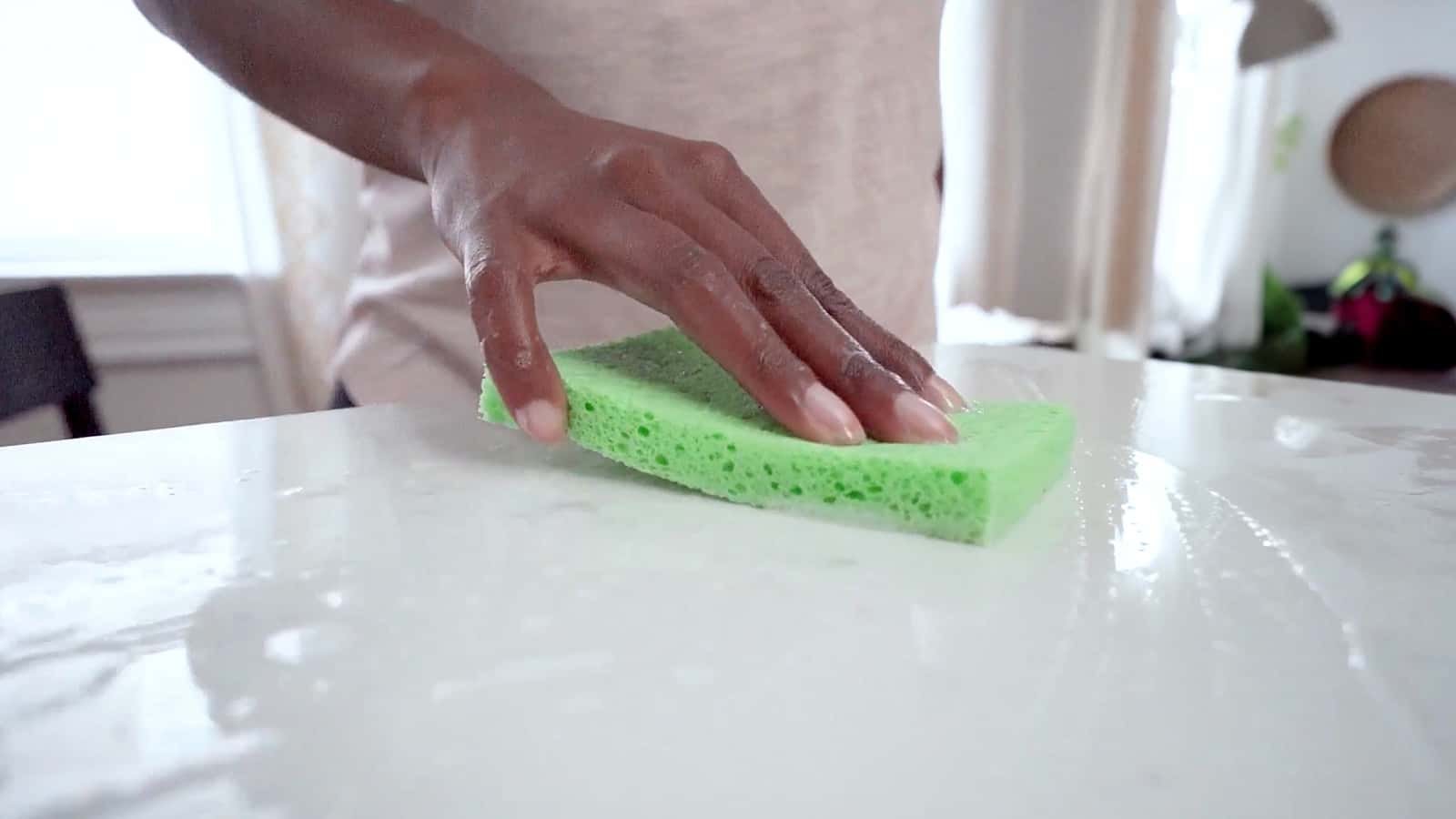
Wiping And Drying
Use a clean cloth or paper towel to wipe the cleaner off the surface. Remove all moisture to prevent streaks and spots.
Make sure the countertop is dry before placing any items back. This keeps the surface safe and ready for use.
Credit: www.pinesol.com
Tools For Effective Cleaning
Sanitizing countertops daily keeps your kitchen safe and clean. Using the right tools makes the job easier and better.
Good cleaning tools remove germs and dirt without damaging surfaces. Learn about cloths, brushes, and sponges to clean well.
Choosing The Right Cloths
Microfiber cloths work well for daily countertop cleaning. They pick up dirt and bacteria without scratching.
Use different cloths for wet and dry cleaning. This helps avoid spreading germs from one surface to another.
- Microfiber cloths dry fast and last long
- Soft cotton cloths are good for gentle wiping
- Use clean cloths daily to prevent contamination
- Color-code cloths to keep cleaning areas separate
Using Brushes And Sponges
Brushes help clean tough spots and grout lines on countertops. Choose soft-bristled brushes to avoid damage.
Sponges absorb liquid and remove stains easily. Use non-abrasive sponges to keep surfaces smooth and clean.
- Soft brushes clean corners and edges well
- Replace sponges often to stop bacteria growth
- Rinse brushes and sponges after each use
- Use sponges with a scrubber side for sticky messes
Maintaining A Germ-free Kitchen
Keeping kitchen countertops clean helps stop germs from spreading. Daily sanitizing keeps food safe and your family healthy.
Simple habits and regular cleaning make your kitchen a safer place for cooking and eating.
Daily Habits To Prevent Contamination
Wash your hands before and after cooking. Avoid touching clean surfaces with dirty hands. Use separate cutting boards for raw meat and vegetables.
Wipe down countertops every day with a disinfectant. Clean spills right away to stop bacteria growth.
- Wash hands often with soap and water
- Use different boards for meat and vegetables
- Clean spills immediately
- Disinfect countertops daily
- Avoid placing dirty items on counters
Regular Deep Cleaning Tips
Deep clean your countertops once or twice a week. Use a strong kitchen cleaner or a mix of water and vinegar. Scrub corners and edges where dirt hides.
After cleaning, dry the surface with a clean cloth. This stops moisture that helps germs grow.
- Use a kitchen cleaner or water-vinegar mix
- Scrub all surfaces, especially edges
- Rinse and dry well after cleaning
- Clean kitchen tools and cloths often

Credit: www.fynesdesigns.com
Common Mistakes To Avoid
Sanitizing countertops every day keeps your kitchen safe. Many people make simple mistakes that reduce cleaning effectiveness. Avoid these errors to keep surfaces truly clean.
Knowing what not to do helps you sanitize better. Focus on common problems like using the wrong chemicals or missing spots.
Using Harsh Chemicals Incorrectly
Strong chemicals can damage countertops if used wrong. Some cleaners are too harsh for certain surfaces. This causes stains or dull finishes.
Mixing chemicals is risky and can create toxic fumes. Always read labels and follow instructions carefully. Use gentle cleaners for delicate materials like wood or stone.
- Do not mix bleach with ammonia or vinegar
- Test cleaners on a small hidden area first
- Use products made for your countertop type
- Wear gloves to protect your skin
Ignoring Hard-to-reach Areas
Sanitizing only the visible parts leaves germs behind. Dirt and bacteria hide in corners, edges, and under appliances. These spots often get missed.
Take time to clean tight spaces daily. Use small brushes or cloths to reach these areas. This keeps your whole countertop safe and clean.
- Clean behind and under small appliances
- Wipe edges and seams carefully
- Use a toothbrush for corners and crevices
- Lift removable parts to sanitize underneath
Frequently Asked Questions
How Often Should I Sanitize My Countertops Daily?
Sanitize your countertops at least once daily. High-touch areas need frequent cleaning to reduce germs. This habit keeps your kitchen hygienic and safe.
What Is The Best Sanitizer For Kitchen Countertops?
Use a disinfectant with at least 70% alcohol or a bleach solution. Avoid harsh chemicals on delicate surfaces. Always follow product instructions for safe and effective use.
Can I Use Natural Products To Sanitize Countertops?
Yes, natural options like vinegar and hydrogen peroxide work well. They kill many bacteria and are safe for most surfaces. However, avoid using vinegar on stone countertops to prevent damage.
Should I Clean Before Sanitizing Countertops?
Always clean countertops with soap and water before sanitizing. Dirt and grime can reduce sanitizer effectiveness. Cleaning first ensures better germ removal and a safer surface.
Conclusion
Sanitizing countertops daily keeps your kitchen safe and clean. It removes germs that can cause sickness. Use simple steps with common cleaners to save time. Clean surfaces help protect your family’s health. Small habits make a big difference every day.
Stay consistent and your counters will shine. Healthy kitchens start with daily care and attention. Keep your home fresh and worry-free with easy cleaning. A clean countertop means a safer place to cook and eat.