

Keeping your countertops clean every day might seem simple, but it’s easier said than done. You touch them constantly—while cooking, eating, or even just passing by.
That means germs and bacteria build up quickly, putting your health at risk. What if you could make sanitizing your countertops a quick, easy habit that fits perfectly into your daily routine? You’ll discover simple, effective ways to keep your surfaces spotless and safe.
Stick with me, and you’ll never worry about harmful germs on your counters again.
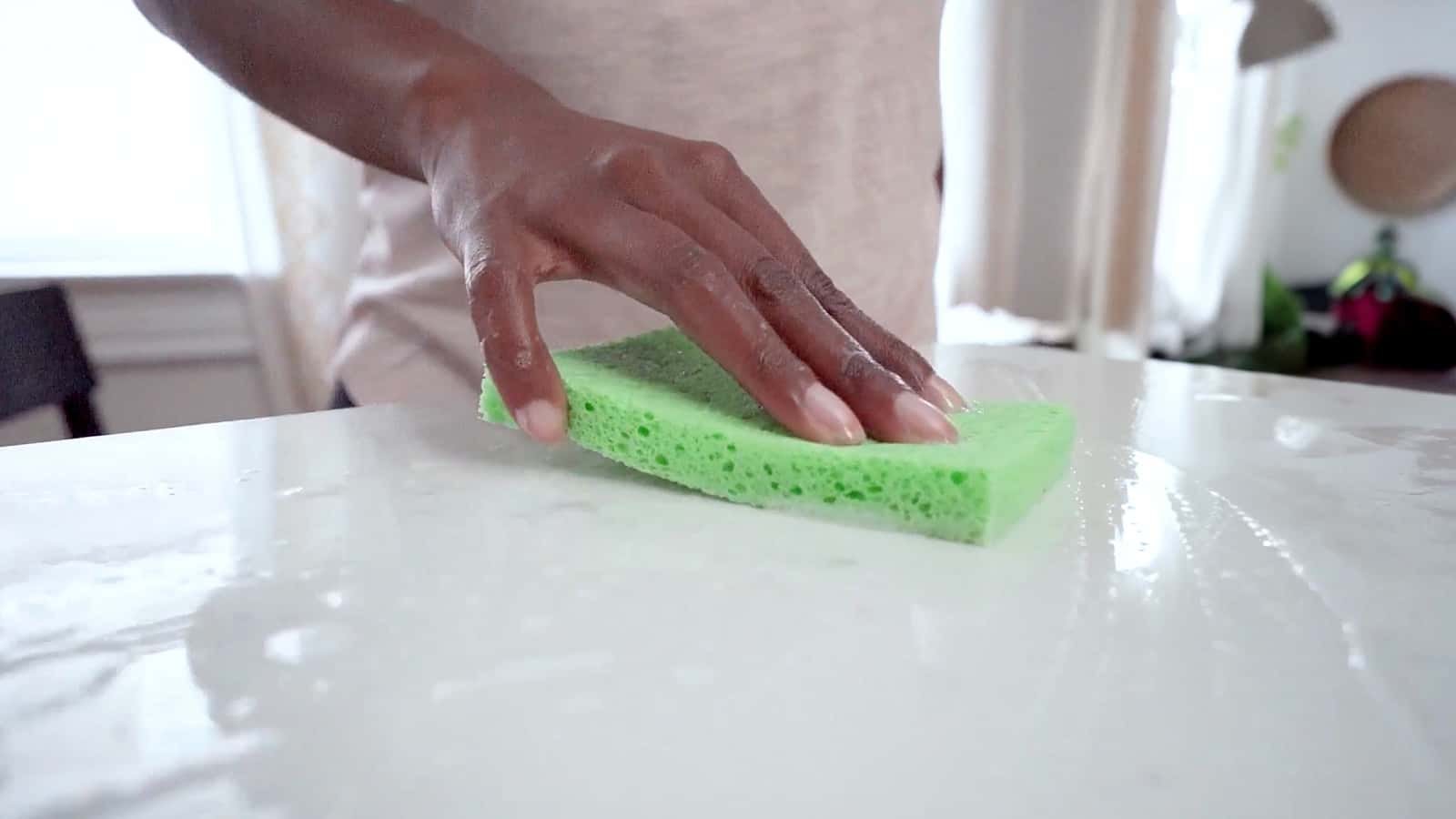
Credit: www.pinesol.com
Importance Of Daily Sanitization
Sanitizing countertops every day helps keep your kitchen clean and safe. Germs and bacteria can build up quickly on surfaces.
Daily cleaning stops the spread of harmful germs that cause illness. It also keeps your home smelling fresh and looking neat.
Reduces Risk Of Illness
Countertops often hold food scraps and spills. These spots can grow bacteria that make people sick. Cleaning daily lowers this risk.
Prevents Cross-contamination
Cross-contamination happens when germs spread from one surface to another. Sanitizing stops germs from moving between raw and cooked foods.
- Wash hands before cleaning
- Use a disinfectant cleaner
- Wipe all surfaces thoroughly
- Let the surface air dry
Maintains Appearance And Longevity
Regular sanitizing prevents stains and damage on your countertops. It helps surfaces last longer and look new.
| Surface Type | Recommended Cleaner | Sanitizing Frequency |
| Granite | Mild dish soap and water | Daily |
| Laminate | Disinfectant wipes | Daily |
| Wood | Vinegar solution | Daily |

Credit: www.fynesdesigns.com
Choosing The Right Cleaning Supplies
Cleaning your countertops daily keeps your kitchen safe and fresh. Picking the right cleaning supplies helps you remove germs and dirt well.
Not all cleaners are safe for every surface. Some can damage your countertops or leave harmful chemicals behind.
Eco-friendly Options
Eco-friendly cleaning products use natural ingredients. They reduce pollution and keep your home safer for children and pets.
- Use vinegar mixed with water for a gentle cleaner.
- Baking soda can scrub tough stains without harsh chemicals.
- Castile soap is a plant-based soap that cleans well.
- Essential oils like tea tree or lemon add natural disinfecting power.
Effective Disinfectants
Choose disinfectants that kill germs quickly and safely. Read labels to ensure they are approved for kitchen use.
| Disinfectant Type | How to Use | Surface Safety |
| Hydrogen Peroxide | Spray and let sit for 1 minute | Safe for most countertops |
| Isopropyl Alcohol (70%) | Wipe and air dry | Avoid on natural stone |
| Bleach Solution (1:10) | Apply briefly then rinse | Use on non-porous surfaces only |
Preparing The Countertop
Keeping your countertop clean helps stop germs from spreading. Preparing it right makes sanitizing easier and more effective.
Start by making sure the countertop is ready for cleaning. This means clearing any items and removing loose dirt or crumbs.
Clearing The Surface
Remove all objects like dishes, utensils, and small appliances from the countertop. This gives you full access to clean every spot.
- Take off plates, cups, and food containers
- Move kitchen tools and gadgets to a safe place
- Clear away any paper or packaging
- Make sure the whole surface is empty and free
Removing Debris
After clearing, check for crumbs, dust, or spills. Removing these helps the sanitizer work better on the surface.
| Type of Debris | Method to Remove |
|---|---|
| Crumbs | Use a dry cloth or small brush to sweep them off |
| Dust | Wipe with a damp microfiber cloth |
| Spills | Clean with a mild soap and water solution |

Credit: www.relaystone.com
Proper Sanitizing Technique
Sanitizing countertops daily keeps your kitchen clean and safe. It removes germs and stops bacteria from spreading.
Using the right technique helps sanitize surfaces effectively. This guide explains how to do it well.
Wiping Vs. Scrubbing
Wiping removes dirt and spills quickly. It is good for light cleaning and daily use.
Scrubbing cleans deeper and removes stuck-on grime. Use scrubbing when the surface is very dirty.
- Wiping uses a cloth or paper towel with sanitizer.
- Scrubbing uses a brush or sponge with gentle pressure.
- Wiping is faster but may miss tough spots.
- Scrubbing takes more time but cleans better.
Ensuring Complete Coverage
Cover every part of the countertop to kill all germs. Missed spots can let bacteria grow again.
Use enough sanitizer and spread it evenly. Pay attention to corners and edges where dirt hides.
- Apply sanitizer across the entire surface.
- Use a clean cloth or sponge for even coverage.
- Let sanitizer sit for the time on the label.
- Dry with a clean towel or air dry.
Special Considerations For Different Materials
Daily cleaning of countertops is important to keep kitchens safe and tidy. Different materials need different care to stay in good shape.
Using the right cleaning method helps prevent damage. Learn how to sanitize granite, stone, and wooden countertops properly.
Granite And Stone Care
Granite and stone countertops are strong but need gentle cleaning. Avoid harsh chemicals that can dull their shine or cause stains.
Use a mild dish soap mixed with warm water for daily cleaning. Always wipe with a soft cloth to protect the surface.
- Do not use acidic cleaners like vinegar or lemon juice.
- Dry the surface after cleaning to avoid water spots.
- Seal granite countertops every 6 to 12 months to keep them protected.
Wooden Countertops
Wooden countertops need special care to avoid warping and staining. Use gentle cleaners and avoid soaking the wood.
Clean daily with a mixture of mild soap and water. Wipe dry right away to keep wood in good condition.
- Do not use bleach or strong chemicals on wood.
- Apply food-safe oil regularly to keep wood moisturized.
- Avoid letting water sit on the surface for a long time.
Drying And Final Touches
After cleaning your countertops, drying is key to keep them spotless. Proper drying stops water spots and germs from staying behind.
Final touches make your countertops shine and look fresh every day. Pay attention to drying and polishing for best results.
Avoiding Streaks
Streaks make countertops look dirty even after cleaning. Use gentle wiping motions to avoid them.
Dry surfaces quickly to stop streaks from forming. Letting water air dry can leave marks.
- Wipe in one direction
- Use a clean, dry cloth
- Avoid over-wetting the surface
- Buff gently after drying
Using Microfiber Cloths
Microfiber cloths are great for drying and polishing countertops. They absorb water well and reduce streaks.
These cloths are soft and won’t scratch surfaces. Use a fresh cloth daily for the best clean.
- Choose lint-free microfiber cloths
- Wash cloths without fabric softener
- Use separate cloths for drying and polishing
- Replace cloths when worn out
Maintaining A Germ-free Environment
Keeping countertops clean every day helps stop germs from spreading. This is important for health and safety in your home.
Simple habits and regular checks can keep your kitchen surfaces safe and fresh.
Regular Maintenance Tips
Sanitize your countertops with safe cleaning products daily. Use disinfectant sprays or wipes that kill germs effectively.
- Clear the surface of crumbs and spills first.
- Apply disinfectant and let it sit for the time on the label.
- Wipe down with a clean cloth or paper towel.
- Clean your cleaning tools often to avoid recontamination.
- Allow the surface to air dry for best results.
Signs Of Wear And Tear
Damaged countertops can hide germs and be hard to clean. Watch for cracks, chips, and worn spots.
| Damage Type | Effect on Cleaning | Action Needed |
| Cracks | Trap dirt and bacteria | Fill or replace surface |
| Chips | Create rough spots | Smooth or repair area |
| Worn Finish | Reduce disinfectant effectiveness | Refinish or seal surface |
Frequently Asked Questions
How Often Should You Sanitize Countertops Daily?
Sanitize countertops at least once daily to kill germs and bacteria. For high-use areas, sanitize more frequently to maintain cleanliness and safety.
What Is The Best Sanitizer For Kitchen Countertops?
Use a disinfectant spray or a solution of diluted bleach and water. Ensure the product is safe for your countertop material to avoid damage.
Can Natural Products Effectively Sanitize Countertops?
Yes, natural options like vinegar or hydrogen peroxide can sanitize surfaces. However, they may be less effective against certain bacteria compared to commercial disinfectants.
Should Countertops Be Cleaned Before Sanitizing?
Always clean countertops to remove dirt and debris before sanitizing. Sanitizers work best on clean surfaces for effective germ elimination.
Conclusion
Sanitizing countertops daily keeps your kitchen safe and clean. It helps stop germs from spreading. Use simple cleaning tools and safe products each day. Wipe surfaces after cooking or handling food. Small habits make a big difference in hygiene. Clean counters also look neat and fresh.
Make this a quick, regular part of your routine. Your health and home will thank you for it. Stay consistent and enjoy a safer kitchen space.