
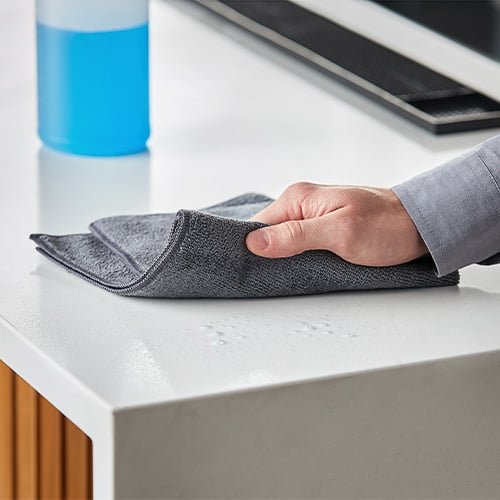
You’ve just finished preparing meat, and now your countertops might be a hotspot for harmful bacteria. If you don’t sanitize them properly, you could be putting your family’s health at risk without even realizing it.
But don’t worry—cleaning up doesn’t have to be complicated or time-consuming. You’ll learn simple, effective steps to sanitize your countertops safely and thoroughly. Keep reading to protect your kitchen and keep your meals safe every time.
Importance Of Sanitizing Countertops
Sanitizing countertops after preparing meat is very important. It helps stop the spread of harmful bacteria.
Meat can carry germs that cause food poisoning. Cleaning counters well keeps your kitchen safe.
Preventing Cross-contamination
Sanitizing prevents germs from spreading to other foods. Raw meat juices can carry harmful bacteria.
These bacteria can cause illness if they touch ready-to-eat foods. Cleaning stops this risk.
Keeping Your Family Healthy
Dirty countertops can make your family sick. Germs from meat cause stomach problems and infections.
Sanitizing surfaces helps protect children and adults from foodborne illnesses.
Maintaining Kitchen Cleanliness
Cleaning counters keeps your kitchen tidy and fresh. It removes food residue and bad smells.
Regular sanitizing also helps stop mold and bacteria growth on surfaces.

Credit: unitedgranitepa.com
Essential Cleaning Supplies
Cleaning countertops after preparing meat is important to stop germs. Using the right supplies keeps your kitchen safe.
Choose strong cleaning products, clean cloths, and safety gloves. These tools help remove bacteria and keep you safe.
Choosing The Right Disinfectant
Pick a disinfectant that kills bacteria and viruses. Look for one safe for kitchen surfaces.
Check the label to find if it works on meat juices and tough stains. Follow the instructions for best results.
- Use bleach solutions or commercial kitchen disinfectants
- Ensure it is safe for food contact surfaces
- Allow disinfectant to sit for the time shown on label
- Rinse well if needed to avoid chemical residue
Importance Of Cleaning Cloths
Use clean cloths to wipe countertops. Dirty cloths can spread germs instead of removing them.
Change cloths often, especially after cleaning raw meat areas. Use cloths made for kitchen cleaning.
- Microfiber cloths trap dirt and bacteria well
- Use disposable paper towels if needed
- Wash reusable cloths in hot water after use
- Keep cloths separate for different kitchen tasks
Use Of Gloves For Safety
Wear gloves to protect your hands from germs and chemicals. Gloves reduce the chance of cross-contamination.
Choose gloves that fit well and are easy to change. Throw away gloves after cleaning raw meat messes.
- Use disposable gloves like latex or nitrile
- Change gloves if they get torn or dirty
- Never touch clean items with dirty gloves
- Wash hands after removing gloves
Step-by-step Sanitization Process
Sanitizing countertops after preparing meat is important to stop bacteria from spreading. Follow simple steps to keep your kitchen safe and clean.
This guide shows you how to clean, disinfect, rinse, and dry your countertops properly.
Pre-cleaning The Surface
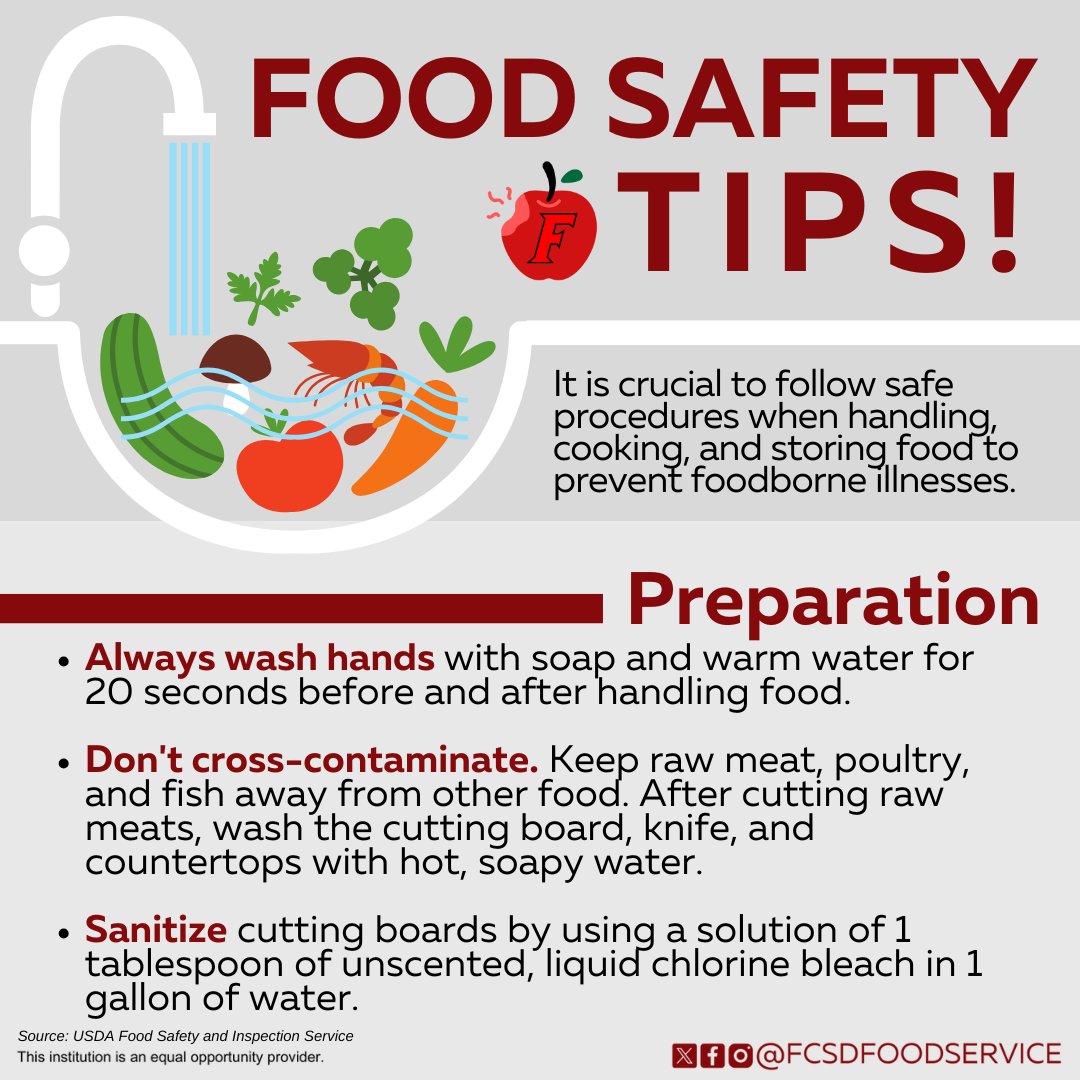
Remove all food scraps and debris from the countertop. Use warm water and soap to wash the surface well before disinfecting.
Wiping the area first helps the disinfectant work better and reach all spots.
- Clear off leftover meat or juices
- Use a clean cloth or sponge with soap
- Rinse with warm water
- Dry with a clean towel
Applying Disinfectant Properly
Choose a safe disinfectant for kitchen use. Spray or apply it evenly over the countertop surface.
Let the disinfectant sit for the time recommended on the label. This ensures it kills bacteria effectively.
- Use food-safe disinfectants
- Cover the whole surface evenly
- Follow the contact time on the label
- Do not wipe off too soon
Rinsing And Drying Techniques
After disinfecting, rinse the countertop with clean water to remove chemical residues. This keeps your surface safe for food.
Dry the area with a clean towel or let it air dry fully before using it again.
- Use clean water for rinsing
- Wipe with a fresh cloth or paper towel
- Let it air dry if possible
- Ensure no moisture remains to prevent germs
Credit: x.com
Tips For Different Countertop Materials
Sanitizing countertops after preparing meat is important to stop germs. Different materials need different cleaning ways.
Using the right cleaner keeps your countertop safe and in good shape. Learn how to clean granite, wood, marble, and quartz.
Sanitizing Granite
Granite is strong but needs gentle cleaning. Avoid harsh chemicals that can damage the surface.
Use a mix of mild dish soap and warm water. Wipe the surface with a soft cloth. Then, spray a disinfectant safe for stone.
- Clean spills quickly to avoid stains
- Use a soft cloth or sponge
- Do not use vinegar or bleach
- Seal granite regularly to protect it
Cleaning Wooden Surfaces
Wood can absorb liquids and germs. Clean it carefully to avoid damage and bacteria growth.
Wash wood with mild soap and warm water. Do not soak it. Dry it well after cleaning.
- Use a gentle antibacterial cleaner made for wood
- Avoid harsh chemicals and soaking
- Oil wood surfaces regularly to keep them sealed
- Use separate cutting boards for meat
Handling Marble And Quartz
Marble and quartz are delicate. Use cleaners that do not harm their finish.
Wipe with warm water and mild soap. For marble, avoid acidic cleaners. For quartz, use non-abrasive products.
- Use a soft cloth to clean
- Do not use vinegar, lemon, or bleach on marble
- Use quartz-safe disinfectants
- Dry the surface after cleaning
Common Mistakes To Avoid
Cleaning countertops after preparing meat is very important to stop germs. Many people make simple errors that can spread bacteria.
Knowing what to avoid helps keep your kitchen safe and clean. Here are common mistakes people make when sanitizing countertops.
Not Cleaning Before Sanitizing
Some skip wiping away meat juices before using sanitizer. Dirt and food bits stop disinfectants from working well.
Always wash the countertop with soap and water first. This removes dirt and makes sanitizer effective.
Using The Wrong Sanitizer
Not all cleaners kill harmful germs from raw meat. Household cleaners may not be strong enough to sanitize properly.
Use sanitizers made for kitchen surfaces. Check labels to ensure they kill bacteria like Salmonella and E. coli.
Skipping The Contact Time
Sanitizers need time to work. Wiping them off too soon leaves germs alive on the countertop.
Read instructions and let the sanitizer sit for the recommended time before wiping it off.
Using A Dirty Cloth Or Sponge
Cleaning with a dirty cloth spreads germs instead of removing them. Cloths and sponges hold bacteria if not cleaned well.
Use a clean cloth or disposable paper towel for sanitizing. Wash cloths often in hot water.
Not Sanitizing All Areas
People often miss edges, corners, and under appliances. Germs can hide in these spots and spread later.
Make sure to clean every part of the countertop surface thoroughly after preparing meat.
Maintaining A Clean Kitchen Environment
Cleaning countertops after preparing meat keeps your kitchen safe. It stops germs from spreading to other foods.
Sanitizing surfaces protects your family from harmful bacteria. A clean kitchen helps prevent foodborne illnesses.
Regular Cleaning Habits
Clean countertops right after using them for raw meat. Use hot, soapy water first to remove dirt and juices.
After washing, apply a kitchen sanitizer to kill bacteria. Let the surface air dry before placing food on it again.
- Wash with soap and hot water
- Use a sanitizer approved for kitchens
- Air dry or use a clean towel
- Clean cloths or sponges often
Storage Of Cleaning Supplies
Keep cleaning supplies in a safe, dry place away from food. Store chemicals out of reach of children and pets.
Label bottles clearly to avoid confusion. Check expiration dates and replace old products on time.
- Store cleaners in a locked cabinet
- Separate from food storage areas
- Keep labels visible and readable
- Dispose of expired products properly
Educating Family Members
Teach everyone in your home about safe kitchen cleaning. Show the right way to sanitize after handling meat.
Remind family members to wash hands and use clean cloths. This helps keep the whole kitchen clean and healthy.
- Explain why sanitizing is important
- Demonstrate proper cleaning steps
- Encourage hand washing before and after food prep
- Assign cleaning tasks to family members

Credit: unitedgranitepa.com
Frequently Asked Questions
How Do I Properly Sanitize Countertops After Meat Preparation?
To sanitize countertops, first clean with soap and water. Then, apply a disinfectant like diluted bleach or a commercial sanitizer. Let it sit for a few minutes before wiping dry. This kills bacteria and prevents cross-contamination from raw meat.
What Is The Best Sanitizer For Kitchen Countertops?
A bleach solution made with one tablespoon of bleach per gallon of water works best. You can also use commercial kitchen sanitizers labeled safe for food surfaces. Avoid harsh chemicals that might damage countertops or leave harmful residues.
How Long Should Sanitizer Stay On Countertops?
Sanitizers should remain on countertops for at least 1 to 5 minutes. This contact time ensures effective killing of bacteria from raw meat. Afterward, wipe the surface with a clean cloth or paper towel to remove any residue.
Can I Use Vinegar To Sanitize Meat Prep Areas?
Vinegar has some antibacterial properties but is not a reliable sanitizer. It’s best to use bleach solutions or commercial sanitizers approved for food surfaces to properly sanitize countertops and avoid foodborne illnesses.
Conclusion
Sanitizing countertops after preparing meat helps keep your kitchen safe. Clean with warm, soapy water first. Then, use a proper sanitizer to kill bacteria. Dry the surface well to avoid germs growing. Always wash your hands after handling raw meat.
This simple routine reduces the risk of foodborne illness. Keep your kitchen clean and healthy every time you cook. Safe habits protect you and your family from sickness. It only takes a few minutes but makes a big difference. Stay careful, stay safe!