
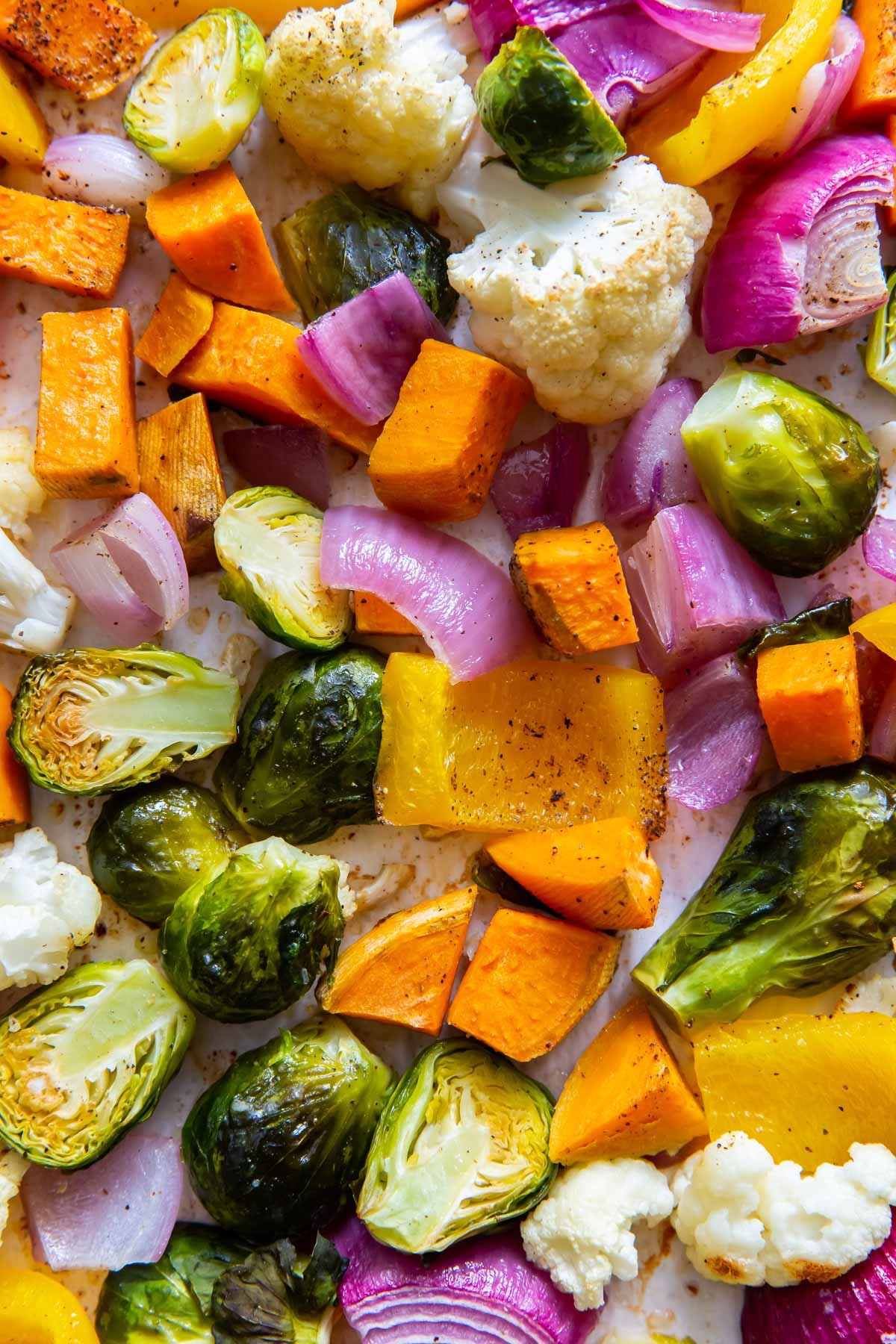
You want your roasted vegetables to be bursting with flavor, not bland or soggy. But how do you get that perfect crispy outside and tender inside without losing the natural taste?
If you’ve ever struggled with dull, overcooked veggies, you’re not alone. The good news is, with a few simple tips and tricks, you can transform your roasting game and make every bite delicious. Keep reading, and you’ll discover how to roast vegetables without losing their flavor—so your meals are always something to look forward to.

Credit: dailydish.co.uk
Choosing The Right Vegetables
Picking the right vegetables is key to roasting that keeps their flavor. Fresh and firm vegetables roast better and taste great.
Some vegetables need less time than others. This affects how you mix them for even cooking and great taste.
Seasonal Selection
Seasonal vegetables are fresher and have more flavor. They also cost less and support local farmers.
Look for vegetables that grow well in your current season. This helps you enjoy the best taste and texture.
- Spring: asparagus, peas, radishes
- Summer: zucchini, bell peppers, tomatoes
- Fall: carrots, Brussels sprouts, sweet potatoes
- Winter: cauliflower, turnips, parsnips
Balancing Colors And Textures
Mixing colors makes your dish look nice and inviting. Bright colors also mean more vitamins and nutrients.
Combine different textures for a better eating experience. Soft and crunchy vegetables together add interest.
- Combine soft (like zucchini) with firm (like carrots) vegetables
- Use bright colors like red peppers and orange carrots
- Mix smooth vegetables with those that have rough skin
Preparation Techniques
Roasting vegetables brings out their natural sweetness and flavor. Proper preparation helps keep these flavors strong. Clean and cut the vegetables well for even cooking and great taste.
Careful washing and cutting make a big difference. These simple steps ensure your roasted vegetables taste fresh and delicious.
Proper Washing And Peeling
Start by rinsing vegetables under cold water to remove dirt and debris. Use a soft brush for root vegetables like carrots or potatoes. Peeling depends on the vegetable and your preference. Sometimes leaving the skin on adds texture and nutrients.
- Rinse vegetables thoroughly under cold running water.
- Use a vegetable brush for tougher skins.
- Peel only if the skin is tough or bitter.
- Dry vegetables with a clean towel before roasting.
Cutting For Even Cooking
Cut vegetables into pieces of similar size. This helps them cook evenly and prevents some pieces from burning while others remain raw. Hard vegetables need smaller pieces to roast well.
| Vegetable | Suggested Size for Roasting |
|---|---|
| Carrots | 1-inch thick sticks or rounds |
| Potatoes | 1-inch cubes |
| Broccoli | Florets about 2 inches |
| Bell Peppers | 1-inch strips |
Mastering The Seasoning
Roasting vegetables brings out their natural sweetness. Using the right seasoning keeps their flavor strong. You can make your dish taste richer with simple herbs and spices.
Seasoning well means balancing flavors so no single taste overpowers the others. This guide helps you use herbs, spices, salt, and pepper to boost roasted vegetables.
Using Herbs And Spices
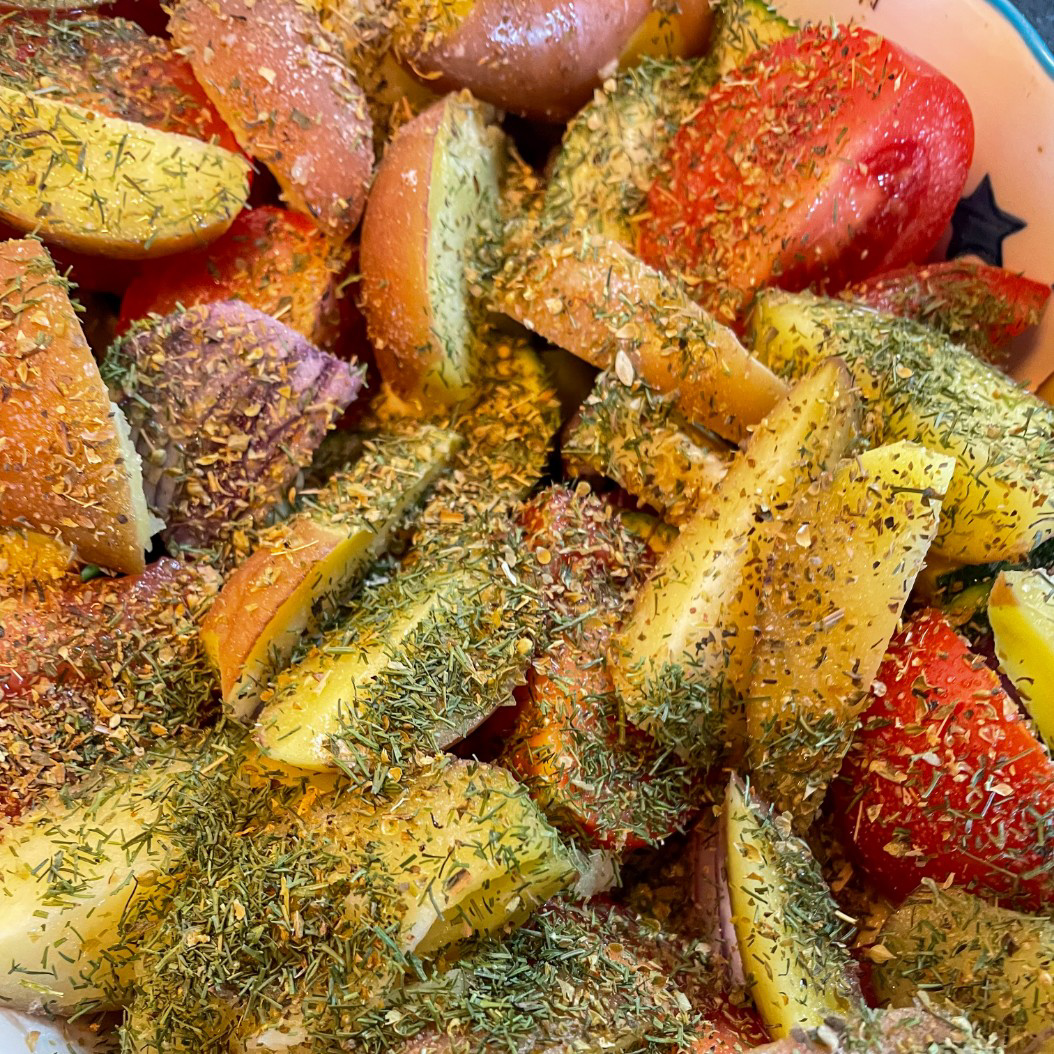
Herbs and spices add layers of flavor to roasted vegetables. Fresh herbs give a bright taste, while dried spices add warmth. Choose herbs and spices that match the vegetable’s natural flavor.
- Use rosemary or thyme with potatoes and carrots for earthiness.
- Add smoked paprika or cumin to sweet potatoes for a warm, smoky note.
- Sprinkle oregano or basil on zucchini or bell peppers for a fresh twist.
- Try garlic powder or onion flakes for a mild savory taste.
- Finish with chopped fresh parsley or cilantro for color and brightness.
Balancing Salt And Pepper
Salt enhances the natural sweetness of roasted vegetables. Pepper adds a mild heat and depth. Use both carefully to avoid overpowering the dish.
| Seasoning | Purpose | Tips |
| Salt | Brings out sweetness and natural flavor | Use kosher salt for even coverage |
| Black Pepper | Adds warmth and slight heat | Grind fresh for best flavor |
| Sea Salt | Provides a subtle crunch and mineral taste | Sprinkle after roasting for texture |
| White Pepper | Gives mild heat without black specks | Good for light-colored vegetables |
Credit: justsimplerecipes.co.uk
Selecting The Right Oil
Choosing the right oil helps keep vegetables tasty after roasting. Oils add moisture and bring out natural flavors.
Some oils handle heat better and keep their flavor. Others add unique tastes that make roasted veggies special.
Choosing High-heat Oils
High-heat oils do not burn easily. They keep the flavor of vegetables pure and clean. Use these oils for roasting.
- Avocado oil: has a high smoke point and mild taste
- Grapeseed oil: light flavor and good for high heat
- Refined olive oil: better for roasting than extra virgin
- Sunflower oil: neutral flavor and high smoke point
- Peanut oil: strong heat resistance but can add flavor
Infusing Oils For Extra Flavor
Adding herbs or spices to oil gives vegetables a new taste. Infused oils make your roast exciting without losing heat safety.
| Herb or Spice | Flavor Added | How to Infuse |
| Rosemary | Earthy and pine-like | Warm oil with rosemary for 10 minutes |
| Garlic | Strong and savory | Crush garlic, soak in oil overnight |
| Chili flakes | Spicy and hot | Heat oil with chili flakes for 5 minutes |
| Lemon zest | Fresh and citrus | Steep zest in oil at room temperature |
Optimal Roasting Temperature
Roasting vegetables brings out their natural sweetness and flavor. Picking the right temperature helps keep the taste strong and the texture perfect.
Too low heat makes vegetables soggy. Too high heat can burn them. Finding the right temperature is key to great roasted veggies.
Finding The Perfect Heat
The best roasting temperature is usually between 400°F and 450°F (200°C to 230°C). This range cooks vegetables evenly and keeps them crispy outside.
At this heat, vegetables caramelize nicely. This brings out more flavor without drying them out or burning.
- 400°F is good for delicate veggies like zucchini
- 425°F works well for most root vegetables
- 450°F is best for firmer veggies like potatoes
Adjusting For Different Vegetables
Vegetables need different temperatures and times to roast well. Softer vegetables need less heat or shorter cooking time.
Harder vegetables need higher heat and longer roasting to become tender and flavorful.
| Vegetable | Temperature (°F) | Roasting Time |
|---|---|---|
| Asparagus | 400 | 10-15 minutes |
| Carrots | 425 | 25-30 minutes |
| Broccoli | 425 | 20-25 minutes |
| Potatoes | 450 | 30-40 minutes |
| Bell Peppers | 400 | 20-25 minutes |
Timing And Turning
Roasting vegetables brings out their natural sweetness and flavor. Timing and turning are key to keep the taste strong.
Knowing when to stir and rotate your vegetables helps cook them evenly and prevents burning.
Achieving Even Roasting
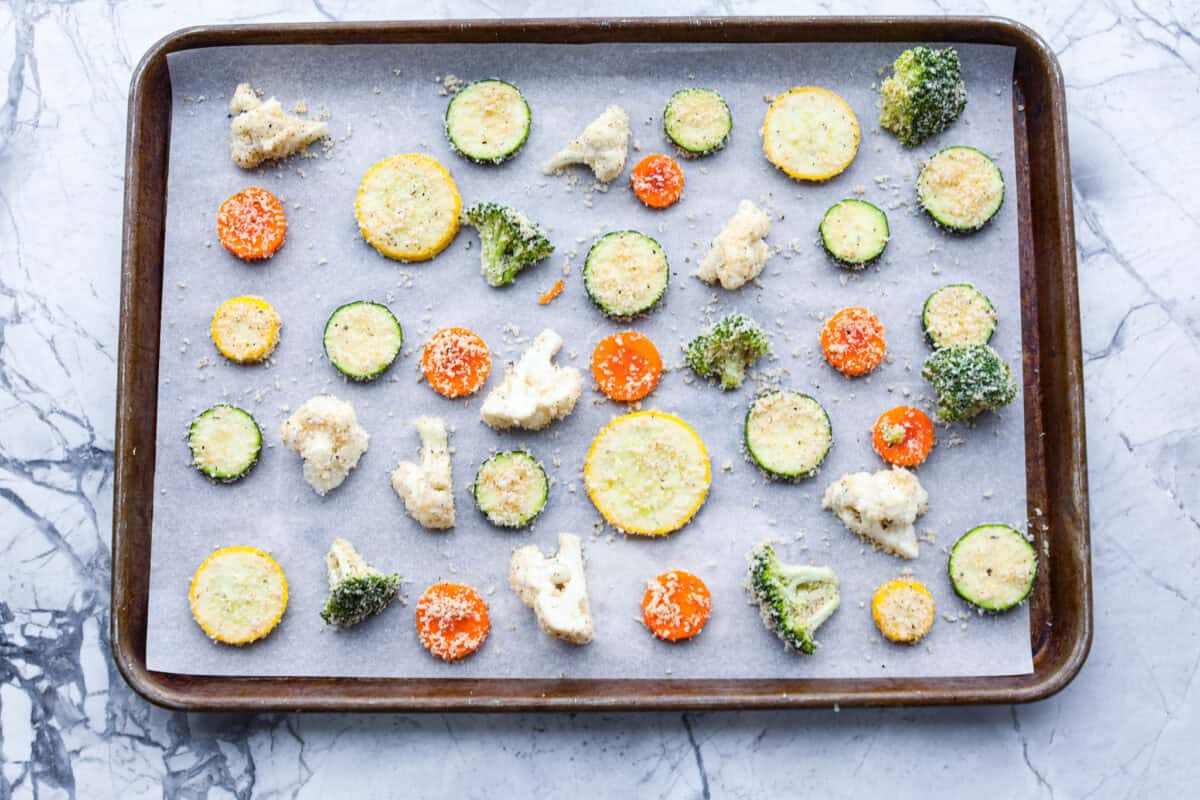
To roast vegetables evenly, spread them in a single layer on the baking sheet. Avoid crowding so hot air can circulate well.
- Use a large baking tray
- Cut vegetables into similar sizes
- Keep space between pieces
- Choose the right oven temperature
When To Stir And Rotate
Stir and rotate vegetables about halfway through cooking. This helps them brown evenly and keep their flavor.
| Cooking Time | When to Stir |
| 20-25 minutes | At 10-12 minutes |
| 30-35 minutes | At 15-18 minutes |
| 40-45 minutes | At 20-23 minutes |
Enhancing Flavor After Roasting
Roasting vegetables brings out their natural sweetness and texture. To keep their flavor bright, you can add fresh touches after cooking. This helps keep the taste lively and fresh.
Adding herbs or a splash of acid can lift the flavor and make your dish more enjoyable. Small changes after roasting make a big difference.
Adding Fresh Herbs
Fresh herbs add color and a burst of flavor after roasting. They give vegetables a fresh, green taste that contrasts nicely with the caramelized notes.
- Chop parsley, cilantro, or basil finely and sprinkle over warm vegetables.
- Tear mint or oregano leaves and scatter them on top.
- Add chives or green onions for a mild onion flavor and crunch.
- Mix fresh herbs with a little olive oil and toss with the vegetables.
Using Citrus And Vinegar
Citrus juices and vinegars add acidity that brightens roasted vegetables. This helps balance their sweetness and brings out deeper flavors.
| Type | Best Use | Flavor Notes |
| Lemon Juice | Sprinkle before serving | Fresh, tangy, bright |
| Orange Zest | Add with herbs | Sweet, citrusy, fragrant |
| Balsamic Vinegar | Drizzle lightly | Rich, sweet, tangy |
| Apple Cider Vinegar | Mix into dressings | Sharp, fruity, mild |
Common Mistakes To Avoid
Roasting vegetables brings out their natural flavors. Some common mistakes reduce taste and texture. Avoid these to enjoy better results.
Two frequent errors are overcrowding the pan and skipping the preheat. Each affects how vegetables cook and taste.
Overcrowding The Pan
Putting too many vegetables in one pan causes steaming, not roasting. This makes them soft and bland.
- Use a large pan or roast in batches.
- Leave space between vegetables for air flow.
- Toss vegetables halfway through cooking for even browning.
- Choose similar sized pieces for uniform cooking.
Skipping The Preheat
Not heating the oven before roasting lowers temperature. This causes uneven cooking and dull flavor.
| Effect | Skipping Preheat | Preheating Oven |
|---|---|---|
| Cooking Time | Longer and uneven | Consistent and accurate |
| Texture | Soggy or limp | Crisp and tender |
| Flavor | Less caramelization | Rich and roasted |
Innovative Serving Suggestions
Roasted vegetables can add rich flavors to many dishes. Serving them creatively keeps meals exciting.
Try new ways to combine roasted vegetables with other foods. This brings out their best taste.
Pairing With Proteins
Roasted vegetables pair well with many proteins. They add texture and balance to your plate.
- Serve roasted carrots and parsnips with roasted chicken for a classic combo.
- Top grilled steak with a mix of roasted peppers and onions for extra sweetness.
- Add roasted broccoli and cauliflower to baked salmon for a healthy meal.
- Mix roasted zucchini and eggplant with chickpeas for a vegetarian protein boost.
- Use roasted sweet potatoes as a side to pork chops for a tasty contrast.
Creating Flavorful Salads
Roasted vegetables make salads more filling and flavorful. Warm or cold, they add depth.
| Salad Type | Roasted Vegetables | Suggested Dressing |
| Green Salad | Roasted cherry tomatoes, asparagus | Lemon vinaigrette |
| Grain Salad | Roasted sweet potatoes, red onions | Balsamic dressing |
| Bean Salad | Roasted bell peppers, zucchini | Herb yogurt sauce |
| Mixed Salad | Roasted carrots, beets, broccoli | Honey mustard |
Credit: therecipecritic.com
Frequently Asked Questions
How Do I Prevent Vegetables From Drying Out When Roasting?
To prevent drying, toss vegetables in oil before roasting. Use enough oil to coat evenly. Roast at moderate temperatures to retain moisture and flavor.
What Temperature Is Best For Roasting Vegetables?
Roast vegetables at 400°F to 425°F (200°C to 220°C). This range caramelizes veggies while preserving flavor and texture. Adjust time based on vegetable size.
Should I Season Vegetables Before Or After Roasting?
Season vegetables before roasting for better flavor absorption. Use salt, pepper, and herbs to enhance taste. Seasoning after can be less effective.
How Can I Keep Roasted Vegetables Crispy?
Use high heat and avoid overcrowding the pan. Spread veggies in a single layer. This prevents steaming and keeps edges crispy.
Conclusion
Roasting vegetables brings out their natural sweetness and taste. Use the right temperature and time for best results. Cut veggies evenly to cook them well. Toss with oil and season simply to keep flavor. Watch closely to avoid burning or drying.
Enjoy colorful, tasty vegetables that brighten any meal. Practice these tips often. Perfect roasting takes a little patience and care. Your meals will taste fresh and delicious every time. Simple steps make a big difference in flavor. Give your veggies the best chance to shine.