
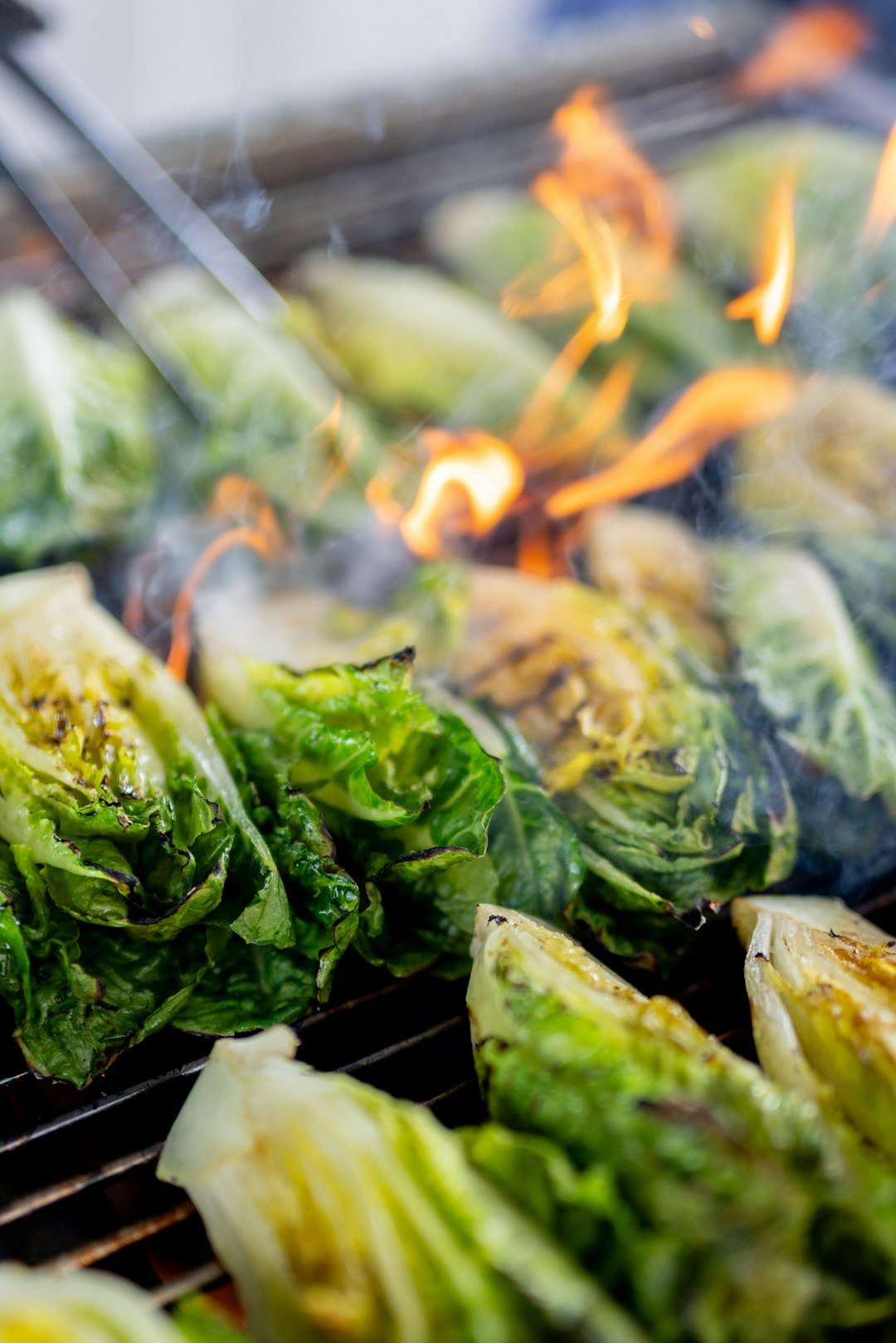
Roasting vegetables is one of the easiest ways to bring out their natural flavors. But if you’ve ever ended up with burnt edges or soggy centers, you know how frustrating it can be.
What if you could get perfectly roasted veggies every time—crispy on the outside, tender on the inside—without the guesswork? You’ll discover simple tips and tricks to master roasting your vegetables without burning them. Keep reading, and turn your veggies into delicious, crave-worthy dishes your whole family will love.
Choosing The Right Vegetables
Roasting vegetables is a simple way to bring out their natural flavors. Picking the right vegetables helps you avoid burning them.
Some vegetables roast better than others. Their texture and moisture affect how they cook in the oven.
Best Vegetables For Roasting
Root vegetables work very well for roasting. They hold up to heat and become tender inside.
Vegetables with low water content roast evenly. They caramelize nicely without burning quickly.
- Carrots
- Potatoes
- Sweet potatoes
- Beets
- Parsnips
- Brussels sprouts
- Cauliflower
- Broccoli
Seasonal Selections
Choosing vegetables that are in season gives you fresher and tastier results. Seasonal veggies roast better and cost less.
- Spring:Asparagus, new potatoes, peas
- Summer:Zucchini, bell peppers, eggplant
- Fall:Butternut squash, sweet potatoes, carrots
- Winter:Brussels sprouts, parsnips, beets
Preparation Techniques
Roasting vegetables can bring out their natural sweetness and flavor. Proper preparation helps cook them evenly and prevents burning.
Two key steps to prepare vegetables well are chopping them evenly and marinating for extra taste. These steps make your roasted veggies delicious and perfect.
Chopping For Even Cooking
Cut vegetables into pieces that are about the same size. This helps all pieces cook at the same speed. Smaller pieces cook faster but can burn easily.
- Use a sharp knife for clean cuts
- Cut harder vegetables like carrots smaller than softer ones
- Try to keep similar shapes for even heat exposure
- Avoid very thin slices that dry out quickly
- Place bigger pieces on the edges of the pan
Marinating For Extra Flavor
Marinate vegetables before roasting to add flavor and keep them moist. Use oils, herbs, and spices that suit your taste.
| Marinade Ingredient | Purpose |
| Olive oil | Keeps vegetables moist and helps browning |
| Garlic | Adds strong, savory flavor |
| Rosemary | Gives a fresh, pine-like aroma |
| Lemon juice | Brightens flavor and tenderizes |
| Salt | Enhances natural taste |
Selecting The Right Oils
Roasting vegetables needs the right oil to avoid burning. Oils with a high smoke point keep veggies from burning easily.
Choosing the right oil also adds flavor. Some oils give a simple taste, while others add extra notes to your dish.
High Smoke Point Oils
Oils with a high smoke point can handle high heat without burning. These oils keep your vegetables crispy and tasty.
- Avocado oil – smoke point around 520°F (271°C)
- Refined coconut oil – smoke point around 450°F (232°C)
- Grapeseed oil – smoke point around 420°F (216°C)
- Light olive oil – smoke point around 465°F (240°C)
- Sunflower oil – smoke point around 440°F (227°C)
Use these oils to roast vegetables at high temperatures. They help vegetables cook evenly without burning.
Infused Oils For Added Taste
Infused oils add flavor to roasted vegetables. You can find oils flavored with herbs, garlic, or chili.
These oils work best at lower temperatures. Add them after roasting or during the last few minutes of cooking.
- Garlic-infused olive oil adds a mild garlic flavor
- Rosemary-infused oil adds a fresh herbal taste
- Chili-infused oil adds a spicy kick
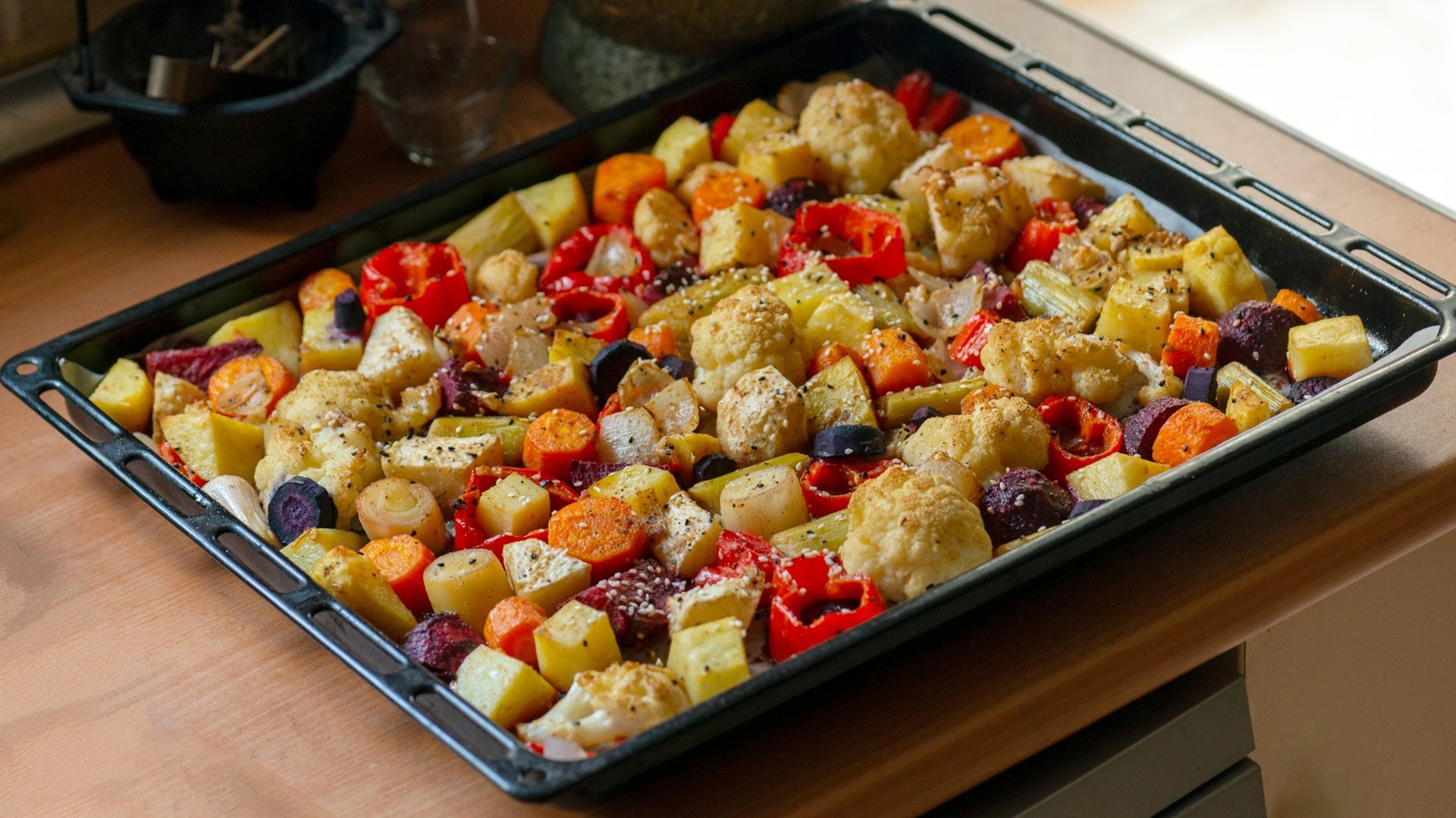
Credit: www.thetakeout.com
Perfecting The Oven Temperature
Roasting vegetables brings out their natural sweetness and makes them crispy. Setting the right oven temperature is key to avoid burning.
Too hot, and the outside burns before the inside cooks. Too cool, and vegetables turn soggy. Finding the balance is important.
Ideal Temperature Range
The best oven temperature for roasting vegetables usually falls between 375°F and 425°F (190°C to 220°C). This range cooks vegetables evenly and gives a nice caramelization.
Temperatures below 375°F can make vegetables soft and steamed. Above 425°F, vegetables may burn quickly on the edges.
- 375°F (190°C) is good for delicate vegetables like zucchini and asparagus.
- 400°F (200°C) suits most root vegetables like carrots and potatoes.
- 425°F (220°C) works well for firmer vegetables like Brussels sprouts and cauliflower.
Adjusting For Different Vegetables
Each vegetable type has a different texture and water content. Adjust the temperature and roasting time to match these differences.
Vegetables with high water content need lower temperatures to avoid burning. Dense vegetables need higher heat to cook through.
| Vegetable Type | Suggested Oven Temp | Notes |
|---|---|---|
| Leafy Greens (spinach, kale) | 375°F (190°C) | Roast briefly to avoid burning |
| Soft Vegetables (zucchini, peppers) | 375-400°F (190-200°C) | Cook until tender, watch closely |
| Root Vegetables (carrots, beets) | 400-425°F (200-220°C) | Longer roasting time needed |
| Dense Vegetables (cauliflower, Brussels sprouts) | 425°F (220°C) | High heat for crisp edges |
Using Proper Cooking Times
Roasting vegetables brings out their natural sweetness and flavor. Using the right cooking time helps avoid burning or undercooking.
Knowing how long to roast different vegetables is key. Timing depends on the vegetable type and size.
Short Vs. Long Roasting Times
Some vegetables cook quickly and need short roasting times. Others are denser and take longer.
Short roasting suits tender vegetables like zucchini and asparagus. Long roasting works better for root vegetables like carrots and potatoes.
- Short roasting: 15-25 minutes at 400°F (200°C)
- Long roasting: 30-45 minutes at 400°F (200°C)
- Cut vegetables evenly for even cooking
- Use higher heat for crisp edges
Checking For Doneness
Check vegetables while roasting to avoid burning. Look for softness and color changes.
Use a fork or knife to test if vegetables are tender inside. They should be easy to pierce but not mushy.
- Soft texture means done
- Golden brown edges add flavor
- Avoid dark, burnt spots
- Stir vegetables halfway for even cooking
Enhancing Flavor With Seasoning
Roasting vegetables brings out their natural sweetness. Adding the right seasoning helps deepen their flavor. This guide shows how to use seasonings well.
Careful seasoning prevents burning and boosts taste. Let’s explore classic blends and ways to try new spices.
Classic Seasoning Blends
Classic blends make it easy to add flavor without guesswork. These mixes suit many vegetables and keep tastes balanced.
- Italian Blend: basil, oregano, thyme, garlic powder
- Herbes de Provence: rosemary, thyme, marjoram, lavender
- Simple Salt and Pepper: sea salt, black pepper
- Garlic and Paprika: garlic powder, smoked paprika, salt
- Lemon Pepper: lemon zest, cracked black pepper, salt
Experimenting With Spices
Try new spices to find fresh flavor combinations. Start with small amounts and adjust by taste.
| Spice | Flavor Profile | Best For |
|---|---|---|
| Cumin | Warm, earthy | Root vegetables, carrots |
| Coriander | Sweet, citrusy | Cauliflower, squash |
| Turmeric | Bright, slightly bitter | Potatoes, cauliflower |
| Chili Powder | Spicy, smoky | Sweet potatoes, peppers |
| Curry Powder | Complex, spicy | Mixed vegetables, eggplant |
Avoiding Common Mistakes
Roasting vegetables is easy but mistakes can cause burning. Knowing what to avoid helps you cook perfect veggies.
Two common errors that cause burning are overcrowding the pan and using uneven vegetable sizes.
Overcrowding The Pan
Putting too many vegetables in one pan traps moisture. This makes them steam instead of roast.
Steamed vegetables cook unevenly and can become soggy or burn on the edges.
- Use a large baking sheet for space
- Spread vegetables in a single layer
- Leave gaps between pieces for air flow
Inconsistent Sizing
Cutting vegetables into different sizes causes uneven cooking. Smaller pieces burn before bigger ones cook through.
Cut vegetables into similar sizes to ensure they roast evenly and finish at the same time.
- Match thickness and size of pieces
- Group similar vegetables by size
- Check pieces halfway and remove any that burn
Tools And Equipment
Roasting vegetables needs the right tools to avoid burning. Good equipment helps cook evenly and makes the process easier.
This guide covers the essential roasting gear and the best baking sheets and pans to use.
Essential Roasting Gear
Using proper gear helps control heat and air flow around your vegetables. This prevents burning and promotes even cooking.
- Oven mitts to protect your hands from heat.
- A reliable oven thermometer to check the oven temperature.
- Mixing bowls for tossing vegetables with oil and seasonings.
- Silicone spatulas or wooden spoons to turn vegetables gently.
- Cooling racks to let vegetables rest without steaming.
Best Baking Sheets And Pans
Choosing the right baking sheet or pan affects how well your vegetables roast. Some materials cook better than others.
| Type | Material | Best Use | Notes |
| Rimmed Baking Sheet | Aluminum or stainless steel | Roasting most vegetables | Allows air circulation and easy stirring |
| Ceramic Baking Dish | Ceramic | Smaller batches or mixed veggies | Holds heat well but can cook unevenly |
| Cast Iron Skillet | Cast iron | High heat roasting | Retains heat for a crispy outside |
| Non-stick Pan | Coated metal | Sticky vegetables or delicate pieces | Avoid high heat to protect coating |
Serving And Pairing Suggestions
Roasted vegetables add a warm and rich flavor to meals. Serving them well brings out their best taste and texture.
Pairing these vegetables with the right dishes and sauces creates a balanced and tasty plate.
Complementary Dishes
Roasted vegetables match well with many foods. They add color and nutrition to your meal.
- Grilled or baked chicken for a protein boost
- Quinoa or rice bowls for a healthy base
- Roasted or grilled fish for a light, fresh touch
- Pasta dishes with light olive oil or tomato sauce
- Hearty soups and stews to add texture
Sauces And Garnishes
Sauces and garnishes enhance roasted vegetables’ flavor. They add moisture and exciting tastes.
| Sauce or Garnish | Flavor Profile | Best With |
| Tahini sauce | Creamy, nutty | Root vegetables like carrots and parsnips |
| Lemon garlic dressing | Fresh, tangy | Green vegetables like broccoli and asparagus |
| Balsamic glaze | Sweet and tangy | Brussels sprouts and sweet potatoes |
| Chopped fresh herbs (parsley, cilantro) | Bright, fresh | Almost any roasted vegetable |
| Grated Parmesan cheese | Salty, savory | Cauliflower and zucchini |
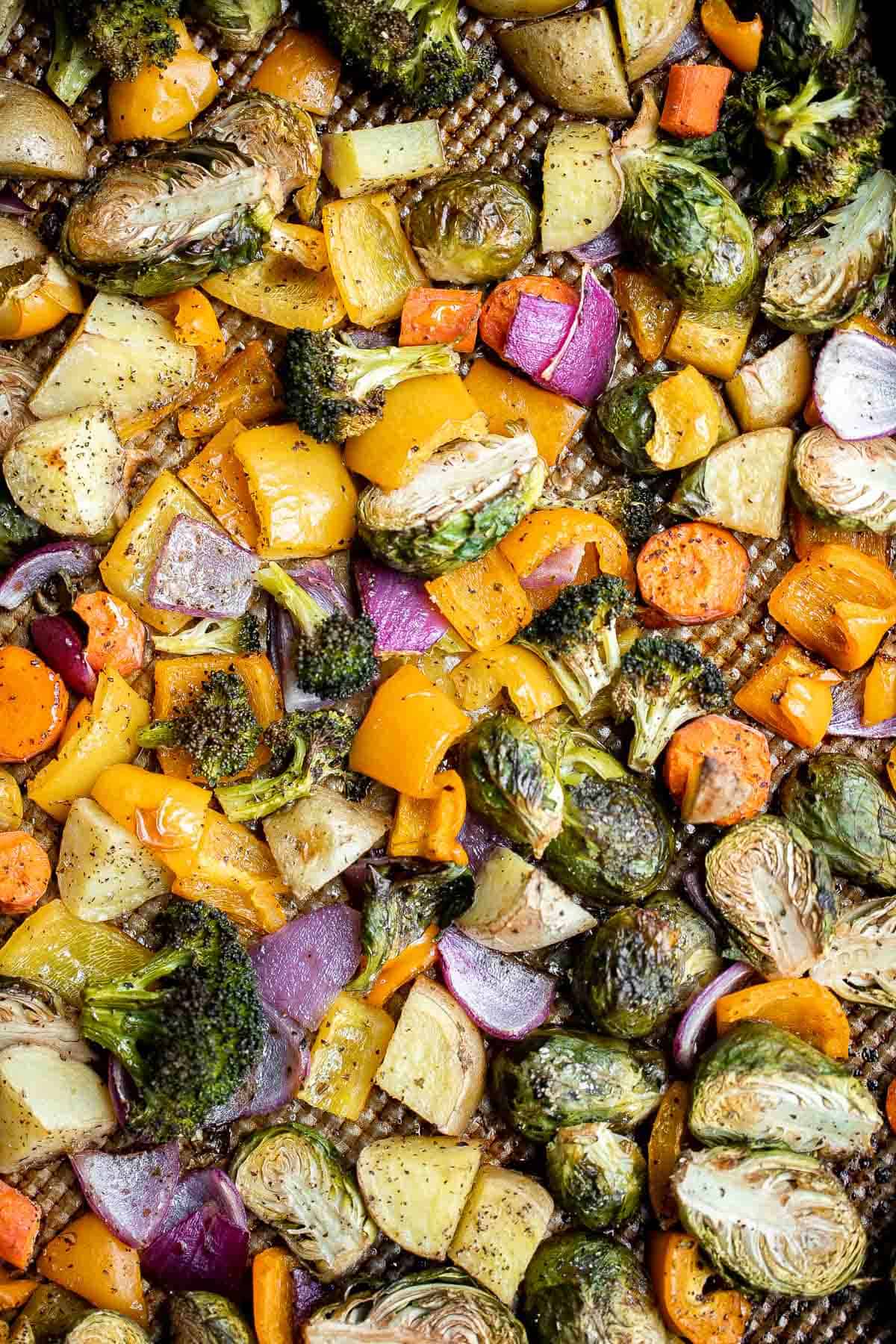
Credit: www.aheadofthyme.com

Credit: smittenkitchen.com
Frequently Asked Questions
How To Prevent Vegetables From Burning When Roasting?
To prevent burning, roast at moderate temperatures (375°F-425°F). Cut vegetables evenly for uniform cooking. Use oil to coat them lightly. Stir halfway through roasting for even heat distribution.
What Temperature Is Best For Roasting Vegetables?
Optimal roasting temperature is between 375°F and 425°F. Lower temperatures cook vegetables evenly without burning. Higher temps may char edges but can create crispiness if monitored closely.
How Long Should Vegetables Roast To Avoid Burning?
Roasting times vary by vegetable but usually range from 20 to 40 minutes. Check vegetables halfway, stir, and adjust time based on tenderness and color.
Should I Use Oil To Roast Vegetables Without Burning?
Yes, use a light coating of oil to prevent sticking and burning. Oil helps vegetables roast evenly and develop a crispy texture while retaining moisture.
Conclusion
Roasting vegetables can be simple and tasty. Use the right temperature and cut sizes. Stir often to cook evenly. Avoid overcrowding the pan for better crispiness. Keep an eye to stop burning early. These small steps make a big difference.
Enjoy your perfectly roasted vegetables every time. Cooking becomes easier with practice and care. Try different veggies and seasonings for variety. Roasting brings out natural flavors beautifully. A healthy and delicious way to eat more vegetables.