
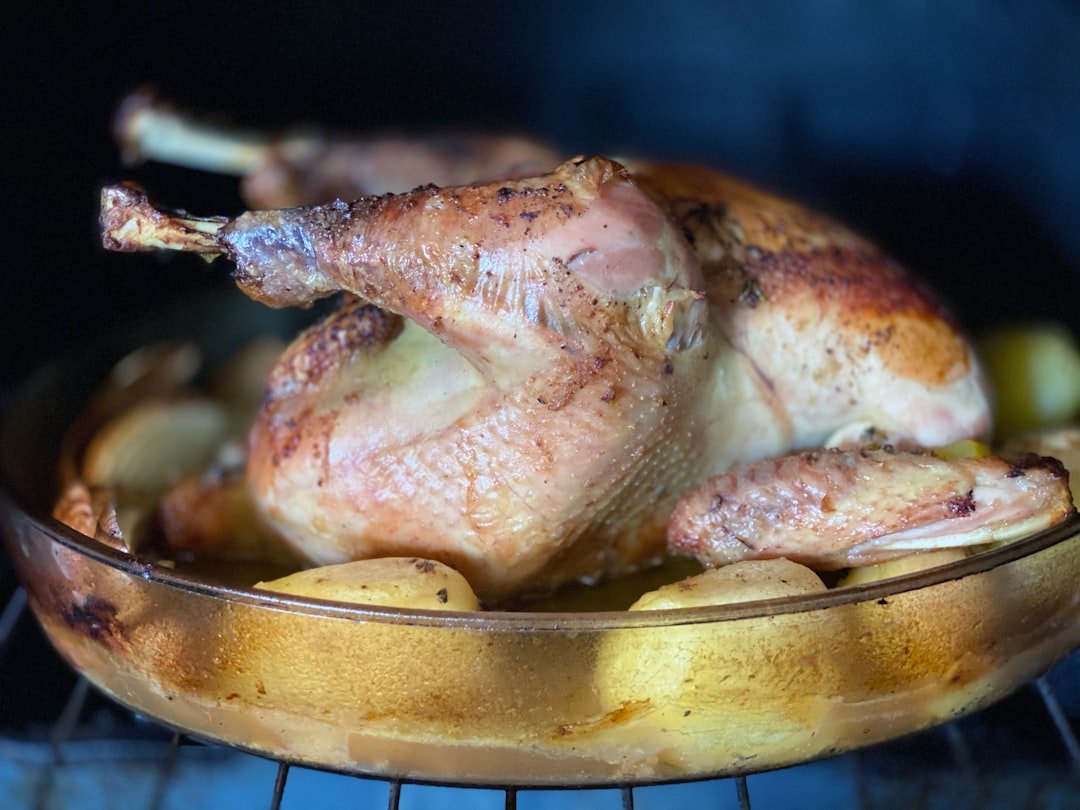
Are you tired of dry, flavorless chicken legs that just don’t hit the mark? Imagine biting into perfectly roasted chicken legs that are juicy on the inside and crispy on the outside every single time.
You’re just a few simple steps away from mastering this kitchen magic. You’ll discover easy techniques and insider tips that guarantee mouthwatering results. Ready to impress yourself and everyone at the table? Let’s dive into how to roast chicken legs juicy and crispy like a pro.
Choosing The Right Chicken
Picking the right chicken is key for juicy and crispy roasted legs. The quality of chicken affects taste and texture.
Consider freshness and how the chicken was raised. These factors change the cooking results.
Fresh Vs. Frozen
Fresh chicken often has better flavor and texture than frozen. It cooks more evenly and stays juicy.
Frozen chicken is convenient and lasts longer. Thaw it properly to keep moisture and taste.
- Fresh chicken cooks faster and crisps well
- Frozen chicken needs slow thawing in the fridge
- Frozen chicken can lose some juice if thawed poorly
Organic Vs. Conventional
Organic chicken comes from birds raised without antibiotics or hormones. This can affect flavor and health.
Conventional chicken is more common and usually less expensive. It may contain additives to keep it fresh.
- Organic chicken has a natural diet and cleaner taste
- Conventional chicken is widely available and budget-friendly
- Both types can be juicy and crispy with good cooking
Essential Ingredients
Roasting chicken legs needs simple ingredients for juicy and crispy results. Choosing the right herbs, spices, and liquids helps flavor the meat well.
Below are key components for seasoning and preparing chicken legs before roasting. These ingredients bring out the best taste and texture.
Herbs And Spices
Herbs and spices add aroma and depth to chicken legs. They help create a crispy skin and enhance the meat’s flavor.
- Garlic powder for a savory touch
- Paprika for color and mild heat
- Dried thyme for earthiness
- Rosemary to add piney notes
- Black pepper for a sharp bite
- Salt to draw out moisture and boost taste
Marinades And Brines
Marinades and brines keep chicken legs moist during roasting. They also infuse flavors deep into the meat.
| Type | Ingredients | Purpose |
| Basic Brine | Water, salt, sugar | Moisture retention and seasoning |
| Citrus Marinade | Lemon juice, olive oil, garlic | Tenderizing and fresh flavor |
| Herb Marinade | Olive oil, rosemary, thyme, pepper | Flavor infusion and moisture |
Preparation Techniques
Roasting chicken legs so they are juicy and crispy starts with good preparation. Proper steps help the meat cook evenly and taste great.
Cleaning, trimming, and scoring the chicken legs improve flavor and texture. These simple techniques make a big difference.
Cleaning And Trimming
Start by rinsing the chicken legs under cold water. This removes any dirt or residue from the skin.
Pat the legs dry with paper towels. Dry skin crisps better during roasting.
- Remove excess fat around the joints
- Trim off any loose skin or leftover feathers
- Check for and remove the thin membrane on the skin
Scoring For Flavor
Scoring means making shallow cuts on the chicken skin. This helps seasoning soak deeper into the meat.
Use a sharp knife to make 3 to 4 diagonal cuts on each leg. Do not cut too deep to avoid piercing the meat.
- Allows spices and marinades to penetrate better
- Helps fat render during cooking for crispier skin
- Speeds up cooking by letting heat reach inside
Marination Methods
Marinating chicken legs adds flavor and helps keep the meat juicy. Different methods can change the taste and texture.
Two popular ways to marinate are dry rubs and wet marinades. Each has its own benefits for roasting chicken legs.
Dry Rubs
Dry rubs use a mix of spices and herbs without liquid. They create a flavorful crust on the chicken skin.
Apply the dry rub evenly on the chicken legs. Let them sit for at least 30 minutes before roasting.
- Use salt, pepper, paprika, garlic powder, and herbs.
- Pat chicken dry before applying rub for crispier skin.
- Refrigerate while marinating to enhance flavors.
- Dry rubs help draw moisture out to make skin crisp.
Wet Marinades
Wet marinades mix liquids like oil, vinegar, or yogurt with spices. They add moisture and tenderize the meat.
Soak chicken legs in the marinade for at least one hour. The liquid helps keep the chicken juicy when roasting.
- Use ingredients like olive oil, lemon juice, soy sauce, and garlic.
- Marinate in the fridge for safety and better flavor.
- Pat chicken dry before roasting to get crispy skin.
- Wet marinades add flavor inside the meat and help tenderness.
Cooking Equipment
Roasting chicken legs to be juicy and crispy needs the right tools. Good equipment helps cook evenly and keep flavors.
Choosing the right oven, baking trays, and racks makes a big difference in the final taste and texture.
Oven Options
You can use a conventional or convection oven to roast chicken legs. Both work but give different results.
A convection oven uses a fan to move hot air. This helps cook chicken evenly and makes skin crispier.
- Conventional ovens heat from top and bottom
- Convection ovens have a fan for even heat
- Convection cooks faster and crisps better
Baking Trays And Racks
Use baking trays that hold heat well. Metal trays like aluminum or stainless steel are best.
Adding a rack on the tray lifts the chicken. This lets hot air flow under the legs and makes skin crispy.
- Use a sturdy baking tray to hold the chicken
- Place a rack on the tray to raise chicken legs
- Racks help fat drip away and skin crisp up
- Line trays with foil for easy cleaning

Credit: theforkedspoon.com
Roasting Process
Roasting chicken legs makes them crispy on the outside and juicy inside. The right roasting process ensures great flavor and texture.
Following proper temperature and time settings helps cook chicken legs perfectly every time.
Temperature Settings
Set your oven temperature to 400°F (200°C) for roasting chicken legs. This heat level crisps the skin while keeping the meat juicy.
A higher temperature cooks the skin faster, creating a crunchy texture. It also helps seal the juices inside the meat.
- Preheat oven to 400°F (200°C)
- Use a baking tray or roasting pan
- Place chicken legs skin-side up
Time Management
Roast chicken legs for 35 to 45 minutes at 400°F. Cooking time depends on the size of the legs.
Check the internal temperature with a meat thermometer. It should read 165°F (75°C) to be safe and fully cooked.
- Small legs: about 35 minutes
- Medium legs: about 40 minutes
- Large legs: about 45 minutes
- Check internal temp: 165°F (75°C)
Achieving Crispy Skin
Roasting chicken legs so the skin turns crispy and golden is a skill anyone can learn. The key is to use the right fats and cooking temperature.
Proper techniques help keep the meat juicy while making the skin crackle and crisp. This guide focuses on two main tips for crispy skin.
Oil And Butter Use
Using oil or butter on chicken legs before roasting helps create a crispy outer layer. They add flavor and help the skin brown evenly.
- Brush the skin with olive oil or melted butter before cooking.
- Use oils with high smoke points like canola or avocado for higher heat.
- Combine butter and oil to get rich taste and good crispiness.
- Pat the skin dry first to avoid steaming instead of roasting.
High Heat Techniques
Cooking chicken legs at high heat makes the skin crisp quickly without drying the meat. It locks in juices and creates a crunchy texture.
| Temperature | Effect on Chicken Skin |
| 375°F (190°C) | Good for gentle crisping, longer cook time |
| 425°F (220°C) | Faster browning, very crispy skin |
| 450°F (230°C) | Best for quick, intense crisping but watch carefully |

Credit: aspiceaffair.com
Ensuring Juicy Meat
Roasting chicken legs can give you crispy skin and juicy meat. The key is to cook them just right. This keeps the meat tender and full of flavor.
Using the right temperature and letting the chicken rest after cooking helps keep the juices inside. These tips make your chicken legs taste better.
Internal Temperature
Check the chicken legs’ internal temperature to avoid dryness. Cook until the thickest part reads 165°F (74°C). Use a meat thermometer for accuracy.
Removing chicken at this temperature ensures it is safe and juicy. Overcooking makes the meat dry and tough.
- Insert thermometer into the thickest part of the leg
- Avoid touching bone, as it gives false readings
- Remove chicken once it hits 165°F (74°C)
Resting Period
Let chicken legs rest for 5 to 10 minutes after roasting. This allows juices to spread inside the meat. The result is moist and tender chicken.
Cover the chicken loosely with foil during resting. This keeps it warm without steaming the skin, so it stays crispy.
- Remove chicken from oven
- Place on a plate and cover with foil
- Let rest for 5-10 minutes before serving
Flavor Enhancements
Roasting chicken legs juicy and crispy depends a lot on flavor. Adding sauces and herbs can lift the taste. These extras make the chicken more enjoyable and rich.
Use different sauces or infuse herbs to bring out the best in your chicken legs. They add moisture and a burst of flavor that keeps every bite exciting.
Sauces And Glazes
Sauces and glazes add a tasty crust and moist texture. Sweet, spicy, or tangy sauces work well. Brush them on before and during roasting.
- Honey mustard glaze for a sweet and tangy taste
- Barbecue sauce for smoky and rich flavor
- Teriyaki glaze for a sweet and salty mix
- Garlic butter sauce for creamy richness
- Hot sauce for a spicy kick
Herb Infusions
| Herb | Flavor | Use |
|---|---|---|
| Rosemary | Pine-like, fresh | Rub on chicken skin or add to roasting pan |
| Thyme | Earthy, subtle mint | Mix with oil and brush on chicken legs |
| Oregano | Robust, slightly bitter | Sprinkle dried oregano before roasting |
| Basil | Sweet, peppery | Add fresh leaves after cooking |
| Sage | Warm, slightly peppery | Chop finely and mix in marinade |
Side Dishes
Roasted chicken legs taste best with the right side dishes. Choose sides that add flavor and balance.
Vegetables and grains pair well with juicy and crispy chicken legs. They complete the meal and add nutrition.
Vegetable Pairings
Roasted or steamed vegetables add color and freshness to your plate. They bring out the taste of chicken legs.
- Roasted carrots with honey glaze
- Steamed broccoli with lemon zest
- Grilled asparagus with garlic
- Sautéed green beans with almonds
- Mixed vegetable medley with herbs
Grain Options
Grains add texture and help make the meal filling. Pick grains that complement the chicken flavor.
| Grain | Cooking Method | Flavor Notes |
| Quinoa | Boiled | Nutty and light |
| Brown rice | Steamed | Earthy and chewy |
| Couscous | Steamed | Soft and fluffy |
| Barley | Simmered | Chewy and mild |
| Bulgur wheat | Soaked or boiled | Light and nutty |
Serving Suggestions
Roasted chicken legs can be served in many tasty ways. They taste best when juicy inside and crispy outside.
Choosing the right sides and drinks helps make your meal complete and enjoyable.
Plating Ideas
Arrange chicken legs on a large plate with colorful vegetables. This makes the dish look fresh and inviting.
Add a lemon wedge or fresh herbs like parsley for extra brightness and aroma.
- Place chicken legs on a bed of mashed potatoes or rice
- Serve with roasted vegetables like carrots and zucchini
- Use a drizzle of sauce, such as garlic butter or barbecue sauce
- Garnish with chopped fresh herbs or lemon slices
Beverage Pairings
Choose drinks that balance the rich flavors of roasted chicken legs. Light and fresh drinks work well.
Sparkling water or cold iced tea helps refresh your palate between bites.
- White wine like Chardonnay or Sauvignon Blanc
- Light beer or pilsner
- Fresh lemonade or iced herbal tea
- Sparkling water with a slice of lime

Credit: kristineskitchenblog.com
Frequently Asked Questions
How Long To Roast Chicken Legs For Juiciness?
Roast chicken legs at 400°F (200°C) for 35-45 minutes. Use a meat thermometer to check for 165°F (74°C) internal temperature. This ensures juicy, fully cooked chicken without dryness.
What Spices Enhance Crispy Roasted Chicken Legs?
Use salt, pepper, garlic powder, paprika, and thyme. These spices add flavor and help form a crispy skin. Coat chicken legs evenly before roasting.
Should Chicken Legs Be Marinated Before Roasting?
Marinating chicken legs for 1-4 hours adds moisture and flavor. Use acidic ingredients like lemon juice or yogurt. This tenderizes the meat and improves juiciness and taste.
How To Keep Chicken Legs Crispy After Roasting?
Rest chicken legs on a wire rack after roasting. Avoid covering them while resting to keep the skin crispy. Serve immediately for best texture.
Conclusion
Roasting chicken legs juicy and crispy is simple with the right steps. Season well, cook at the proper temperature, and use a timer. Let the chicken rest before serving to keep it moist. Crispy skin and tender meat make every bite delicious.
Practice these tips to enjoy tasty roasted chicken legs anytime. Enjoy your meal with confidence and ease.