
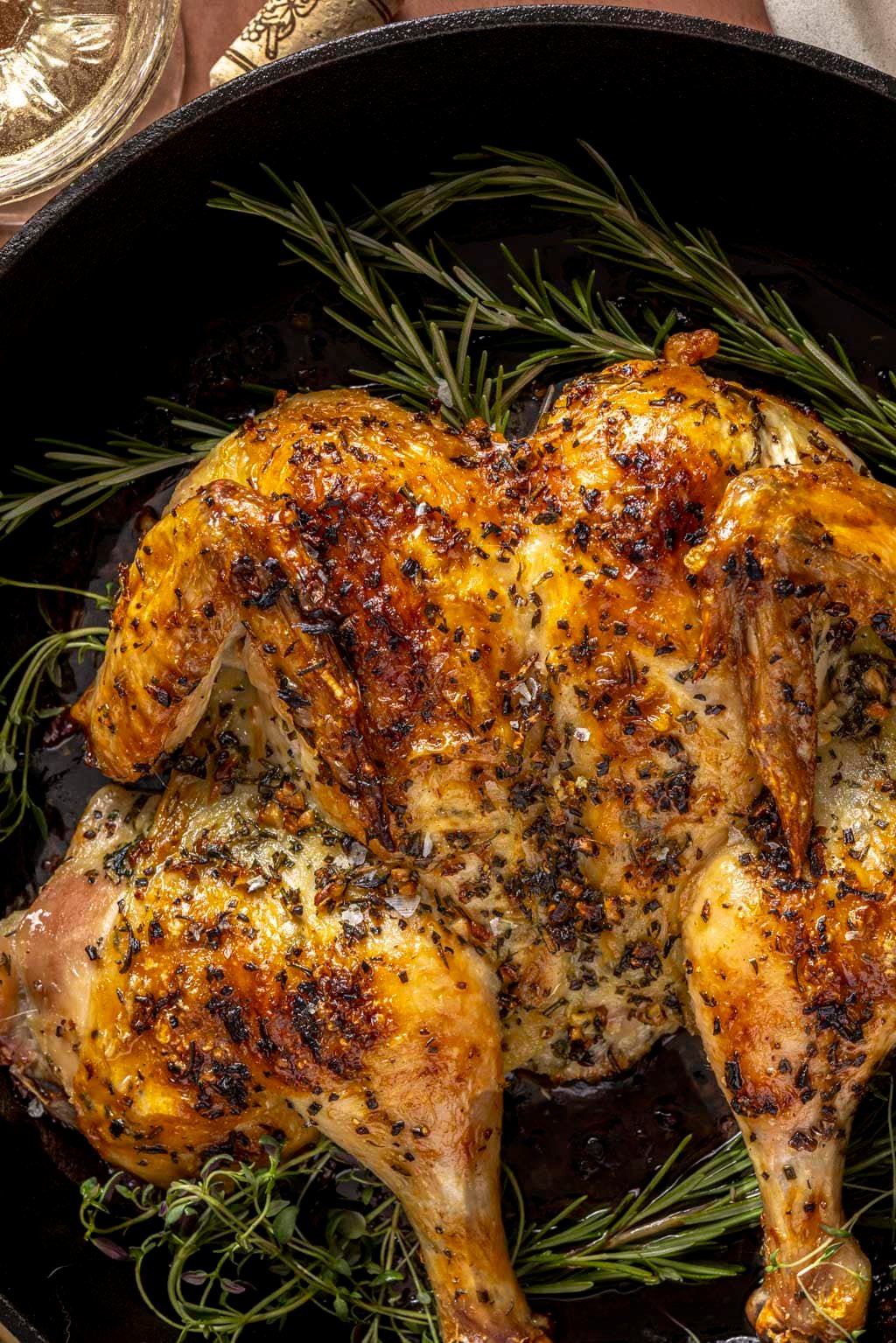
Roasting a chicken perfectly can seem tricky, but it doesn’t have to be. You want juicy meat, crispy skin, and even cooking all around—no dry spots or underdone pieces.
If you’ve ever cut into your roast only to find unevenly cooked chicken, you know how frustrating that can be. What if you could change that with simple, easy steps? You’ll discover exactly how to roast chicken evenly in your oven every single time.
Get ready to impress yourself and anyone you share your meal with!
Choosing The Right Chicken
Choosing the right chicken is key to roasting it evenly in the oven. The size and quality affect cooking time and flavor.
Understanding the differences in chicken types helps you pick the best one for your recipe.
Size And Weight Considerations
Chicken size affects how heat moves inside the oven. Smaller chickens cook faster and more evenly.
- Choose chickens between 3 to 5 pounds for even roasting.
- Larger birds need longer cooking, which may dry them out.
- Weigh the chicken before buying to match your cooking plan.
- Use a meat thermometer to check doneness, especially for bigger chickens.
Organic Vs Conventional Options
Organic and conventional chickens differ in farming methods, taste, and price. Both can roast well if chosen carefully.
| Type | Farming Method | Flavor | Price |
| Organic | Raised without synthetic chemicals or antibiotics | Often richer and more natural | Higher |
| Conventional | Raised with standard farming practices | Mild and consistent | Lower |
Preparing The Chicken
Preparing your chicken well helps it cook evenly in the oven. This means the meat stays juicy and the skin turns crispy.
Two key steps are trussing the chicken and seasoning it properly. These steps set the foundation for a great roast.
Trussing Techniques
Trussing means tying the chicken with kitchen twine. It keeps the legs and wings close to the body. This helps the chicken cook evenly and keeps the shape nice.
- Place the chicken breast-side up on a clean surface.
- Tuck the wing tips under the body to prevent burning.
- Cut a long piece of kitchen twine, about 3 feet.
- Start by placing the twine under the tail, then bring it around the legs.
- Cross the twine over the legs and pull tight to hold them together.
- Bring the twine up along the sides, then tie a knot at the top near the neck.
- Trim any extra twine.
Seasoning Essentials
Seasoning gives the chicken flavor and helps the skin brown. Use simple ingredients for the best results.
| Ingredient | Purpose | Common Use |
| Salt | Enhances flavor and helps crisp skin | Rub all over chicken, inside and out |
| Black Pepper | Adds mild heat and depth | Sprinkle evenly on skin and inside cavity |
| Garlic Powder | Adds savory aroma and taste | Sprinkle lightly on skin |
| Herbs (thyme, rosemary) | Add fresh, earthy notes | Place fresh sprigs inside cavity or under skin |
Setting Up The Oven
Roasting a chicken evenly starts with how you set up your oven. The right oven temperature and rack position help cook the chicken through without burning it.
Pay close attention to these two key factors to get a juicy, well-cooked chicken with crispy skin.
Optimal Temperature Settings
Set the oven to the right temperature before placing the chicken inside. Too hot, and the outside will burn before the inside cooks. Too low, and the chicken will be dry.
- Preheat the oven to 375°F (190°C) for balanced cooking.
- If you want extra crispy skin, set the oven to 425°F (220°C) for the last 10 minutes.
- Use an oven thermometer to check the real temperature inside.
- A steady temperature prevents uneven cooking.
Rack Positioning
Place the chicken on the correct rack to allow even heat circulation around it. The rack position can change how the chicken cooks.
| Rack Position | Effect on Cooking |
|---|---|
| Middle Rack | Best for even heat distribution and cooking |
| Lower Rack | May cause the chicken bottom to cook faster |
| Upper Rack | Good for browning but can dry the chicken out |

Credit: www.homegrown-kitchen.co.nz
Using Proper Equipment
Roasting chicken evenly needs the right tools. Good equipment helps heat spread well.
This guide focuses on picking the best roasting pan and using a thermometer correctly.
Roasting Pan Selection
Choose a roasting pan that fits your chicken size. The pan should hold heat and let air move.
- Use a pan with low sides for even air flow.
- Metal pans conduct heat better than glass or ceramic.
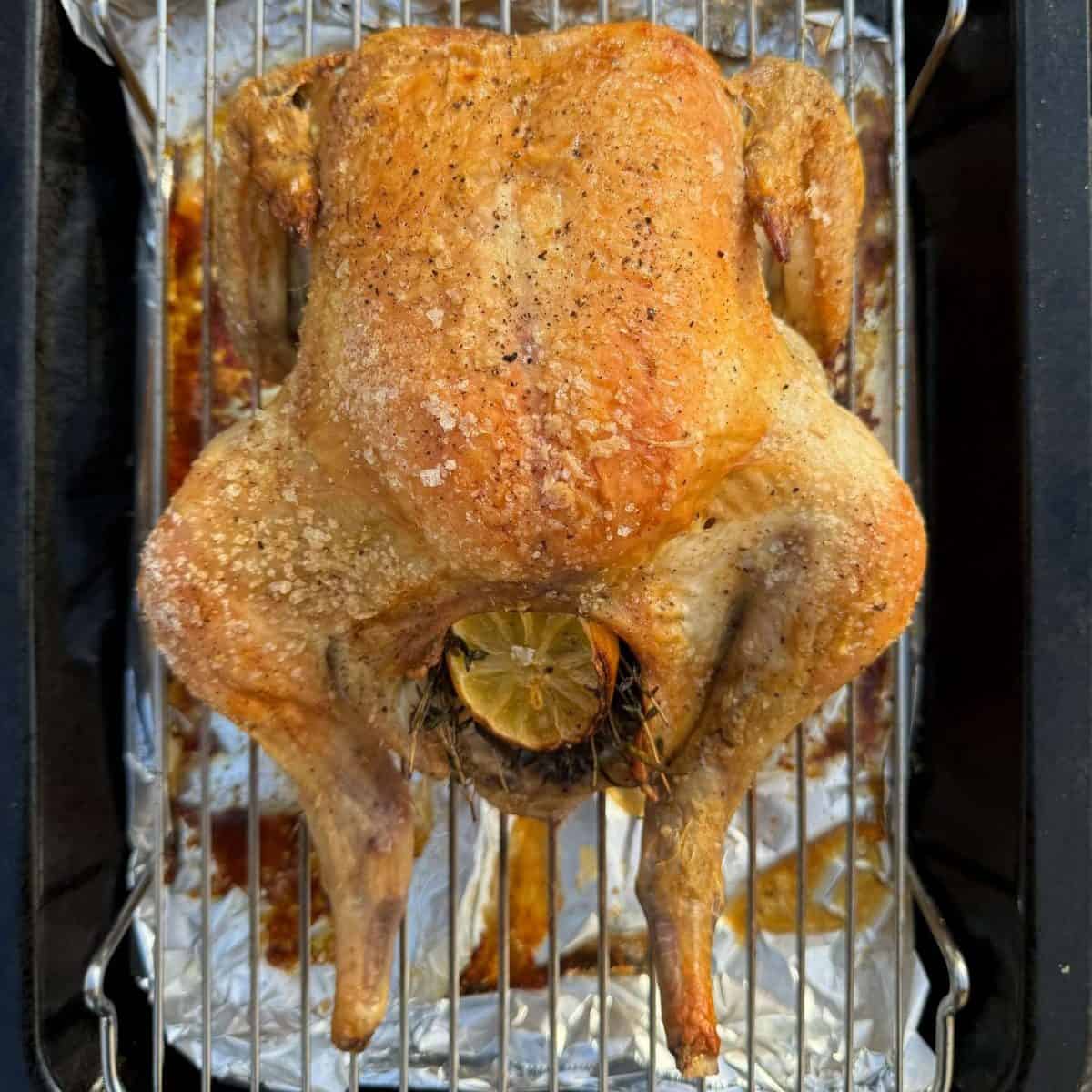
- A rack inside the pan lifts chicken off the bottom.
- Make sure the pan is large enough to avoid crowding.
- Non-stick surfaces help with easy cleanup.
Thermometer Use
A thermometer checks if the chicken is cooked all the way through. It stops guesswork.
| Thermometer Type | Best Use |
| Instant-read | Quick internal temperature check |
| Leave-in probe | Monitor temperature while roasting |
| Digital | Easy to read and accurate |
| Analog | Simple, no batteries needed |
Cooking Techniques
Roasting chicken evenly in the oven takes some care and good techniques. Proper cooking helps the chicken cook through without drying out.
Using the right methods lets heat reach all parts of the chicken. This keeps the meat juicy and the skin crispy.
Basting Methods
Basting means spooning juices or sauce over the chicken during cooking. This adds moisture and flavor to the chicken skin.
Use a spoon, brush, or baster to apply the juices every 20 minutes. Avoid opening the oven too often to keep heat steady.
- Use pan juices or melted butter for basting
- Be gentle to keep the skin from tearing
- Baste quickly to keep oven temperature
Turning And Rotating
Turning the chicken helps it cook evenly on all sides. Rotate the chicken halfway through cooking for balanced heat.
Place the chicken on a rack in the oven to let air circulate. Rotate the pan if your oven has hot spots to avoid burning.
- Turn chicken breast-side up and down if needed
- Rotate the roasting pan 180 degrees mid-cook
- Use oven-safe tools to move the chicken safely
Credit: www.myforkinglife.com
Monitoring The Cooking Process
Roasting chicken evenly requires careful attention during cooking. Watching the chicken and checking its temperature helps avoid undercooking or burning.
Knowing what signs to look for and how to measure the heat inside the chicken ensures juicy and safe results.
Visual Cues
Look for changes in the chicken’s skin and juices. The skin should turn golden brown and crispy. Clear juices running from the thickest part of the chicken show it is cooked.
- Skin color changes from pink to golden brown
- Juices run clear, not pink or red
- Meat near the bone is firm but not dry
- Chicken legs move easily when wiggled
Temperature Checks
Using a meat thermometer gives the most accurate cooking check. Insert it into the thickest part of the chicken, avoiding bones.
| Temperature Location | Safe Internal Temperature |
| Chicken breast | 165°F (74°C) |
| Chicken thigh | 165°F (74°C) |
| Whole chicken center | 165°F (74°C) |
Resting The Chicken
Resting the chicken after roasting helps keep it juicy. It lets the juices settle inside the meat.
Skipping this step can make the chicken dry and less tasty. Resting is a simple but important part of roasting.
Timing And Techniques
Let the chicken rest for about 10 to 15 minutes after removing it from the oven. Cover it loosely with foil to keep the heat in.
- Take the chicken out of the oven.
- Place it on a cutting board or plate.
- Cover with aluminum foil, but do not wrap tightly.
- Wait 10 to 15 minutes before cutting.
Preserving Juiciness
| Action | Effect on Juiciness |
|---|---|
| Rest the chicken covered with foil | Helps juices redistribute inside meat |
| Cut chicken immediately after roasting | Juices run out, meat becomes dry |
| Rest for less than 10 minutes | Juices not fully settled, less moist |
| Rest for more than 20 minutes | Meat cools down, less enjoyable |
Following these resting tips keeps your roasted chicken tender and juicy for a better meal.
Serving Suggestions
Roasting chicken evenly brings out its best flavor and texture. Serving it right makes your meal more enjoyable.
Think about what goes well with roasted chicken. Presentation also makes a big difference at the table.
Accompaniments
Choose side dishes that balance the rich taste of roasted chicken. Fresh, simple flavors work well.
- Roasted vegetables like carrots, potatoes, and Brussels sprouts
- Light green salads with lemon or vinegar dressing
- Buttery mashed potatoes or rice pilaf
- Steamed green beans or asparagus
- Fresh bread or dinner rolls
Presentation Ideas
Serving your chicken with care makes the meal look inviting. Use simple tricks to enhance your plate.
- Carve the chicken before serving for easy eating
- Arrange slices on a large platter with herbs on top
- Add lemon wedges for a pop of color and flavor
- Use colorful vegetables around the chicken for contrast
- Serve with small bowls of gravy or sauce on the side
Credit: saltbuttersmoke.com
Frequently Asked Questions
How Do I Ensure Even Cooking Of Roast Chicken?
Use a consistent oven temperature and place the chicken on a rack. Rotate the pan halfway through cooking to promote even heat distribution and avoid hot spots.
What Oven Temperature Is Best For Roasting Chicken Evenly?
Roast chicken at 375°F (190°C) for even cooking. This temperature cooks the bird thoroughly without drying it out, keeping the meat juicy and tender.
Should I Baste The Chicken For Even Roasting?
Yes, basting the chicken with its juices every 20-30 minutes helps keep the skin moist and promotes even browning throughout the roasting process.
How Long Should I Roast A Whole Chicken?
Roast for about 20 minutes per pound at 375°F (190°C). Check the internal temperature; it should reach 165°F (74°C) for safe, even cooking.
Conclusion
Roasting chicken evenly takes some practice and attention. Keep the oven temperature steady and avoid opening the door often. Use a meat thermometer to check if the chicken is cooked inside. Let the chicken rest before cutting to keep it juicy.
Small steps like turning the chicken help it cook all around. These simple tips will help you enjoy a tasty, evenly roasted chicken every time. Try them out and see the difference in your cooking.