
Have you ever struggled with sticky residues left behind by tape, labels, or spills? Those stubborn spots can be frustrating and hard to clean.
But what if you could remove them quickly and easily without damaging your surfaces? You’ll discover simple, effective ways to get rid of sticky residue once and for all. Keep reading, and you’ll learn tricks that save you time and effort, making your home or workspace look spotless again.

Credit: allbetterapp.com
Common Causes Of Sticky Residues
Sticky residues appear on many surfaces after using certain products. They can be hard to clean and leave an unpleasant feel.
Knowing what causes sticky residues helps you remove them better. This guide explains common reasons for sticky buildup.
Adhesive Tape And Labels
Many sticky residues come from adhesive tape or labels. When you peel them off, glue often stays behind.
This glue can be thick or thin and usually feels tacky. It can attract dust and dirt, making surfaces look dirty.
Food And Drink Spills
Spilled drinks like soda or juice often leave sticky spots. Sugars and syrups in food also create sticky residues.
These residues can harden over time, making them tough to clean without proper care.
Glue And Craft Materials
Glue used in crafts and repairs is a common cause of sticky residue. Some glues dry sticky and catch dirt easily.
Residue from tape glues or hot glue sticks can leave marks on surfaces after use.
Cleaning Product Build-up
Certain cleaning products leave sticky layers if not rinsed well. Waxes or polishes can create a tacky feel.
Using too much product or mixing cleaners can cause sticky films on furniture or floors.
Sap And Natural Tree Resins
Tree sap and plant resins are sticky and hard to remove. They often get on outdoor surfaces or shoes.
These natural substances dry slowly but remain sticky and can trap dirt easily.
Oil And Grease Residues
Oils and grease from cooking or machinery leave sticky, shiny spots. They attract dust and grime.
These residues can feel slick and are harder to clean with just water.

Credit: allbetterapp.com
Essential Cleaning Supplies
Sticky residues on surfaces can be stubborn and hard to remove. Using the right cleaning supplies makes the process easier and more effective.
Different surfaces may need different tools and cleaners. This guide lists essential supplies for removing sticky residues safely.
Cleaning Solutions
Choose cleaning solutions that break down sticky substances without damaging surfaces. Common options include rubbing alcohol, vinegar, and commercial adhesive removers.
Tools For Scraping And Wiping
Use tools that help lift residue without scratching. Plastic scrapers, soft cloths, and sponges work well on most surfaces.
- Plastic scrapers or old credit cards
- Microfiber cloths
- Sponges with soft sides
- Paper towels
Protective Gear
Wear gloves to protect your skin from harsh chemicals. Safety goggles help avoid eye irritation when using sprays or solvents.
Storage And Organization
| Supply | Recommended Storage |
| Cleaning solutions | Cool, dry place away from children |
| Scrapers and cloths | Clean container or drawer |
| Protective gloves | Dry spot to keep shape |
Natural Remedies For Sticky Residues
Sticky residues on surfaces can be annoying and hard to clean. Using natural ingredients can remove these residues safely.
Vinegar, baking soda, and lemon juice are common household items that work well to clean sticky spots.
Using Vinegar And Baking Soda
Vinegar and baking soda create a gentle cleaning solution. They break down sticky substances without harsh chemicals.
- Mix equal parts of white vinegar and water in a spray bottle.
- Sprinkle baking soda on the sticky area.
- Spray the vinegar solution over the baking soda.
- Wait for the fizzing to stop, about 5 minutes.
- Wipe the area with a clean cloth or sponge.
- Rinse with water and dry the surface.
Benefits Of Lemon Juice
Lemon juice contains natural acids that help dissolve sticky residues. It also leaves a fresh scent.
| Benefit | Description |
| Natural Acid | Breaks down sticky and greasy substances |
| Deodorizer | Removes odors and leaves a fresh smell |
| Safe on Surfaces | Works well on glass, wood, and metal |
| Easy to Use | Apply directly or mix with water for cleaning |

Credit: www.amazon.com
Commercial Products For Residue Removal
Sticky residues can be tough to clean from many surfaces. Commercial products help remove these sticky spots safely and quickly. These products include special formulas that break down adhesives and clean surfaces without damage.
Choosing the right product depends on the type of residue and the surface involved. Below are common commercial product types used for residue removal.
Adhesive Removers
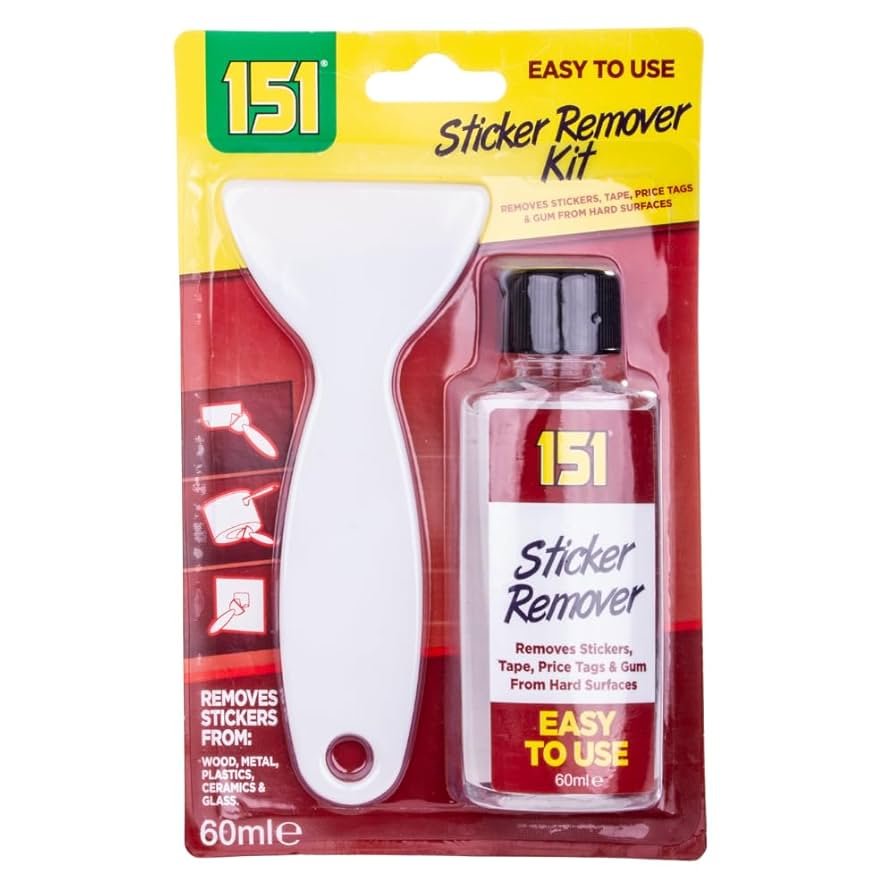
Adhesive removers are designed to dissolve sticky glues and tapes. They work well on glass, metal, and plastic surfaces. These removers often contain solvents that break the bond between the adhesive and the surface.
- Apply a small amount of remover to the residue.
- Let it sit for a few minutes to soften the adhesive.
- Gently scrape or wipe away the residue with a cloth.
- Wash the area with soap and water to remove any leftover product.
All-purpose Cleaners
All-purpose cleaners can remove light sticky residues. They are safe for many household surfaces like countertops and tiles. These cleaners help dissolve small amounts of adhesive and clean the surface in one step.
| Cleaner Type | Best For | Usage Tips |
| Spray Cleaners | Light adhesive residues on glass or plastic | Spray directly, wait a minute, then wipe clean |
| Wipes | Small sticky spots on smooth surfaces | Rub gently until residue dissolves |
| Liquid Solutions | Greasy or sticky residues on counters | Apply with cloth, scrub lightly, rinse |
Step-by-step Removal Techniques
Sticky residues on surfaces can be annoying and hard to clean. Using the right method helps protect the surface and remove the residue fast. This guide shows easy ways to clean glass, wood, and plastic.
Each surface needs a special approach. Follow these steps carefully to avoid damage and get the best results.
For Glass Surfaces
Glass can handle stronger cleaners but be gentle to avoid scratches. Use warm water and gentle scrubbing for safe removal.
- Soak the sticky area with warm soapy water for 5 minutes.
- Use a soft cloth or sponge to rub the residue gently.
- Apply a small amount of rubbing alcohol on a cotton ball to remove stubborn spots.
- Wipe the surface with a clean damp cloth to remove any leftover cleaner.
- Dry the glass with a microfiber cloth to avoid streaks.
For Wood Surfaces
Wood is sensitive to moisture and harsh chemicals. Use mild products and test on a small area first.
| Material | Recommended Cleaner | Notes |
|---|---|---|
| Finished Wood | Olive oil and vinegar mix | Protects finish and removes residue |
| Unfinished Wood | Sawdust or fine steel wool | Use gently to avoid damage |
| Wood with Wax | Mineral spirits | Test in hidden area before use |
To remove sticky residue, apply the cleaner with a soft cloth. Rub gently and wipe off with a dry cloth. Repeat if needed.
For Plastic Surfaces
Plastic can be scratched easily. Use mild cleaners and soft cloths to avoid damage.
- Apply warm soapy water to soften the residue.
- Use a plastic scraper or old credit card to lift residue carefully.
- Clean the area with rubbing alcohol or vinegar on a soft cloth.
- Rinse with clean water and dry with a soft towel.
Preventing Sticky Residues In The Future
Sticky residues can be annoying and hard to clean. Preventing them is easier than removing them later.
Simple habits help keep surfaces clean and free from sticky build-up over time.
Proper Storage Solutions
Store items carefully to avoid spills and leaks that cause sticky spots. Use containers with tight lids.
Keep surfaces dry and clean before placing objects on them. This stops sticky residues from forming.
- Use airtight jars for liquids and sauces
- Place coasters under glasses and bottles
- Keep sticky items on trays or mats
- Seal packages tightly after use
Regular Cleaning Tips
Clean surfaces often to stop sticky residue buildup. Use gentle cleaners safe for your materials.
Wipe spills right away with a damp cloth. This prevents sticky spots from hardening and sticking.
- Use mild soap and warm water for daily cleaning
- Dry surfaces completely to avoid moisture residue
- Clean under objects and in corners regularly
- Avoid harsh chemicals that damage surfaces
Safety Tips During Cleaning
Cleaning sticky residues can expose you to chemicals and dust. Taking safety precautions keeps you safe.
Use the right tools and follow safety advice to avoid harm during cleaning.
Using Protective Gear
Wear protective gear to guard your skin, eyes, and lungs from harmful substances.
- Wear gloves to protect your hands from chemicals.
- Use safety goggles to shield your eyes.
- Put on a mask to avoid inhaling fumes and dust.
- Wear long sleeves and pants to cover your skin.
- Use closed shoes to protect your feet from spills.
Ventilation Importance
Good ventilation helps remove harmful fumes and keeps fresh air flowing.
| Ventilation Method | Benefits |
|---|---|
| Open windows and doors | Increases fresh air flow |
| Use exhaust fans | Removes strong odors and fumes |
| Work outdoors if possible | Prevents buildup of chemicals inside |
Troubleshooting Persistent Residues
Sticky residues on surfaces can be hard to remove. Sometimes, simple cleaning does not work. This guide helps you know when to get help. It also points out common mistakes to avoid.
Knowing what to do saves time and protects your surfaces. Follow these tips to handle tough sticky spots safely and effectively.
When To Seek Professional Help
If sticky residue stays after many cleaning attempts, professionals may be needed. They have special tools and knowledge to prevent damage.
- Residue covers a large or delicate surface.
- Strong chemicals might harm the material.
- Residue smells bad or looks moldy.
- Residue has been on surface for a long time.
- You are unsure about the cleaning products to use.
Common Mistakes To Avoid
Many people make errors that make sticky residue worse. Avoid these to save time and keep surfaces safe.
| Mistake | Why to Avoid |
| Using harsh chemicals without testing | Can damage or discolor surfaces |
| Scraping with sharp tools | May cause scratches or gouges |
| Letting residue sit too long | Makes removal harder and may stain |
| Rubbing residue too hard | Spreads residue or damages surface finish |
| Ignoring safety instructions | Risk of skin irritation or inhaling fumes |
Frequently Asked Questions
How Can I Safely Remove Sticky Residue From Glass?
Use warm soapy water and a soft cloth to soften residue. Apply rubbing alcohol or vinegar for stubborn spots. Avoid abrasive tools to prevent scratches.
What Household Items Remove Sticky Residue Effectively?
Common items like vinegar, baking soda, and rubbing alcohol work well. They break down adhesive without damaging most surfaces. Always test a small area first.
Is It Safe To Use Oil For Sticky Residue Removal?
Yes, oils like olive or coconut oil dissolve adhesive gently. Apply oil, let it sit, then wipe away residue. Clean the surface afterward to avoid greasiness.
Can Heat Help Remove Sticky Residue From Surfaces?
Heat softens adhesive, making removal easier. Use a hairdryer on low heat to warm the residue. Gently scrape with a plastic tool after heating.
Conclusion
Sticky residues can be tough, but they are not impossible to remove. Use common household items like vinegar, oil, or soap for best results. Apply gently and be patient to protect your surfaces. Test any cleaner on a small area first.
Clean surfaces stay safe and look better. With simple steps, your space can stay neat and fresh. Try these tips next time sticky messes appear. Easy, quick, and effective.