
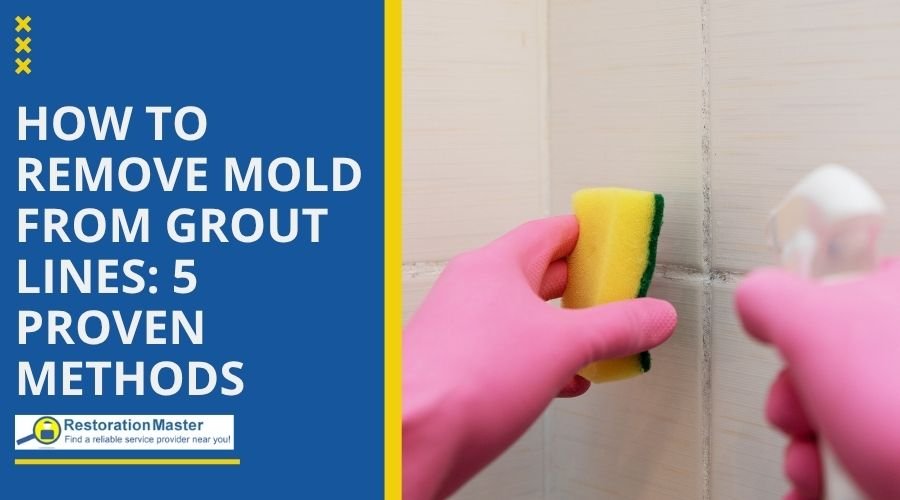
Mold in your kitchen corners is more than just an eyesore—it can affect your health and the freshness of your home. If you’ve noticed those stubborn black or green spots creeping in, you probably want a solution that’s safe, effective, and free from harsh chemicals.
Imagine removing that mold using simple ingredients you already have at home, keeping your kitchen fresh and healthy without any worries. You’ll discover easy, natural ways to tackle mold in your kitchen corners, so you can protect your family and enjoy a cleaner space.
Keep reading—you’re just a few steps away from a mold-free kitchen!
Identifying Mold In Kitchen Corners
Mold grows in damp, dark places like kitchen corners. It can cause health problems if not removed. Spotting mold early helps keep your kitchen safe.
This guide explains how to identify mold in your kitchen corners naturally. Learn the signs and what to look for to protect your home.
Common Signs Of Mold Growth
Mold often looks like spots or patches. It may have different colors and textures. Pay attention to these signs near sinks, cabinets, and walls.
- Black, green, or white spots
- Fuzzy or slimy texture
- Musty or earthy smell
- Peeling paint or wallpaper
- Dampness or water stains
Areas To Check In Kitchen Corners
Check corners where moisture collects. Look behind appliances and under the sink. Mold grows in hidden spots with poor air flow.
| Location | Why Check |
| Under the sink | Water leaks can cause mold |
| Behind refrigerator | Humidity and spills |
| Cabinet corners | Trapped moisture |
| Window sills | Condensation buildup |
How To Test Suspected Mold
You can test for mold using simple tools. If unsure, a natural test can help confirm its presence.
Natural Mold Test Steps:
- Wipe the spot with a damp cloth.
- Let the area dry.
- Check if the spot returns within a few days.
- If it reappears, it is likely mold.
Credit: www.angi.com
Safety Precautions Before Mold Removal
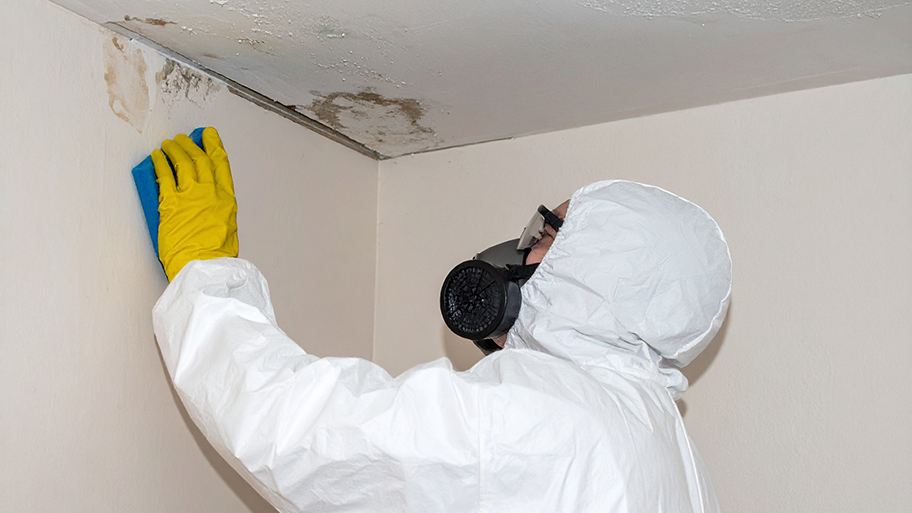
Mold can cause health problems if not handled safely. It is important to protect yourself before cleaning mold in kitchen corners.
This guide explains simple safety steps to follow before removing mold naturally.
Wear Protective Gear
Always wear gloves, a mask, and goggles. This gear stops mold spores from touching your skin, eyes, and lungs.
- Use rubber or latex gloves
- Wear an N95 or better mask
- Put on safety goggles without vents
Ventilate The Area
Open windows and doors to let fresh air in. Good airflow helps remove mold spores from the air and lowers your risk of breathing them.
Prepare Cleaning Supplies
Gather natural cleaning materials before starting. These supplies help you remove mold safely and without harsh chemicals.
| Item | Purpose |
| White vinegar | Kills mold spores naturally |
| Baking soda | Removes odors and cleans |
| Spray bottle | Applies cleaning solution evenly |
| Soft brush or cloth | Scrubs mold without damage |
Limit Access To The Area
Keep children and pets away from the moldy kitchen corners during cleaning. This prevents them from inhaling spores or touching harmful areas.
Dispose Of Contaminated Materials Properly
Throw away any sponges, cloths, or gloves used to clean mold. Seal them in a plastic bag to stop mold spores from spreading.
Reminder:Never mix vinegar with baking soda in a closed container. The reaction can cause pressure build-up.
Natural Ingredients For Mold Removal
Mold in kitchen corners can cause health problems and damage surfaces. Using natural ingredients is a safe and effective way to clean mold.
These natural options are easy to find and gentle on your home. They remove mold without harsh chemicals.
Vinegar For Mold Cleaning
White vinegar is acidic and kills most types of mold. It works well on hard surfaces like tiles and countertops.
To use vinegar, spray it directly on the moldy area. Let it sit for an hour, then wipe clean with water.
Baking Soda As A Mold Remover
Baking soda is a mild natural cleaner and deodorizer. It helps remove mold and stops it from coming back.
- Mix one teaspoon of baking soda with two cups of water.
- Spray the solution on the moldy corner.
- Scrub the area gently with a brush.
- Rinse with water and spray again to prevent mold growth.
Tea Tree Oil Benefits
Tea tree oil is a natural antifungal that kills mold spores. It leaves a fresh scent and protects surfaces.
| Tea Tree Oil Mold Removal | Details |
|---|---|
| Mixing | One teaspoon of tea tree oil with one cup of water |
| Application | Spray on moldy areas without rinsing |
| Effectiveness | Kills mold and prevents regrowth |
Credit: mycleaningangel.com
Step-by-step Mold Removal Process
Mold can grow in kitchen corners due to moisture and poor ventilation. Removing it quickly keeps your kitchen safe and clean.
This guide shows you how to remove mold naturally with easy steps. You will learn how to prepare the area, apply natural solutions, and clean the mold away.
Preparing The Area
Before you start cleaning, prepare the space well. This will protect you and stop the mold from spreading.
- Open windows and doors for good air flow.
- Wear gloves and a mask to protect your skin and lungs.
- Remove any items near the moldy corners.
- Cover the floor with old towels or plastic sheets.
Applying Natural Solutions
Use natural ingredients that kill mold without harsh chemicals. These solutions are safe and easy to find at home.
| Natural Solution | How to Use | Benefits |
|---|---|---|
| White Vinegar | Spray undiluted vinegar on mold and let it sit for 1 hour. | Kills most mold types and deodorizes. |
| Baking Soda | Mix 1 tablespoon with water, spray, and scrub. | Removes mold and absorbs moisture. |
| Tea Tree Oil | Mix 1 teaspoon with 1 cup water, spray on mold. | Natural antifungal, smells pleasant. |
Scrubbing And Cleaning
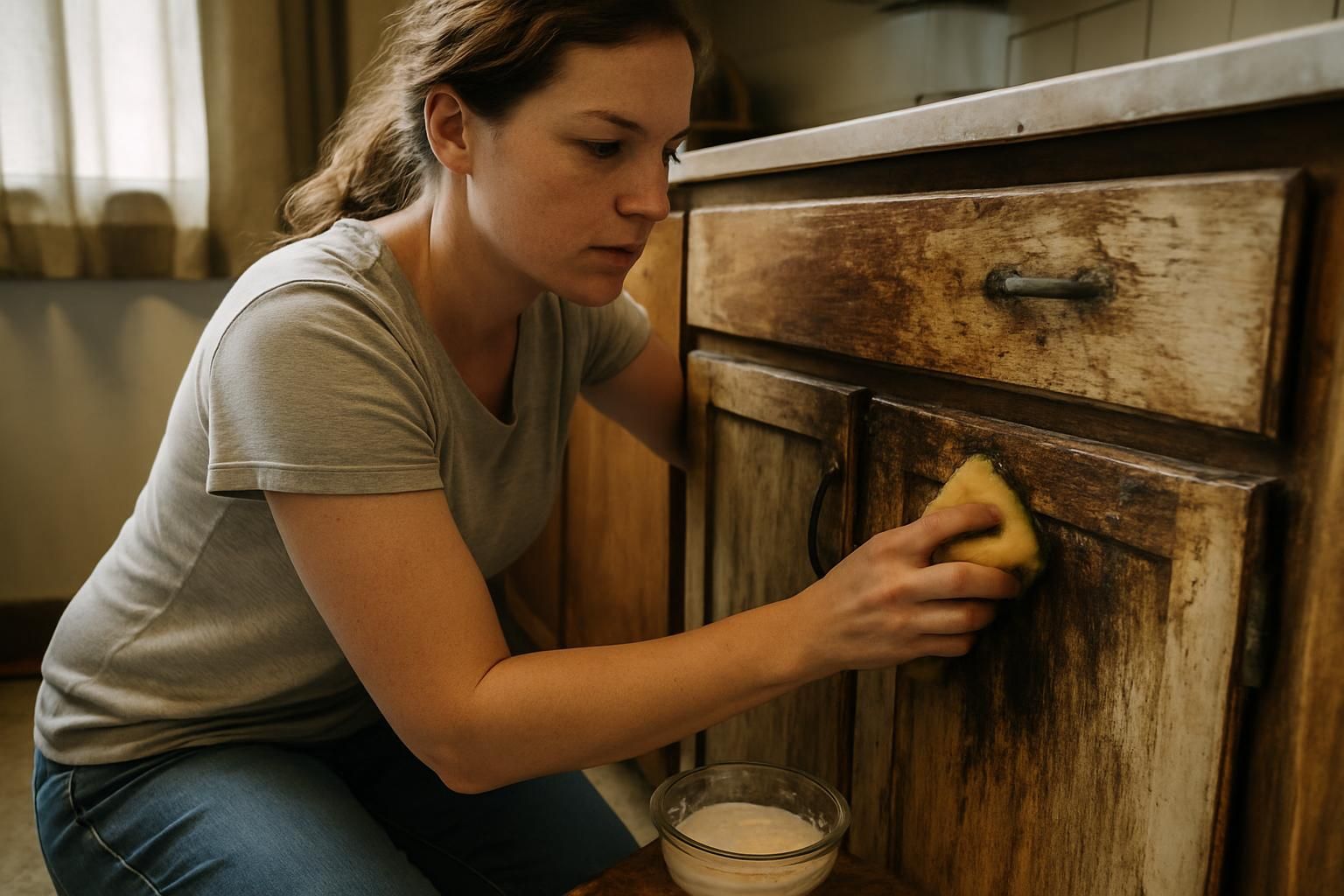
After applying the natural solution, scrub the mold off. Use the right tools and clean the area well.
- Use a soft brush or sponge to avoid damage.
- Scrub the moldy corner gently but firmly.
- Wipe the area with a clean, damp cloth.
- Dry the corner completely to stop mold from returning.
Preventing Mold Growth In The Future
Keeping mold away from kitchen corners takes care and simple habits. You can stop mold by changing your kitchen environment. This helps you keep your home fresh and safe.
Focus on air flow, cleaning often, and watching moisture. These steps help mold from coming back after you remove it.
Improving Ventilation
Good air flow dries wet spots quickly. Open windows or use fans to keep air moving in the kitchen. Turn on the exhaust fan when cooking or washing dishes.
- Open kitchen windows daily to let fresh air in.
- Use an exhaust fan during and after cooking.
- Keep doors open when possible for better air flow.
- Place a small fan in damp corners to help dry them.
Regular Cleaning Routine
Clean kitchen corners often to stop mold from growing. Wipe down walls and surfaces with natural cleaners like vinegar or baking soda. Remove any food crumbs or spills quickly.
| Task | Frequency |
| Wipe kitchen corners | Twice a week |
| Clean exhaust fan filters | Monthly |
| Check for leaks under sink | Monthly |
| Remove visible mold spots | Immediately |
Monitoring Humidity Levels
Keep kitchen humidity below 60% to stop mold. Use a hygrometer to check moisture levels. Run a dehumidifier if your kitchen feels damp or sticky.
- Fix leaks and drips quickly.
- Dry wet cloths and sponges outside the kitchen.
- Avoid drying clothes inside the kitchen area.
- Use moisture-absorbing materials like charcoal bags or silica gel.
When To Seek Professional Help
Mold in kitchen corners can be a health risk. You can remove small mold patches naturally. Sometimes, the problem is too big for home cleaning.
Knowing when to get expert help keeps your home safe. Professionals have tools to remove mold deeply and safely.
Large Or Spreading Mold Areas
If mold covers more than 10 square feet, call a professional. Large mold areas need special equipment to clean properly. Trying to clean big mold patches yourself can spread spores and worsen the problem.
Health Issues Caused By Mold
Mold can cause sneezing, coughing, or skin irritation. If anyone in your home feels sick after mold exposure, seek expert help. Professionals reduce health risks by removing mold safely.
Mold In Hard-to-reach Places
Mold behind walls or under cabinets is hard to remove. Professionals use tools to find and clean hidden mold. If you see mold signs but cannot reach it, get expert assistance.
Signs You Need Professional Mold Removal
- Persistent mold returns after cleaning
- Musty odors in kitchen corners
- Water damage or leaks near mold areas
- Discoloration on walls or ceilings
- Allergy symptoms worsen at home
Professional Mold Removal Vs. Diy
| Aspect | DIY Cleaning | Professional Removal |
| Tools and Equipment | Basic household items | Specialized cleaning gear |
| Safety Gear | Limited protection | Full protective suits and masks |
| Effectiveness | Good for small spots | Thorough removal, prevents regrowth |
| Cost | Low cost | Higher cost |
| Time Required | Varies, can be long | Usually faster |
Credit: mycleaningangel.com
Frequently Asked Questions
How Can I Remove Mold From Kitchen Corners Naturally?
Use a mixture of white vinegar and water. Spray it on moldy areas and scrub gently. Let it sit for an hour before wiping clean.
What Natural Ingredients Kill Kitchen Mold Effectively?
White vinegar, baking soda, and tea tree oil are highly effective. These ingredients kill mold without harsh chemicals.
How Often Should I Clean Kitchen Corners To Prevent Mold?
Clean kitchen corners weekly. Regular cleaning prevents mold growth by removing moisture and food particles.
Is Vinegar Safe For All Kitchen Surfaces?
Yes, vinegar is safe for most surfaces like tiles and countertops. Avoid using it on natural stone as it may cause damage.
Conclusion
Cleaning mold from kitchen corners can be safe and simple. Natural methods like vinegar and baking soda work well. These solutions kill mold without harsh chemicals. Regular cleaning stops mold from coming back. Keep corners dry and ventilated to stay mold-free.
Small efforts make your kitchen healthier and fresher. Try these easy steps to protect your home today.