
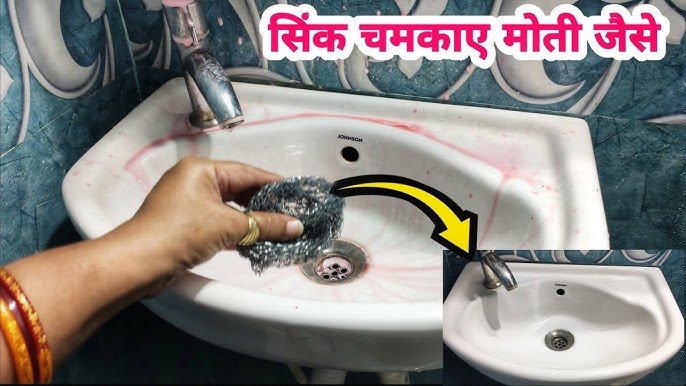
Are hard water stains ruining the look of your sink? You’re not alone.
These stubborn marks can make even the cleanest sink appear dull and dirty. But don’t worry—removing them is easier than you think. You’ll discover simple, effective ways to get rid of those tough stains and restore your sink’s shine. Keep reading, and you’ll learn how to tackle this common problem quickly, saving you time and frustration.
Your sink will thank you!
Causes Of Hard Water Stains
Hard water stains appear on sinks after water dries. These stains come from minerals in the water.
Understanding what causes these stains helps to clean them better and prevent new ones.
High Mineral Content
Hard water contains minerals like calcium and magnesium. These minerals leave white or cloudy marks.
When water evaporates, minerals stay behind and form stains on the sink surface.
Water Evaporation
Water evaporates after use, but minerals do not disappear. They build up over time.
This slow build-up causes hard water stains that look tough to remove.
Soap And Mineral Reaction
Soap mixes with hard water minerals and creates a film on sinks. This film traps minerals and dirt.
It makes stains harder to clean and adds to the sink’s dull look.
Frequent Water Use
Using water often in sinks leaves more minerals behind. This speeds up stain formation.
Areas with heavy water use need regular cleaning to stop hard water stains.
Poor Sink Material
Some sink materials hold minerals more than others. Rough or porous surfaces trap minerals quickly.
Smooth materials are easier to clean and show fewer hard water stains.
Essential Tools And Materials
Removing hard water stains from your sink is easier with the right tools. These materials help clean without damaging the surface.
Gathering everything before you start saves time. It also makes the cleaning process smooth and effective.
Cleaning Solutions
Cleaning solutions dissolve hard water stains and make scrubbing easier. You can use natural or commercial cleaners.
- White vinegar – breaks down mineral buildup
- Baking soda – gentle abrasive for scrubbing
- Lemon juice – natural acid that cleans and freshens
- Commercial lime and calcium remover – for tough stains
Cleaning Tools
Using the right tools helps remove stains without scratching your sink. Soft and non-abrasive tools work best.
- Soft sponge or cloth – safe for most sink surfaces
- Old toothbrush – reaches small corners and edges
- Plastic scraper – removes hardened stains gently
- Spray bottle – for applying liquid cleaners evenly
Protective Gear
Protect your skin and eyes while cleaning hard water stains. Some cleaners can irritate or cause dryness.
| Gear | Purpose |
| Rubber gloves | Protect hands from chemicals and rough scrubbing |
| Safety goggles | Prevent splashes from reaching eyes |
| Old clothes or apron | Keep your clothes safe from stains and spills |
Vinegar Solution Method
Hard water stains in sinks can be stubborn and unsightly. Using a vinegar solution is a natural way to clean these stains without harsh chemicals.
This method uses vinegar’s acidity to break down mineral deposits and restore shine to your sink.
Preparing The Solution
To make the vinegar cleaning solution, mix equal parts of white vinegar and water. This balance is strong enough to dissolve stains but safe for most sink materials.
- Use 1 cup of white vinegar
- Add 1 cup of warm water
- Stir the mixture well in a bowl or spray bottle
- Prepare enough solution to cover the stained areas
Application Process
Apply the vinegar solution directly to the hard water stains. You can use a spray bottle or a clean cloth soaked in the solution.
Follow these steps for best results:
- Spray or dab the solution on the stains.
- Let it sit for 10 to 15 minutes to dissolve minerals.
- Use a soft brush or sponge to scrub gently.
Rinsing And Drying
After scrubbing, rinse the sink thoroughly with clean water. This removes any leftover vinegar and loosened deposits.
- Use warm water to rinse all surfaces.
- Dry the sink with a soft towel to prevent new water spots.
- Repeat the process if stains remain.

Credit: aquariushomeservices.com
Baking Soda Paste Technique
Hard water stains can make your sink look dull and dirty. Baking soda paste is a safe and simple way to clean these stains. It uses natural ingredients that you may already have at home.
This method is gentle on your sink but tough on stains. Follow the steps below to remove hard water marks easily.
Mixing The Paste
Start by making the baking soda paste. You only need two ingredients for this cleaning mixture.
- Take half a cup of baking soda
- Add a few tablespoons of water slowly
- Mix until it forms a thick paste
Scrubbing The Stains
Apply the paste directly on the hard water stains in your sink. Use a soft cloth or sponge to scrub the area gently.
- Spread the paste evenly over the stained spots
- Let it sit for 15 minutes to loosen the stains
- Scrub in small circles to lift the marks
- Rinse the cloth and wipe away the paste
Final Clean-up
After scrubbing, finish by cleaning the sink thoroughly. This step removes any leftover residue and restores shine.
| Cleaning Action | Purpose |
| Rinse the sink with warm water | Remove all baking soda paste |
| Dry the sink with a soft towel | Prevent new water stains |
| Polish with a clean cloth | Make the surface shine |
Lemon Juice Cleaning Approach
Hard water stains can make sinks look dull and dirty. Lemon juice is a natural cleaner that helps remove these stains. It works because of its acidity, which breaks down mineral deposits.
This guide shows how to use lemon juice to clean your sink in three simple steps. You will learn how to prepare the lemons, apply the juice, and polish the sink for a shiny finish.
Juicing The Lemons
Start by selecting fresh lemons. Roll each lemon on the counter to make it softer. This will help release more juice.
Cut the lemons in half. Use a hand juicer or squeeze them by hand into a bowl. Remove any seeds to avoid clogging the sink drain.
Direct Application
Pour the fresh lemon juice directly onto the hard water stains. Make sure to cover all the affected areas. Let the juice sit for about 5 to 10 minutes.
The acidity in lemon juice will soften the mineral buildup. Avoid letting the juice dry completely as it may leave a sticky residue.
Wiping And Polishing
Use a soft cloth or sponge to scrub the stains gently. Wipe in circular motions to lift the deposits. Rinse the sink with warm water to wash away loosened stains.
Dry the sink with a clean towel. Buff the surface to bring out a natural shine. Repeat the process if any stains remain for a clearer finish.

Credit: theorganicmaids.com
Commercial Cleaners For Stubborn Stains
Hard water stains can be tough to remove from sinks. Commercial cleaners offer strong solutions to dissolve these marks quickly. They contain special ingredients that break down mineral deposits.
These cleaners work better on stubborn stains than regular soap or vinegar. Using them correctly keeps your sink clean and shiny for a long time.
Choosing The Right Product
Pick a cleaner made for hard water stains. Check the label to see if it works on your sink’s material. Some products suit stainless steel, while others are for porcelain or ceramic.
Look for cleaners that mention lime, calcium, or mineral deposits. Avoid harsh acids on delicate surfaces to prevent damage.
- Use a product safe for your sink type
- Check if it targets mineral stains
- Avoid cleaners with strong acids on sensitive surfaces
- Choose easy-to-use spray or gel forms
Application Instructions
Start by cleaning the sink with water to remove loose dirt. Spray or apply the cleaner on the stained areas. Let it sit for a few minutes to work on the stains.
Use a soft cloth or sponge to scrub gently. Rinse the sink well with clean water. Repeat the process if the stain is very strong.
- Rinse sink before applying cleaner
- Apply cleaner evenly on stains
- Wait 5-10 minutes to let it work
- Gently scrub with cloth or sponge
- Rinse thoroughly with water
- Repeat if stains remain
Safety Precautions
Read the product label for safety instructions. Wear gloves to protect your skin from chemicals. Avoid breathing in fumes by working in a well-ventilated area.
Keep cleaners away from children and pets. Do not mix different cleaning products as it can cause harmful reactions.
- Wear protective gloves
- Use in a ventilated space
- Keep away from children and pets
- Do not mix with other cleaners
- Follow label instructions carefully
Preventive Measures
Hard water stains can damage your sink’s surface over time. Taking preventive steps helps keep your sink clean and shiny.
Preventing stains is easier than removing them later. Use these simple methods to protect your sink daily.
Regular Cleaning Routine
Clean your sink regularly to stop hard water stains from forming. Wipe the sink after each use to remove water drops.
Use mild soap and a soft cloth to clean the sink every few days. This prevents mineral buildup and keeps the surface smooth.
- Wipe dry after each use
- Clean with mild soap twice a week
- Avoid abrasive cleaners that scratch
Water Softener Systems
Water softeners reduce minerals in hard water. This lowers the chance of stains and buildup on your sink.
Installing a water softener helps protect all plumbing fixtures. It can extend the life of your sink and pipes.
- Removes calcium and magnesium
- Prevents scale buildup
- Improves water quality
Using Protective Coatings
Apply a protective coating to your sink to create a barrier against stains. These coatings make cleaning easier and protect the surface.
Choose coatings made for your sink material. Reapply the coating as needed to keep the sink protected.
- Use sealants for stone or porcelain sinks
- Apply wax or polish for metal sinks
- Follow product instructions carefully
Credit: www.youtube.com
Frequently Asked Questions
How Do I Remove Hard Water Stains From A Sink?
Use white vinegar or lemon juice to soak the stained area. Scrub gently with a soft brush or cloth. Rinse with water and dry the sink to prevent new stains.
What Household Items Remove Hard Water Stains Effectively?
Common items like white vinegar, baking soda, and lemon juice work well. They break down mineral deposits without harsh chemicals. These items are safe and eco-friendly for sink cleaning.
Can Hard Water Stains Damage My Sink Permanently?
Yes, if ignored, mineral deposits can etch and dull the sink surface. Regular cleaning prevents buildup and preserves the sink’s appearance and lifespan.
How Often Should I Clean Hard Water Stains From My Sink?
Clean your sink weekly to prevent hard water stains. Frequent maintenance stops deposits from hardening and keeps your sink shiny and stain-free.
Conclusion
Hard water stains can make your sink look old and dirty. Cleaning them is easier than you think. Use simple household items like vinegar or baking soda. Scrub gently to avoid damage. Regular cleaning stops stains from building up again.
A clean sink improves your kitchen or bathroom’s look. Keep these tips handy for quick stain removal. Enjoy a fresh and shiny sink every day. Easy steps, better results.